- See more Daily Mail on Google - save us as a Preferred Source
The cost of a fill-up hit £100 today as pump prices soared again thanks to the Iran war dragging on.
Average petrol prices hit a new post-war record while diesel also soared, meaning filling up the average family car with the fuels hit £89 and £100 respectively.
By comparison, a fill-up before the war cost £73 and £78.
It will hit millions who have hit the road for their summer holidays and pile pressure on Labour to scrap a planned Fuel Duty hike on New Year's Day.
A 5p a litre cut in the levy introduced by the Tories in 2022 is set to expire on January 1, with ministers currently planning to reverse this reduction from New Year’s Day.
Western oil supplies have been squeezed since the conflict erupted on February 28 because of the effective closure of the Strait of Hormuz. In turn, oil prices have shot up and sent pump prices soaring.
They dipped after a US-Iran ceasefire was announced in June.
But the tentative peace deal broke down last month and prices have been back on the rise since as oil supplies become squeezed again.
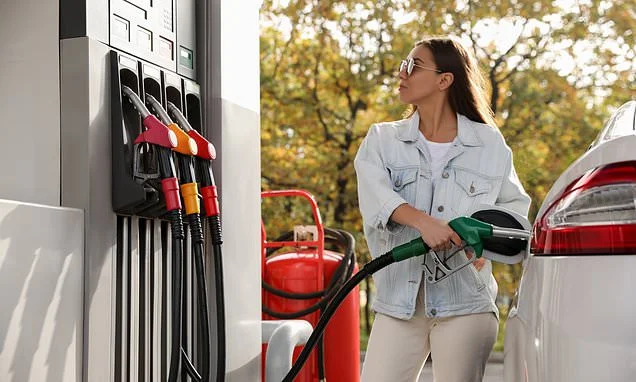
Average petrol prices hit a new post-war record today while diesel also soared, meaning filling up the average family car with the fuels hit £89 and £100 respectively
A 5p a litre cut in the levy introduced by the Tories in 2022 is set to expire on January 1, with ministers currently planning to reverse this reduction from New Year’s Day
Chancellor John Healey has privately been warned to abandon Labour’s planned Fuel Duty raid if Downing Street wants to be seen as serious about helping hard-pressed families with the cost of living
Simon Williams, the RAC’s fuel guru, said: ‘This means the cost of a full tank of diesel for a 55-litre family car is once again at £100, something drivers haven't had to endure since early June, while the petrol equivalent is £89, the highest it's been since the war in the Middle East began on February 28.’
However, he said ‘there is hope on the horizon’ as wholesale prices have fallen in recent days and this could be reflected at the pump within a week or two.
But this is dependent on the course the conflict takes and prices could yet surge again.
Average petrol pump prices hit 161.47p a litre today - the highest since the start of the Iran war – while diesel hit 181.45p.
Before the war, they were 132.83p a litre and 142.38p.
The Tories' shadow transport secretary, Richard Holden, added: 'Labour's Christmas holidays fuel tax hike will hurt businesses and hammer hardworking families already stretched to breaking point.
'For months, Conservatives have been calling for Labour to axe their fuel tax hike.
'Andy Burnham must not target drivers to fund his eye-watering spending plans; plans that can only be paid for through tax rises.
'It's time for Andy Burnham to rule out a Fuel Duty tax hike.'
On Tuesday, the Mail revealed how John Healey has privately been warned to abandon Labour’s planned Fuel Duty raid if Downing Street wants to be seen as serious about helping hard-pressed families with the cost of living.
In a private letter to the new Chancellor, industry chiefs warned pump prices were on the rise again and could remain high for months as the Iran war drags on.
Gordon Balmer, boss of the Petrol Retailers Association (PRA), which represents more than 5,000 forecourts, wrote: ‘Unfortunately, January and February are precisely the months when household budgets are typically at their most strained…That is why I am today asking you to abandon your plans to end the Fuel Duty cut at the start of 2027.
‘By doing this, you can help motorists, businesses, and ordinary working families by providing them with confidence that you are doing what is within your power to support them.’
Analysis by the RAC Foundation shows that since July 17, when the great summer getaway started as schools broke up, sky-high pump prices have cost motoring families £500million when compared to prices before the war started.
It means the Treasury has raked in an extra £80million in VAT this summer alone and £920million since the conflict started because of higher prices at the pumps.
Treasury sources said a decision on Fuel Duty would not be made until Mr Healey's first Budget, on October 28.