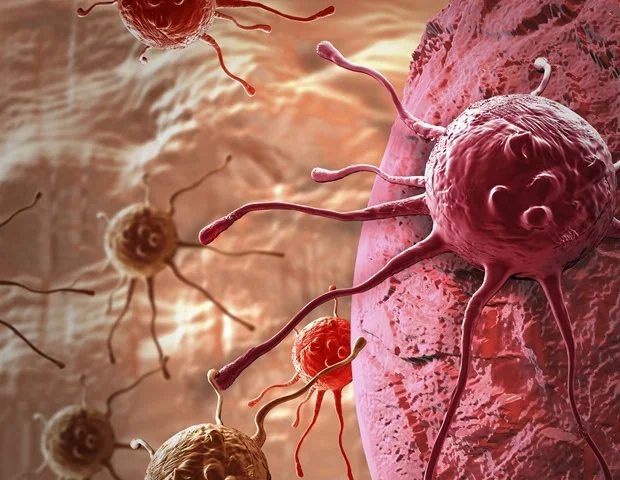
A new review highlights the growing importance of miR-23b, a small but powerful regulator of gene expression, in shaping the development and progression of a wide range of cancers. This molecule, part of the broader family of microRNAs, is increasingly recognized for its complex and sometimes contrasting influence on tumor behavior, offering fresh perspectives on how cancer can be better understood and managed.
The article brings together current knowledge on how miR-23b operates across multiple cancer types, including those affecting the digestive, reproductive, respiratory, and urinary systems. Its activity is shown to be highly dynamic, with the ability to either suppress or promote tumor growth depending on the biological context.
Central to its function is the ability of miR-23b to regulate critical cellular processes such as cell proliferation, migration, apoptosis, and angiogenesis. By interacting with key molecular pathways, including Wnt/β-catenin and PI3K/AKT signaling, it influences how cancer cells grow, spread, and respond to their environment. These pathways are widely associated with tumor development, placing miR-23b at the heart of essential biological mechanisms.
The review also underscores the dual nature of miR-23b, which can act as both a tumor suppressor and an oncogenic factor. In some cancers, it limits tumor progression by targeting harmful genes, while in others, it enhances malignancy by inhibiting protective cellular functions. This functional versatility reflects the complexity of cancer itself and highlights the importance of context in determining biological outcomes.
Beyond its biological roles, miR-23b is closely associated with key clinical features such as patient survival, disease progression, and treatment response. Its expression levels vary significantly between cancer types and stages, reinforcing its potential relevance in clinical decision-making.
Another notable aspect is its involvement in treatment resistance, where miR-23b influences how cancer cells respond to therapies. By modulating pathways linked to drug sensitivity and cellular adaptation, it plays a role in shaping treatment outcomes and may contribute to more personalised therapeutic strategies in the future.
Overall, this review positions miR-23b as a highly significant molecular factor with broad implications across cancer biology. Its diverse functions, widespread involvement, and clinical relevance make it a compelling focus for ongoing investigation and a promising avenue for future innovation in oncology.
Source:
Journal reference:
Xinyu Cai, Xueer Zheng, Zhenru Wang, Jiahua Mao, Minhe Shen, Shanming Ruan, MicroRNA-23b: Roles, functions and mechanisms in tumor, Genes & Diseases, Volume 13, Issue 4, 2026, 101853, https://doi.org/10.1016/j.gendis.2025.101853