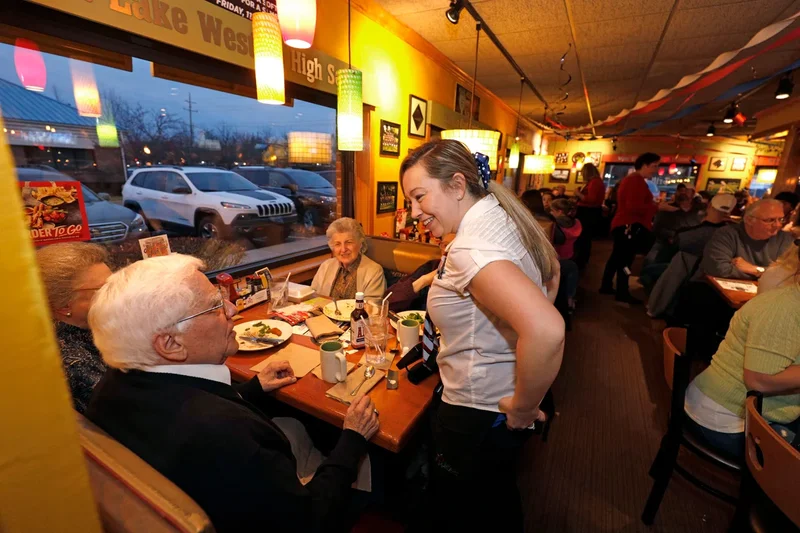
Applebee’s sales are down but IHOP saw a boost from customers who are focused on affordability, CEO of the restaurants’ parent company reported this week.
Dine Brands reported Wednesday that Applebee’s sales fell 1.5 percent while IHOP enjoyed a 1.8 percent sales boost in the second quarter of 2026.
IHOP, a popular breakfast spot famous for its pancakes, introduced a value menu that includes four breakfast entrees and one lunch option for $6 at most locations last September. The campaign, which started out Monday to Friday, was rolled out to all week by the end of the year.
Consumers are “focused on affordability and value,” something that IHOP was able to capitalize on, Dine Brands CEO John Peyton said in a statement.
Applebee’s, which offers lunch, dinner and late-night dining, also has value options. You can get one of two sandwiches, fries and a drink for $9.99 and a 2 for $25 promo for two people with a full appetizer and two entrees. But that wasn’t enough to keep the restaurant’s sales positive from April to June, according to the report.
Peyton did not address Applebee’s poor performance in his statement but did note that the company felt its brands made meaningful progress amid a thrifty consumer base.
It’s been a mixed year for Applebee’s. Sales were down in the second quarter but up 1.9 percent in the first quarter, with Peyton noting that the 2 for $25 deal and menu changes were the primary drivers of Q1 sales success.
Dine Brands, which also owns Fuzzy’s Taco Shop, saw revenue rise around $10 million year-on-year. The company opened 13 and closed 30 Applebee’s and IHOP restaurants in 2026.
Restaurants have faced tough times over the past two years as inflation has increased operating expenses and made customers more selective about how they spend their money.
Year-on-year customer traffic at U.S. restaurants has fallen in 16 of the past 17 months, according to an analysis by the National Restaurant Association.
Around half of restaurant owners said their sales were up year-on-year in June, while 31 percent said sales were down.
In the meantime, restaurants are facing uncertain economic conditions.
Wholesale food prices are 35 percent higher than they were six years ago, according to the restaurant association. While eggs and butter have seen year-on-year price declines, restaurant owners are paying nearly twice as much for fresh vegetables as they did a year ago.
Despite food costs growing in key areas, restaurants have raised their menu prices as modest 0.2 percent per month, the association said. Restaurants may find help in an unlikely place - inflation. The gap between the cost of groceries and dining out is shrinking.
“That trend could help support restaurant demand, as the relative cost advantage of purchasing food from grocery stores has become less pronounced, potentially making consumers more willing to spend on away-from-home meals,” the association said.