Youth gender dysphoria treatments to continue even as new guidelines are being rolled out
AI generated
SINGAPORE - Children and adolescents receiving treatment for gender dysphoria (GD) - the distress a person feels from a mismatched inner gender identity and birth sex - should continue to receive care under their existing managing clinicians.
This is to avoid the potential harm of an abrupt interruption, while upcoming treatment review panels are being formed to assess the cases under new treatment guidelines introduced on May 5, Health Minister Ong Ye Kung said in an Aug 5 parliamentary reply.
These guidelines for children and teens with GD now make psychological support the required first step before other treatments. Puberty blockers are not allowed under the new guidelines. Instead, these young patients have to be assessed and managed by a multi-disciplinary care team, which will also provide for a review panel.
He was responding to questions from Non-Constituency MP Eileen Chong, He Ting Ru (Sengkang GRC) and Victor Lye (Ang Mo Kio GRC), who sought clarity on the Ministry of Health’s (MOH) new treatment guidelines for youth with GD as well as the impact on those currently undergoing treatment.
He said MOH is working with the public healthcare institutions and private providers that are managing existing patients to develop treatment pathways in line with the guidelines.
“We will need some time to set up (the) panels, and schedule existing patients for review. While this is being done, existing treatment should continue under the care of the managing clinician to avoid the potential harm of an abrupt interruption,” said Ong.
“When ready, the panels will assess patients on an individual basis and a careful decision will be made on whether to continue or adjust their treatment plan,” Ong said.
These panels will comprise various experts. They include the psychologist, counsellor, and social worker involved in the patient’s care, as well as an independent psychiatrist, endocrinologist or paediatrician, and surgeon if surgical intervention is necessary. Additionally, the panel will include one non-treating medical specialist drawn from any of these professional groups.
It is an approach that will offer greater assurance in the long term that each patient will receive an appropriate diagnosis and treatment pathway, Ong said. “It enables us to better support young people with GD, while avoiding putting those without GD on a painful and irreversible path.”
Ong described GD as a psychiatric condition that requires careful and holistic management, particularly for young people who are still undergoing major physiological and psychological changes.
“Someone diagnosed with GD will require empathy, acceptance and support from their family and the wider community. The person will also need appropriate and effective clinical care,” he said.
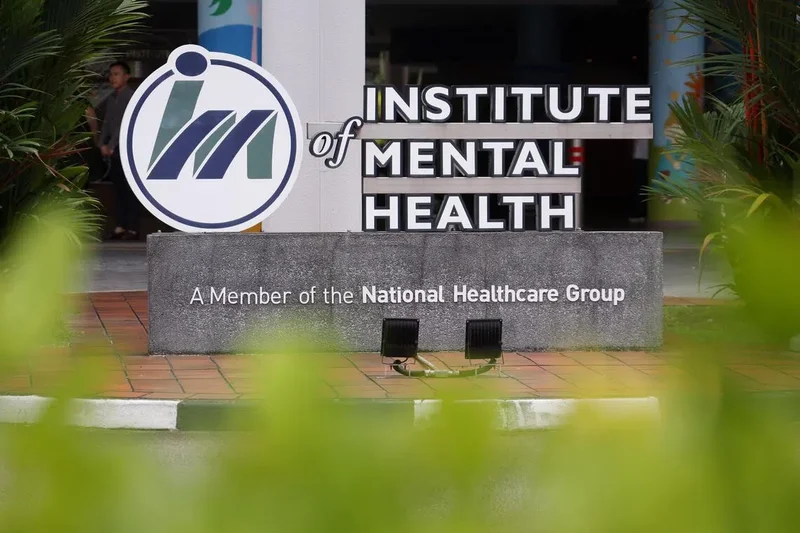
GD is a recognised clinical condition, with Singapore’s Institute of Mental Health diagnosing an average of around 65 patients below the age of 18 each year from 2021 to 2025.
Explaining the rationale for the new youth GD treatment guidelines, Ong said the risks are too big for a complex condition like GD to be managed solely at the primary care level.
“For individuals with GD, who remain undiagnosed or who are diagnosed but have treatment withheld, the consequences are severe,” Ong said. “On the other hand, for individuals without GD but given irreversible treatment, the consequences are also very severe.”
The diagnosis, Ong said, needs to be robust, and treatment decisions must be based on the best available clinical evidence and the patient’s best interests.
In his reply, he noted that the clinical management of GD in youths is an area of significant international debate, as the evidence base continues to evolve.
In developing the treatment guidelines, MOH had established multidisciplinary workgroups to review available published evidence and international reviews on the management of GD in children and adolescents.
Ong said the workgroups assessed the evidence on its merits, taking into account the quality of the available evidence and findings of independent reviews.
MOH’s treatment guidelines were based on expert consensus, clinical considerations and the available evidence, and were subsequently endorsed by the Academy of Medicine, Singapore before they were issued, Ong said.
They are aligned with the clinical policy position published by the National Health Service England in March 2024, which drew on the evidence review conducted by the National Institute for Health and Care Excellence in 2020.
The position has been further reinforced by a growing number of independent reviews – in New Zealand, Sweden, Norway, Denmark and Finland, Ong said.
The guidelines has sparked concern among LGBTQ+ advocacy groups, who worry about the treatment barriers and potential distress for youth with GD.
“Given our emphasis on continuity of care, MOH is not yet aware of patients who were unable to continue with their existing treatment,” Ong said.
Ong said MOH could not have complete information on the total number of patients with GD, as some individuals may seek care in the private sector, and it is not a notifiable condition.