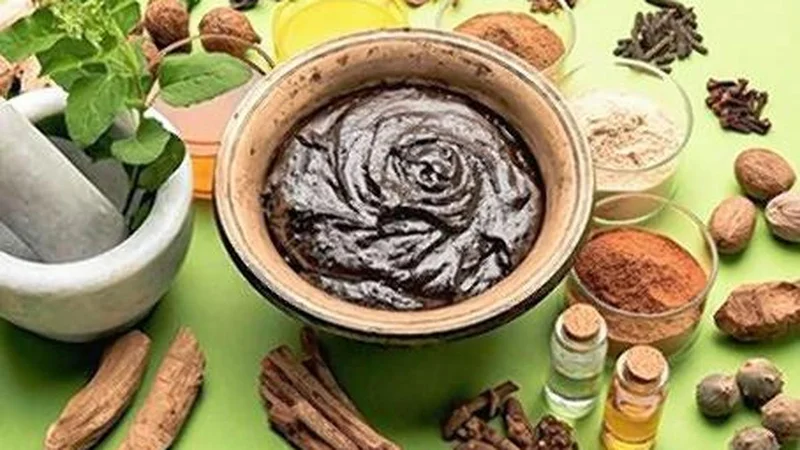
The Ayurvedic industry in Kerala is hopeful that the recent amendments to the Drugs and Cosmetics Rules, 1945, will boost their prospects.
Among the major changes brought about by the Centre include amendments to Rules 154 and 154A. As per these rules, licences acquired by the manufacturers had only periodic validity earlier and they had to be renewed every five years. Now, the licences issued under sub-rule (1) are permanently valid. The manufacturers believe that this could reduce administrative burden and bureaucratic delays and align with global lifetime licence practices. Rules 156 & 156A contained provisions for renewal and the conditions required for the purpose. Both are gone now.
The amendments to Rule 160B (2)(ii) mandates appointment of microbiologists with undergraduate and postgraduate degrees and quality control experience. This could strengthen product safety and quality control, and match with the World Health Organization’s Good Manufacturing Practices (GMP) norms, the manufacturers believe. Earlier, shelf-life of products was based only on real-time studies. As per Rule 161A(2A), the shelf life can be determined via accelerated stability studies (by exposing them to high stress conditions like heat, humidity, and light) in three to six months. Real-time validation needs to be submitted with an expiry period of one year. There were only limited testing labs earlier. Under Rules 163BB & 163C, Ayush autonomous labs can now act as central drug labs.
D. Ramanathan, general secretary of the Ayurvedic Medicine Manufacturers Organisation of India (AMMOI), says these amendments are “a progressive leap” for the Ayurveda manufacturing sector as it will be positioned closer to global herbal medicine standards. “They balance the ease of business with stringent quality assurance. These amendments will help enhance product quality and export business chances as well,” he adds.
Differing voice
Meanwhile, a former official of the State Drugs Control department points out that doing away with periodic licence renewal could affect the quality of the products. “We already have a poor regulatory system as the department is facing a severe shortage of drug inspectors who examine the quality of the products manufactured here. Along with this, drugs made in other States are now coming to Kerala in large numbers. With the scrapping of the periodic checking, the regulatory system will get further weakened,” he adds
The amendments, however, are also likely to pose challenges to smaller manufacturers, who may face financial and technical constraints in meeting upgraded GMP and digital traceability requirements.
Schedule M-1 earlier mandated only “clean premises.” Now, disinfecting steps, backflow prevention, dedicated facilities, controlled environment, filtered air, and quality control clearance are a must. Facility upgrades, integration of QR/barcodes listing the ingredients on the label, and implementation of microbiological quality standards may require infrastructure changes and capital investment, say AMMOI functionaries.
Published - August 06, 2026 08:23 pm IST