AI & Technology 24
-
Vercel AI SDK Powers Next-Gen Web Apps
 research →
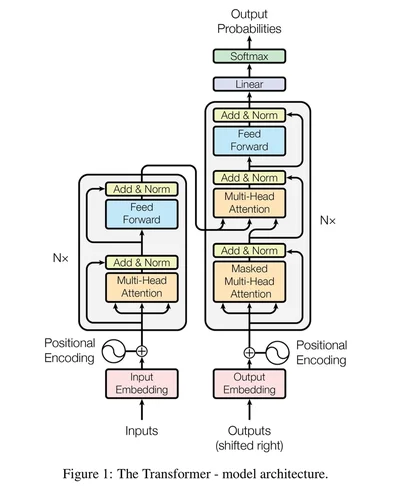
The Vercel AI SDK has become the go-to toolkit for building AI-powered web applications in 2026. Its open-source, TypeScript-based framework simplifies integrating large language models like OpenAI, Anthropic Claude, and Google Gemini with just a single line of code. By abstracting away complex streaming and provider differences, it lets developers focus on innovation, not infrastructure. As AI continues to reshape the web, Vercel’s SDK is setting the standard for seamless, edge-compatible AI experiences.
-
Tata Communications Leads Global WAN for 13 Years
 research →
Tata Communications has clinched the Leader spot in Gartner’s Magic Quadrant for Global WAN Services for the 13th consecutive year, showcasing unmatched vision and execution. Their cutting-edge AI-driven network fabric and expanded on-demand connectivity options are powering industries worldwide, from finance to IT. With investments in ultra-high capacity fibers and strategic global partnerships, Tata is setting the pace for the future of enterprise networking. The company’s relentless innovation signals that its dominance is far from over.
-
OpenAI Launches AI Tool to Fight Extremism
 research →
OpenAI is stepping up its safety game with a groundbreaking deradicalisation tool aimed at users showing violent extremist tendencies on ChatGPT. Developed in New Zealand by startup ThroughLine, this AI-human hybrid intervention will redirect flagged users to crisis support, tackling a rising wave of violence linked to online extremism. This move follows mounting lawsuits and government pressure, including a Canadian threat of intervention after a deadly shooting. The collaboration with The Christchurch Call signals a serious, global push to curb online hate. Next, we’ll watch how this tool performs in real-world scenarios and if it can truly defuse radicalization at scale.
-
Apple’s MacBook Pro Charger Sparks Compatibility Clash
 research →
Apple’s latest 140W USB-C charger for the 16-inch MacBook Pro with M5 chips has hit a snag: a subtle redesign of its plug now breaks compatibility with Apple’s own Power Adapter Extension Cable. The new slimmer, pill-shaped connector replaces the old triangular indent design, leaving some users unable to use their extension cables. This unexpected tweak has caused confusion, especially since Apple’s product page still claims compatibility. Buyers will be watching closely to see if Apple fixes this oversight or updates its accessories lineup.
-
BNW Defies Tech Layoff Trend
 research →
While tech giants like Oracle slash up to 30,000 jobs globally, including thousands in India, UAE’s BNW Developments takes a bold stand by pledging zero layoffs. With 650 employees, BNW commits to full salaries, promotions, and hiring despite global uncertainty. This rare move highlights a human-first approach amid widespread industry cuts. As Oracle invests heavily in AI, BNW’s stability strategy offers a striking contrast in turbulent times.
-
Laser Wireless Blasts Past 360 Gbps
 research →
A breakthrough in wireless tech has arrived: a laser-powered system now delivers blazing speeds of 360 Gbps while slashing energy use to half that of Wi-Fi. Developed by researchers and detailed in Advanced Photonics Nexus, this compact chip uses an array of semiconductor lasers to beam data with pinpoint precision, tackling the crowded and interference-prone radio waves that slow today’s networks. This could revolutionize connectivity in homes, offices, and public spaces, making lag and dead zones a thing of the past. Next up: scaling this tech for widespread indoor use and beyond.
-
Instagram Ignites India’s Political Firestorm
 research →
A 33-second Instagram video by Ankit Pandey, a 22-year-old Bajrang Dal worker, has set off a fierce political debate across India. Capturing men praying namaaz near a Mumbai train station, the clip questioned religious freedoms and quickly went viral, reaching over 370,000 followers through linked accounts. This incident highlights how Instagram is rapidly evolving into a powerful arena for political clashes in India. As social media shapes public opinion, authorities and activists alike are watching closely to see how this digital battleground will influence real-world tensions.
-
Meta’s Avocado AI Hits Pause Amid Pressure
 research →
Meta’s much-anticipated AI model, code-named Avocado, has been delayed due to performance concerns, signaling a stumble in the company’s AI ambitions. Despite Meta’s bold moves with Meta AI and LLaMa, Avocado’s hold-up raises questions about its ability to compete with giants like OpenAI and Google. This pause sparks fresh debate on balancing open-source ideals with profitability in AI development. The industry now watches closely as Meta recalibrates its strategy to regain momentum.
-
Arcee Unleashes Bold Open AI Powerhouse
 research →
Arcee, a San Francisco AI lab, just dropped Trinity-Large-Thinking, a massive 399-billion parameter model under the fully open Apache 2.0 license. This means anyone—from indie devs to giant corporations—can freely customize and deploy it, marking a rare U.S.-made alternative amid rising concerns over Chinese AI dominance. As enterprises seek trustworthy, sovereign AI infrastructure, Arcee’s move could reshape the landscape by championing American open-source innovation. The big question now: will this spark a new wave of open AI leadership in the U.S.?
-
Apple Gears Up for WWDC 2026 Reveal
 research →
After a whirlwind start to 2026 with over 10 new gadgets launched, Apple has yet to host a traditional live-streamed event this year. The tech giant’s next big moment is expected at WWDC 2026 in June, where it will unveil iOS 27 and a suite of new software updates. Meanwhile, fan excitement is bubbling with unofficial enamel pins celebrating Apple’s 50th anniversary and WWDC. With developer lottery notifications underway, all eyes are on June for Apple’s next big leap.
-
NASA’s Artemis II Marks Silicon Valley Shift
 research →
On April 2, 2026, NASA launched Artemis II, sending astronauts around the Moon for the first time in 54 years — a historic mission powered by the Space Launch System (SLS), the world’s most powerful rocket. This mission marks the last major NASA deep space flight without heavy Silicon Valley tech involvement, as SpaceX prepares for a staggering IPO valued over $2 trillion. The intertwining of government space efforts with private tech giants signals a new era in space exploration. Next up: how SpaceX’s IPO reshapes the future of space investment and innovation.
-
Wi-Fi 6E Unlocks New Wireless Frontier
 research →
The battle between Wi-Fi 6 and Wi-Fi 6E is more than just a speed race. Wi-Fi 6E breaks new ground by adding the 6GHz band, offering a massive 1,200 MHz of fresh spectrum that cuts through the crowded 2.4GHz and 5GHz airwaves. This leap means less interference and congestion, especially in dense urban or office environments. For anyone upgrading their network, Wi-Fi 6E isn’t just an upgrade—it’s a game changer that could redefine your wireless experience.
-
AI SaaS Niches Set to Explode by 2026
 research →
AI-powered SaaS is gearing up for a $1.8 trillion market by 2030, but the real winners will be those who replace entire workflows, not just slap AI onto existing tools. Experts highlight 10 high-growth niches—like AI writing assistants tailored for legal and healthcare sectors—that meet strict filters for defensible data and existing budgets. Meanwhile, savvy freelancers are leveraging AI to multiply their income without building products or teams, proving that AI-driven services can outperform traditional software sales. The race is on for innovators to claim these untapped opportunities before 2026 hits.
-
AI Companions Revolutionize Human Interface
 research →
AI companions are poised to transform how we interact with technology—not by making devices more physically present, but by cutting through the noise of information overload. As people drown in data yet struggle to act, these AI partners promise to help synthesize thoughts and craft clear plans, tackling the real barrier to progress: overwhelm. This shift could redefine convenience, making AI a thoughtful collaborator rather than just a tool. The next step? Watching how these companions evolve to truly understand and support human goals.
-
TSMC Drives $320B Semiconductor Surge
 research →
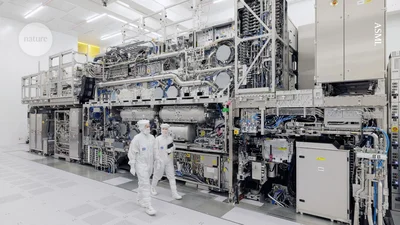
The global semiconductor foundry market smashed records in 2025, hitting a staggering $320 billion in revenue with a 16% growth spurred by booming AI chip demand. TSMC dominated with 38% market share, growing over four times faster than rivals, fueled by AI GPUs and custom ASICs. This surge underscores the critical role of advanced chipmaking in powering AI’s future. Industry watchers now eye how competitors will respond to TSMC’s widening lead.
-
US AI Boom Stalls on Chinese Parts
 research →
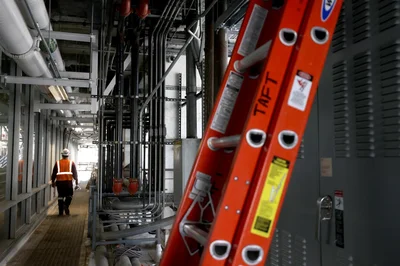
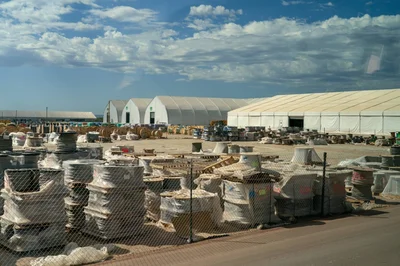
In Abilene, Texas, a colossal AI data center powered by OpenAI is rising, promising to fuel the AI revolution with 1.2 gigawatts of electricity. Yet, despite over $650 billion pledged by tech giants this year, America's AI ambitions are tangled by a critical dependency on Chinese electrical components. Meanwhile, shifting US chip export rules and local opposition to data centers, like in California, add layers of uncertainty. The race for AI supremacy is not just about money or tech—it's a geopolitical and social maze that’s far from solved.
-
IBM and Arm Unite to Revolutionize AI Computing
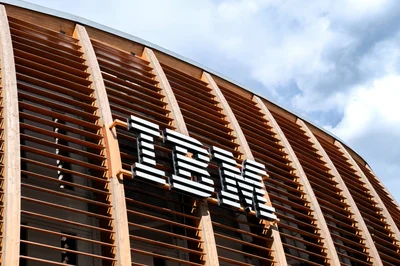 research →
IBM and Arm have joined forces to create groundbreaking dual-architecture hardware that lets enterprises run AI and data-heavy workloads with unmatched flexibility and security. This collaboration blends IBM's rock-solid enterprise systems with Arm's power-efficient designs, aiming to break down barriers between legacy and modern AI applications. The move promises to reshape how businesses deploy critical workloads, making it easier to integrate new AI tech without scrapping existing infrastructure. Next up: rolling out these hybrid platforms on IBM Z and LinuxONE mainframes to power the future of enterprise computing.
-
Quantum Leap in Fluid Dynamics Simulation
 research →
Finnish firm Quanscient and middleware developer Haiqu have shattered records by running the most complex quantum fluid simulation yet on IBM’s Heron R3 quantum computer. Their new One-Step Simplified Lattice Boltzmann Method (OSSLBM) algorithm tackled a 15-step nonlinear fluid flow around an obstacle, a problem critical for aircraft and vehicle design. This breakthrough slashes qubit and circuit demands, pushing industrial computational fluid dynamics closer to quantum reality. The next step? Scaling up for real-world engineering challenges.
-
Local AI App Unifies Chat, Images, Video
 research →
Tired of juggling multiple local AI tools? Locally Uncensored is here to simplify your life by combining chat, image generation, and video creation into one sleek desktop app—no cloud, no Docker, just pure local power. This breakthrough means faster workflows, enhanced privacy, and zero reliance on internet connectivity. As local AI gains momentum, this all-in-one solution could redefine how creators and developers harness AI on their own machines.
-
Auto Unions Demand AI Job Protections
 research →
At a rally near Seoul’s Cheong Wa Dae, Korean Metal Workers’ Union leaders representing Hyundai, Kia, and GM Korea slammed the rapid AI-driven automation push, warning it threatens thousands of jobs without a safety net. They’re calling for a government-industry task force to ensure workers aren’t sacrificed as factories go humanoid-robot and unmanned. This showdown spotlights the human cost behind Korea’s AI ambitions and sets the stage for tough negotiations ahead.
-
Old GPUs Fuel AI Server Boom
 research →
AI server demand is defying expectations as older GPUs from the late 2010s remain hot commodities, according to CoreWeave's CDO Brannin McBee. Despite the AI industry's push for cutting-edge tech, many workloads don’t need the latest chips, keeping prices for Ampere and Hopper GPUs steady or rising through 2025. This trend shows a savvy market matching hardware to task, ensuring older gear stays profitable while new-gen GPUs also see soaring demand. The AI hardware landscape is diversifying, signaling a robust ecosystem for both legacy and fresh tech.
-
China’s AI Chips Surge, Nvidia’s Grip Slips
 research →
China’s homegrown AI chipmakers like Huawei and Cambricon have surged to control 41% of the domestic AI server market in 2025, sharply cutting into Nvidia’s once-dominant 55% share. This shift marks a major win for China’s push to build a local AI supply chain amid U.S. export restrictions. Huawei’s launch of a massive AI cluster powered by 10,000 Ascend 910C chips—offering 11,000 petaflops—signals growing self-reliance. As China’s AI hardware gains steam, Nvidia faces mounting pressure to resume shipments despite political headwinds.
-
Jury Blames Meta, Google for Kid’s Harm
 research →
In a groundbreaking decision, a jury found Meta and Google responsible for contributing to a young woman’s mental health struggles through addictive social media design. The verdicts, handed down in New Mexico and California, mark a seismic shift in how Big Tech’s role in user wellbeing is viewed. Both companies have vowed to appeal, setting the stage for a high-stakes legal battle that could reshape online platforms and free speech debates. The world is watching as this case could redefine accountability in the digital age.
-
Meta’s AI Squad Aims to Hook You Harder
 research →
Meta, under Mark Zuckerberg, has assembled an elite AI team called MRS Research to supercharge Instagram and Facebook feeds, making them even more addictive. Led by ex-TikTok star Yang Song, this unit is tasked with refining AI-driven recommendations to keep users glued longer. This move follows Meta’s recent legal hit over teen addiction, highlighting the high stakes. Expect your social scroll to get smarter—and stickier—as AI takes center stage.



























World Politics 10
-
UN Faces Crisis Over Iran War Fallout
 research →
The United Nations is grappling with its gravest peace and security crisis since World War II, sparked by the US and Israel's war against Iran. Despite Iran's harsh domestic crackdown, international law forbids military attacks without UN Security Council approval or self-defense justification—both absent here. Iran’s warning against provocative UN actions over the Strait of Hormuz adds fuel to the fire, as a critical resolution vote was postponed amid escalating tensions. The world watches closely as the Security Council struggles to navigate this volatile standoff and prevent further escalation.
-
Lee and Macron Forge Strait of Hormuz Pact
 research →
South Korean President Lee Jae Myung and French President Emmanuel Macron sealed a strategic partnership in Seoul, pledging to secure safe passage through the Strait of Hormuz amid Middle East turmoil. Their agreement tackles the ripple effects on global energy and economic stability, with a focus on nuclear and offshore wind power cooperation. Beyond maritime security, the summit also advanced ties in AI, space, and trade, signaling a robust alliance ready to confront global uncertainties. This marks a pivotal step as both nations prepare to jointly navigate the fallout from ongoing conflicts.
-
Italian Interior Minister's Affair Sparks Cabinet Crisis
 research →
Italy’s political scene is in turmoil as Claudia Conte, a former model turned journalist, publicly claims an affair with Interior Minister Matteo Piantedosi, just a week after PM Giorgia Meloni suffered a referendum defeat. The scandal deepens as Conte was appointed to a parliamentary security commission without pay, raising questions about favoritism. With Meloni already reeling from a minister’s mafia links, this new revelation threatens to destabilize her government further. The coming days will reveal if Meloni can weather this storm or face mounting calls for accountability.
-
China Pushes Peace Plan Amid Middle East Chaos
 research →
China has unveiled a bold five-point plan to restore peace in the Middle East, aiming to position itself as a key mediator amid escalating conflict. Despite overshadowing headlines like NASA’s moon missions and Donald Trump’s fiery threats against Iran, Beijing’s peace pitch struggles with credibility and skepticism from global powers. Still, China’s calls for ceasefire and safe passage through the Strait of Hormuz signal a strategic push to reshape its role on the world stage. The coming weeks will test whether China can turn its peace rhetoric into real influence or remain sidelined.
-
Sachs Sounds Alarm on Iran Oil Crisis
 research →
A month into the Iran conflict, renowned economist Jeffrey Sachs warns that the crisis is choking global oil supplies via the strategic Strait of Hormuz, threatening economic shockwaves worldwide. Sachs sharply criticizes President Donald Trump and PM Benjamin Netanyahu for launching the conflict against expert advice, highlighting a dangerous breakdown in US checks and balances. With oil production plummeting and the UN Security Council poised to vote on protective measures, the world braces for escalating tensions and economic fallout.
-
Russia Warns of Peak Global Conflict
 research →
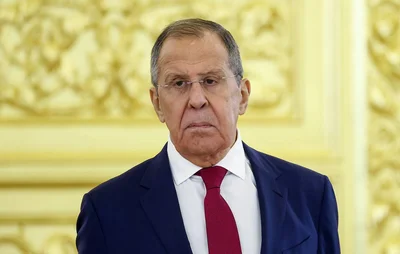
Russia’s Deputy Foreign Minister Sergey Ryabkov declared that the world is currently experiencing its highest level of conflict intensity, warning that forceful interventions will ultimately fail. He criticized the U.S. for undermining international law, especially after the recent U.S.-Israel strike on Iran. This stark assessment underscores rising global tensions and hints at Russia’s push for a multipolar world order. Meanwhile, Moscow signals readiness to mediate and ease the Iran crisis, keeping diplomatic channels open.
-
Trump Threatens NATO Exit Over Iran War
 research →
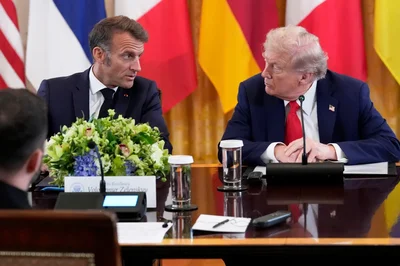
US President Donald Trump has escalated tensions within NATO by threatening to withdraw from the 76-year-old alliance after European allies refused to join the US-Israeli effort to secure the Strait of Hormuz amid the war with Iran. Trump’s frustration over what he calls a “one-way street” alliance exposes deep fractures, risking NATO’s unity at a critical moment. Analysts warn this could leave NATO weaker than ever, raising urgent questions about the future of Western security cooperation.
-
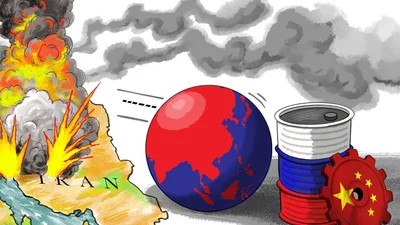
Energy Shifts Redraw Global Power Maps
 research →
At a high-profile panel moderated by Stanly Johny of The Hindu, experts including Air Marshal M. Matheswaran and Commodore R.S. Vasan dissected how the Iran war and Ukraine conflict are reshaping energy security and geopolitics. With India importing nearly 85% of its oil, vulnerabilities have surged, spotlighting energy as a critical lever of global influence. Meanwhile, East Asia’s strategic landscape is quietly realigning as powers jockey for control amid disrupted supply chains and soaring gas prices. The big takeaway? The global energy scramble is accelerating a tectonic shift in international power dynamics with no quick fixes in sight.
-
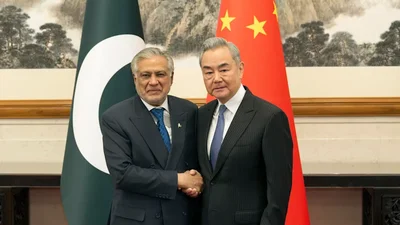
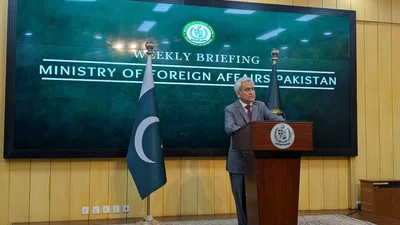
Pakistan Steps Up as Iran War Mediator
research →
Pakistan has flipped its global image from diplomatic outcast to key peace broker, now mediating between the US and Iran to end the Middle East war. With high-profile meetings including a rare White House lunch between Field Marshal Asim Munir and President Donald Trump, Pakistan is leveraging its unique position to balance US-China ties. Despite hurdles and tough rhetoric from Washington, Islamabad remains committed to hosting talks and pushing a China-backed peace plan. The world watches as Pakistan tries to turn conflict into dialogue and stability.
-
Iran-US Talks Stall Amid Deep Distrust
 research →
Iranian Foreign Minister Abbas Araghchi revealed that while messages have been exchanged with the U.S. during their ongoing conflict, these are far from formal negotiations due to a profound lack of trust rooted in Washington’s 2018 nuclear deal withdrawal. Tehran dismisses U.S. envoys like Jared Kushner as untrustworthy, viewing talks as mere tactical pauses exploited by America to regroup. This stalemate underscores the fragile state of diplomacy and hints at a prolonged deadlock with no immediate resolution in sight.











Business & Economy 17
-
Trump Slaps 100% Tariff on Pharma Imports
 research →
President Donald Trump has unleashed a bold new trade move, imposing a 100% tariff on patented pharmaceuticals made abroad unless companies commit to building plants in the U.S. This aggressive push aims to reshore drug manufacturing and reduce foreign dependency, with firms given 120 to 180 days to present reshoring plans. Those who cooperate face a reduced 20% tariff, while some trade partners pay 15%. The move could reshape the global pharma landscape and trigger tense negotiations ahead.
-
74% of Shoppers Now Rely on AI
 research →
A groundbreaking study by NielsenIQ and Kearney reveals that 74% of consumers incorporate AI into their shopping journeys, with 54% using it for research and 20% relying on AI directly to shop. This surge is reshaping the fast-moving consumer goods sector, especially in pet care, personal care, and wellness categories where AI-driven discovery is booming. Experts highlight the rise of “agentic commerce,” where AI assistants influence product choices and rankings on retail platforms. As AI becomes a shopping staple, the retail landscape is set for a tech-fueled transformation.
-
Japan Warns: FX Volatility Sparks Intervention Threat
 research →
Japanese Finance Minister Satsuki Katayama has issued a sharp warning as the yen flirts with the 160-per-dollar mark, signaling the government’s readiness to clamp down on speculative trading amid surging FX volatility. The rapid decline in the yen has rattled Tokyo, with officials stressing that market swings are impacting everyday livelihoods and the broader economy. Traders now brace for potential yen-buying interventions, as authorities vow to act decisively to stabilize the currency. The coming days could see Tokyo stepping up its market defenses to tame the wild swings.
-
Gold Shines Amid De-dollarisation Shift
 research →
Gold is reclaiming its monetary spotlight as global trust in the dollar wavers amid geopolitical tensions and de-dollarisation trends. Unlike past panic-driven surges, central banks are steadily hoarding gold, signaling a strategic, long-term pivot away from dollar dominance. This shift reflects a broader move toward a more multipolar global economy, reshaping how nations safeguard wealth. With geopolitical risks simmering, gold’s role as a financial safe haven looks set to deepen.
-
Midwest Food Pantry Shuts, 300K Families Struggle
 research →
Ruby’s Pantry, a vital food network serving over 300,000 families across Iowa, Minnesota, North Dakota, and Wisconsin, has abruptly closed all 87 locations. The sudden shutdown leaves thousands scrambling amid rising grocery prices fueled by the ongoing Iran war. Financial strain forced the pantry to halt operations immediately, highlighting growing food insecurity in the heartland. As communities reel, questions mount about how families will fill their tables in the coming months.
-
Central Banks Grapple with Inflation Puzzle
 research →
Central banks worldwide face a daunting challenge: deciphering how businesses, unions, and households are reacting to a fresh energy shock triggered by the Iran war. With inflation pressures mounting, policymakers hesitate to raise interest rates without clear signs that soaring energy costs will broadly push prices higher. Despite advanced tools and surveys, measuring inflation expectations remains more art than science, forcing central bankers to tread carefully to avoid costly policy mistakes. The coming weeks will reveal whether they gain the clarity needed to act decisively or remain stuck in uncertainty.
-
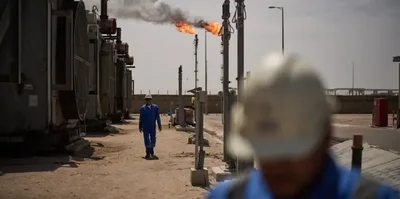
India’s Crude Hits 4-Year Peak Amid Iran War
 research →
India’s crude oil price surged to $113.49 a barrel in March, marking a four-year high driven by supply disruptions from the ongoing conflict in West Asia. The spike strains Indian refiners, who faced costs above $120 per barrel in early April, while global prices hover near $107. With OPEC+ considering boosting output soon, the world watches to see if this move can tame soaring energy costs. The Iran war’s ripple effects continue to unsettle markets, threatening prolonged volatility.
-
Retail Sales Plunge Amid ‘Trumpflation’ Storm
 research →
Retailers are reeling as sales plunged nearly 8% year-on-year by the end of March, battered by the triple threat of ‘Trumpflation’, Labour’s tax hikes, and a minimum wage increase. Shoppers are tightening their belts, wary of economic uncertainty and geopolitical tensions. Despite a slight overall retail growth of 0.8% earlier in March, the mood has sharply soured, signaling a tough road ahead for the high street. Experts warn this painful squeeze could deepen unless consumer confidence rebounds soon.
-
Everest Guides Poison Tourists in $20M Scam
 research →
In a shocking $20 million scam, 32 individuals including Everest guides, helicopter operators, and hospital staff have been charged with poisoning trekkers to fake medical emergencies and trigger costly helicopter rescues. The scam involved secretly adding baking soda and other substances to tourists' food, causing symptoms mimicking altitude sickness. Authorities say forged documents helped bill international insurers for bogus evacuations. This scandal threatens Nepal’s climbing season and could shake global trust in Everest rescue operations.
-
Stocks Swerve as Iran War Heats Up
 research →
Wall Street is riding a rollercoaster amid the escalating Iran conflict. After President Donald Trump's tough talk sent oil prices soaring above $110 a barrel, stocks tumbled early Thursday, reflecting fears of a prolonged war. Yet, dip-buyers quickly jumped back in, showing investors’ nerves and hopes are tangled. Morgan Stanley now urges caution, advising a defensive stance as uncertainty clouds the market’s horizon. The coming weeks could be a wild ride for portfolios as geopolitical tensions deepen.
-
US Farmers Brace for Crisis Amid Iran War
 research →
Fourth-generation Iowa farmer Mark Mueller warns America is on the brink of a farm crisis as soaring fertilizer costs and global conflicts squeeze margins. With 315 farm bankruptcies in 2025, up 46% from the previous year, many farmers are struggling to stay afloat. The Iran war is now intensifying these pressures, threatening the backbone of US agriculture. Experts say the coming months will be critical for farmers and the food supply chain.
-
Trump’s Iran War Speech Sends Oil Soaring
 research →
President Donald Trump’s tough Iran war speech shattered hopes for a quick end, sending oil prices surging as markets brace for prolonged conflict. With over 600 million barrels of crude at risk and nearly a billion barrels lost by month’s end, energy supplies face severe disruption. Traders are now preparing for months of volatility, while peace talks suffer a blow after US-Israeli strikes hit a key Iranian diplomat. The world watches nervously as the war’s economic and diplomatic fallout deepens.
-
Trump’s Stark Speech Slams Asian Stocks
 research →
Asian markets plunged sharply after President Donald Trump delivered a hardline speech on the Iran war, wiping out a historic rally from the previous day. Key indexes like South Korea’s KOSPI fell 4.5%, Japan’s Nikkei dropped 2.4%, and India’s Sensex slid nearly 2% as investors digested the grim outlook. Trump’s vow to hit Iran “extremely hard” over the next weeks dashed hopes for a quick ceasefire, sparking a surge in oil prices above $110 a barrel. The fallout signals a tense period ahead for global markets as geopolitical risks mount.
-
Anthropic’s AI Leak Shakes Industry
 research →
Anthropic accidentally leaked 3,000 confidential files revealing their ultra-powerful 10-trillion-parameter AI model, Claude Mythos, months before its planned debut. This blunder sent cybersecurity stocks tumbling and rattled the AI startup ecosystem, exposing shaky token valuations. Meanwhile, OpenAI is doubling down with its upcoming Spud model, promising a leap toward AGI. The leak not only embarrasses Anthropic but signals a high-stakes race heating up in AI innovation. Expect more fierce competition and rapid developments ahead.
-
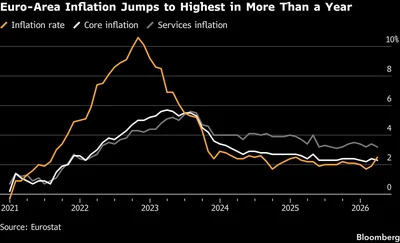
ECB Warns Iran War Threatens Eurozone Growth
 research →
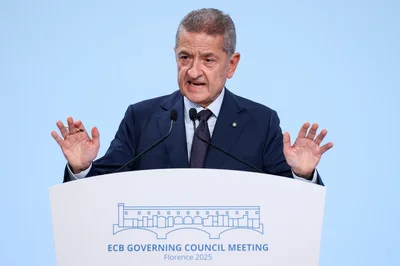
The European Central Bank is sounding alarms as the Iran war pushes the eurozone economy toward a grim outlook. Governing Council member Francois Villeroy de Galhau says the conflict is nudging the region closer to the ECB’s adverse scenario, making an interest rate hike likely. Meanwhile, members like Gediminas Simkus urge caution, noting the situation is evolving daily. Even if the war ends soon, Fabio Panetta warns the economic damage is already done. Markets now brace for tough policy decisions as uncertainty looms.
-
India’s Top Insurers Stay Systemic Pillars
 research →
LIC, New India Assurance, and GIC have once again been named Domestic Systemically Important Insurers (D-SIIs) by the IRDAI for 2025-26, underscoring their critical role in India’s financial stability. These state-owned giants are so vital that any disruption in their operations could ripple through the entire economy. The IRDAI’s move means these insurers will face tighter regulatory oversight to ensure sound governance and risk management. This continuity signals steady confidence in India’s insurance backbone as the sector braces for evolving challenges ahead.
-
Warren’s Ultra-Wealthy Tax Shakes Up Debate
 research →
Senator Elizabeth Warren has unveiled her Ultra-Millionaire Tax, proposing a 2–3% levy on the ultra-wealthy that could rake in trillions for the government. This bold move has ignited fierce debate over its legality and fairness, spotlighting the growing wealth gap and offshore tax havens. As the nation watches, the proposal could redefine how America tackles extreme wealth inequality and tax avoidance.




















Crypto & Fintech 21
-
Alpha Ladder, Maqam Launch RWA Token JV
 research →
Alpha Ladder Group and Maqam International Holding have teamed up to create a joint venture focused on real-world asset (RWA) tokenisation and digital payments across the MENA region. This partnership leverages MetaComp’s recent $35 million funding and proven Web2.5 Pay + Wealth platform, aiming to revolutionize cross-border finance between Singapore and the UAE. With MetaComp already profitable and flush with $100 million liquidity, this JV is poised to accelerate digital asset adoption in a high-growth corridor. Next up: rolling out seamless, institution-backed payment infrastructure across the region’s priority markets.
-
Bitcoin Supply Dips Toward Bear Market Depths
 research →
Bitcoin’s supply in profit is shrinking fast, now hovering near levels last seen during a true bear market, according to CryptoQuant analyst Darkfost. With about 11.2 million BTC in profit and 8.2 million BTC underwater, the market’s pain is palpable, echoing the lows of late 2022 and the previous bear cycle. This signals mounting pressure and raises the question: is Bitcoin nearing its bottom or bracing for more turmoil? Investors will be watching closely as global economic and geopolitical tensions continue to weigh on crypto sentiment.
-
IMF Flags New Risks in Tokenized Finance
 research →
The International Monetary Fund has spotlighted the double-edged sword of tokenization in finance. While this technology promises to slash friction and boost transparency, the IMF warns it also introduces fresh risks that could shake financial stability. With over $27.6 billion in real-world assets already tokenized and projections soaring up to $16 trillion by 2030, regulators and markets face a critical balancing act. The next steps will focus on managing these novel risks without stifling innovation.
-
Stablecoins Outpace ACH in Payment Volume
 research →
In a groundbreaking shift, stablecoin transactions hit $7.2 trillion in February, surpassing the US Automated Clearing House (ACH) network's $6.8 trillion volume for the first time. This milestone, reported by Artemis analytics, signals stablecoins' rising dominance as a 24/7, borderless payment backbone, free from traditional banking constraints. Analyst Alex Obchakevich highlights stablecoins as the quiet engine reshaping global payments. As this trend accelerates, expect stablecoins to further challenge conventional financial systems and expand their role in everyday transactions.
-
Riot Dumps 3,778 BTC Amid Market Squeeze
 research →
Riot Platforms, a leading Bitcoin miner, sold 3,778 BTC in Q1 2026, netting nearly $290 million as profitability pressures mount. Despite producing 1,473 BTC this quarter, Riot’s aggressive sales highlight the growing strain on crypto miners amid volatile prices. With Bitcoin trading below their average sale price, Riot’s moves signal a cautious stance in a turbulent market. The industry now watches closely to see if this selling wave continues or if miners will hold steady.
-
Inside Crypto Lending: How It Really Works
 research →
Ever wondered why crypto lending offers sky-high returns compared to traditional banks? Crypto lending platforms operate like peer-to-peer marketplaces, where lenders post loan offers and borrowers snap up the cheapest deals, driving dynamic interest rates that spike during market volatility. This behind-the-scenes look reveals the tech mechanics powering those juicy 5-15% APYs, far above the usual 0.5% banks offer. As crypto markets evolve, expect these lending models to get smarter and more adaptive, reshaping how we think about borrowing and lending.
-
Tech Giants Unite to Standardize AI Payments
 research →
The newly launched x402 Foundation, backed by heavyweights like Google, Microsoft, Amazon Web Services, and Coinbase, aims to set the global standard for agentic AI payments across crypto and fiat systems. Hosted by the Linux Foundation, this open-source initiative promises a neutral, community-driven platform for ultra-microtransactions powered by AI agents. As AI-driven commerce surges, x402 could revolutionize how machines pay, making tiny, rapid transactions seamless. Next up: expanding developer support and ecosystem adoption to reshape digital payments forever.
-
AI Agents Spark New Marketplace Revolution
 research →
AI agents have evolved from simple tools into independent economic players, now relying on each other’s services to complete complex tasks without human input. This shift has created an urgent need for a dedicated marketplace to discover, verify, and pay these agents seamlessly. Enter AiPayGen, a new platform hosting 142 agents across 27 categories, empowering developers to monetize their creations while buyers test agents instantly with free credits. As AI agents become intertwined in daily digital workflows, this marketplace could redefine how automated services are bought and sold.
-
Flutterwave Secures Nigerian Banking License
 research →
Flutterwave, Africa’s payments powerhouse, has just scored a Nigerian banking license, marking a bold leap beyond payments into full microfinance services. This move lets them hold deposits and lend directly, cutting out middlemen and speeding up transactions for millions. CEO Olugbenga Agboola calls it a defining moment in their 10-year journey, promising faster, more reliable financial services. Now, Flutterwave is poised to reshape Nigeria’s financial landscape and accelerate fintech innovation across Africa.
-
Polymarket Revolutionizes Trading with Real-Time Markets
 research →
Polymarket just turbocharged prediction markets by launching daily contracts tied to equities, commodities, and ETFs, all powered by Pyth Network’s live blockchain price feeds. This means traders can now bet on real-time outcomes for giants like Tesla, Nvidia, and Apple, plus gold and oil, with automatic settlements at day’s end. By ditching manual price checks for Pyth’s aggregated data, Polymarket is setting a new standard for transparency and speed. Next up: watch how this reshapes market betting with instant, reliable info streaming live on the new Pyth Terminal.
-
Midnight Mainnet Ignites Privacy Revolution
 research →
Midnight Network has officially launched its mainnet on March 30, 2026, marking a major leap for blockchain privacy. This fourth-generation platform pioneers programmable privacy with zero-knowledge proofs and selective disclosure, enabling developers and institutions to build truly private Web3 apps. While starting as a federated mainnet, this 'guarded era' sets the stage for a robust, privacy-first ecosystem. Next up: expanding decentralization and scaling developer tools to unlock Midnight’s full potential.
-
X Platform Cracks Down on Crypto Scams
 research →
Elon Musk’s X is rolling out a bold new defense against crypto scams by auto-locking accounts that mention cryptocurrency for the first time. This move aims to snuff out phishing attacks that hijack accounts to push fraudulent tokens, a plague that’s cost users dearly. Head of Product Nikita Bier says this will kill 99% of the scammer’s incentive, forcing extra verification before posting again. With crypto fraud still rampant, this could be a game-changer for user security on the platform.
-
North Korean Hackers Drain $285M from Drift
 research →
Drift Protocol, Solana’s largest decentralized perpetual futures exchange, suffered a staggering $285 million exploit linked to North Korea’s DPRK hacker group, according to Elliptic. The attacker seized admin keys, manipulated worthless tokens as collateral, and bypassed security controls to drain funds. This breach highlights glaring cybersecurity gaps beyond smart contract flaws in DeFi projects. With the token price plunging over 40%, the crypto world is watching closely as investigations continue and calls for stronger defenses grow louder.
-
Crypto Markets Plunge Amid Middle East Tensions
 research →
Crypto markets took a sharp hit as Bitcoin slid below $66,700 and Ether dropped over 4%, driven by escalating war threats from U.S. President Donald Trump against Iran. The conflict fears sent oil prices surging past $108 a barrel, rattling risk assets globally. Analysts warn Bitcoin could revisit $10,000 if the turmoil persists, while Ether faces pressure to hold above $2,150 or risk deeper losses. Traders are bracing for a volatile few weeks as geopolitical tensions and oil shocks weigh heavily on crypto sentiment.
-
Memecoin Messiah Battles $60M Loss
 research →
Murad Mahmudov, dubbed the “Memecoin messiah,” has racked up nearly $60 million in losses over nine months betting on the memecoin SPX6900. Despite technical charts warning of a 20% drop ahead, Mahmudov remains bullish, predicting a staggering 400,000% surge that would push SPX6900’s market cap to $1 trillion—a feat only Bitcoin has achieved so far. His unwavering faith in this memecoin’s rise keeps the crypto world watching closely. Will this bold bet pay off or become a cautionary tale in crypto history?
-
Soluna Powers AI with $53M Texas Wind Farm
 research →
Soluna Holdings just sealed a $53 million deal to acquire the Briscoe Wind Farm in Texas, aiming to fuel its new AI data center, Project Dorothy 3. This 300 MW facility marks a bold pivot from crypto mining to renewable-powered AI infrastructure, promising annual revenues up to $24.4 million. Investors are buzzing, with shares jumping 7.6% on the news. As energy markets tighten globally, Soluna’s move highlights a growing trend to marry green energy with cutting-edge tech. Next up: watching how this clean power boost shapes AI’s future footprint.
-
Crypto Custody Race Heats Up
 research →
Coinbase and EDX Markets are racing to secure national trust charters from the U.S. OCC, signaling a major push toward federally regulated crypto custody. This move aims to untangle the fragmented institutional crypto ecosystem, where over $200 billion in assets face operational friction and risk. As crypto custody evolves beyond mere safekeeping to seamless asset mobility, these charters could redefine how institutions trade, hedge, and manage liquidity. The next step: final regulatory approvals that could reshape crypto’s integration with traditional finance.
-
Liquidity Drives Tokenization’s True Power
 research →
Sebastián Serrano, CEO of Ripio, argues that tokenization’s real value lies not in novelty but liquidity. The crypto world’s early focus on niche, illiquid assets missed the mark, while stablecoins pegged to the US dollar have soared by tapping into massive demand. Now, tokenization is expanding to other liquid assets like Treasury bills and stocks, proving liquidity is the key to turning tokenization from a gimmick into financial infrastructure. The next wave will likely deepen this trend, reshaping how mainstream finance embraces blockchain.
-
SoFi Launches 24/7 Crypto Cash Hub
 research →
SoFi just flipped the script on business banking by unveiling a platform that lets companies juggle dollars and crypto anytime, day or night. Their new SoFi Big Business Banking service merges traditional cash with stablecoins like SoFiUSD inside one regulated bank, slashing wait times from days to seconds. This could be a game-changer for firms needing instant fund moves in a 24/7 market. Next up: watch how this reshapes the way crypto businesses handle liquidity and speed in real time.
-
Feds Bust Crypto Wash Trading Ring
 research →
Federal prosecutors in California have charged 10 individuals linked to firms like Gotbit and Vortex for orchestrating wash trading schemes that artificially inflated crypto prices and volumes. The bust follows an undercover FBI sting where agents created a token to expose manipulation services. Experts warn wash trading remains rampant, especially with smaller tokens and unregulated exchanges, posing ongoing risks for investors. This crackdown signals a tougher stance on crypto market manipulation, but the battle is far from over.
-
Trump’s Iran Speech Sends Bitcoin Tumbling
 research →
Bitcoin plunged from around $68,600 to $66,200 after President Donald Trump’s fiery prime-time address promising to hit Iran “extremely hard” over the next few weeks. The speech shattered hopes for a ceasefire, sending oil prices surging above $104 a barrel and wiping out Bitcoin’s recent gains. This volatile reaction underscores how geopolitical tensions still rattle crypto markets. Investors will be watching closely as Operation Epic Fury nears its next phase.


































War & Conflicts 19
-
South Korea Vows Truth on Jeju Massacre
 research →
Prime Minister Kim Min-seok and President Lee Jae Myung have reignited efforts to uncover the full truth behind the 1948 Jeju massacre, where up to 30,000 civilians were killed during a brutal crackdown on an uprising. Marking the anniversary of this dark chapter, both leaders pledged to restore victims' honor and abolish statutes of limitations on state violence crimes. This renewed commitment signals a historic reckoning with South Korea’s painful past and a promise to prevent future abuses. The government’s next steps will focus on thorough investigations and legal reforms.
-
Kim Jong Un’s Calculated Power Play
 research →
Kim Jong Un is not just the world’s most reviled dictator; he might also be the shrewdest strategist in the room. His recent missile tests and nuclear ambitions aren’t just reckless provocations—they’re a brutal logic born from history, especially the US invasion of Iraq. By pushing North Korea’s military edge, Kim aims to deter invasion and secure his regime’s survival. With new missile tech and deepening ties to Russia and Belarus, the world watches closely—what’s next in this high-stakes chess game?
-
Ukraine Unmasks War Crimes and Looters
 research →
Ukraine’s Truth Hounds are turning Russian disinformation on its head by proving Moscow’s foreknowledge of the Kakhovka Dam disaster, while the Main Intelligence Directorate exposes Russian archaeologists looting cultural treasures in occupied territories. Meanwhile, the Mariupol Justice initiative has verified a staggering 12,500 civilian deaths in Mariupol, building a crucial criminal case. These efforts spotlight Ukraine’s relentless pursuit of accountability and justice amid war’s chaos. The world watches as these investigations deepen and shape future war crime prosecutions.
-
South Korea Accelerates Iron Dome Defense
 research →
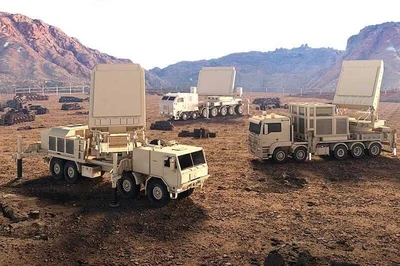
South Korea is fast-tracking its homegrown Iron Dome-like missile defense system, the Low-Altitude Missile Defense (LAMD), moving deployment up to 2029 from 2031. This move comes as a direct response to escalating threats from North Korea's long-range artillery and multiple rocket launchers. With a hefty investment of 842 billion won ($558 million), the LAMD system aims to intercept simultaneous low-altitude attacks, bolstering Seoul’s protective shield. The accelerated timeline signals heightened regional tensions and a push for advanced defense tech in the face of growing missile threats.
-
Indian Peacekeepers Restore Vital South Sudan Route
 research →
The UN has praised Indian peacekeepers for reopening the crucial Malakal-Renk supply route in South Sudan, which had been blocked since last year’s devastating floods. This engineering feat by the Indian unit in Upper Nile State is a lifeline for local communities, enabling safer travel and faster delivery of humanitarian aid. As South Sudan struggles with ongoing challenges, this breakthrough offers a rare beacon of hope and improved stability. The UNMISS mission will now focus on maintaining this corridor to support continued relief efforts.
-
Iran-Allied Militias Stir Iraq Tensions
 research →
A convoy of Iraqis linked to Iran-backed paramilitaries recently crossed into Iran under the guise of a 'humanitarian mission,' sparking fears Iraq might be pulled deeper into the Iran conflict. Experts like Hayder al-Shakeri and Omar al-Nidawi dismiss these concerns, noting that foot soldiers from Iraq won’t shift the balance in a war dominated by airstrikes and missiles. Meanwhile, Iraq is scrambling to reroute its vital oil exports through Syria after Iran’s blockade of the Strait of Hormuz. The coming weeks will reveal if Iraq can maintain its fragile neutrality amid escalating regional chaos.
-
Trump Backs Diplomatic Route on Hormuz Blockade
 research →
In a surprising pivot, President Donald Trump has stepped back from military threats against Iran, urging NATO allies to negotiate directly or buy US oil amid the Strait of Hormuz blockade. This choke point, vital for global energy supplies, remains closed by Iran, which is offering multilateral agreements to reopen it. The shift from threats to diplomacy signals a tense but hopeful moment in a crisis that has rattled energy markets worldwide. All eyes now turn to the upcoming international security talks to see if peace can prevail.
-
Egypt Holds Key to Hamas Ceasefire Stalemate
 research →
Egypt remains the crucial middleman in the fragile ceasefire talks between Hamas and Israel, two and a half years after the October 7 massacre. Despite ongoing meetings in Cairo, Hamas is dragging its feet on disarmament, demanding Israeli troop withdrawals first. Egyptian intelligence continues to shuttle messages and pressure both sides, controlling access through the Rafah crossing. With tensions still high, Egypt’s role could make or break the next phase of peace efforts.
-
Navy Nearly Struck Pakistan at Sea in Op Sindoor
 research →
During the tense days of Operation Sindoor in May 2025, the Indian Navy was just minutes away from launching a maritime strike against Pakistan, revealed Admiral Dinesh K Tripathi. This bold move came amid a massive drone and rocket assault crossing into Indian airspace, marking one of the most intense moments in recent India-Pakistan tensions. Pakistan’s request to halt kinetic actions stopped the strike, averting a potential escalation. The operation showcased India’s military readiness and will likely influence future strategic decisions in the region.
-
UN Warns Middle East War Nears Region-Wide Blaze
 research →
The Middle East conflict is dangerously close to exploding into a full regional war, UN Secretary-General António Guterres warned on April 3. With the crisis now in its second month, the human toll and destruction are mounting daily, threatening global stability through disrupted maritime routes and soaring food and energy prices. Over a million displaced in Lebanon alone underscore the deepening humanitarian disaster. The world watches anxiously as calls intensify for the US, Israel, and Iran to halt hostilities before the flames engulf the entire region.
-
Burkina Faso Junta Fuels Deadly Violence
 research →
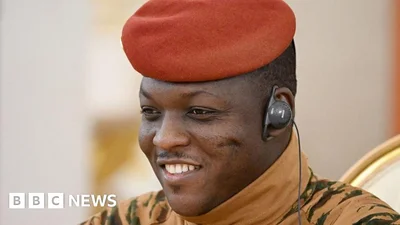
Since the military coup in September 2022, Burkina Faso has spiraled into brutal violence, with over 1,800 killed according to human rights groups. The junta, led by Captain Traoré, has rejected democracy outright and dissolved political parties, deepening instability. Despite turning to Russia for military aid, attacks and ethnic massacres continue unabated, leaving civilians trapped in a deadly conflict. The world now watches anxiously as the junta tightens its grip with no clear end in sight.
-
India’s Defence Exports Soar 63% to Record High
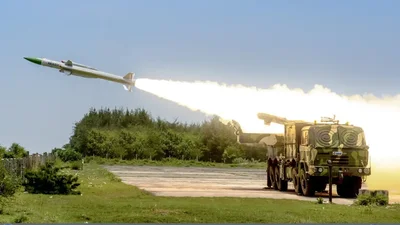 research →
India’s defence exports have surged to a record Rs 38,424 crore in FY 2025-26, marking a stunning 62.7% jump from last year’s Rs 23,622 crore. This explosive growth reflects rising global trust in India’s indigenous defence manufacturing, with public and private sectors both powering the surge. Defence Minister Rajnath Singh hailed the milestone as a testament to PM Modi’s vision of India as a global defence hub. With shipments now reaching over 80 countries, India’s footprint in the global arms market is expanding rapidly—expect this momentum to reshape defence trade dynamics worldwide.
-
Iran’s Missile Arsenal Defies US-Israeli Strikes
 research →
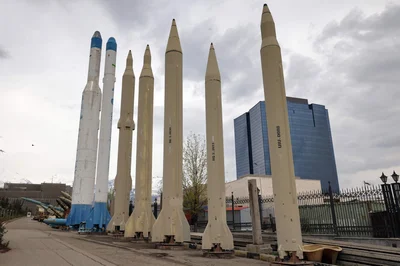
Iran boldly rejects claims of military weakness amid ongoing conflict with the US and Israel, spotlighting its missile inventory as the backbone of its defense. Despite heavy attacks, Tehran insists its strategic missile capabilities remain intact and ready to deliver “even harsher” blows. This defiance signals a prolonged war, with Iran vowing to fight until its enemies face “permanent regret and surrender.” The world watches as missile power reshapes the stakes in this volatile showdown.
-
Türkiye Rockets Ahead in Defense Innovation
 research →
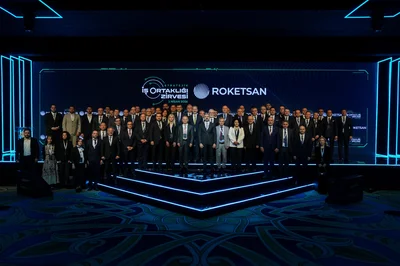
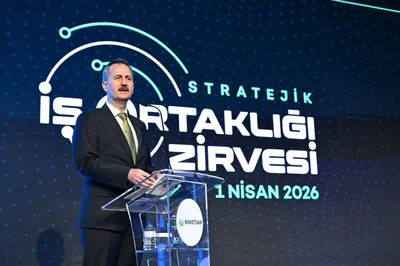
At the recent 3rd Strategic Partnership Summit hosted by Roketsan in Ankara, Türkiye’s defense leaders doubled down on boosting domestic production and missile capabilities. With exports hitting a staggering $10 billion, Türkiye’s defense industry is now a global top 10 player, driven by giants like Aselsan and Baykar Technology. Officials emphasized the urgent need to reduce foreign reliance and integrate land, air, sea, cyber, and space domains into a seamless defense ecosystem. This summit marks a pivotal moment as Türkiye accelerates toward self-reliance in modern warfare technology.
-
Trump Slams UK Navy as ‘Old Toys’
 research →
US President Donald Trump has launched a blistering attack on the UK’s Royal Navy, calling its two aircraft carriers 'toys' and claiming Britain 'doesn’t even have a navy.' The spat escalated after Prime Minister Keir Starmer initially denied US military access to British bases during the Iran war, a move Trump says left the US 'let down.' While the Royal Navy’s capabilities are indeed under scrutiny, this public feud highlights growing tensions between Washington and London. With diplomatic frostiness rising, all eyes are on whether this rift will deepen or thaw.
-
Trump’s Stark Iran War Warning Escalates Conflict
 research →
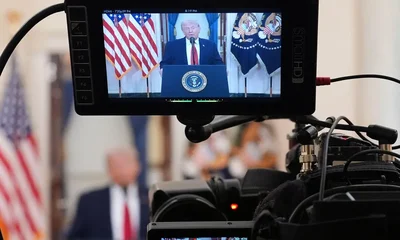
On day 34 of the US-Israel conflict with Iran, President Donald Trump delivered a fiery speech promising to intensify strikes for weeks, warning Iran it could be pushed “back to the Stone Age.” Far from easing tensions, his words triggered one of Iran’s largest missile barrages targeting Israel and Gulf sites, signaling a dangerous escalation. Trump’s mix of threats and vague diplomacy leaves the war’s end uncertain, with both sides digging in for a prolonged battle. The world now watches nervously as the conflict risks spiraling further out of control.
-
India Condemns Attacks on UNIFIL Peacekeepers
 research →
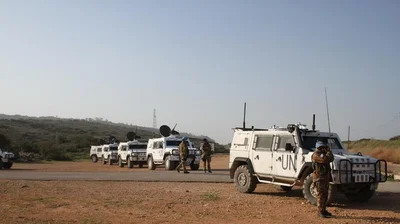
India has strongly condemned recent attacks targeting UN peacekeepers in Lebanon, including those serving in the UNIFIL mission where around 600 Indian troops are deployed. Following a rocket strike on the Italian UNIFIL base in Shama, which thankfully caused no casualties, India called for accountability and protection of peacekeepers amid escalating violence between Israel and Hezbollah. The Ministry of External Affairs emphasized India's long-standing commitment to UN peacekeeping and urged all parties to respect the safety of these forces. With tensions rising, India’s stance signals a push for stronger international safeguards for peacekeepers on the ground.
-
Russia, China Challenge US Grip on Sea Trade
 research →
Russia and China are ramping up their naval strategies with nuclear icebreakers and submarines to challenge the US dominance over critical global trade routes. These sea lanes, vital for everything from oil to semiconductors, have long been a geopolitical chokehold. As tensions rise, both nations aim to carve out alternative corridors, potentially reshaping global supply chains and trade power balances. The next decade could see a dramatic shift in control of Arctic and other strategic waterways, raising stakes for global commerce.
-
India Fully Spends Defence Budget, Exports Soar
 research →
India's Defence Ministry has fully utilized its capital budget of Rs 1.86 lakh crore for FY2025-26, continuing last year's trend of full expenditure amid modernization drives post-Op Sindoor. Meanwhile, defence exports hit an all-time high of $4.15 billion (₹38,424 crore), surging over 60% and signaling growing global trust in India's indigenous arms manufacturing. This dual achievement underscores India's rising stature as a global defence powerhouse. Next, all eyes will be on how India leverages this momentum to boost defence innovation and exports further.






















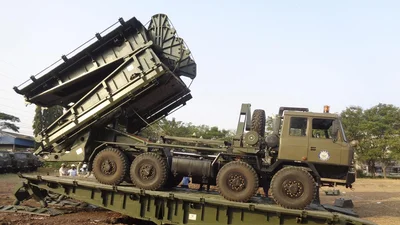

Disasters & Emergencies 15
-
Iran Targets Middle East Bridges After Karaj Strike
 research →
After a devastating US-Israeli strike destroyed the B1 bridge in Karaj, killing two, Iran has fired back with a chilling warning. The semi-official Fars News Agency published a list of major regional bridges in Kuwait, Bahrain, UAE, and Jordan as potential targets for retaliation. This tit-for-tat threat signals escalating tensions that could disrupt vital transport links across the Middle East. All eyes are now on how these countries will respond to Iran’s bold move.
-
Trump Threatens Iran’s Power Grid Next
 research →
President Donald Trump has escalated his war rhetoric, warning that the US military “hasn’t even started destroying what’s left in Iran,” with bridges already targeted and electric power plants next on the hit list. This comes nearly five weeks into a devastating conflict that began with a US-Israeli airstrike, which has killed civilians and rattled global energy markets. As diplomatic talks with Iran stall, Trump’s aggressive stance signals a dangerous intensification that could further destabilize the region. The world now watches anxiously to see if diplomacy can still prevail or if destruction will deepen.
-
Trump Escalates Strikes, Targets Iran’s Infrastructure
 research →
President Donald Trump has vowed to intensify US attacks on Iran, threatening to destroy bridges and power plants after a devastating strike on the B1 bridge near Tehran killed eight and wounded 95. The conflict, now five weeks old, continues to destabilize the region and disrupt global energy flows through the Strait of Hormuz. As diplomatic talks stall, Trump’s aggressive rhetoric signals a dangerous escalation with no clear end in sight. The world watches closely as Iran vows crushing retaliation and nations scramble to secure vital shipping lanes.
-
Thundersqualls and Hailstorm Fury Sweep India
 research →
A fierce western disturbance is unleashing thundersqualls and hailstorms across northern and western India, with wind gusts hitting up to 70 km/h. The India Meteorological Department warns this volatile weather threatens crops and could disrupt daily life from Delhi to Haryana. Satellite images reveal a massive 1,000-km cloud band fueling the storm, signaling more intense rain and lightning ahead. Residents are bracing for a wild weather ride through the weekend as authorities monitor the evolving situation closely.
-
Russian LNG Tanker Drifts Dangerously Adrift
 research →
The Russian liquefied natural gas tanker Arctic Metagaz broke loose from its tow in the Mediterranean amid fierce weather, leaving it adrift and out of control. Carrying around 700 tons of fuel and a significant gas load, the vessel poses a serious maritime hazard. Libyan authorities have exhausted all efforts to secure the tanker but were thwarted by 50-knot winds and towering waves. With no clear direction for the drifting ship, the situation remains tense as nearby vessels are warned to steer clear.
-
Mayon Rockfall Sparks Overnight Bushfire
 research →
A dramatic rockfall on the southern slopes of Mayon Volcano in Albay triggered a fierce bushfire that raged through the night of April 2, authorities confirmed. This incident unfolded amid the volcano’s relentless 87-day effusive eruption, underscoring the ongoing volcanic hazards in the region. The fire was extinguished by Friday morning, but the event highlights the volatile conditions residents face. Officials continue to monitor Mayon closely as activity persists.
-
US Destroys Iran’s Tallest Bridge in Bold Strike
 research →
In a dramatic escalation, the US has destroyed Iran’s tallest bridge, the B1 in Karaj, killing at least eight and injuring 95. President Donald Trump celebrated the strike as a warning, promising more attacks unless Iran agrees to peace talks. Iran vows fierce retaliation and rebuilding efforts, signaling the conflict is far from over. This strike marks a potential shift in US war strategy, raising stakes in an already tense standoff.
-
Power Crisis Deepens Across Nigeria
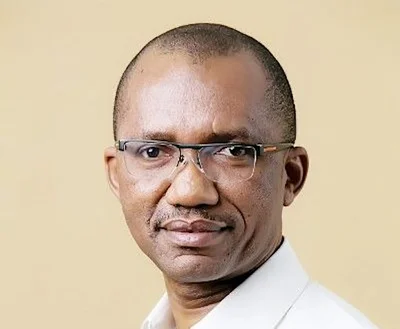 research →
Nigeria’s electricity woes are worsening, with Minister Adebayo Adelabu under fire for failing to stabilize the grid over two years. In Osun State, Governor Ademola Adeleke has summoned IBEDC amid unbearable blackouts disrupting daily life and business. Meanwhile, in Bauchi, consumers remain skeptical despite JEDC’s rollout of over 109,000 free prepaid meters, demanding real improvements beyond promises. The power sector’s instability is crippling communities nationwide, pushing leaders to seek urgent solutions.
-
Clapham Mob Chaos Sparks Fury
 research →
A wave of violent mob attacks in Clapham has ignited fierce criticism of London Mayor Sadiq Khan, with Marks & Spencer's retail director Thinus Keeve blaming his failure to curb crime. Hundreds of teens, coordinated via social media, have stormed shops, assaulting staff and causing mayhem, with similar incidents spreading to Birmingham. Despite Khan's claims that London remains safe, retailers and police warn the disorder is escalating and more arrests loom. As Easter weekend approaches, the city braces for potentially more chaos fueled by secretive online groups.
-
China’s Satellite Nails Robotic Refuel Test
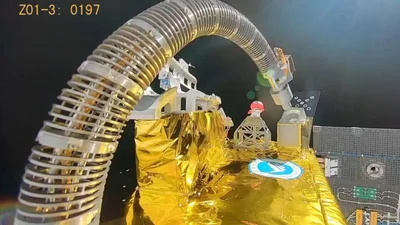
 research →
China’s Hukeda-2 satellite just aced a crucial robotic refueling test in low Earth orbit, showcasing tech that NASA hasn’t matched yet. This “octopus arm” equipped craft could extend satellite lifespans dramatically, a game-changer for mega-constellations like Starlink. Next up, Hukeda-2 will deploy a giant balloon to tackle space debris and congestion. This breakthrough cements China’s lead in in-orbit servicing tech and hints at a future where satellites stay operational far longer.
-
March Heat Shatters Records, Fires Rage Early
 research →
March 2026 scorched the US with over 1,500 temperature records smashed, including a blistering 44.4°C (112°F) in California—the hottest March day ever. With Lake Mead and Lake Powell plunging to 30-year lows and drought gripping nearly half the country, wildfires have already tripled the decade average before summer even begins. A looming super El Niño threatens to push temperatures and disaster risks into uncharted territory, imperiling agriculture, energy, and insurance sectors. This unprecedented heatwave signals a summer season that could rewrite climate history.
-
Midwest Faces Deadly Tornado Threat
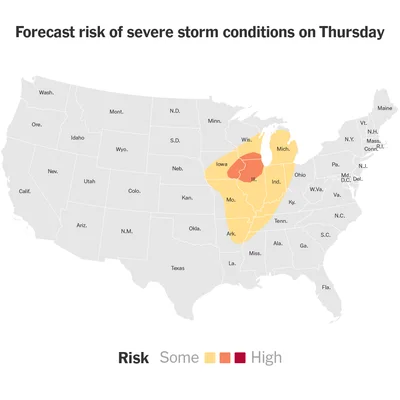 research →
Severe storms are hammering the Midwest, with parts of Iowa, Illinois, Wisconsin, and Missouri caught in a dangerous tornado threat this week. The situation is especially grim in southwest Michigan, where Governor Gretchen Whitmer has requested a federal disaster declaration after tornadoes in March killed four people, marking the deadliest outbreak in nearly 50 years. The storms have devastated communities, uprooted lives, and raised questions about National Weather Service warnings. As the region braces for more severe weather, emergency responses and investigations are ramping up.
-
Russian LNG Tanker Drifts Unchecked in Mediterranean
 research →
The Russian gas tanker Arctic Metagaz remains adrift in the Mediterranean after a failed towing attempt by Libyan authorities, who cited severe weather as the cause. The vessel, hit by explosions on March 3 and carrying around 700 tons of fuel and natural gas, was abandoned and is now 'out of control.' Russia blames Ukraine for the attack, while Libya urges Mediterranean nations to act swiftly to prevent a potential environmental disaster. With the tanker’s path unpredictable, the region faces growing uncertainty.
-
Hair Powers Gulf Oil Spill Cleanup
research →
In an inspiring grassroots effort, communities in Veracruz are turning to an unusual weapon against the Gulf of Mexico oil spill: hair. Barbershops and dog groomers are donating clean, dry hair to create absorbent nets that can soak up crude oil, with one kilogram capable of cleaning up to eight liters of spill. This citizen-driven initiative echoes a similar global response during the 2010 Deepwater Horizon disaster, showing how collective action can tackle environmental crises. As the cleanup continues, these natural sorbents offer a hopeful, low-tech solution amid the spill’s uncertainty.
-
Singapore Mobilizes Crisis Committee Amid Energy Shock
 research →
Prime Minister Lawrence Wong has activated the Homefront Crisis Ministerial Committee to tackle severe energy disruptions caused by the Middle East conflict. This move signals Singapore's urgent effort to safeguard its energy and supply chains amid rising global uncertainty. With refineries cutting output and LNG importers scrambling for alternatives, the government is also fast-tracking budget support to soften the blow on households and businesses. The next steps include detailed parliamentary updates and strengthened contingency plans to keep the city-state resilient.



















Science 18
-
Astronomers Unveil 'Forbidden' Giant Exoplanet
 research →
Indian astronomers have discovered a massive exoplanet, TOI-5205 b, that defies planetary formation rules by orbiting a small star despite being Jupiter-sized. Using data from the James Webb Space Telescope, the team found this planet has an unusually low abundance of heavy elements, unlike any giant planet studied before. This challenges long-held theories and could rewrite our understanding of how planets evolve. Next, scientists will probe its atmosphere further to unlock more cosmic secrets.
-
AI Slashes Chemistry Computation Costs
 research →
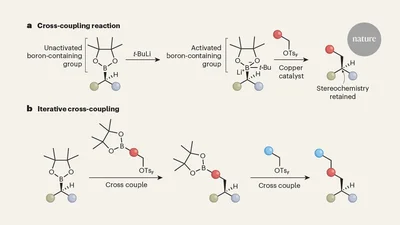
A groundbreaking study reveals that machine-learned interatomic potentials (MLIPs) can perform transition-state searches with near-DFT accuracy but at a fraction of the computational cost. The research, led by benchmarking six MLIPs on 58 diverse reactions, showed success rates above 96% while cutting expensive DFT-gradient evaluations by over 90%. This breakthrough promises to accelerate catalyst and materials discovery dramatically, making high-throughput computational chemistry more accessible and efficient. The next step is integrating these AI-driven methods into mainstream chemical research pipelines.
-
Retractions Surge Exponentially in Science
 research →
A new study by arXiv reveals a startling exponential rise in scientific paper retractions, doubling every five years despite overall low incidence at 0.12% in 2021. This surge highlights growing challenges in research integrity across fields, publishers, and countries, with retractions increasingly concentrated in a few nations. The findings urge targeted monitoring and corrective actions to protect the credibility of global science as output democratizes. Researchers and policymakers now have a fresh epidemiological framework to track and tackle this 'retraction epidemic.'
-
Tokamak Plasmas Reveal Surprising Rotation Patterns
research →
A new study led by C. F. B. Zimmermann and the ASDEX Upgrade team has uncovered hollow toroidal rotation profiles in strongly electron-heated H-mode plasmas inside the ASDEX Upgrade tokamak. This unexpected rotation pattern challenges existing models of plasma behavior, crucial for optimizing fusion reactor performance. Understanding these dynamics could accelerate the path to stable, efficient fusion energy. Researchers now aim to explore how these profiles influence confinement and turbulence in next-gen tokamaks.
-
Quantum Tools Simplify Learning Wave Mysteries
 research →
Quirk, a blazing-fast browser-based quantum circuit simulator developed by Google engineer Craig Gidney, is making quantum mechanics accessible to students and educators alike. Unlike heavy-duty platforms like Qiskit, Quirk runs real-time simulations with a 0.1-second refresh, letting beginners visualize quantum gates without diving into complex code. This playful yet powerful tool could spark a new wave of quantum curiosity and education. Next up: expanding hands-on quantum learning beyond classrooms.
-
Mars’ Ancient Sandstorms and Drying Secrets Unveiled
 research →
New research is peeling back Mars’ dusty past with stunning clarity. Scientists have decoded the mysterious 'brain terrain' formations in northern Arabia Terra, revealing how ancient Martian landscapes dried out over billions of years. Meanwhile, a surprising discovery of ripple marks in Gale crater paints a vivid picture of fierce sandstorms raging over three billion years ago. These insights reshape our understanding of Mars’ climate history and hint at when the Red Planet might have been more hospitable. With NASA’s sample return mission on pause, these geological clues are now our best window into Mars’ ancient environment.
-
NASA’s Artemis 2 Rockets Toward Moon
 research →
NASA has launched four astronauts on the historic Artemis 2 mission, marking humanity’s first crewed lunar journey in over 50 years. This $4 billion flight is a critical step in America’s ambitious $93 billion plan to return to the moon and establish lunar bases, paving the way for future Mars exploration. While the crew won’t land, their 10-day lunar flyby reignites hopes for deep space travel. Next up: building the infrastructure to make Mars missions a reality.
-
China’s Composite Boosts Aerospace Strength 26%
 research →
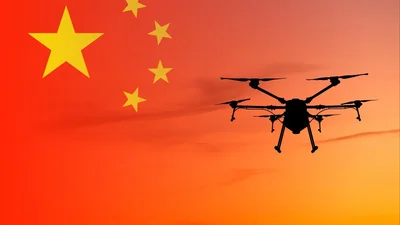
Chinese scientists at the Chinese Academy of Sciences have unveiled a breakthrough composite material that could make drones, planes, and rockets up to 26% stronger. By refining the balanced lay-up method of fiber layering, they not only boosted strength but also improved joint performance by 13% and reduced manufacturing defects. This advance promises greater design flexibility for critical aerospace parts like fuselages and wings. The innovation could reshape future aerospace engineering and production worldwide.
-
Wildlife and Humans: Coexistence Rules Emerge
 research →
Krithi Karanth, raised in watchtowers with her tiger expert father, has developed a patient, scientific approach to conservation that’s reshaping how humans coexist with wildlife. From Florida’s elusive Big Cypress fox squirrel struggling against urban sprawl to Indian farmers battling elephant herds, the challenge is clear: balance human needs with nature’s survival. These stories highlight urgent, creative solutions to protect endangered species and rural livelihoods alike. The next step is scaling these coexistence strategies globally before habitats vanish.
-
Fossils Rewrite Animal Evolution Timeline
 research →
A stunning cache of over 700 fossils from China’s Yunnan province is shaking up the story of animal evolution. These ancient remains, dating back 546 to 539 million years, reveal that complex animals with guts and mobility existed well before the famed Cambrian explosion. This discovery, known as the Jiangchuan Biota, pushes back the dawn of diverse animal life and suggests evolution was a gradual crescendo, not a sudden burst. Scientists now have a clearer, richer picture of how early life set the stage for all creatures, including us.
-
AI Designs AI Chips, Revolutionizing Tech
 research →
Google DeepMind’s AlphaChip has kicked off a new era where AI designs the very chips that power AI systems. Since 2020, this recursive loop has evolved through three generations of Google’s TPU, pushing chip design beyond human limits amid soaring complexity. While fully autonomous chip design remains a work in progress, the productivity gap between human designers and chip complexity is widening fast. This breakthrough signals a future where AI accelerates its own hardware evolution, reshaping the tech landscape.
-
Native Americans Invented Dice 12,000 Years Ago
 research →
A groundbreaking study by Robert J. Madden at Colorado State University reveals that Native Americans were rolling dice and playing games of chance 12,000 years ago, far earlier than any known Old World civilization. These ancient bone dice, found in the American Southwest, challenge long-held beliefs that probability games originated in Mesopotamia or Eurasia. This discovery not only rewrites gambling history but also highlights early complex thinking in North America. Next, researchers hope to uncover how these games influenced social and economic development in ancient cultures.
-
120,000-Year-Old Footprints Rewrite Human History
 research →
Archaeologists have uncovered 120,000-year-old human footprints at Alathar in Saudi Arabia’s Nefud Desert, marking the oldest evidence of Homo sapiens on the Arabian Peninsula. This stunning find pushes back the timeline of human migration from Africa and reveals that early humans thrived alongside prehistoric elephants and hippos in a lush 'Green Arabia.' The discovery, made by the Max Planck Institute and Saudi Heritage Authority, opens new windows into ancient migration routes and climate-driven habitation. Next steps include deeper exploration of these inland lake systems to better understand early human life in this now-arid region.
-
Octopus Arm Sniffs Out Perfect Mating Spot
 research →
Scientists have uncovered a bizarre twist in octopus reproduction: the male’s specialized mating arm, called the hectocotylus, doesn’t just deliver sperm—it chemically senses female sex hormones to find the exact spot to deposit it. This discovery, led by Harvard researchers, reveals how male octopuses navigate blindly inside the female’s mantle to locate her ovaries. Understanding this unique sensory ability sheds light on octopus mating behavior and could explain their vast species diversity. Next, researchers aim to explore how this sensory mechanism influences octopus evolution.
-
Deep Mantle Deformation Tied to Subduction
 research →
A groundbreaking study reveals that the deepest parts of Earth's mantle are significantly deformed by subducted tectonic slabs, confirming theories about the planet's inner dynamics. This discovery, published in The Seismic Record, links mantle convection currents directly to the physical reshaping of Earth's interior. Understanding this process sheds light on how tectonic plates interact and evolve over millions of years. Scientists are now poised to explore how these deep deformations influence surface geology and seismic activity.
-
Earth’s Magnetic Field Mystery Unraveled
 research →
Scientists have cracked the code behind Earth's magnetic chaos 600 million years ago during the Ediacaran Period. Unlike other eras, this time showed wildly fluctuating magnetic signals that baffled researchers for decades. New insights suggest these shifts weren’t random but followed a global pattern, reshaping how we understand our planet’s ancient magnetic history. This breakthrough could refine how we reconstruct Earth’s past and its tectonic movements.
-
Ocean’s Darkening Signals Climate Alarm
 research →
A recent study reveals that over 20% of the world’s oceans have darkened in the past two decades, subtly altering marine light and habitats. This creeping shadow threatens ocean ecosystems and could disrupt global climate patterns, underscoring how deeply ocean health ties to human survival. As satellite data uncovers this silent shift, scientists warn urgent action is needed to understand and mitigate its impact.
-
Fusion Mystery Solved, AI Powers Next Leap
 research →
Physicists have cracked a baffling fusion puzzle that has long stumped experts: why more plasma particles hit the inner divertor in tokamaks. The breakthrough revealed that plasma rotation, not just cross-field drifts, drives this imbalance, a discovery crucial for designing durable fusion reactors. Meanwhile, AI is surging forward with Microsoft launching versatile new voice and image models, and researchers unveiling a brain-inspired chip that could make AI 2,000 times more efficient. Together, these advances could turbocharge the future of clean energy and intelligent machines.




















Health & Medicine 20
-
India Slashes Maternal Deaths, Uneven Gains Persist
 research →
India has made significant strides in cutting maternal deaths, with around 24,700 women dying from pregnancy-related causes in 2023—a sharp drop but still nearly 10% of global maternal deaths. Despite this progress, the decline isn’t uniform across the country, highlighting persistent disparities in healthcare access. With preventable causes like hemorrhage and hypertensive disorders still leading, experts warn more targeted efforts are needed. The race to meet the global goal of reducing maternal mortality below 70 per 100,000 live births by 2030 is on, but India’s journey remains challenging.
-
AI Powers $2B Telehealth Giant
 research →
Matthew Gallagher has shattered expectations by building Medvi, a telehealth company generating nearly $2 billion in revenue, using AI tools to run everything from coding to customer support. While the buzz is around AI, the real game-changer is Medvi’s focus on GLP-1 drugs, recently boosted by FDA approvals like Eli Lilly’s weight loss pill. Gallagher’s success proves Sam Altman’s bold prediction: one person can indeed steer a billion-dollar company with AI as their engine. Next up, watch how AI-driven healthcare reshapes patient care and drug delivery at scale.
-
Oura Ring 4 Elevates Smart Wearables
 research →
The Oura Ring 4 has landed in India, blending sleek titanium design with advanced health tracking that feels more like jewelry than tech. Priced between ₹28,900 and ₹39,900, it offers refined personalization and improved sensor accuracy, setting a new standard for discreet fitness wearables. After testing the Gold variant, it’s clear this ring is designed to fit seamlessly into daily life without the bulk of traditional smartwatches. With its stylish look and serious health insights, the Oura Ring 4 could redefine how we monitor wellness on the go.
-
AI Boosts IVF Success, Cuts Costs
 research →
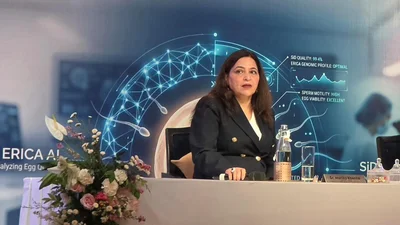
Gaudium IVF just unveiled two groundbreaking AI tools, SiD and ERICA, designed to supercharge IVF success by selecting the best sperm and embryos with precision. Developed by UK-based IVF 2.0, these innovations promise faster pregnancies and lower patient expenses, a huge leap in fertility treatment. This tech could redefine IVF journeys worldwide, offering hope to countless couples. Next up: real-world trials and wider adoption to prove their game-changing impact.
-
Job Loss in Kids Hits Indian Parents’ Mental Health
 research →
A striking new study reveals that when adult children lose jobs in India, it’s not just their careers that suffer—parents face a 12% higher risk of depression. Drawing on data from over 73,000 older adults, researchers highlight how unemployment disrupts family stability and deeply impacts parents’ emotional well-being. In a culture where children’s success reflects on parents, job loss feels like a personal failure, intensifying mental health struggles. With layoffs mounting, experts warn this hidden crisis demands urgent attention.
-
AI Deepfakes Fuel Middle East War Doubts
 research →
A viral video showing Israeli Prime Minister Netanyahu with six fingers sparked wild rumors of his death or injury in an Iranian strike, with many suspecting an AI-generated double. Experts quickly debunked the extra digit as a lighting illusion, but the flood of misinformation drowned out facts. This episode highlights how advanced AI deepfakes are blurring truth amid the fog of war, making it harder than ever to trust what we see. Netanyahu’s follow-up video, holding up both hands, was a rare attempt to cut through the noise and prove he’s alive. The challenge now is how to verify reality in a world where AI can fabricate anything instantly.
-
Insurance Shapes Young Adults’ Cancer Survival
 research →
Cancer rates among young adults are climbing steadily, but survival chances hinge sharply on insurance status. A sweeping study of nearly 470,000 Americans aged 15-39 reveals those with private insurance survive significantly longer than peers on Medicaid or uninsured. For some cancers like melanoma, the risk of death can be more than twice as high without private coverage. This stark divide spotlights systemic healthcare gaps, urging urgent reforms to level the playing field for young patients nationwide.
-
Deadly ‘Rhino Tranquilizer’ Hits US Drug Supply
 research →
Health officials have sounded the alarm over a dangerous new threat in the US drug scene: medetomidine, nicknamed 'rhino tranq,' is now being found mixed with fentanyl. This veterinary sedative causes severe, prolonged sedation and can trigger life-threatening withdrawal symptoms, making overdoses even more deadly. The CDC and White House drug office issued a rare health advisory after forensic tests and overdose investigations confirmed its spread. With this toxic cocktail on the rise, emergency responders and users face heightened risks — and authorities are racing to contain it.
-
Deadly Terror Strikes DR Congo Amid South Sudan Crisis
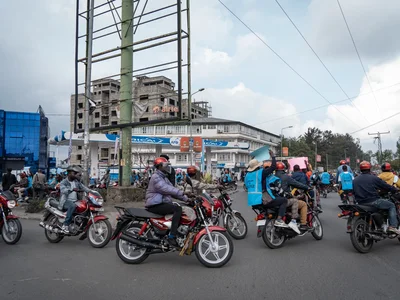 research →
In a brutal assault, at least 43 civilians were slaughtered by Daesh-linked Allied Democratic Forces in eastern DR Congo’s Ituri province, torching dozens of homes. This attack underscores the persistent instability plaguing the region, even as peace talks with the M23 rebel group offer a glimmer of hope. Meanwhile, South Sudan faces a humanitarian catastrophe with over 267,000 displaced in Jonglei state alone, where war crimes allegations mount amid destroyed schools and hospitals. The world watches anxiously as these crises demand urgent action to protect vulnerable civilians and restore peace.
-
US Launches $144M Fight Against Microplastics
 research →
The US Department of Health and Human Services has unveiled a groundbreaking $144 million initiative called STOM to tackle the invisible invasion of microplastics inside human bodies. Led by Secretary Robert F. Kennedy Jr., the program aims to develop new tools to detect, study, and remove these tiny pollutants, which have already been found in organs, blood, and even placentas. This effort marks a critical step in addressing a growing health threat, especially for vulnerable groups like children and pregnant people. With research underway, the nation braces for fresh insights into how these plastics impact our health and what can be done next.
-
Biotech M&A Surges, Eli Lilly Leads Charge
 research →
Biotech investors breathed a sigh of relief as a flurry of major mergers and acquisitions revived the sector’s fortunes at the end of Q1. Eli Lilly’s bold purchase of Centessa Pharma and Biogen’s takeover of Apellis Pharma sparked a 7% jump in the XBI biotech index, reversing earlier losses. This surge comes amid calls from industry leaders for more FDA regulatory flexibility and growing interest in new treatment areas like sleep medicine. With M&A activity heating up despite fewer drug approvals, the biotech world is watching closely to see if this momentum can carry into Q2.
-
Kratom Poisonings Skyrocket Amid Debate
 research →
Kratom poisonings have surged by a staggering 1,200% over the past decade, according to the CDC, sparking fierce debates across the U.S. on whether to ban or regulate this plant-based drug sold in everyday stores. Families share heartbreaking tales of overdose tragedies, while industry lobbyists defend kratom as a natural remedy for pain and opioid addiction. With hospitalizations climbing, lawmakers face mounting pressure to act—yet the future of kratom regulation remains uncertain.
-
FDA Redefines ‘Breakthrough’ for AI Devices
 research →
The FDA is shaking up its ‘breakthrough’ medical device label, now favoring AI tools that tackle multiple complex problems rather than just enhancing doctors’ skills. Since 2016, over 1,200 devices have earned this designation, but the agency’s new focus is on AI that can do what physicians can’t—like spotting several cancers from one image or predicting fatal risks. This shift signals a bold step toward faster approval of truly transformative tech, setting the stage for a new era in clinical innovation.
-
CDC Halts Rabies and Pox Virus Testing
 research →
The CDC has temporarily stopped diagnostic testing for rabies, pox viruses, and over two dozen other infectious diseases, leaving state and local labs scrambling. This pause comes amid staffing shortages and an ongoing internal review, with no permanent director in place. The halt raises concerns about public health surveillance gaps, though officials promise some tests will return in the coming weeks. For now, states must rely on limited commercial options or their own resources.
-
Surgical Technique Shapes Kids’ Intestinal Transplant Success
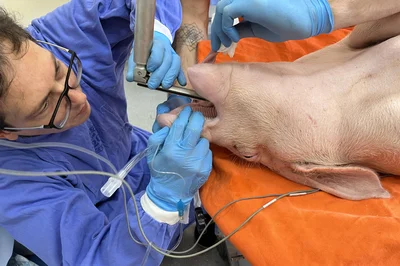 research →
A groundbreaking study from USP’s Hospital das Clínicas reveals that how blood drains from a transplanted intestine dramatically affects the immune response in pediatric patients during the critical early days post-surgery. This insight could be a game-changer in reducing rejection and infection rates, the main threats to transplant survival. Researchers hope these findings will refine surgical protocols and improve outcomes for vulnerable children worldwide.
-
UK Faces Highest Polio Outbreak Risk in Decades
research →
The UK is staring down its highest polio outbreak risk in over a generation, warn top pandemic doctors Dr. Hareen De Silva and Dr. Helen Wall. Falling vaccination rates and cuts to global eradication funding have left one in five children vulnerable, with the virus detected recently in London sewers. Polio’s potential to cause paralysis and life-threatening complications makes this a critical public health alarm. Experts urge urgent action to boost immunizations before the virus spreads further.
-
AI Revolutionizes Dialysis Safety in India
 research →
A cutting-edge AI monitoring system has been rolled out in seven government-run dialysis centers across the State under a public-private partnership, aiming to drastically improve patient safety and care quality. Launched by Health Minister Dinesh Gundu Rao, the platform tracks 28 critical health and operational metrics in real time, replacing traditional audits with continuous AI oversight. This breakthrough promises faster clinical responses and greater transparency, setting a new standard for dialysis treatment. Expansion plans are already underway to bring this tech to more centers soon.
-
Scientists Cure Type 1 Diabetes in Mice
 research →
In a groundbreaking study, scientists have cured type 1 diabetes in mice by engineering a blended immune system that allows insulin-producing cell transplants without lifelong immune suppression. This breakthrough sidesteps the harsh immunosuppressants that have long limited transplant success. While the approach is still in early stages and balancing the hybrid immune system remains complex, it opens a hopeful path toward reversing diabetes in humans if future trials prove safe and effective.
-
Google Challenges Whoop with New Fitbit Band
 research →
Google is stepping into the ring with its own screenless Fitbit band, aiming to rival Whoop in the distraction-free wearable market. Teased on NBA star Steph Curry's wrist, this device targets users craving holistic health monitoring without the noise of screens. However, experts say Google must nail core performance and AI-driven insights to truly compete. With Wear OS 6.1 rolling out and a push for 64-bit apps, Google's ecosystem is gearing up for a serious wearable showdown.
-
Samsung Galaxy Watch Adds Blood Pressure Tracking
 research →
Samsung has rolled out blood pressure monitoring to Galaxy Watch 4 and newer models in the US, a feature long available overseas. This upgrade brings vital health data right to your wrist, but experts caution it’s not yet reliable enough for medical decisions. The feature arrives via the Samsung Health Monitor app, promising convenience but urging users to double-check with traditional devices. As Samsung refines accuracy, this could reshape how we track heart health on the go.













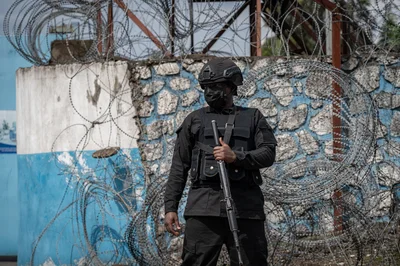
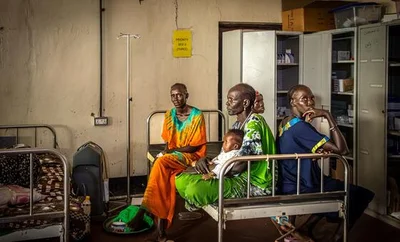














Crime & Justice 15
-
Japan Cracks Down on Money Laundering Scams
 research →
Japan's Cabinet, led by Prime Minister Sanae Takaichi, has approved a bold amendment to the criminal proceeds transfer prevention law to fight money laundering by scammers. The new law lets police open undercover online bank accounts under fake names to trace fraud money while safeguarding victims' funds. Penalties for selling bank accounts will soar, with jail time up to five years and fines up to ¥10 million for repeat offenders. This move signals Japan's serious push to dismantle scam networks and protect its financial system. The bill is expected to pass soon, marking a new chapter in anti-fraud enforcement.
-
Cyberabad Police Bust 19 in Cybercrime Sweep
 research →
In a sharp week-long crackdown ending March 31, Cyberabad Police arrested 19 suspects across multiple states, uncovering 17 cybercrime cases dominated by trading fraud. The operation exposed a web of scams including digital arrest fraud and job frauds, highlighting the evolving tactics of cybercriminals. This crackdown sends a strong message to fraudsters, with authorities promising continued vigilance and further arrests.
-
ICE Cracks Down on Criminal Migrants
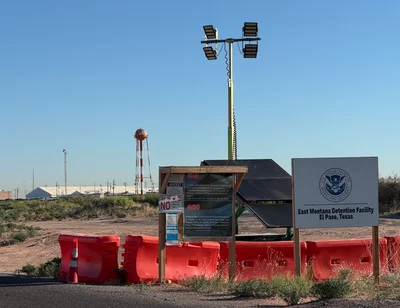 research →
U.S. Immigration and Customs Enforcement (ICE) recently arrested numerous illegal migrants convicted of serious crimes such as arson, drug trafficking, and burglary, emphasizing a renewed focus on public safety. Nearly 70% of those detained had prior criminal charges or convictions in the U.S., highlighting the agency’s targeted enforcement. Acting Assistant Secretary Lauren Bis stressed that under President Trump’s policies, illegal entry coupled with criminal activity will lead to swift arrests. This crackdown comes amid ongoing debates over ICE reforms and DHS funding in Congress.
-
Mexico Shuts Down Massive Fraud Call Centers
 research →
In a major crackdown, Mexican authorities arrested 102 people linked to sprawling extortion call centers in the State of Mexico. These operations duped victims by posing as financial institutions, coercing them into sharing personal data and making high-interest loan payments. The bust seized 192 properties and tons of equipment tied to fraud and drug dealing, striking a significant blow to organized crime. This move is part of Mexico's broader National Strategy Against Extortion, signaling tougher times ahead for scammers.
-
Multi-Agent AI Faces Silent Security Crisis
 research →
Multi-agent AI systems, now mainstream with platforms like Google, OpenAI, and Microsoft, are silently failing and exposing a critical security flaw known as the 'confused deputy' problem. Despite a booming market projected to hit $41.8 billion by 2030, these AI agents often operate without proper authority checks, risking unauthorized actions at machine speed. Shockingly, over 70% of agents run autonomously without human oversight, generating nearly 95% of all activity in their ecosystems. Experts warn this unseen failure mode could undermine trust just as multi-agent AI becomes the new default—urgent fixes are needed before the damage spreads.
-
Gangster’s Son Throws Jailhouse Raves on TikTok
 research →
Ben McCulloch, son of infamous Scottish gang boss Brian McCulloch, is turning heads with TikTok videos showing wild parties, drug use, and football watching inside HMP Addiewell prison. The 31-year-old inmate flaunts a carefree ‘party prison’ lifestyle, sparking outrage from the victim’s family and raising serious questions about prison security. With 2,500 followers, his brazen clips expose a troubling reality behind bars. Authorities now face pressure to clamp down on this shocking inside scoop.
-
Trump Unveils $19B Crime Crackdown Budget
 research →
Donald Trump is back with a bold $19 billion budget proposal for 2027, aiming to turbocharge the fight against violent crime, drug trafficking, and illegal immigration. This 15% funding boost targets beefing up law enforcement agents and expanding detention and removal operations. The plan leans heavily on Trump’s promise to secure borders and prioritize American citizens over illegal immigrants. With DHS shutdown woes still fresh, this aggressive budget signals a no-nonsense approach to law and order ahead.
-
Trump Threatens Iran’s Power Grid, Defies War Laws
 research →
In a shocking escalation, President Donald Trump openly threatened to destroy Iran’s entire electricity infrastructure, vowing to bring the nation “back to the Stone Ages.” His comments, seen by many as potential war crimes under the Geneva Conventions, mark a brazen break from diplomatic norms. Despite international laws and recent ICC actions against similar attacks in Ukraine, Trump’s administration faces little immediate consequence. The world now watches closely to see if global institutions can respond or if this sets a dangerous precedent.
-
Deadly Immigration Raids Spark Outrage
 research →
The deaths of Renee Good and Alex Pretti during federal immigration raids in Minneapolis have ignited fierce debate over accountability. Despite public outcry, the three agents involved face no charges or clear disciplinary action, raising fears of a shadowy immigration force operating without oversight. Families and advocates demand transparency as questions linger about whether justice will ever be served. This case could redefine how America polices its immigration enforcement.
-
MS-13 Trio’s Deadly Cross-State Killing Spree
 research →
Three alleged MS-13 gang members are on trial for a chilling cross-state killing spree across California and Nevada, prosecutors reveal. Facing 34 federal charges including murder and kidnapping, the suspects reportedly hunted victims to boost their gang status. This case shines a harsh spotlight on violent gang activity and federal efforts to crack down. With the trial underway, authorities vow to intensify the fight against MS-13’s brutal reign.
-
Massachusetts Police Trainers Charged in Recruit’s Death
 research →
Four Massachusetts police academy instructors now face serious charges after Enrique Delgado-Garcia, a 25-year-old recruit, died following an unauthorized boxing match during training. The fatal incident involved a concussion and a massive brain bleed, described by investigators as stemming from an “unapproved and unsafe” sparring session. The supervisors, including Lt. Jennifer Penton, pleaded not guilty to involuntary manslaughter and other charges. This rare legal action spotlights dangerous practices in police training and raises urgent questions about academy safety protocols.
-
Google's A2A v0.3 Revolutionizes AI Agents
 research →
Google just dropped the game-changing Agent2Agent (A2A) Protocol v0.3, turbocharging multi-agent AI communication with gRPC support and cryptographically signed agent IDs. This upgrade slashes latency and boosts security, making it easier for hundreds of AI agents to collaborate seamlessly. While the industry races to catch up, platforms like EClaw have already been living this future. The question now: how fast will multi-agent systems reshape AI applications everywhere?
-
ICC Prosecutor Faces Misconduct Showdown
 research →
Karim Khan, chief prosecutor of the International Criminal Court, stands at a crossroads after a UN probe alleged sexual misconduct, though a judges' panel found no breach of duty. Despite this, a majority of ICC member states, including Belgium, Japan, and Brazil, voted to pursue the case independently, signaling deep divisions within the court’s leadership. Khan, who stepped down temporarily in 2025, may soon learn if he can return to his post or face further scrutiny. The Assembly of States Parties now holds the power to decide his fate amid mounting tensions.
-
Lebanon Faces Grim Israeli Invasion Surge
 research →
Israel's military offensive in southern Lebanon has escalated sharply, with troops advancing toward the Litani River and devastating entire communities. Over 1,200 people, including 120 children, have died amid widespread destruction and displacement of a million civilians. The looming threat of permanent occupation and annexation echoes past conflicts, fueling urgent calls for Lebanon to join the International Criminal Court to seek justice. As the situation deteriorates, the world watches closely for Lebanon's next moves on the international stage.
-
Hong Kong Urged to Tighten Child Sex Abuse Laws
 research →
More than 30 groups and experts are demanding Hong Kong close loopholes in its child sexual offence bill to better protect survivors. With 16% of children reportedly affected by abuse, advocates warn current laws and court practices risk retraumatizing victims. The bill, based on Law Reform Commission recommendations, aims to create stronger safeguards but critics say it still falls short. The push now is for urgent legal reforms and judicial changes to prioritize child safety and prevent secondary harm in court.



















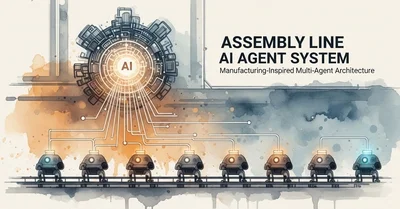




Cybersecurity & Privacy 21
-
Crypto Hacks Drop but Threats Evolve Fast
 research →
Crypto hackers stole a hefty $169 million from 34 DeFi protocols in Q1 2026—down sharply from last year’s staggering $1.58 billion haul. The biggest hit was a $40 million private key breach at Step Finance, followed by a $26.4 million ether drain from Truebit. Despite the drop, experts warn hackers strike opportunistically, riding market waves rather than calendars. Meanwhile, cybersecurity pros are battling fresh threats like pre-auth RCE chains and stealthy log evasion tactics, making vigilance more crucial than ever.
-
EU Cloud Hack Exposes 30 Entities’ Data
 research →
The European Commission revealed a major cloud breach by the notorious TeamPCP hacking group, compromising data from 30 EU entities. The attackers exploited stolen AWS API keys from a prior supply-chain attack to infiltrate the Commission’s Amazon cloud environment undetected for nearly two weeks. This incident highlights the growing cyberespionage threat facing European institutions and raises urgent questions about cloud security. Authorities are now racing to tighten defenses and investigate the full scope of the damage.
-
Mastering GDPR-Compliant Web Scraping in 2026
 research →
Web scraping and GDPR compliance might seem like oil and water, but experts reveal they can coexist. The key? Scrape only what you need, for a clear legal purpose, and document your lawful basis under GDPR Article 6. With tools like Playwright and Node.js frameworks evolving, developers can now build scrapers that respect privacy without sacrificing scale. As regulations tighten, this approach will define the future of ethical data collection online.
-
North Korea Hacks Axios in 39 Minutes
 research →
On March 31, 2026, a North Korea-linked hacker hijacked an Axios maintainer's npm account and slipped backdoors into two versions of Axios, the HTTP client downloaded over 100 million times weekly. This breach silently installed a remote access trojan on countless machines for about three hours before being caught. Axios underpins major AI frameworks like LangChain and OpenAI SDK, meaning this attack threatened a vast swath of the software ecosystem. Developers must now audit their systems and rotate credentials to stay safe.
-
AWS Red Team Uncovers Cloud Risks
 research →
The latest AWS Cloud Red Team Assessment reveals critical security blind spots in common AWS setups, highlighting how easy misconfigurations can expose data and services. With AWS allowing customers to test their own environments without prior approval, this report maps attack scenarios and offers clear remediation steps. This matters because over 80% of cloud breaches stem from such errors, and the findings push teams to tighten defenses now. Expect more organizations to adopt these red team tactics to stay ahead of hackers.
-
FBI Flags China Hack as Major Threat
 research →
The FBI has declared a suspected Chinese cyberattack on U.S. law enforcement data a “major incident,” signaling serious national security risks. The breach compromised sensitive surveillance information, exposing a troubling counterintelligence failure amid ongoing Chinese hacking campaigns. Lawmakers have been briefed, underscoring the gravity of the threat. As investigations continue, this incident highlights the growing cyber vulnerabilities facing America’s critical systems.
-
SSA Scams Surge with Personal Touch
 research →
The Social Security Administration is sounding the alarm as impersonation scams linked to SSA have surged by 25% in 2025, with over 330,000 complaints reported. These fraudsters are getting craftier, sending messages that mimic official SSA notices about Social Security numbers and accounts. With losses hitting hundreds of millions annually, this scam remains a top threat to consumers. Authorities urge vigilance as the crackdown continues to protect millions of Americans.
-
Hackers Exploit Next.js Flaw, Steal Credentials
 research →
Hackers linked to UAT-10608 exploited the CVE-2025-55182 React2Shell vulnerability to breach 766 Next.js hosts worldwide, stealing sensitive credentials including AWS secrets and GitHub tokens. Cisco Talos revealed the attackers used an automated system dubbed 'NEXUS Listener' to harvest and analyze stolen data at scale. This breach highlights the growing risks in popular web frameworks and cloud environments. Security teams must urgently patch affected systems and monitor for suspicious activity as investigations continue.
-
AWS SOC 2 Compliance: What Auditors Demand
 research →
Getting SOC 2 compliant on AWS isn’t as simple as flipping a switch. While AWS’s infrastructure is SOC 2 certified, your applications running on it must prove their own controls. Auditors focus on your documented security measures, not just AWS’s reports, and expect solid evidence across five Trust Service Criteria. With 185 AWS services in scope as of Fall 2025, knowing exactly what auditors want—and what’s your responsibility—is the key to passing. This guide lays out a clear 90-day plan to get audit-ready and avoid common pitfalls.
-
Election Security Sparks Global Alarm
 research →
Tensions are rising worldwide as election security takes center stage. In Nigeria, FCT Police Commissioner Ahmed Sanusi warns against thuggery that could derail democracy ahead of 2027 polls. Meanwhile, in the US, journalist Katie Couric accuses Trump’s team of trying to 'f--- with our elections' by pushing controversial voter list reforms. Across the ocean, India’s Election Commission faces backlash for overnight transfers of top officials in key states, stirring fears over election fairness. As democracies grapple with these challenges, the world watches closely for what’s next.
-
Google Exposes AI Agent Hack Traps
 research →
Google DeepMind has unveiled a chilling blueprint revealing six distinct ways hackers can ensnare and hijack AI agents, exploiting how these systems think, remember, and act. From invisible web text to viral memory poisoning, these traps turn the internet into a minefield for autonomous AI, raising urgent questions about liability when AI agents commit crimes. With AI agents poised to handle everything from booking travel to financial trades, this revelation signals a looming security crisis that no legal framework yet addresses. The race is now on to patch these vulnerabilities before cybercriminals turn AI into unstoppable weapons.
-
Mongoose Flaws Threaten Millions of IoT Devices
 research →
The widely used Mongoose network library, powering millions of IoT devices, harbors three critical security flaws that let attackers remotely hijack devices and bypass mutual TLS protections. These vulnerabilities, found in versions up to 7.20, enable pre-authentication remote code execution and compromise secure communications, putting sensitive data at risk. Developers and device manufacturers must urgently update to version 7.21 or later to block these exploits and safeguard their systems.
-
Massive Domain Takeovers Defy Security Budgets
 research →
In a shocking revelation, 94% of Russian companies tested last year had their entire domain infrastructure seized by pentesters—despite boasting hefty cybersecurity budgets and advanced defenses. This isn’t just minor hacking; it’s full administrative control gained within hours, exposing glaring flaws like open RDP ports and weak password policies. The findings lay bare a terrifying truth: spending billions on security doesn’t guarantee safety. The industry must rethink its approach before more domains fall victim.
-
Fraudsters Hijack Vacant Homes to Steal Mail
 research →
Cybercriminals are taking a surprising low-tech turn by exploiting vacant homes to intercept sensitive mail, enabling identity theft and financial fraud. A leaked tutorial on Telegram reveals how fraudsters combine open-source data and weak postal checks to turn empty houses into mail drop points. This hybrid approach blurs the line between physical and digital crime, making detection tougher than ever. Authorities and service providers now face the urgent challenge of closing these real-world loopholes before the scheme spreads further.
-
Meta’s AI Ads Paint Grandmas in Menswear
 research →
Meta’s Advantage Plus AI has sparked a bizarre advertising glitch: its algorithm now associates elderly women with menswear sales, leading to surreal ads featuring grandmothers modeling men’s clothes. This odd twist, first spotted in October 2025, reveals how AI-driven ad systems optimize relentlessly—sometimes producing content no human intended or approved. The spectacle raises urgent questions about the unchecked creativity of AI in marketing and whether user resistance is just another data point to exploit. As Meta refines its tools, advertisers and consumers alike brace for more unexpected AI-driven content shifts.
-
Cisco IMC Flaw Lets Hackers Seize Admin Control
 research →
Cisco has urgently patched a critical vulnerability in its Integrated Management Controller (IMC) that lets attackers bypass authentication and hijack admin accounts remotely. Tracked as CVE-2026-20093 with a severe 9.8 CVSS score, the flaw exploits password change handling, putting countless UCS servers at risk. Experts warn that unpatched systems could be fully compromised, urging immediate updates to block potential breaches. The discovery by researcher “jyh” highlights ongoing threats to hardware-level security, signaling a tense race to secure vital infrastructure.
-
Progress ShareFile Flaws Enable Pre-Auth Hacks
 research →
Progress ShareFile, a widely used enterprise file-sharing platform, was found vulnerable to two critical bugs that can be chained to allow unauthenticated attackers to steal files remotely. Security researchers at watchTowr uncovered an authentication bypass (CVE-2026-2699) and a remote code execution flaw (CVE-2026-2701) in the Storage Zones Controller, a key component managing customer data storage. These vulnerabilities put countless organizations at risk of data theft and ransomware attacks, echoing past exploits in similar enterprise tools. Progress swiftly patched the issues in version 5.12.4 released on March 10, but companies must update immediately to avoid exploitation.
-
Iranian Hackers Strike US Medtech Giant
 research →
Handala, an Iran-linked hacker group, launched a devastating cyberattack on Stryker Corp., a leading US medical device maker, crippling its systems and stealing massive data. The assault, tied to the ongoing US-Israel-Iran conflict, disrupted critical manufacturing and shipping processes, exposing vulnerabilities in American infrastructure. Despite the chaos, Stryker bounced back to full operations within weeks, while US agencies scrambled to tighten cybersecurity. This incident signals a new front in geopolitical warfare where cyber strikes hit far beyond the battlefield.
-
WhatsApp Unmasks Italian Spyware Scam
 research →
WhatsApp has exposed a sneaky spyware operation after about 200 users, mostly in Italy, were duped into installing a fake iOS app loaded with malicious software. The culprit is ASIGINT, a subsidiary of Italian surveillance firm SIO, which markets spyware tools to government agencies. WhatsApp swiftly logged out affected users and urged them to ditch the counterfeit app for the real deal. Now, Meta is gearing up to take legal action against the spyware maker, signaling a fierce crackdown on digital espionage.
-
Clean Reports Hide Critical Security Flaws
 research →
A clean vulnerability scan can be dangerously misleading, as revealed by the 2025 Samsung Germany breach where stolen credentials flagged years earlier went unrotated. Automated scanners reported no critical issues despite glaring security gaps, like missing MFA in the 2024 US healthcare breach. This exposes a vital flaw in relying solely on automated tools without deeper policy enforcement. Organizations must rethink their security strategies beyond surface-level scans to prevent catastrophic data leaks.
-
Email Obfuscation Fights Back in 2026
 research →
In 2026, the battle to protect email addresses from relentless web scrapers has entered a new phase. With AI-powered scrapers and advanced ML models decoding old tricks, traditional obfuscation methods are failing fast. Experts now recommend layered, multi-technique defenses to stay ahead of spammers. This evolving arms race means website owners must rethink how they shield their contact info or risk drowning in unwanted emails.

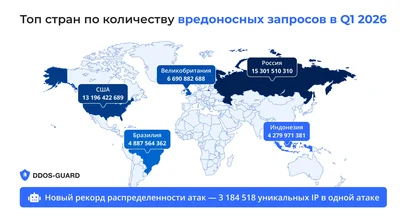






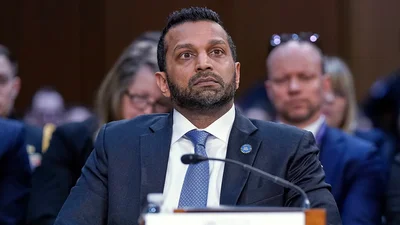






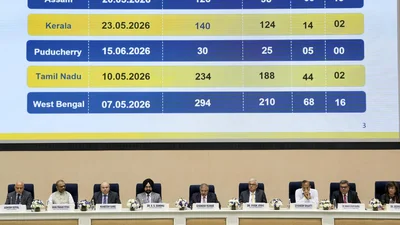















Energy & Climate 19
-
Turkey’s Renewables Surge Past 62%
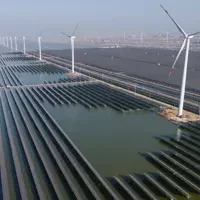 research →
Turkey has hit a major milestone with renewables now making up 62.4% of its installed electricity capacity, reaching 77,556 MW by February 2026. Solar and wind alone contribute over 41,000 MW, showing a sharp pivot towards cleaner energy. This leap not only slashes reliance on fossil fuels but also positions Turkey as a regional green energy leader. The next challenge: sustaining this momentum and integrating more renewables into the grid.
-
Chaevi Races to Build US EV Hub
 research →
Electric vehicle gear maker Chaevi is setting up a U.S. production base in California to snag crucial federal subsidies tied to the $5 billion NEVI infrastructure program. With only 16% of funds disbursed so far, the race is on to meet the Build America Buy America Act’s requirements and secure contracts in key states like California and Texas. This move could reshape EV supply chains and boost local manufacturing as the U.S. pushes to electrify its highways. Industry watchers will be keen to see how quickly Chaevi can pivot and capitalize on this massive funding wave.
-
China’s EV Surge Outpaces Oil Crisis
 research →
As the Strait of Hormuz tightens oil supplies and Brent crude soars above $90, China’s electric vehicle giants BYD and CATL are racing ahead, turning what was once seen as overcapacity into a critical bottleneck. With over 50% EV penetration in China and Southeast Asia emerging as a hotbed with 40% adoption, the shift to electric is reshaping global markets. This transformation echoes the 1973 oil embargo that catapulted Japanese automakers to dominance, signaling a new era where China leads the charge. Expect China’s EV momentum to accelerate even as geopolitical tensions simmer.
-
Spain Trails in Electric Vehicle Race
 research →
Spain lags behind in electric vehicle adoption, ranking in the third tier globally with a score of 51, tied with Uruguay and Finland. This puts it ahead of Italy and several Eastern European countries but far behind leaders like Norway (81) and the Netherlands (68). The slow uptake matters as Spain’s heavy fossil fuel dependence leaves its economy vulnerable amid global energy shocks. With tensions in the Middle East underscoring the urgency, Spain faces mounting pressure to accelerate its EV transition and energy sovereignty.
-
Tesla Unveils Massive $250M Energy Storage
 research →
Tesla has kicked off construction on a colossal energy storage system in Reno, valued at a staggering $250 million. The project features 256 Megapack battery units arranged into 16 clusters, designed to stabilize the power grid and smooth out energy demand spikes. This bold move strengthens Tesla's foothold in industrial energy storage and boosts renewable energy integration. The facility is set to become a landmark in large-scale battery storage once completed.
-
Cheap $13 Fuel Sparks Country Town Comebacks
 research →
A $13 fuel fill-up is breathing new life into Australia's forgotten rural towns, offering a lifeline to communities long bypassed by highways and time. With travellers now stopping more often, local businesses like bakeries, galleries, and eateries specializing in local produce are thriving again. This revival hints at a shift away from soulless highway service centers toward authentic country experiences. If this trend continues, many sleepy towns could soon transform into vibrant destinations.
-
Arctic Sea Ice Hits Record Low
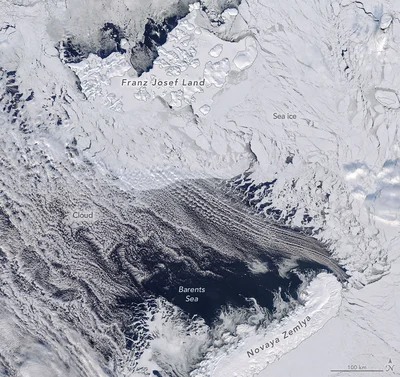 research →
This March, the Arctic sea ice reached its lowest maximum extent ever recorded since 1979, topping out at just 14.29 million square kilometers. The Barents Sea played a crucial role in this alarming dip, highlighting the fragile state of the Arctic's icy shield. This record low not only signals accelerating climate change but also threatens vital ecosystems and shipping routes. Scientists are now racing to understand the full impact and what this means for the planet’s future.
-
Renewables Shielded from Price Volatility
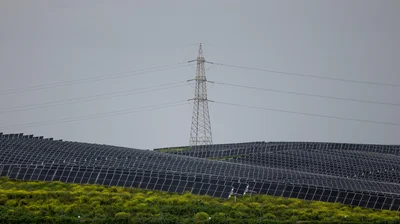 research →
In Spain, plunging electricity prices—dropping as low as 0.18 euros/MWh—have sparked worries about solar profitability. Yet, 90% of Spain’s 50 GW solar capacity is safeguarded by long-term contracts with big consumers, insulating renewables from wild price swings. This strategy highlights a smart adaptation amid stalled government auctions, securing steady income for solar developers. As renewables grow, this model could redefine energy market stability.
-
ESG 2.0 Redefines Global Stakes
 research →
The traditional ESG framework focused on Environmental, Social, and Governance issues is being challenged by a bold new vision from Brazilian diplomat Marcos Troyjo. He proposes ESG 2.0 should stand for Economy, Security, and Geopolitics, reflecting a world reshaped by Covid-19, the Ukraine war, and US-China rivalry. This shift forces investors and companies to rethink dependencies and risks beyond ethics and sustainability. As this debate heats up, the future of responsible investing could pivot dramatically.
-
EPA Targets Microplastics in Drinking Water
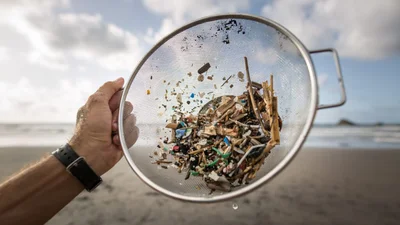 research →
The Environmental Protection Agency, led by Administrator Lee Zeldin, has proposed adding microplastics and pharmaceuticals to the official list of contaminants in drinking water for the first time. This move responds to growing public concern and aligns with Health Secretary Robert F. Kennedy Jr.'s push to tighten environmental protections. The proposal opens a 60-day public comment period before finalizing the list by mid-November, potentially paving the way for new regulations on water utilities nationwide.
-
EV Charging Boom Hits Sydney Suburbs
 research →
As petrol prices soar, electric vehicles are becoming the go-to for many drivers, but Sydney’s EV charging network is struggling to keep pace. Zapmap reports over 118,000 chargers nationwide, yet entire Sydney suburbs remain without a single public charger, sparking calls for policy changes. Electricity providers are pushing the Minns government to open the market, arguing current rules stifle expansion amid surging demand. With EV interest skyrocketing post-Iran conflict, the race is on to electrify Australia’s streets faster.
-
Gas Spike Fuels Used EV Frenzy
 research →
As global tensions send gas prices soaring—up more than a third nationwide since February—used electric vehicles are flying off lots from Texas to Australia. Dealers like Dink Davis at iDrive1 Motors report a surge so intense they can barely keep up with demand. Buyers are trading gas-guzzlers for EVs, chasing relief from pump pain and eyeing long-term savings. With prices for used EVs climbing and traditional cars losing value, this shift could reshape the auto market in the months ahead.
-
EV Charging Surges Amid Fuel Crisis
 research →
Electric vehicles are charging ahead as petrol prices soar, with public EV chargers seeing a 20% spike in usage ahead of Easter. But the surge is straining the network, prompting warnings of long waits at fast chargers, especially on busy holiday routes. Bernhard Conoplia of Evie Networks, managing a quarter of the nation's fast chargers, says this Easter will test the system like never before. With fuel excise cuts easing costs, EV rentals are booming, but the infrastructure scramble is just beginning.
-
Breadcrumbs Power Green Hydrogen Revolution
 research →
Scientists have cracked a groundbreaking method to produce hydrogen from breadcrumbs, turning food waste into a clean fuel source. This new hybrid process, blending bacterial fermentation with metal catalysis, could slash carbon emissions from hydrogen production, a major polluter in chemical manufacturing. With hydrogenation vital for industries from plastics to pharmaceuticals, this carbon-negative breakthrough might redefine sustainable chemistry. Next steps involve scaling this innovation to challenge fossil fuel dominance in hydrogen supply.
-
Renewables Surge, Dwarf Fossil Growth in 2025
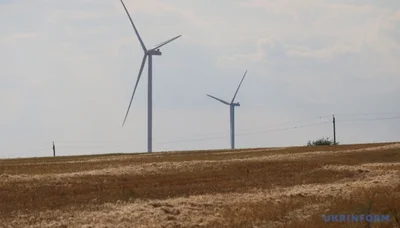 research →
Renewable energy capacity exploded by 700 GW in 2025, accounting for a staggering 86% of all new global power additions. Asia, led by China, now holds over half of the 5.1 terawatts of renewable capacity worldwide, while Europe follows with nearly a terawatt. Experts say this surge is a clear sign that renewables are not just a trend but a resilient economic shield amid fossil fuel price shocks. With wind and solar leading the charge, the energy landscape is shifting fast—expect this green momentum to accelerate further.
-
Renewables Surge to Half of Global Power
 research →
In 2025, renewable energy installations soared, pushing renewables to nearly 50% of global electricity capacity for the first time, according to IRENA's latest report. Solar power led the charge, making up nearly three-quarters of new renewable capacity additions, which totaled a record 692 GW. This rapid growth highlights a clear market shift toward clean energy, though experts warn the pace still falls short of climate goals. Next up: can the world accelerate further to meet urgent renewable commitments?
-
Middle East War Fuels Global Energy Shakeup
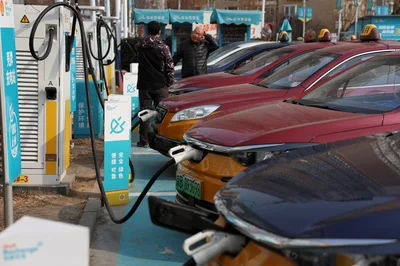 research →
The ongoing US-Israel-Iran conflict is reshaping global energy markets by threatening the vital Strait of Hormuz, a chokepoint for much of the world’s oil supply. With Brent crude prices soaring above $90 a barrel, China’s electric vehicle giants like BYD and CATL are seizing the moment, turning what once looked like overcapacity into a critical bottleneck. Meanwhile, Latin America’s oil sector is gearing up as a safer alternative for drilling investments. This energy tug-of-war signals a major shift in global power and market dynamics, with electrification and regional oil production poised to redefine the future.
-
Latin America Poised to Boost Oil Drilling
 research →
As the Iran war disrupts Middle Eastern oil exports, Brazil’s top rig supplier predicts a surge in Latin American oil and gas projects, capitalizing on the region’s lower geopolitical risks. With Iraq’s oil industry at a standstill and the Strait of Hormuz effectively closed, Latin America is emerging as a safer, more stable energy hub. This shift could reshape global oil flows and investment patterns in the coming months.
-
DeepSource and Qodana Redefine Code Quality
 research →
DeepSource and Qodana are reshaping how developers ensure code quality, but they play very different games. DeepSource dazzles with AI-powered code reviews, over 5,000 analysis rules, and automated fixes, targeting modern web and cloud app teams with a premium pricing model. Meanwhile, JetBrains’ Qodana sticks to tried-and-true inspections synced with popular IDEs, offering a budget-friendly option without AI bells and whistles. Choosing between them boils down to whether you want cutting-edge AI assistance or IDE consistency at a bargain. The next step? Watch how these platforms evolve as AI continues to transform software development workflows.
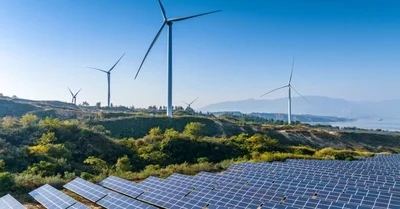








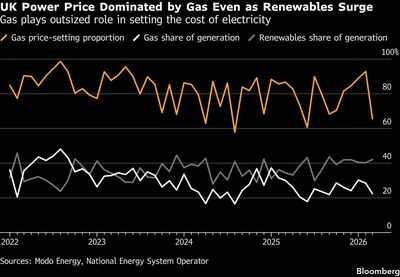














Sports 21
-
McIlroy Defends Masters Amid Fierce Challenge
 research →
Rory McIlroy returns to Augusta National as the reigning Masters champion, but his recent back issues and shaky form cast doubts on his defense. Despite this, the Northern Irish star remains confident, embracing the perks of his green jacket while facing fierce competition from top contenders like Justin Rose, Bryson DeChambeau, and Brooks Koepka. The 90th Masters promises a thrilling battle as McIlroy seeks to prove that winning the career grand slam was just the beginning.
-
Remco Evenepoel Shakes Up Tour of Flanders Debut
 research →
Remco Evenepoel, Belgium’s cycling prodigy, stunned fans by confirming his debut at the Tour of Flanders this Sunday. This race, the crown jewel of Belgian one-day classics, hasn’t been won by a Belgian since 2017, adding immense pressure and expectation. Evenepoel’s deep emotional ties to the race and his hometown fuel hopes he could end the drought and make history. With his team backing him strongly, all eyes will be on him as the season’s defining moment unfolds.
-
English Rugby Roars Back in Europe
 research →
Three weeks after a heart-stopping Six Nations loss to France, English rugby is staging a fierce comeback in the Champions Cup. Top Premiership clubs like Leicester, Bath, Saracens, and Harlequins are battling French giants such as UBB and Stade Toulousain in the knockout rounds. This revival signals England’s hunger to reclaim European glory, setting the stage for a thrilling quarterfinal showdown. Fans should brace for intense clashes as the Premiership aims to prove it can beat anyone on the continental stage.
-
Women’s Cycling Surges Past Men’s Drama
 research →
The women’s cycling scene is electrifying fans with unpredictability and fierce competition, outshining the often predictable men’s races. Since the season’s start, thrilling finishes like Elise Chabbey’s stunning Strade Bianche win have captured imaginations worldwide. This surge in excitement signals a shift in the sport’s dynamics, promising a fresh, captivating era for cycling enthusiasts. With rising stars and record-breaking attempts on the horizon, women’s cycling is rewriting the playbook.
-
F1’s Safety Rules Clash with Racing Thrills
 research →
The latest F1 season is stirring debate as new energy management rules are reshaping the sport’s core challenge. Drivers like Fernando Alonso argue that iconic circuits like Suzuka have lost their edge, turning fierce corners into mere “charging zones.” This shift is diluting the pure speed and risk that defined qualifying laps, sparking concerns over whether F1 is sacrificing excitement for safety. Fans and drivers alike are watching closely to see if the sport can find a better balance.
-
Barcelona and Atlético Clash in Triple Showdown
 research →
Barcelona and Atlético de Madrid are set for a high-stakes triple encounter over the next two weeks that could define their seasons. With LaLiga leader Barcelona holding a slim four-point edge over Real Madrid, the stakes are sky-high in both domestic and Champions League battles. The first match kicks off this Saturday at 9 PM, setting the tone for what could be a season-defining stretch. Fans should brace for intense drama as these giants fight for glory and survival.
-
Julien Absalon Dominates Trail Running
 research →
After retiring from professional cycling in 2018, Julien Absalon, the double Olympic mountain biking champion, has found a thrilling new passion in trail running. Now 45, he’s been smashing races across France, winning grueling events like the Balcons d’Azur (66 km) and Ceven’Trail (63 km). Absalon’s seamless transition from bike to trail shoes shows his relentless love for sport, and he’s quickly becoming a top name in the trail running world. Expect to see more of his impressive performances as he continues to blaze new paths.
-
Tiger Woods Seeks Rehab Abroad After DUI
 research →
Tiger Woods has been granted permission by a judge to travel outside the U.S. for drug treatment following his DUI arrest last week in Florida. The court cited the need for privacy and specialized care not available domestically, highlighting the intense public scrutiny the golf legend faces. This move marks a critical step in Woods’ recovery journey amid ongoing legal and personal challenges. Fans and observers now await updates on his treatment progress and potential return to the sport.
-
FA Cup Quarter-finals Set for TV Showdowns
 research →
This weekend’s FA Cup quarter-finals promise high drama as Manchester City face Liverpool in a repeat of their 2022 Wembley semi-final clash. Chelsea take on underdog Port Vale, while Arsenal visit Southampton aiming to keep their treble dreams alive. The weekend wraps with a tense West Ham vs Leeds battle for a Wembley semi-final spot. Fans can catch every moment live on TV and online, setting the stage for a thrilling run to the final.
-
Osimhen Sparks Galatasaray Jersey Frenzy
 research →
Victor Osimhen has ignited a global surge in Galatasaray jersey sales, joining forces with Leroy Sane and Mauro Icardi as the club’s top sellers. The Nigerian striker’s permanent move last summer, the biggest transfer in Turkish Super Lig history, has boosted the club’s brand worldwide. Vice-president Abdullah Kavukcu credits Osimhen’s star power for expanding Galatasaray’s fanbase and commercial reach. Next up: plans to take merchandising public and launch a café franchise, signaling a bold new era for the club’s global identity.
-
IPL Eyes Big Expansion Amid Scheduling Crunch
 research →
IPL chairman Arun Dhumal has hinted at a bold expansion of the tournament from 74 to potentially 94 matches, but the packed international cricket calendar remains a major hurdle. The current window between mid-March and late May is tight, and extending it is tricky due to India's monsoon season. While fans crave more IPL action, broadcasters resist more double-headers, making the path to growth complex. The next step hinges on global cricket boards reshuffling schedules to carve out space for the IPL’s ambitious growth.
-
World Cup 2026 Tickets Skyrocket Amid Frenzy
 research →
As the 2026 World Cup approaches, FIFA has sparked outrage by hiking final match ticket prices to nearly $16,000 AUD, up from $12,560. This steep increase comes alongside the final ticket sales phase, where millions vie for seats in a frantic first-come, first-served rush. Meanwhile, betting odds favor Spain after the group draw, setting the stage for a thrilling tournament. Fans and bettors alike are bracing for what promises to be the most expensive and eagerly anticipated World Cup yet.
-
Australia Sparks Shakeup in Rugby Transfers
 research →
Australia has quashed the threat of losing 22-year-old rugby star Massimo De Lutiis to Ulster and Ireland by securing his re-signing with Rugby Australia and Queensland. This victory has fueled a growing push led by Australia to overhaul World Rugby’s transfer system, which currently allows clubs like Ulster to snag top talent for a mere $48,000. The campaign aims to introduce fairer fees that reflect a player’s true value and could reshape international rugby’s talent flow. Next up: World Rugby’s decision on whether to embrace these reforms that could redefine player transfers globally.
-
Phil Mickelson Withdraws from Masters Amid Family Health Crisis
 research →
Phil Mickelson, three-time Masters champion, shocked golf fans by withdrawing from the 2026 Masters Tournament to focus on a personal family health matter. At 55, Mickelson announced he will be out for an extended period, joining Tiger Woods in sitting out this iconic major. His absence leaves a void at Augusta National, where he has been a beloved figure. Golf enthusiasts now watch closely as Mickelson prioritizes family over competition, hoping for his swift return.
-
MLB Battles Gambling Scandals Amid Expansion
 research →
MLB is grappling with a wave of gambling scandals that have rocked the league from 2024 through 2025, including arrests and lifetime bans for players and insiders like Ippei Muzihara and Tucupita Marcano. Despite these controversies, MLB is doubling down on gambling partnerships, notably with Polymarket, signaling a bold embrace of sports betting as it heads into the 2026 season. This tension between integrity and expansion raises questions about how the league will police gambling while capitalizing on its growing market. Fans and regulators alike will be watching closely to see if MLB can balance these competing pressures.
-
Tiger Woods’ DUI Shatters Masters Hopes
 research →
In a stunning turn, golf legend Tiger Woods was arrested for DUI after a rollover crash on Jupiter Island, Florida, dashing his hopes to compete in this year’s Masters. Bodycam footage reveals Woods telling officers he was “hoping to” play, just days before the tournament. The five-time Masters champion’s absence marks a somber moment for golf fans worldwide. With the investigation ongoing, Woods’ future on the course remains uncertain.
-
FA Sounds Alarm on England Fixture Overload
 research →
The Football Association has issued a stark warning that England’s World Cup ambitions and the historic FA Cup’s prestige are under threat due to relentless fixture congestion. With UEFA expanding club tournaments and a new 32-team Club World Cup on the horizon, elite players face punishing schedules. Despite scrapping cup replays to ease pressure, the FA admits domestic competitions risk losing value amid the global calendar’s expansion. The big question now: can football’s governing bodies find a balance before player welfare and national pride suffer?
-
NBA Courts Billion-Dollar Bets for Euro League
 research →
The NBA is gearing up to launch a groundbreaking European basketball league by fall 2027, with 14 to 16 teams across 12 major cities including London, Paris, and Istanbul. Investor enthusiasm is off the charts, with bids topping $1 billion and over 120 parties vying for franchise spots. This bold move signals a seismic shift in global basketball, aiming to tap into Europe's vast, untapped market. Next steps involve the NBA reviewing bids to pick partners who share its vision for continental basketball dominance.
-
Regional Sports Networks Collapse Amid Streaming Surge
 research →
Regional sports networks, once cash cows for local baseball, basketball, and hockey, are rapidly folding despite soaring live sports ratings. The shift to streaming has devastated the traditional pay TV bundle, forcing leagues like MLB to take control of media distribution for 14 teams. This upheaval signals a major shakeup in how fans will watch their hometown teams moving forward. The future of local sports broadcasting is now uncertain as the old RSN model fades fast.
-
AI Predicts Dota 2 Draft Winners Live
 research →
A new AI system built by a developer now predicts the outcome of professional Dota 2 matches immediately after the draft phase, analyzing over 10^15 possible hero combinations. Using advanced machine learning models trained on 28,000+ pro games, it factors in hero picks, player hero pools, team form, and lane matchups to deliver real-time predictions. This breakthrough could revolutionize esports analysis and fan engagement, with predictions published instantly on Telegram and a dedicated website. Next up: refining accuracy and expanding to other competitive games.
-
Tuchel Casts Doubt on Foden’s World Cup Spot
 research →
Phil Foden faces an uncertain future with England’s 2026 World Cup squad after manager Thomas Tuchel hinted the Manchester City midfielder might miss out. Despite shining in training, Foden has struggled to translate that form onto the pitch, starting only a handful of recent club games and failing to make an impact in friendlies. With captain Harry Kane injured, Foden was expected to step up but looked off the pace as England stumbled. The next few weeks will be crucial as Tuchel finalizes his squad for the tournament in North America.





































Entertainment & Culture 17
-
AI Fruit Dramas Explode on TikTok
 research →
Millions are hooked on bizarre AI-generated TikTok dramas starring anthropomorphic fruits like Strawberina and Bananito, mixing reality TV tropes with edgy, often problematic storylines. The series 'Fruit Love Island' alone boasts over 3 million followers and clips hitting up to 39 million views. While wildly popular, these videos raise serious concerns about normalizing racism and misogyny under the guise of quirky entertainment. As the trend grows, platforms and viewers face tough questions about the impact of AI-driven content on culture and ethics.
-
Prince William Hails Bowelbabe Fund’s £20M Triumph
 research →
Prince William has lauded the Bowelbabe Fund, created by the late Dame Deborah James, as it smashed the £20 million mark. What began as a modest £250,000 goal in 2022 has grown into a powerhouse supporting vital bowel cancer research and awareness. William’s heartfelt Instagram tribute underscores the fund’s profound impact and Deborah’s enduring legacy. The next chapter promises even greater strides in battling bowel cancer, fueled by this remarkable fundraising milestone.
-
Stephen and Ayesha Curry Join Buffett’s Charity Revival
 research →
Stephen and Ayesha Curry are teaming up with billionaire Warren Buffett to relaunch his iconic charity lunch with a fresh twist. The auction, named “A Seat At The Table,” blends Buffett’s $150 billion financial influence with the Currys’ cultural star power to drive impact in underserved communities. This partnership marks a new chapter in philanthropy, showing how sports and finance can unite for social good. Fans and philanthropists alike will be watching closely as this initiative unfolds.
-
Netflix Pushes for New Franchises Post-Warner Bid
 research →
After losing the high-stakes $72 billion bid for Warner Bros Discovery’s legendary catalog, Netflix is doubling down on building its own blockbuster franchises. Chief Creative Officer Bela Bajaria vows to keep investing in fresh ideas and partnerships with studios like MGM and Warner Bros to create hits with lasting cultural impact, following the footsteps of Stranger Things and Bridgerton. The setback exposed Netflix’s challenge: its original content library is just over a decade old, far younger than century-old rivals like Warner Bros and Disney. Now, the streaming giant is racing to craft the next generation of iconic stories.
-
Heritage Istanbul 2026 Unites Global Culture Pros
 research →
The 9th Heritage Istanbul Fair burst into life at the Yenikapı Eurasia Exhibition Center, drawing over 130 companies from Turkey, Russia, Italy, and beyond. This four-day cultural powerhouse blends restoration, archaeology, museology, and library tech, spotlighting Istanbul’s role as a guardian of history. Istanbul Governor Davut Gül reminded attendees that preserving the city’s heritage is a shared responsibility, setting the tone for vibrant exchanges and future collaborations. The fair continues to foster global partnerships that will shape how history is preserved and celebrated worldwide.
-
Iran Demands UNESCO Action on Heritage Attacks
 research →
Iran has called for an emergency UNESCO meeting to address the devastating impact of US and Israeli airstrikes on its cultural heritage, reporting damage to 131 historic sites, including the iconic Golestan Palace. This move highlights Tehran’s push to spotlight what it calls unlawful destruction amid ongoing conflict. As the war escalates, the world watches whether UNESCO will respond swiftly to protect endangered cultural treasures. The meeting could set a precedent for international cultural preservation during wartime.
-
KultureCity Transforms Events for Sensory Inclusion
 research →
KultureCity is breaking new ground by adapting major public events to accommodate people with special sensory needs. This initiative, highlighted by voices like Dr. Michele Kong and Holly Robinson Peete, aims to make social gatherings more accessible and enjoyable for those often overlooked. As awareness grows, these adaptations could set a new standard for inclusivity nationwide. The nonprofit plans to expand these efforts, promising a future where everyone can participate fully.
-
Sydney’s Hidden Museum Gems Spark Joy
 research →
This Easter, Sydney’s museums and galleries are unveiling a trove of hidden delights that won’t cost you a cent. From secret libraries tucked inside larger ones to celestial exhibits under starry skies, these cultural hotspots offer a budget-friendly escape for all ages. NSW Arts Minister John Graham highlights that with rising living costs, these free treasures are a welcome relief and invite everyone to embark on a real-life treasure hunt. Expect more surprises as Sydney’s cultural scene continues to open its doors wider this holiday season.
-
Festival Blends Aliens and Lad Culture
 research →
The Melbourne Town Hall is hosting a wild festival that throws together aliens, lad culture, and even a cheeky nod to ‘Fat Tom Cruise.’ At the heart of it is Chloe Petts’ show 'Big Naturals,' inspired by the cheeky slang for large, natural breasts once celebrated by English tabloids. This quirky mix highlights how lad culture shapes contemporary art and pop culture. The festival runs until April 19, promising a bold, irreverent celebration that challenges norms and entertains in equal measure.
-
Danny Boyle Unleashes Southbank Pop Culture Spectacle
 research →
Danny Boyle, famed for the 2012 Olympics opening ceremony, is set to transform London’s Southbank Centre with 'You Are Here,' a one-day immersive event celebrating 75 years of youth culture. Featuring 1,000 performers and expected to draw over 10,000 attendees, the spectacle journeys through iconic movements from teddy boys to Britpop. Marking the 75th anniversary of the Royal Festival Hall, this event spotlights the Southbank’s pivotal role in shaping British cultural history. Fans and culture lovers alike can look forward to a vibrant, chaotic celebration on May 3.
-
UK Venues Slam Labour’s ‘Token’ Rate Relief
 research →
Grassroots music venues across the UK have voiced sharp disappointment after Labour’s promised 15% business rates relief for pubs and music venues came into effect this week. Despite initial hopes that the relief would ease financial strain worsened by the pandemic and cost-of-living crisis, many venue owners, like Adam Regan of Birmingham’s Hare & Hounds, say the support barely scratches the surface of their survival challenges. The backlash highlights the precarious state of Britain’s live music scene and raises urgent questions about what real help looks like going forward.
-
Veteran NZ Journalist Wins $43K Payout
 research →
Senior journalist Gifford, a board member of NZ on Air with a 40-year career, has won over $43,000 after being unfairly dismissed by Radio Waatea during a botched restructure. The ruling also fined Radio Waatea’s owner for withholding his final pay, spotlighting poor communication in media layoffs. This case underscores the ongoing challenges in New Zealand’s media industry as it faces shake-ups and restructuring. Industry watchers will be keen to see how media outlets handle staff changes moving forward.
-
Umezu Kazuo: Horror Manga Legend Dies
 research →
Umezu Kazuo, the legendary horror manga creator known for classics like The Drifting Classroom, passed away at 88 on October 28, 2024. Famous for his dark, apocalyptic vision that clashed with Tezuka Osamu’s optimistic futures, Umezu carved a unique niche in manga history. His work continues to influence horror storytelling worldwide. Fans and scholars alike are now reflecting on his legacy and the bold path he forged away from mainstream optimism.
-
Crunchyroll Unveils 2026 Anime Award Nominees
 research →
Crunchyroll has dropped the full list of nominees for its 10th Anime Awards, spotlighting fierce contenders like My Hero Academia FINAL SEASON, DAN DA DAN Season 2, and chainsaw Man – The Movie: Reze Arc. Fans now have until April 15 to cast their votes and decide who takes home honors in categories such as Anime of the Year and Best Original Anime. With such a stacked lineup, this year’s awards promise to be a thrilling celebration of anime’s best and brightest. Stay tuned as the community rallies behind their favorites!
-
Police Media Director’s Secret Messages Exposed
research →
Nearly 300 pages of police documents reveal a months-long exchange between Juli Clausen, Police's media communications director, and documentary boss Dame Julie Christie. Their messages included sensitive details about the last hours of Tom Phillips, shedding light on behind-the-scenes media coordination. This unprecedented transparency raises questions about the relationship between police and media producers. More revelations are expected as the documentary progresses.
-
São Paulo Pulses with D-EDGE Festival
 research →
Tonight, São Paulo transforms into an electronic music haven as the D-EDGE Festival 2026 lights up Komplexo Tempo with over 50 artists across five stages. Highlights include a rare B2B set from Detroit legends Carl Craig and Moodymann, alongside live performances by KiNK and DJ Marky. This massive event marks a milestone for Brazil’s club scene, showcasing everything from deep house to drum’n’bass. As the city grooves, all eyes are on how this festival will shape São Paulo’s nightlife future.
-
Netflix Doubles Down on Originals After Harry Potter Loss
 research →
Netflix is pushing hard to build its own blockbuster franchises after missing out on Warner Bros Discovery’s legendary catalog, including Harry Potter. Chief Creative Officer Bela Bajaria vows to keep betting on fresh ideas and partnerships with studios like MGM to create hits that last, following the success of shows like Stranger Things and Bridgerton. This move highlights Netflix’s challenge in competing with century-old giants like Disney and Warner Bros. The streaming giant’s next chapters will reveal if it can truly craft culture-defining stories from scratch.
























Development & Open Source 24
-
JavaScript Backend Faces Performance Tax
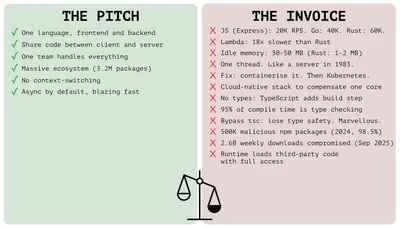 research →
JavaScript powers countless backends today, but it comes at a steep cost. Despite its ubiquity, frameworks like Express handle only half the requests per second compared to Go and a fraction of what Rust achieves, while consuming far more memory. The single-threaded nature of Node.js also means CPU-heavy tasks block everything else, causing latency spikes. As backend demands grow, developers must weigh the convenience of one language against the hidden resource and architecture tolls. The next wave could favor leaner, faster languages or new concurrency models to break JavaScript’s backend bottleneck.
-
Master Full Stack Web Dev in 2026
 research →
Full Stack Web Developer Roadmap 2026 cuts through the chaos of endless frameworks with a clear, step-by-step guide from beginner to advanced, focusing on the MERN stack. It emphasizes mastering fundamentals like HTML, CSS, and JavaScript before diving into complex tools, ensuring developers build real-world skills that matter. With the web evolving fast, this roadmap is a must-have compass for anyone aiming to stay relevant and build powerful apps. Next up: exploring how React’s latest features reshape frontend development.
-
React 2026 Unveils Game-Changing Features
 research →
React just dropped its 2026 update, shaking up web development with Server Components that offload UI rendering to the server, slashing JavaScript bundle sizes and boosting load speeds. This means faster, more secure apps with better SEO — a huge leap for developers and users alike. Plus, smarter Concurrent Rendering tackles sluggishness by breaking up heavy tasks, making interfaces feel snappier than ever. The future of React is here, and it’s all about speed and scalability.
-
Django Dominates Data-Heavy Apps Over Node.js
 research →
Django outshines Node.js for data-heavy applications by leveraging Python’s powerhouse status in data science, handling massive workloads like Spotify’s 600GB daily data crunch and Instagram’s 95 million photos. While Node.js excels in real-time concurrency, Django’s strength lies in deep data processing and complex workflows, boosted by tools like Redis caching delivering over 100,000 ops/sec. For developers building apps that transform mountains of data into insights, Django remains the go-to framework. The next battlefront: optimizing real-time features without sacrificing data muscle.
-
Build Full-Stack Python Apps Without JS
 research →
Forget React or Vue — Reflex lets you build full-stack web apps entirely in Python, no JavaScript frameworks needed. Developer Dev.to just showcased how to create a reactive Task Manager app with clean, component-based design using Reflex. This approach could simplify development and reduce complexity for Python fans. Next up: exploring Reflex’s potential for bigger, production-ready projects.
-
Rust Embraces Functional Programming Revolution
 research →
Functional programming in Rust is shaking up the coding world by making software cleaner, more readable, and far more predictable. Despite lingering biases favoring object-oriented approaches, advocates argue FP is no longer just for mathematicians or niche geeks but a powerful tool for modern developers. As Rust continues to evolve, this shift promises to redefine how programmers tackle complexity and bugs. Expect more projects and tutorials pushing FP principles in Rust soon.
-
Go’s Concurrency Hack Crushes 1M Requests
 research →
In a stunning reversal of conventional wisdom, Go developers discovered that spawning fewer goroutines can actually supercharge performance. By adopting a smart worker pool pattern, they slashed memory use by 85% and boosted throughput 40x, handling over 1 million requests per second. This breakthrough exposes the costly myth that more goroutines always mean better concurrency, revealing deep runtime and scheduler nuances. As Go powers critical services, this insight promises to reshape how developers build scalable, efficient systems.
-
Master Git: Track, Undo, Collaborate Fast
 research →
Git is the ultimate lifesaver for coders who’ve ever wished to undo a mistake or lost work. This beginner’s guide breaks down how to install Git, use basic commands, create branches, and collaborate seamlessly. Understanding Git means never juggling messy file versions again and confidently working with others. Next up? Dive into branching and collaboration to supercharge your coding workflow.
-
Python, JavaScript, Go: Who Leads 2026?
 research →
Python, JavaScript, and Go are battling it out as the top programming languages of 2026, each carving distinct career paths. Python dominates data science and AI, JavaScript rules web development, and Go powers backend and cloud infrastructure. This clear-cut guide helps developers pick the right language based on goals, not hype. As tech evolves, knowing where to invest your coding hours could define your future in software.
-
Spin Up CI/CD Fast on Fresh VM
 research →
Setting up a CI/CD pipeline from scratch on a fresh Debian VM just got simpler thanks to a practical guide using VS Code, GitLab, SonarQube, and Docker. The key takeaway? Keep your Git workflow minimal with a single 'main' branch to avoid headaches and speed up delivery. This streamlined approach cuts through common setup pitfalls, making it easier to get your Python project pipeline running smoothly. Next up, developers can focus on refining their workflows instead of wrestling with complex branching.
-
Why Developers Are Ditching React
 research →
A growing chorus of developers is turning away from React, citing its heavy JavaScript payloads, constant API churn, and complex dependency trees as major headaches. Agencies report that React apps often carry 4-8 times the code weight of vanilla HTML, slowing load times and complicating maintenance. Beyond performance, the framework’s rapid evolution demands frequent rewrites, while hiring React specialists narrows talent pools. As simpler, leaner alternatives gain traction, the React backlash signals a shift toward more sustainable web development practices.
-
Axios npm Hit by Major Supply Chain Hack
 research →
Axios, the HTTP client library downloaded over 100 million times weekly, was hijacked on March 31, 2026, unleashing a Remote Access Trojan through two malicious versions: axios@1.14.1 and axios@0.30.4. Attackers took over the lead maintainer’s npm account, slipping in a hidden dependency that stole SSH keys and cloud credentials from developers worldwide. The breach lasted over 12 hours, silently infecting countless environments before npm pulled the packages. Developers must now urgently audit their systems and revoke exposed credentials to contain the fallout.
-
Flutter Powers Local-Only Password Vault
 research →
PasswordSafeVault flips the script on cloud password managers by keeping your secrets locked locally, not on some distant server. Built with Flutter, it uses platform-specific security like iOS Keychain and Android Keystore to protect your data without ever syncing to the cloud. This means no accounts, no third-party trust, just you and your device. With rising cloud breaches, this local-first approach could redefine password safety—expect it soon on your app store.
-
Cracking Backend Speed: Percentiles Over Averages
 research →
Backend performance isn’t just about averages—it's about the experience of the slowest users. A new practical playbook reveals why focusing on percentile metrics like p95 and p99 is the secret sauce to truly fast, predictable systems. By observing, profiling, fixing bottlenecks like N+1 queries and caching, and verifying improvements, developers can compress the gap between median and worst-case latency. This approach promises smoother apps and happier users, setting a new standard for backend optimization.
-
AgentOps Revolutionizes AI Deployment
 research →
AWS’s DevOps Agent, now generally available, is transforming AI deployment by autonomously managing complex, multi-cloud environments. Unlike traditional MLOps, which focuses on model training and versioning, AgentOps tackles the unique challenge of operating AI agents that act in the real world—executing tasks, triggering workflows, and making decisions. This new discipline addresses critical failure modes like infinite loops and hallucinations that can silently cripple AI systems. As enterprises rush to adopt these agents, mastering AgentOps will be crucial to keep AI reliable and effective.
-
Taming AI’s Final Boss: Enterprise Governance
 research →
After building a cutting-edge multi-agent AI system that runs offline, the real challenge hits: scaling it securely across a global enterprise. Oracle 26ai is stepping up as the mission-critical platform to enforce governance, privacy, and audit standards on thousands of agents running millions of audits. Meanwhile, the rise of AgentOps signals a new frontier beyond MLOps, focusing on managing AI systems that act autonomously, not just predict. The future is about mastering control, not just capability.
-
Inside the Modern DevOps Revolution
 research →
The digital world’s backbone is no longer a mystery thanks to a fresh, human-focused guide to modern DevOps. From the silent power of servers and the vastness of IPv6 to the cultural shift emphasizing collaboration and continuous improvement, this new roadmap demystifies how websites and apps truly come alive. With pioneers like Netflix having paved the cloud path since 2010, the future of DevOps promises even deeper innovation and value delivery. For anyone curious about the internet’s inner workings, this guide is the perfect starting point.
-
AI Projects Stall Without Rigorous Testing
 research →
Most AI projects never reach production, not because of poor models but due to a critical lack of testability, reveals recent reports. Despite booming generative AI adoption, 87% of data science projects fail to ship, often stuck between prototype and deployment. The hidden culprit? Teams struggle to apply traditional software testing rigor to AI’s unique challenges, leading to costly technical debt and failures. As AI complexity shifts rather than shrinks, building robust test suites is now the frontline for turning AI experiments into reliable products.
-
Python’s Performance Puzzle: Limits and Breakthroughs
 research →
Python remains the darling of data science and web development, but its interpreter and Global Interpreter Lock (GIL) throttle performance in CPU-heavy tasks, frustrating developers who crave speed. While Python’s ease of use fuels its popularity, these mechanical trade-offs become glaring in real-time and parallel processing scenarios. Enter Pyre, a Rust-based reinvention of PyPy’s meta-tracing JIT that promises to unlock Python’s speed potential with faster compilation and cutting-edge optimization. This breakthrough could reshape Python’s future, balancing its famed accessibility with much-needed efficiency.
-
OpenClaw AI Agents Face Security Wake-Up Call
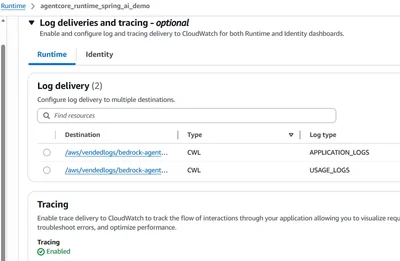 research →
OpenClaw AI Agents are under fresh scrutiny after researchers uncovered over 135,000 exposed instances online, vulnerable to prompt injection and API key theft. This massive exposure highlights the urgent need for robust observability and security auditing, as detailed in a new guide leveraging Alibaba Cloud Simple Log Service (SLS) to track agent behavior and costs in real time. Meanwhile, security layers like PAIO, backed by PureVPN, promise to plug these dangerous gaps. The AI community now faces a critical moment: tighten controls or risk widespread exploitation.
-
Building a Blog App at the Edge
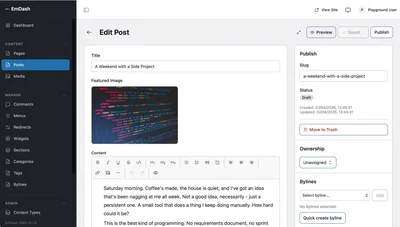 research →
A developer crafted a cutting-edge Blog app using Cloudflare Workers and Hono, leveraging edge functions for lightning-fast performance. The stack includes Prisma ORM with NeonDB for Postgres, React with Vite on the frontend, and AWS for deployment, showcasing a modern, scalable approach. This project highlights how edge computing can revolutionize app responsiveness and developer workflows. Next up: refining the app and exploring broader use cases for edge-powered blogs.
-
25 Self-Hosted GitHub Gems Explode in Popularity
 research →
Developers are ditching pricey apps and embracing self-hosted open-source projects, with 25 standout tools on GitHub leading the charge in 2026. These projects, like Ollama with its 139k stars, offer powerful, privacy-friendly alternatives that run easily on cheap VPS setups. The surge highlights a shift toward control, cost savings, and community-driven innovation. Expect this trend to accelerate as deployment gets simpler and more developers seek independence from corporate platforms.
-
Claude Code Leak Sparks AI Supply Chain Alarm
 research →
On March 31st, Anthropic accidentally exposed the entire source code of their AI, Claude Code, through a public npm package—over 512,000 lines of TypeScript spilled into the open. This wasn’t a hack but a packaging blunder involving a source map file, turning a routine developer slip into a major supply chain risk. While the code was technically accessible before, this leak exposed raw, unminified details, raising alarms about AI infrastructure security. Now, the industry is scrambling to patch vulnerabilities and rethink how AI code is safeguarded in public repositories.
-
Open Source Trust Shaken Amid AI Surge
 research →
The latest Trusted Open Source Report 2026 reveals a fast-evolving software world where AI supercharges development speed but also complicates security. With over 25,000 MCP servers analyzed, researchers uncovered vast dependency risks lurking beneath the surface of popular tools. Meanwhile, the Node.js bug bounty program has been paused due to funding cuts, leaving a critical security safety net temporarily deflated. As open source powers the digital future, the community faces urgent questions about trust and vulnerability management.

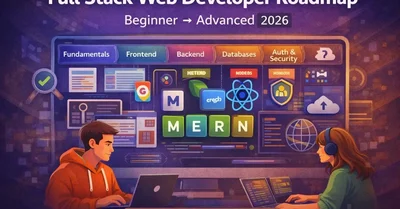





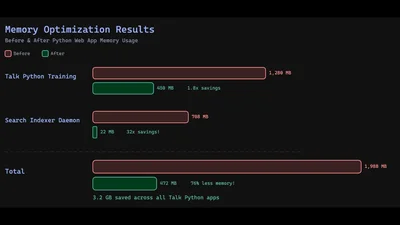











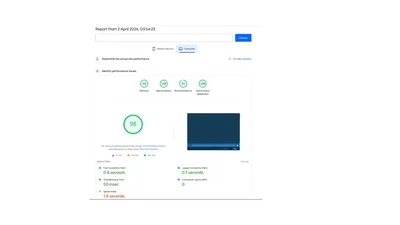

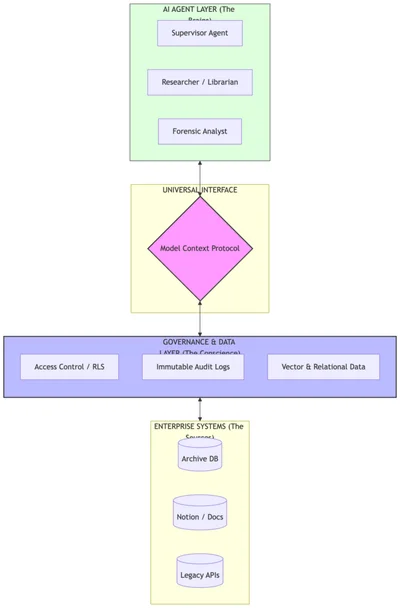

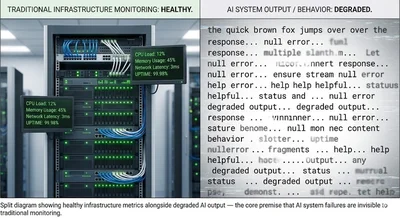
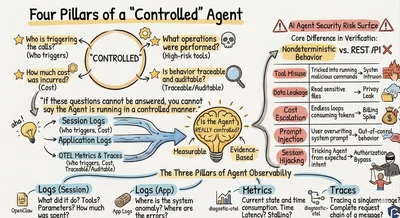





Society & Migration 23
-
Trump Crowns Himself ‘King’ at Easter Lunch
 research →
At a closed-door White House Easter lunch streamed briefly online, President Donald Trump stunned attendees by comparing himself to Jesus Christ, declaring, “They call me king now.” The candid 40-minute speech, peppered with bold remarks including urging Erika Kirk to “sue the hell out of them,” sparked waves of controversy and viral clips before the video was swiftly removed. Trump's spiritual adviser Paula White-Cain amplified the moment, likening his career to Christ’s resurrection. This Easter spectacle blends politics, faith, and spectacle, leaving many wondering what’s next for Trump’s religious messaging.
-
Texas Temple Video Sparks Racist Backlash
 research →
A video by conservative influencer Savannah Hernandez at the Karya Siddhi Hanuman Temple in Frisco, Texas, has ignited a wave of racist and hateful comments online. Hernandez’s claims about devotees praying for visas have stirred anti-Indian sentiments amid a tense immigration climate under the Trump administration. This incident highlights growing cultural tensions in North Texas, raising concerns about rising xenophobia. The fallout is expected to fuel further debates on immigration and religious tolerance in America.
-
Midwest Food Pantry Network Shuts Down
 research →
Ruby’s Pantry, a vital food network serving over 300,000 families across Iowa, Minnesota, North Dakota, and Wisconsin, has abruptly ceased operations. The closure leaves thousands scrambling amid rising living costs, with the organization citing financial unsustainability. This sudden shutdown highlights growing food insecurity in the Midwest, raising urgent questions about how communities will fill the void left behind. Local leaders and charities now face the challenge of stepping up to support vulnerable families in crisis.
-
Urban Populations Follow Fractal Growth Rules
 research →
A groundbreaking study analyzing 477 cities worldwide reveals that urban populations grow and fluctuate following precise fractal patterns. Researchers found that the way inhabitants cluster and spread scales predictably with city size, challenging previous urban theories. This discovery could reshape how planners understand city growth and manage resources in rapidly expanding urban areas. Next steps include applying these insights to improve sustainable urban development and infrastructure design.
-
Justice Jackson Ignites First Amendment Firestorm
 research →
Justice Ketanji Brown Jackson has stirred fierce debate with her lone dissent in a landmark First Amendment case, warning of a dangerous new era after the Supreme Court ruled 8-1 that Colorado cannot ban counselors from discussing sexual orientation changes with minors. Jackson fears this ruling will unleash divisive speech under the guise of science, clashing with the majority’s free speech victory. Meanwhile, her controversial birthright citizenship analogy comparing it to theft in Japan has sparked a conservative uproar online. The court’s decisions signal a turbulent road ahead for free speech and constitutional interpretation in America.
-
Jos Violence Sparks Global Alarm
 research →
The city of Jos in Nigeria’s Plateau State has once again been rocked by brutal attacks, with at least 30 killed in a Palm Sunday assault. This violence exposes deep-rooted ethnic and religious fractures, turning Jos into a symbol of Nigeria’s unresolved identity crisis. International voices, including US lawmaker Mark Harris, are now demanding sanctions and urgent action, warning that the bloodshed threatens regional stability. As local leaders and religious councils call for decisive government intervention, the world watches closely to see if peace can be restored or if Jos will continue to bleed.
-
War-Driven Hunger Threatens Millions
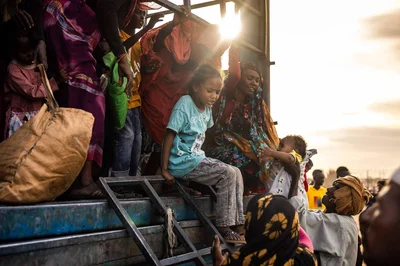 research →
A sharp 20% rise in global food prices risks pushing 5 million more people in Arab countries into hunger, warns the UN. Fragile economies, battered by conflict and import dependence, face a perfect storm of soaring costs and supply shocks. With Gulf oil exports plummeting and prices soaring past $112 a barrel, inflation and budget deficits are spiraling. The crisis underscores how war’s ripple effects devastate food security, demanding urgent global attention.
-
Insurers Race to Boost Kids’ Coverage
 research →
Insurance companies in South Korea are aggressively expanding children’s health coverage, driven by government policies aimed at easing child-rearing costs and tackling low birthrates. The market, worth about 9.4 trillion won ($6.18 billion) annually, now features innovative policies that grow benefits over time and cover a wider range of risks including mental health and school violence. Tongyang Life’s new plan even doubles payouts after 20 years, locking in customers from prenatal stages through adulthood. This shift signals a long-term bet on families as insurers compete fiercely for loyalty.
-
DOJ Sues Harvard Over Campus Antisemitism
 research →
The U.S. Department of Justice has launched a multibillion-dollar lawsuit against Harvard University, accusing it of failing to protect Jewish students amid rising antisemitism on campus. Students report feeling unwelcome and say task force reforms remain unimplemented, raising serious civil rights concerns. This legal battle threatens Harvard’s federal funding and could set a precedent for how universities handle hate crimes. Meanwhile, Jewish communities nationwide brace for heightened security during Passover amid escalating threats.
-
Universities Face Fierce Backlash Over Leadership and Legacy
 research →
Universities across the US and South Africa are under fire as students and influential figures challenge leadership and legacy issues. At Stellenbosch University, former Chancellor Edwin Cameron’s legal battle highlights deep concerns over campus culture and governance. Meanwhile, American campuses from Ohio State to Harvard are rocked by protests demanding the removal of donor names linked to Jeffrey Epstein, spotlighting accountability and survivor respect. These upheavals underscore a growing demand for transparency and ethical leadership in higher education worldwide.
-
Trump’s Deportation Drive Hits New Fronts
 research →
President Donald Trump is ramping up his deportation campaign by enlisting unexpected government agencies like the IRS, Medicaid, and HUD to root out undocumented immigrants. Despite legal bans on access to federal aid, the administration is targeting public assistance programs, sparking fierce backlash and legal battles from states and advocacy groups. With over 4.4 million households receiving housing aid, including about 20,000 with undocumented members, this crackdown could disrupt thousands of lives. Meanwhile, the first US deportees have landed in Uganda, igniting international legal challenges and raising questions about the global reach of Trump’s immigration policies.
-
Israel Deepens Lebanon Invasion Amid Rising Toll
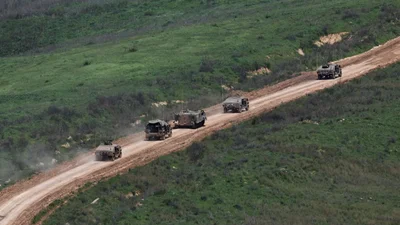 research →
Israel has pushed deeper into southern Lebanon, expanding its ground operations well beyond the border after a month of conflict. The government of Benjamin Netanyahu aims to create a permanent “security zone” inside Lebanese territory, marking a stark escalation from previous engagements. Meanwhile, Israeli airstrikes have killed at least 7 civilians and reportedly 40 Hezbollah fighters in recent days, intensifying the deadly toll. As resistance stiffens, the region braces for a prolonged and uncertain conflict.
-
West Asia War Chills Kerala Tourism Boom
 research →
Kerala’s famed Kovalam beach, usually buzzing with European tourists, is eerily quiet this spring as the West Asia war disrupts travel plans. Despite mild weather and increased flights from Thiruvananthapuram airport, international visitors remain scarce, hitting the local tourism economy hard. This downturn underscores how geopolitical conflicts ripple far beyond borders, affecting livelihoods thousands of miles away. The recovery hinges on peace in West Asia and reopening of airspaces, a wait that Kerala’s tourism sector watches anxiously.
-
Belarus Tightens Grip on LGBTQ+ Rights
 research →
Belarus’s parliament has passed a harsh new bill criminalizing the promotion of LGBTQ+ causes, equating them with pedophilia and imposing fines, community labor, and arrests. This move, mirroring Russia’s crackdown, signals a deepening authoritarian clampdown under President Alexander Lukashenko, who has long mocked LGBTQ+ identities. Despite decriminalizing homosexuality in 1994, Belarus has never protected LGBTQ+ rights, and this law marks a dangerous regression. The bill now awaits Lukashenko’s signature, setting the stage for intensified repression amid ongoing Western sanctions.
-
Churches Launch Drones, Skydiving Bunnies for Easter
 research →
This Easter, American churches are taking celebrations to new heights—literally. Compass Church in California and Cultivate Church in Alabama wowed crowds with helicopter egg drops featuring a skydiving bunny and 100,000 Easter eggs. These high-flying festivities mix tradition with tech to engage families and Gen Z in faith. With bounce houses and games on the ground, this fresh approach could reshape how communities connect during holy days.
-
Over 10,000 Displaced in Nigeria’s Growing Crisis
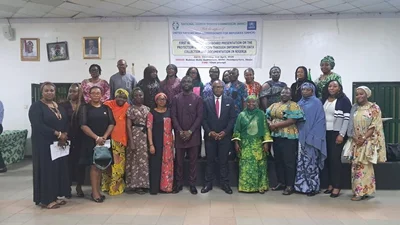 research →
The National Human Rights Commission (NHRC) revealed that 10,884 people were displaced across nine Nigerian states in just two months, highlighting a worsening protection crisis fueled by insecurity. States like Kano, Borno, and Taraba are among those hardest hit, with funding cuts forcing NHRC to scale back monitoring efforts. Meanwhile, displaced Tiv Christians in Taraba protest after seven years in camps, pleading for urgent government and international help. The crisis shows no signs of easing, demanding swift action to restore safety and dignity.
-
Americans Boost Retirement Savings Target
 research →
Americans now say they need $1.5 million to retire comfortably, a sharp $200,000 increase from last year, according to a Northwestern Mutual survey of 4,375 adults. Despite rising costs and cuts to federal healthcare programs, fewer people worry about outliving their savings, signaling growing confidence or acceptance of the new financial reality. Experts link this jump to inflation and economic uncertainty, especially with recent global tensions. The big question: will Americans be able to meet these higher goals as the cost of living keeps climbing?
-
1.6 Million Ukrainians Brave Frontlines Home
 research →
Despite relentless Russian attacks, over 1.6 million Ukrainians have returned to frontline regions like Kharkiv and Donetsk, driven by a powerful longing for home. Save the Children reveals that three-quarters of these families chose the dangers of war zones over isolation elsewhere. This poignant return highlights the deep human cost of conflict and the resilience of communities. As fighting continues, humanitarian efforts must adapt to support those who refuse to abandon their roots.
-
Merz’s Popularity Hits Historic Low
 research →
Chancellor Friedrich Merz is facing a political storm as his popularity plunges to record lows, with 84% of Germans expressing dissatisfaction in the latest ARD poll. Since taking office in May 2025, Merz promised an 'autumn of reforms' that never came, leaving voters frustrated amid political gridlock and looming social benefit cuts. Even his own CDU supporters are jumping ship, signaling deep cracks in the governing coalition. With state elections shaking up the political landscape, the pressure is mounting for Merz to deliver or risk further fallout.
-
Universities Target Epstein-Linked Names
 research →
A wave of protests is sweeping US campuses demanding the removal of names tied to Jeffrey Epstein from university buildings. At Ohio State University, students and staff are calling for the removal of billionaire Les Wexner’s name from multiple facilities due to his documented ties to Epstein. Similar demands are rising at Harvard and other schools against donors like Steve Tisch and Casey Wasserman. This movement highlights a growing reckoning with the legacy of Epstein’s network in academia, with universities facing mounting pressure to act.
-
South Africa’s Local Governments Crumble Fast
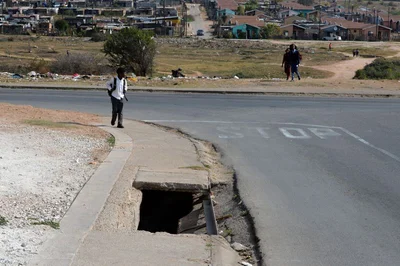 research →
South Africa’s local governments are in freefall after decades of neglect and budget cuts, leaving communities drowning in broken pipes, power outages, and sewage floods. Daily Maverick and Mail & Guardian reveal a 30-year slow-motion collapse that’s now impossible to ignore. With local elections looming, voters face a harsh reality: promises won’t fix crumbling infrastructure overnight. The question now is whether political leaders can reverse this decay or if the crisis will deepen further.
-
GBV Survivors Demand Healing Over Punishment
 research →
A groundbreaking study by the Foundation for Human Rights reveals that gender-based violence survivors in South Africa prioritize healing and community acknowledgment over jail time for perpetrators. Led by experts like Itumeleng Magoai and Samantha Vilakazi, the research spans all nine provinces and challenges traditional justice notions. This survivor-centered approach calls for a shift in how society and the justice system respond to GBV. The findings could reshape policies and support services nationwide.
-
Seoul’s Diplomatic Hub Blossoms with Diversity
 research →
In the heart of Seoul’s diplomatic quarter, ambassadors from 116 bilateral and 30 multilateral missions find a rare cultural oasis in Hannam-dong’s small Catholic church. Irish Ambassador Michelle Winthrop and Papua New Guinea’s Helen Aitsi highlight how this humble community space offers a warm embrace amid Korea’s largely homogenous society. This slice of diversity not only enriches their daily lives but also symbolizes Seoul’s growing role as a global crossroads. As more foreign diplomats settle in, such cultural pockets may become vital for fostering deeper international understanding.