AI & Machine Learning 16
-
AI Agents Revolutionize Task Automation
 research →
From clunky RPA scripts in 2020 to AI that literally 'sees' your screen in 2026, task automation has taken a quantum leap. AI agents now operate apps by interpreting screenshots like humans, ditching the need for APIs or HTML parsing. Companies like SaaStr are already running millions in revenue with fleets of these agents, while Narwhal Labs just raised €22.9M to power autonomous customer conversations. The future of work is here — and it’s smarter, faster, and more human-like than ever.
-
AI Reshapes Jobs: Risks and New Roles
 research →
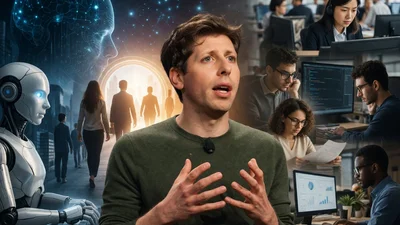
AI is no longer a distant threat but a fast-moving force transforming the workplace. Sam Altman highlights that AI is already generating new scientific breakthroughs and reshaping economic work at scale, while Anthropic's data warns that many existing white-collar jobs face high automation risk. With half of entry-level office roles potentially vanishing in five years, the future of work is at a tipping point. As AI agents like Claude and OpenClaw gain autonomy, the chaos and opportunity they bring will redefine careers worldwide.
-
AI Agents Learn on the Job, Boosting Performance
 research →
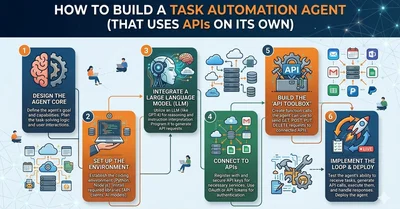
ALTK-Evolve is revolutionizing AI by teaching agents to learn from their own experiences rather than just re-reading past data. This breakthrough helps AI avoid repeating mistakes and adapt to new tasks, improving reliability by 14.2% on complex challenges like AppWorld. Unlike traditional models stuck in a loop of old logs, these agents evolve skills on the fly, promising smarter, more autonomous AI in the near future.
-
Meta Locks Down Muse Spark AI Model
 research →
Meta has flipped the script on AI openness, launching Muse Spark, a proprietary model locked behind invites and APIs, ditching the open-source charm of its Llama predecessors. This shift marks a major pivot from CEO Mark Zuckerberg’s earlier championing of open AI as a global equalizer. Critics quickly pounced, calling Muse Spark underwhelming and over-tuned for benchmarks, but Meta’s new AI chief Alexandr Wang insists transparency about its limits is key. As Meta doubles down on exclusivity, the AI community watches closely: is this the future of AI innovation or a step backward?
-
LG’s EXAONE 4.5 Crushes AI Rivals
 research →
LG AI Research just dropped EXAONE 4.5, a cutting-edge multimodal AI that blends text and image understanding like never before. This powerhouse outshines giants like OpenAI and Alibaba, scoring an impressive 77.3 on STEM benchmarks and mastering complex docs from contracts to technical drawings. It’s a bold leap in AI tech that could reshape industries relying on visual and textual data. Next up: watch how EXAONE 4.5 powers smarter, faster decision-making across sectors.
-
Artists Rally Against AI Content Theft
 research →
Australian artists, journalists, and Aboriginal cultural workers have launched the “Stop AI Theft” campaign to demand transparency and stronger protections against AI scraping their creative works. With AI use soaring—84% of office workers in Australia now use it—the stakes are high as generative AI threatens to mine local content without fair compensation. This pushback highlights growing tensions between innovation and intellectual property rights, signaling a crucial debate on how AI should respect human creativity moving forward.
-
No Single AI King in 2026
 research →
In a whirlwind six weeks, AI giants OpenAI, Anthropic, Google, and others unleashed a parade of powerhouse models—GPT-5.4, Claude Opus 4.6, and Gemini 3.1 Pro—each dominating different tasks. This fierce diversity means developers can no longer crown a single ‘best’ AI, but instead must tailor their choices to specific needs. Far from a drawback, this variety sparks innovation and smarter AI integration. The next challenge? Building seamless systems that juggle multiple AI champions effortlessly.
-
Massive Molecular Database Revolutionizes Drug Kinetics
 research →
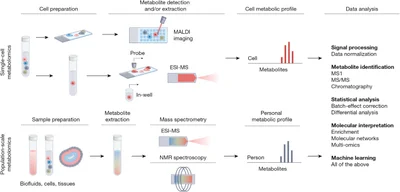
A groundbreaking database named DD-03B has just been unveiled, offering dynamic, all-atom dissociation trajectories for over 19,000 ligand-protein complexes. This colossal resource, spanning 40 TB and nearly 0.3 billion simulation frames, fills a critical gap by providing kinetic data that was previously missing from drug-protein interaction studies. By categorizing complexes into three distinct mechanistic types, researchers can now tailor drug design strategies with unprecedented precision. This leap forward promises to accelerate drug discovery and deepen our understanding of molecular interactions.
-
Browser-Based AI Coaching Goes Frictionless
 research →
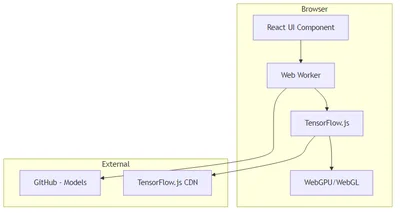
Developer Holocron has cracked the code for AI coaching entirely in the browser, powering a Star Wars: The Old Republic combat log analyzer without any server or installs. Using mlc-ai/web-llm with WebGPU, users get instant, private coaching after a quick 23.7-second load—no accounts or background services needed. This breakthrough slashes barriers for gamers seeking actionable insights from raw combat data. Next up: broader adoption and refining the AI’s tactical advice.
-
TRACE Boosts LLMs with Targeted Training
 research →
TRACE, a new training system unveiled on arXiv, revolutionizes how Large Language Models improve by pinpointing exactly which capabilities they lack in real-world tasks. Instead of generic data, TRACE crafts custom environments that reward missing skills, then fine-tunes models using reinforcement learning adapters. This breakthrough promises smarter, more reliable AI agents tailored to their deployment contexts, setting the stage for more autonomous and effective AI systems.
-
Nvidia Rubin GPU Faces Delays Amid Supply Woes
 research →
Nvidia's Rubin GPU launch is hitting a snag, with shipments expected to be smaller and later than planned due to memory validation and cooling challenges, TrendForce reports. The next-gen GPUs will now make up just 22% of Nvidia’s high-end shipments in 2026, down from 29%. These delays come as Nvidia also scales back Hopper GPU deliveries to China amid ongoing geopolitical tensions. Industry watchers will be watching closely to see how Nvidia navigates these hurdles in the fiercely competitive GPU market.
-
Clone Your Voice in 15 Minutes, No Code Needed
 research →
A new Telegram bot built with n8n and ElevenLabs lets you clone your voice into any AI voice in under 20 seconds—no coding required. The bot receives your voice message, processes it through ElevenLabs’ speech-to-speech API, saves the output to Google Drive, and sends it back seamlessly. This breakthrough makes voice cloning accessible to everyone, not just developers. Next up, expect more no-code AI tools that simplify complex workflows.
-
RAG Revolutionizes AI Knowledge Systems
 research →
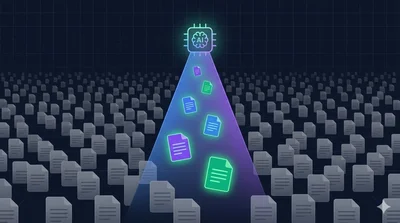
RAG (Retrieval Augmented Generation) is transforming how AI handles massive knowledge bases that outgrow traditional context windows. After Andrej Karpathy’s popular LLM wiki approach hit scale limits, RAG emerged as the game-changer, enabling AI to retrieve relevant documents dynamically instead of relying on fixed context. This shift fixes critical accuracy flaws in enterprise AI and even boosts time-series forecasting with new Retrieval Augmented Forecasting methods. As AI wikis and models balloon, RAG is the essential upgrade powering smarter, scalable knowledge systems.
-
Open-Source HappyHorse Dominates AI Video
 research →
On April 8, 2026, the AI video world was stunned as HappyHorse-1.0, an open-source text-to-video model, surged to the top of the Artificial Analysis leaderboard without any fanfare or corporate backing. It smashed records by outscoring ByteDance's Seedance 2.0 by nearly 60 Elo points in text-to-video and set a new high in image-to-video categories. Even with audio included, HappyHorse clinched a strong second place, signaling a seismic shift in AI video generation. The community now watches eagerly to see how this dark horse will reshape the future of AI creativity.
-
New AI Model Shields Privacy in 50ms
 research →
Enter F1 Mask, a groundbreaking 270M parameter AI agent unveiled in 2026 to tackle the biggest headache in enterprise AI: protecting Personally Identifiable Information (PII). Unlike bulky, costly filters on massive LLMs, this nimble middleware acts as a local privacy firewall, spotting and tokenizing sensitive data in under 50 milliseconds before it ever leaves your device. With data leaks and hacks rocking even the biggest AI giants, F1 Mask promises a smarter, safer AI future where compliance no longer means sacrificing intelligence. The next step? Widespread adoption to keep business data secure without slowing innovation.
-
Eclipse Powers $1.3B Robotics Revolution
 research →
Eclipse, the Palo Alto venture firm, just closed a massive $1.3 billion funding round split between early-stage and growth funds targeting robotics, manufacturing, and energy startups. This cash injection boosts their total assets under management to a staggering $10 billion, signaling a major bet on the physical industries reshaping our world. Founded in 2015 by Lior Susan, Eclipse is doubling down on the next tech frontier: bringing AI and innovation off screens and into real-world machines and infrastructure. With this war chest, expect a surge of breakthroughs in robotics and energy tech soon.
Tech & Gadgets 17
-
6G Network Set to Revolutionize Connectivity
 research →
The future of mobile communication is speeding up as the International Telecommunication Union (ITU-R) finalized a draft of the 6G standard in February 2026. Expected to roll out around 2030, 6G promises lightning-fast speeds and smarter connectivity that could transform everything from smartphones to smart cities. This leap follows the 5G wave and hints at a new era where our digital lives become even more seamless and immersive. Stay tuned as tech giants and governments race to bring this next-gen network to life.
-
Top GPUs Powering Local AI in 2026
 research →
If you're diving into local AI or running large language models at home, choosing the right GPU is crucial—and 2026 has some stellar options. From the budget-friendly Intel Arc B580 at $249 to the powerhouse RTX 4090 delivering blazing speeds, this year’s lineup balances VRAM and speed to fit every need and wallet. Notably, the RX 7900 XTX offers 24GB VRAM for hefty models under $1,000, while the RTX 3090 remains a sweet spot for VRAM value. Whether you’re a casual tinkerer or a serious AI enthusiast, these GPUs are shaping how we run AI locally—expect smarter, faster setups ahead.
-
Pentagon Fast-Tracks Anthropic AI Showdown
 research →
In a rare move, a US appeals court has denied Anthropic's plea to pause the Pentagon’s designation of the AI startup as a national security supply chain risk. This label, unprecedented for a US company, bars defense contractors from using Anthropic’s Claude AI, citing security concerns amid ongoing military conflicts. While the court acknowledged the startup’s serious legal challenges, it prioritized military operational control and ordered a swift resolution. The battle now intensifies as Anthropic pushes back against what could reshape tech-government relations.
-
iPhone 18 Pro Leaks Spark Excitement
 research →
Apple’s next-gen iPhone 18 Pro and Pro Max are already stirring buzz months before launch, with leaks revealing a sleek new design ditching the Dynamic Island for a punch-hole camera. The upgrades promise not just a fresh look but major boosts in battery, camera, and chipset performance. Meanwhile, Apple plans a spring 2027 rollout for the iPhone 18, iPhone 18e, and a new iPhone Air, signaling a shift to staggered launches. Fans should brace for a tech-packed year ahead as Apple reshapes its lineup.
-
Americans Slash Streaming Subscriptions Amid Inflation
 research →
A staggering 40% of Americans have recently cut back on streaming services like Netflix and Hulu, according to Deloitte’s 2026 Digital Media Trends report. As the cost of living soars, many are rethinking their entertainment budgets, signaling a major shift in how people consume digital media. This mass exodus could reshape the streaming landscape, forcing providers to rethink pricing and content strategies. Expect more changes as consumers tighten their belts in the coming months.
-
iPhone 16 Reigns as World's Top Seller
 research →
Apple’s iPhone 16 has clinched the title of the world’s best-selling smartphone for the second quarter in a row, outpacing rivals Samsung and Xiaomi. According to Counterpoint Research, the iPhone 16, along with its Pro Max and Pro variants, dominated global sales charts, underscoring Apple’s stranglehold on the premium market. This sustained lead highlights Apple’s ability to capture a significant share of global shipments despite fierce competition. With the iPhone 17 lineup also performing strongly, Apple’s grip on the smartphone market looks set to tighten further.
-
Samsung Revives $2,900 Galaxy Z TriFold
 research →
Samsung is giving fans one last shot to grab the ultra-premium Galaxy Z TriFold, with a new shipment arriving in the US on April 10. This foldable marvel, which stunned with its massive 10-inch screen and hefty $2,899 price tag, was discontinued just three months after launch due to limited profits and niche appeal. Despite its rarity, demand outpaced supply, prompting Samsung to clear out remaining stock. Whether this marks a permanent return or a final farewell remains unclear, but eager buyers should act fast.
-
Steam Gaming Streams to Apple Vision Pro
 research →
Valve just dropped a beta Steam Link app for the Apple Vision Pro, letting gamers stream their PC titles onto a massive virtual screen with up to 4K resolution. While VR games like Half-Life: Alyx aren’t supported yet, this move hints at Vision Pro’s potential as a versatile gaming hub beyond just media consumption. Early users report some UI flicker and lag, but the experience is surprisingly immersive and comfy from the couch. The big question now: how fast will Valve and Apple push full VR support?
-
Apple Watch Ultra 3 Slashes $100 Off
 research →
Apple Watch Ultra 3, Apple’s toughest and most advanced smartwatch, just got a $100 price cut on Amazon. Available in two sleek titanium color options, this rugged watch packs satellite messaging, a blazing bright 3,000-nit display, and longer battery life for adventurers and tech lovers alike. It’s a rare discount on a device that’s usually overkill for casual users but a powerhouse for those who demand the best. Don’t miss out—this deal won’t last long as Apple keeps pushing innovation forward.
-
Asus Zenbook A16 Shakes Up Snapdragon PCs
 research →
The Asus Zenbook A16 is turning heads with its Snapdragon-powered 16-inch design, priced at a competitive $1,700. Unlike pricier rivals like Dell’s XPS 14 or Apple’s MacBook Pro, Asus offers a lightweight, powerful laptop that challenges the notion that Snapdragon chips can’t deliver on performance. This could be the moment Snapdragon truly stakes its claim in the PC market. Next up: seeing if this blend of power and portability can sway mainstream buyers.
-
Apple Pushes iPhone Air 2 Despite Slump
 research →
Apple is doubling down on the iPhone Air line, with a leaker revealing that the iPhone Air 2 will launch next year regardless of the original model's poor sales. Meanwhile, the iPhone 18 is set for a subtle refresh, sticking close to the current design. This signals Apple's commitment to evolving its lineup amid a multi-year plan that includes a foldable iPhone and a special anniversary model. Fans and critics alike will be watching closely as Apple balances innovation with cautious design tweaks.
-
Samsung Gears Up Galaxy Watch Ultra 2
 research →
Samsung is stirring excitement with rumors of the Galaxy Watch Ultra 2, expected to launch alongside the Galaxy Watch 9 this summer. Leaks reveal a rugged, LTE-enabled smartwatch variant (model SM-L715F) hinting at a powerful sequel to the 2024 Ultra model. This move could shake up the smartwatch market, especially for users craving durability and connectivity without their phones. Fans should keep an eye out for official announcements as Samsung aims to redefine wearable tech once again.
-
Amazon Prime Day 2023 Sparks Global Shopping Frenzy
 research →
Amazon Prime Day 2023 is officially live across 25 countries, including the US, UK, Germany, and Japan, unleashing a tidal wave of deals that shoppers won’t want to miss. From tech gadgets to home essentials, the event promises massive discounts and exclusive offers for Prime members worldwide. India fans will have to wait a bit longer, with their Prime Day set for later this summer. This global rollout marks one of the biggest shopping events of the year, setting the stage for fierce competition and record sales.
-
Fediverse Reinvents Social Media Moderation
 research →
The Fediverse is shaking up social media by championing decentralized moderation and user autonomy, offering a fresh alternative to ad-driven giants like Twitter. With platforms like Mastodon at its core, the Fediverse avoids algorithmic feeds and intrusive ads, prioritizing simplicity and transparency through tools like Fediverse.Observer. This approach tackles the growing challenge of disinformation by empowering communities to self-moderate, rather than relying on centralized control. As digital public squares evolve, the Fediverse’s model could redefine how we trust and engage online.
-
Apple Slashes Foldable iPhone Orders, Still Tops Samsung
 research →
Apple is dramatically cutting its foldable iPhone shipment forecast from 10 million to 3 million units this year, signaling caution over demand for its pricey new “iPhone Ultra.” Despite the steep cut, this volume could still outpace Samsung’s Galaxy foldable sales, thanks to Apple’s exclusive three-year deal with Samsung Display for advanced foldable OLED panels. The move highlights Apple’s careful approach after the Vision Pro’s lukewarm reception and Samsung’s tech edge in foldable screens. Now, all eyes are on whether Apple’s gamble on foldables will pay off in a market still finding its footing.
-
Aqara’s Thermostat Revolutionizes Smart Homes
 research →
Aqara just dropped its first North America-ready thermostat, the W200, aiming to do way more than just control temperature. This sleek wall-mounted hub merges climate control, security, and home automation into one, using Apple’s Adaptive Temperature to learn your routine and even adjust based on the local power grid’s energy mix. It’s not just smart—it predicts your needs and helps cut energy bills. With Matter, Thread, and Zigbee support, the W200 is set to become the nerve center of your smart home. Expect it to shake up how we think about home comfort and efficiency.
-
Lenovo ThinkPad X9 Dominates 2026 Windows Laptops
 research →
Lenovo's ThinkPad X9 Aura Edition has emerged as the standout Windows laptop of 2026, blending portability, power, and versatility like no other. Tested against top contenders from Microsoft, HP, Asus, and Dell, the X9 impressed with its sleek design and impressive battery life. This bold refresh is setting the bar for business and everyday users alike. Expect more innovation as brands race to keep up with Lenovo’s high standard.
World Politics 15
-
Trump Eyes Troop Moves Amid Ally Friction
 research →
President Donald Trump is ramping up pressure on U.S. allies by pushing for greater strategic flexibility with U.S. Forces Korea, signaling potential troop redeployments amid frustrations with partners like South Korea and Japan. This move comes as Trump criticizes allies for insufficient support during the U.S.-Israel conflict with Iran, threatening to pull troops from 'unhelpful' NATO countries. The shift could reshape U.S. military posture in Asia and beyond, raising questions about alliance stability and regional security. Observers now watch closely for where these forces might be repositioned next.
-
Trump Threatens Massive Iran War Escalation
 research →
In a fiery social media post, President Donald Trump warned of a major war escalation if Iran fails to comply with peace efforts, vowing to keep U.S. military forces in the Middle East ready for action. This comes after a fragile two-week ceasefire and ongoing tense negotiations over the Strait of Hormuz and Iran's nuclear ambitions. With oil prices rising amid fears of supply disruption, the world watches closely as Trump signals he’s prepared for a ‘bigger and stronger’ conflict if diplomacy collapses.
-
Australia Broadens Global Ties Amid US Uncertainty
 research →
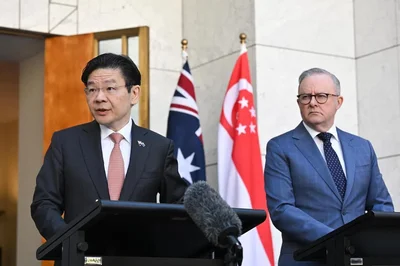
Australia is recalibrating its foreign policy, with Foreign Minister Penny Wong confirming a push to diversify partnerships beyond the traditional reliance on the US. While Washington remains a key ally, Canberra is actively deepening ties with Southeast Asia, the Pacific, Japan, the EU, and Canada to navigate a more unpredictable world stage. This strategic pivot reflects concerns over the US’s shifting global role and aims to secure Australia’s influence and stability. Next up, expect Canberra to further cement these new alliances and expand its diplomatic footprint.
-
Ceasefire Frays as Israel Strikes Lebanon
 research →
The fragile US-Iran ceasefire announced on April 8, 2026, is already unraveling amid fierce confusion over Lebanon's status. Pakistan, hailed for brokering the deal, insisted the truce covered 'everywhere,' including Lebanon, but Israel launched its largest strike there hours later, killing hundreds. The US and Israel deny Lebanon was ever part of the ceasefire, while Iran insists otherwise, deepening mistrust. This clash threatens to derail peace efforts just as talks to end the broader conflict begin.
-
UK Still Torn a Decade After Brexit
 research →
A full ten years after the Brexit vote, the UK remains deeply divided, with 60% of Britons still identifying as either 'remoaners' or 'Brexiters' rather than traditional party lines. What began as a political decision has morphed into a cultural chasm, reshaping identities and fueling ongoing social and political tensions. This entrenched divide continues to influence elections and public discourse, showing no signs of fading anytime soon.
-
NATO Allies Boost Defense Spending 20%
 research →
In 2025, NATO’s European members and Canada ramped up defense budgets by nearly 20%, adding a staggering $574 billion to collective military spending. This surge, driven by mounting fears of Russian aggression and pressure from former U.S. President Donald Trump, marks a historic shift as countries like Poland and the Baltics outpace the U.S. in defense spending relative to GDP. The move signals a new era of European military assertiveness, with eyes now on how NATO will balance unity amid internal tensions and external threats.
-
Euroskeptic Think Tanks Surge Amid EU Cuts
 research →
Euroskeptic think tanks have surged by 50% as Brussels slashes funding for pro-EU groups, signaling a growing challenge to the European Union’s influence. The European Commission attributes this rise to the “broader geopolitical context and increased volatility in international affairs.” This shift could reshape EU policy debates just as Europe faces mounting external pressures. Watch for how Brussels might respond to this ideological pushback in the coming months.
-
Papatoetoe Votes Again After Court Tosses 2025 Result
 research →
Voting has just wrapped up in Papatoetoe’s high-stakes local election redo after a District Court threw out last year’s results over ballot irregularities. This rerun is a rare do-over sparked by a legal challenge from former deputy chair Lehopoaome Vi Hausia, who flagged serious issues like misuse of ballots and turnout anomalies. Papatoetoe’s election is a bellwether, having bucked Auckland’s turnout slump with a 7% rise in 2025. Final results will be nailed down Friday once special votes are tallied, setting the stage for fresh leadership in this pivotal community.
-
Alsace Breaks Free: French Assembly Backs Autonomy
 research →
In a dramatic vote, France's National Assembly approved a bill to strip Alsace from the Grand Est region, granting it a unique autonomous status. The bill passed with 131 votes for and 100 against, notably with support from Marine Le Pen's Rassemblement National, signaling a political shift. This move responds to long-standing regional demands and could reshape France's territorial governance. Next up: the Senate's verdict on this landmark legislation.
-
US-Israeli Strikes Shatter Iran, Shake Global Peace
 research →
The recent US-Israeli military strikes on Iran have not only devastated Iran’s economy and infrastructure but also unraveled fragile diplomatic efforts aimed at peace. Despite a two-week ceasefire bringing some relief to volatile financial markets, the conflict has closed vital shipping lanes like the Strait of Hormuz, sending global energy prices soaring and threatening worldwide economic stability. Iran’s battered economy and fractured regional ties hint at long-term instability, while ongoing tensions keep the Middle East on edge. The world now watches closely to see if diplomacy can reclaim lost ground or if the conflict’s fallout will deepen.
-
Trump’s Threats Shake Global Order
 research →
Donald Trump’s chilling vow to 'bring Iran back to the Stone Age' is more than a military threat—it signals a seismic shift in international norms. Experts warn this rhetoric reflects the unraveling of post-WWII rules that have kept global peace, risking a return to raw power politics. As tensions escalate, the world watches nervously: is this brinkmanship a prelude to chaos or a fading echo of a fading superpower?
-
France Supercharges Military and Nuclear Arsenal
 research →
France is ramping up its defense game with a massive €36 billion boost set to roll out by 2030, pushing military spending to 2.5% of GDP. This bold move, driven by rising global tensions and doubts over NATO's US backing, includes expanding its nuclear deterrent and stocking up on missiles and drones. Defence Minister Catherine Vautrin calls it a response to a 'deep and brutal shift' in geopolitics. With the annual defense budget nearly doubling since 2017, France is clearly preparing for a more volatile world stage.
-
Rocket Strike Sparks Kuwaiti Consulate Siege
 research →
A deadly rocket attack from Kuwait’s direction killed at least three in Basra’s Khor al-Zubair, igniting fury that led protesters to storm and vandalize the Kuwaiti consulate. This violent breach highlights the fragile security of diplomatic missions amid regional tensions. Pakistan and Kuwait have condemned the attack and the consulate storming, demanding justice and stronger protections. With investigations underway, the incident raises urgent questions about Iraq’s ability to safeguard foreign missions.
-
China and Russia Block Hormuz Shipping Resolution
 research →
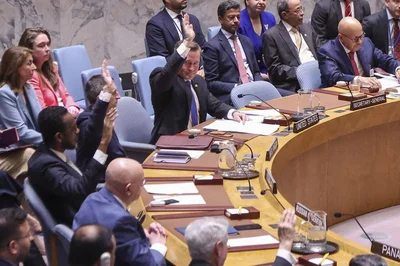
China and Russia wielded their UN Security Council vetoes to block a resolution aimed at protecting shipping through the strategic Strait of Hormuz. Proposed by Bahrain, the measure sought coordinated defensive efforts to reopen this vital oil route, currently choked by Iran’s blockade amid escalating conflict. The vetoes deepen global tensions as oil prices surge and humanitarian aid struggles to reach crisis zones. With diplomatic efforts stalling, the world watches nervously for the next move in this high-stakes standoff.
-
Peru’s Chaotic Race and Argentina’s Economic Tightrope
 research →
Peru faces a dizzying presidential election with 35 candidates vying for power amid political chaos and crime, none topping 20% in polls. Meanwhile, Argentina’s economy under President Javier Milei shows a stunning drop in inflation from 211% to 31.5%, yet unemployment and poverty remain stubbornly high. These developments reveal deep unrest and fragile hope across Latin America as voters prepare for pivotal decisions this week.
Business & Economy 15
-
FAO Warns Rising Food Prices Amid Fertilizer Crunch
 research →
Global food prices climbed again in March, with the FAO Food Price Index hitting 128.5 points, driven by soaring energy costs linked to the Iran conflict. Fertilizer supplies, especially urea, are tightening as Gulf exports and LNG inputs stall, forcing farmers to consider planting less or switching crops. Adding to the pressure, a potential 'super El Niño' threatens to disrupt harvests later this year. The world now faces a precarious food security outlook, with vulnerable countries at greatest risk.
-
Iran Demands Crypto Toll in Hormuz Ceasefire
 research →
During the fragile two-week ceasefire, Iran is tightening control over the Strait of Hormuz by demanding oil tankers pay transit fees in cryptocurrency, a move designed to bypass sanctions and monitor shipments closely. The toll, reportedly $1 per barrel, must be paid in bitcoin within seconds after submitting cargo details by email. This unprecedented approach highlights Tehran’s intent to leverage digital currencies amid geopolitical tensions, while also offering alternative sea routes due to mine risks. The world watches closely as this could reshape energy supply dynamics and maritime security in a critical chokepoint.
-
POSCO Workers Protest Direct Hiring Plan
 research →
Around 7,000 subcontracted workers at POSCO are protesting the steel giant’s plan to directly hire them, fearing wage discrimination will persist despite the shift. Regular employees are also upset, worried that the company might slash welfare benefits to cover higher labor costs. The union demands genuine collective bargaining and protection of worker rights. This clash highlights deep tensions as POSCO tries to reshape its workforce, with more protests likely ahead.
-
OpenAI Opens IPO Doors to Retail Investors
 research →
OpenAI is shaking up the IPO game by reserving a slice of its shares specifically for retail investors, CFO Sarah Friar revealed. This move breaks from tradition, where big institutions usually scoop up most shares, and signals OpenAI’s commitment to broad-based trust and inclusion as it prepares for a potential $1 trillion valuation debut. After seeing “really strong demand” from individuals in recent funding rounds, the AI giant is set to make sure everyday investors aren’t left on the sidelines. The IPO could hit markets as early as late 2026, promising a historic moment for both AI and public investing.
-
Sensex Slumps 800 Points Amid West Asia Fears
 research →
The Indian stock market took a sharp hit on April 9, with the Sensex plunging nearly 800 points and the Nifty falling over 190 points. This sudden sell-off wiped out gains from the previous day’s rally, triggered by renewed tensions in West Asia and a rebound in crude oil prices. Investors are rattled by the fragile Iran-US ceasefire, which threatens inflation and corporate profits. Market watchers now brace for volatility as geopolitical risks loom large.
-
Japan Warns: Market Volatility Hits Interest Rates
 research →
Japan’s Finance Minister Satsuki Katayama sounded the alarm on April 9, revealing how recent cross-market turbulence has sharply driven up interest rates faster than expected. This volatility, spilling over from global markets, has become too significant to ignore, prompting urgent calls for coordinated action among G7 nations. Meanwhile, Bank of Japan Governor Kazuo Ueda reassured that financial conditions remain accommodative, with real interest rates still negative, supporting private investment. The coming weeks will test how Japan balances market shocks with economic stimulus amid global uncertainty.
-
Wheat Prices Surge Amid Ceasefire Doubts
 research →
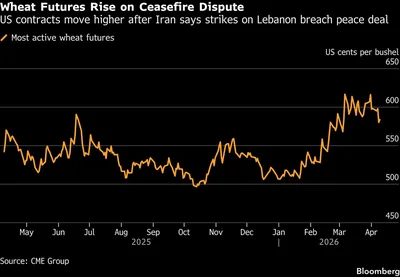
Wheat futures have jumped as uncertainty clouds the fragile ceasefire between the US and Iran, threatening to disrupt vital supply chains. This volatility comes as global food markets brace for potential shocks, with experts warning that any flare-up could push prices even higher. For consumers and farmers alike, the coming weeks could mean tighter supplies and steeper costs. Markets will be watching closely to see if peace talks can stabilize the situation or if tensions reignite.
-
World Bank Boosts India Growth Forecast
 research →
The World Bank has raised India’s GDP growth projection for 2026-27 to 6.6%, up from an earlier 6.3%, signaling strong confidence in the country’s economic resilience amid global turmoil. Despite regional slowdowns driven by Middle East conflicts and energy market shocks, India remains the powerhouse of South Asia’s economy. This upbeat revision contrasts with the RBI’s more cautious 6.9% forecast for FY27, highlighting a complex outlook as geopolitical risks loom. The next months will reveal how India navigates these external pressures while sustaining growth.
-
GDP Report Signals Steady Economic Pulse
 research →
Thursday’s GDP report confirmed no revisions, signaling steady economic output across the country. This snapshot of total production, including consumer, business, foreign, and government spending, reassures markets amid global uncertainties. With no surprises in the numbers, investors and policymakers can focus on navigating ongoing challenges like energy conflicts and regional slowdowns. The next key data releases will reveal if this calm holds or if turbulence lies ahead.
-
World Bank Slashes Middle East Growth Forecast
 research →
The World Bank has sharply cut its 2026 growth forecast for Middle Eastern economies to just 1.8%, down from an earlier 4%, blaming the US-Israel war against Iran. The conflict’s disruption of the strategic Strait of Hormuz and destruction of energy infrastructure have rattled markets and heightened economic uncertainty. With a fragile two-week ceasefire now in place, the outlook remains precarious, hinging on whether peace holds or the fighting escalates again.
-
S&P Dims Philippines’ A-Rating Hopes
 research →
S&P Global Ratings has shifted the Philippines’ credit outlook from “positive” to “stable,” dashing hopes for the country’s first-ever “A” rating. The war in the Middle East and the resulting oil shock have rattled the nation’s fiscal and balance of payments outlook, prompting caution. While the current “BBB+” rating remains intact, the downgrade signals a pause in the country’s credit upgrade momentum. Investors and policymakers will now watch closely to see if the Philippines can weather these external shocks and regain positive momentum.
-
France Greenlights Climate Insurance Hike
 research →
On April 8, 2026, the French National Assembly unanimously approved a law allowing insurance premiums to rise for natural disaster coverage, targeting secondary homes and high-value professional properties over €20 million. This move, championed by socialist Fabrice Barusseau, aims to shore up the financial stability of the "Cat Nat" disaster insurance scheme amid escalating climate-related damages. With right-wing parties abstaining, the law signals a tough new reality for property owners as climate risks intensify. Next steps include detailed government decrees to regulate these premium adjustments.
-
Warner Bros CEO’s $887M Golden Parachute Slammed
 research →
David Zaslav, CEO of Warner Bros., is facing fierce criticism after proxy advisory firm ISS labeled his staggering $887 million golden parachute as ‘extraordinary.’ This massive payout comes amid industry shakeups and raises fresh questions about executive compensation at media giants. As Warner Bros. navigates a transformative era, all eyes will be on how shareholders and regulators respond to this jaw-dropping severance deal.
-
Hormuz Strait Ceasefire Sparks Shipping Revival
 research →
After more than a month of near-total gridlock, the Strait of Hormuz is reopening following a ceasefire, offering a much-needed breather for global shipping. Over 100 container ships, including those carrying Philippine goods, were stuck, choking vital supply chains and spiking energy prices worldwide. While the ceasefire lifts immediate fears, experts warn recovery will be slow, with traffic down 95% during the conflict. The world watches as this critical artery cautiously returns to life, hoping for stability and steady trade flows ahead.
-
Kenyan Customers Fight for Lost Insurance Cover
 research →
A group of 15 Kenyan customers has launched a lawsuit against the Insurance Regulatory Authority (IRA) after losing coverage due to the collapse of three insurers. This legal battle highlights growing concerns over insurance stability in Kenya, where many are left vulnerable without protection. The case could force regulatory reforms and restore confidence in the sector. For now, thousands await clarity on their insurance futures.
Crypto & Fintech 14
-
KakaoBank Joins Forces with Mongolia Telecom
 research →
KakaoBank has inked a game-changing MOU with Mongolia’s telecom giant MCS Group, marking its bold entry into Central Asia. The deal includes a strategic stake in Mongolia’s only digital bank, M Bank, and plans to co-develop credit models tailored to local needs. This partnership could reshape digital finance in the region, following KakaoBank’s recent expansions in Southeast Asia. Next up: turning this vision into reality and tapping into Mongolia’s growing digital economy.
-
Canary Capital Seeks US Spot PEPE ETF Launch
 research →
Canary Capital just filed with the SEC to launch the first US-based spot ETF tracking the memecoin PEPE, a bold move that could shake up crypto investing. The CANARY PEPE ETF would hold actual PEPE tokens, with a small portion in Ether to cover Ethereum fees, signaling growing mainstream interest in meme assets. PEPE’s recent 6% surge and Canary’s history of niche crypto ETFs suggest this could open doors for more meme-based financial products. Watch for the SEC’s decision, which could set a precedent for memecoin ETFs in the US market.
-
Digital Lending Revolutionizes UK Borrowing
 research →
In Britain, digital lending is no longer just a convenience—it's becoming essential as households increasingly rely on unsecured loans to cover everyday costs amid rising living expenses. Hastings Financial Services, led by CEO Adam Malcolm, is at the forefront of this shift, driving faster, data-driven lending that better responds to modern financial challenges. With 40% of UK adults now holding unsecured debt, this transformation signals a new normal in borrowing. Expect digital platforms to further reshape how Brits access credit in the coming years.
-
South Korea Clamps Down on Crypto Withdrawals
 research →
South Korea’s Financial Services Commission is tightening rules on crypto withdrawal delays after uncovering that scam-linked accounts exploited lax exemptions to siphon off massive funds. Between June and September 2025, nearly 60% of fraudulent accounts bypassed delays, causing over 75% of losses. The new unified standards aim to close loopholes that let criminals move money too quickly. This crackdown signals a tougher stance on crypto fraud as the country also pushes forward with a comprehensive digital asset law.
-
Stablecoin Volume Set to Explode by 2035
 research →
Chainalysis forecasts stablecoin trading volumes could soar to an eye-popping $1.5 quadrillion by 2035, dwarfing today’s global cross-border payments. Even without major shifts, volumes are expected to hit $719 trillion thanks to organic growth. But the real game-changer? A massive wealth transfer of $100 trillion from Boomers to crypto-savvy Millennials and Gen Z, plus stablecoins potentially overtaking traditional payment systems. This could redefine how money moves worldwide in the next decade.
-
Bitcoin Rockets Past $72K on Iran Ceasefire
 research →
Bitcoin surged over 6% in hours, smashing past $72,000 after the US and Iran agreed to a two-week ceasefire, sparking a $280 million liquidation in futures markets. This unexpected rally lifted global stocks and reignited hopes for a calmer geopolitical landscape, though experts warn the bullish momentum might be short-lived. With BTC derivatives hinting at resistance near $80K, traders are watching closely to see if this fragile truce can sustain the crypto rally.
-
AI Unleashes New Threats on DeFi Security
 research →
A staggering $285 million DeFi exploit has rocked the crypto world, exposing deep flaws in smart contract security. But the real game-changer is Anthropic’s new AI, Claude Mythos Preview, which autonomously uncovers software vulnerabilities faster and more thoroughly than any human or tool before it. This AI’s uncanny ability to find hidden bugs could revolutionize both hacking and defense in Web3. As developers race to patch weaknesses, the future of DeFi security hangs in the balance.
-
SEC Shifts Crypto Enforcement Gear
 research →
The US SEC has named David Woodcock as its new enforcement chief starting May 4, signaling a major pivot in crypto crackdowns. Under new Chair Paul Atkins, the agency is dialing back aggressive crypto prosecutions, dropping cases by 22% and slashing penalties from $8.2 billion to $2.7 billion last year. This move aims to focus on real investor harm like fraud and market manipulation, rather than headline-chasing. With Woodcock’s return from Gibson Dunn, the SEC is poised to reshape crypto regulation with smarter, targeted enforcement and fresh rulemaking on the horizon.
-
US Treasury Targets Stablecoins to Fight Crime
 research →
The US Treasury has unveiled a bold new proposal under the GENIUS Act to clamp down on illicit finance through stablecoins. Payment stablecoin issuers will now be treated as financial institutions, required to implement anti-money laundering and sanctions compliance programs, and gain powers to block suspicious transactions. This move marks a major step in regulating the crypto space, aiming to protect Americans while encouraging innovation. The proposal will open for public comment before finalization, signaling a cautious yet firm approach to crypto oversight.
-
Quantum Computing Challenges Bitcoin Security
 research →
Bernstein and Bitcoin pioneer Adam Back confirm the quantum computing threat to Bitcoin is real but far from catastrophic. Recent breakthroughs in quantum tech, like Google's qubit reduction, accelerate timelines but scaling remains tough. Experts urge viewing quantum risk as a long-term upgrade cycle, not an existential crisis. Meanwhile, Ethereum plans quantum-safe upgrades by 2029 to stay ahead. The crypto world braces for a future where quantum-resistant cryptography becomes the new norm.
-
MEXC CEO Unpacks Meme Coin Surge
 research →
Vugar Usi, newly minted CEO of MEXC, is spotlighting the wild ride of meme coins like Moo Deng amid a shifting crypto landscape. As MEXC pushes for global licenses, including the EU’s MiCA, Usi emphasizes balancing low fees with broad asset access. Meanwhile, meme coins are catching eyes with viral stories—like a man fined for trespassing into a pygmy hippo’s den sparking a 6.5% jump in Moo Deng’s price. This blend of regulation and meme-fueled hype could reshape how exchanges and tokens coexist going forward.
-
Crypto’s Instant Settlement Hits Capital Snag
 research →
Crypto’s race for instant settlement is backfiring, says Ethan Buchman, co-founder of Cosmos. The push forces firms to fully fund every trade upfront, killing capital efficiency and risking market scalability as volumes surge. Instead of offsetting liabilities, firms must shuffle more cash than needed, straining the system. Buchman warns this asset-focused mindset misses the bigger picture of liabilities, raising urgent questions about crypto’s financial future.
-
Asia Tightens Crypto Reins Amid Rising Risks
 research →
Asia is cracking down hard on crypto risks with Thailand and South Korea leading the charge. Thailand’s SEC wants to expose hidden backers behind crypto firms to block illicit funding, while South Korea mandates strict withdrawal delays to stop voice phishing scams. These moves signal a new era of tougher, unified crypto oversight in the region. Expect more countries to follow as regulators clamp down on fraud and shady financing.
-
Swiss Banks Launch Digital Franc Trial
 research →
Six major Swiss banks including UBS and PostFinance have teamed up with Swiss Stablecoin AG to pilot a Swiss franc-pegged stablecoin throughout 2026. This sandbox project aims to test blockchain payments in a controlled, real-world environment, potentially speeding up settlements and bridging traditional finance with digital currency. With no regulated Swiss franc stablecoin yet, this collaboration could pave the way for Switzerland’s leap into programmable money. The trial remains open for more participants, signaling a bold step toward a digital financial future.
War & Conflicts 10
-
North Korea Unleashes New Deadly Weapons
 research →
North Korea has ramped up its military might with a series of tests from April 6 to 8, unveiling cutting-edge weapons including electromagnetic systems, carbon fiber projectiles, and ballistic missiles armed with cluster-bomb warheads. Supervised by Army General Kim Jong-sik, these tests signal Pyongyang’s push to diversify and modernize its arsenal amid rising regional tensions. The international community watches closely as these advances could reshape security dynamics in East Asia.
-
Singapore Urged to Boost Defence Amid Global Chaos
 research →
Singapore's Prime Minister Lawrence Wong warned that if the global order collapses, the city-state must ramp up its defence and resilience strategies. Speaking on April 9, he highlighted the rise of unpredictable conflicts and the growing role of unmanned systems in warfare, citing lessons from Ukraine and Iran. Wong stressed that Singapore needs to innovate beyond traditional military strength, focusing on technology and supply chain resilience to withstand future pressures. The government’s next steps will likely deepen investments in advanced defence tech and strategic planning.
-
US and Iran Face Off in Pakistan Ceasefire Talks
 research →
In a dramatic diplomatic move, US Vice President JD Vance and Iranian Foreign Minister are set to meet in Islamabad this weekend to negotiate a fragile ceasefire brokered by Pakistan. The talks follow a shaky two-week truce amid escalating tensions after Israeli strikes in Lebanon and Gulf skirmishes. Pakistani Prime Minister Shehbaz Sharif hailed the talks as a 'historic moment,' but Iran warns it may pull out if violations persist. The world watches closely as these high-stakes talks could reshape a volatile region’s future.
-
US to Auto-Register Men for Military Draft
 research →
Starting this December, the US will automatically register all eligible men aged 18 to 25 into the military draft pool, a major shift from the previous system where men had to register themselves. This change, initiated by the Selective Service System, aims to streamline and modernize draft registration by integrating federal data sources. While no active draft has been in place since the 1970s, this move signals a readiness to respond swiftly if needed. The rule is still under review, but it marks a significant update in national defense policy.
-
US and Iran Agree on Fragile Two-Week Ceasefire
 research →
Just before his deadline to obliterate Iran’s civilization, President Trump accepted a two-week ceasefire proposed by Pakistan on April 8, 2026. This pause halts intense conflict that has already claimed over 2,000 lives and paves the way for direct US-Iran talks in Islamabad. The ceasefire hinges on Iran conditionally reopening the strategic Strait of Hormuz, a critical artery for global oil. While the truce offers a breath of relief, deep mistrust and regional tensions suggest the battle for control and influence is far from over.
-
Israel Bombs Beirut Amid Fragile Ceasefire
 research →
In a shocking escalation, Israel launched surprise airstrikes on Beirut, killing dozens and wounding hundreds, marking the heaviest bombardment since the war with Hezbollah began. This attack came despite a fragile U.S.-Iran ceasefire, which Hezbollah claims includes Lebanon, but Israel insists does not. The strikes signal a dangerous rift in the ceasefire terms, raising fears of renewed widespread conflict. The region now watches closely to see if diplomacy can hold or if violence will spiral further.
-
Turkey Pushes for Lasting Middle East Ceasefire
 research →
Turkish FM Hakan Fidan ramped up diplomacy by engaging Iran and Qatar to solidify a fragile two-week ceasefire between the U.S. and Iran. With Ankara expressing satisfaction over the temporary pause, Fidan emphasized Türkiye’s drive to convert this truce into a permanent peace deal. This move comes as President Trump acknowledged Tehran’s “workable” negotiation proposal, signaling a rare diplomatic opening in a volatile region. The next steps hinge on turning these talks into a durable regional calm.
-
Syrian Torture Trial Opens in The Hague
 research →
In a gripping trial at The Hague, Rafiq al Q., a 58-year-old Syrian accused of torturing civilians during Syria's brutal civil war, vehemently denied all charges, calling the accusations a conspiracy. Prosecutors allege he was the lead interrogator for the pro-Assad National Defence Force, responsible for heinous acts including torture and sexual violence. This case marks a significant step in holding war criminals accountable far from Syria’s borders. The trial will test international justice’s reach and the survivors’ quest for truth.
-
Pakistan Brokers Historic Middle East Ceasefire
 research →
Pakistan has emerged as a pivotal peacemaker in the Middle East, successfully mediating a landmark ceasefire between the US and Iran. Announced by Prime Minister Shehbaz Sharif, the truce halts hostilities across the region, including Lebanon, and sets the stage for talks in Islamabad aimed at a lasting settlement. This breakthrough underscores Pakistan’s growing diplomatic influence and commitment to regional stability, with global powers like China and the EU praising its efforts. The world now watches closely as these ‘Islamabad Talks’ could reshape Middle East peace dynamics.
-
UN Backs US-Iran Ceasefire, Pushes for Peace
 research →
UN Secretary-General Antonio Guterres has welcomed the newly declared two-week ceasefire between the United States and Iran, calling it a crucial step to halt violence and save civilian lives. He urged all parties to honor international law and the ceasefire terms, emphasizing the urgent need to end hostilities. Meanwhile, the UN’s personal envoy, Jean Arnault, is on the ground to help steer talks toward lasting peace. The world now watches closely as diplomatic efforts, including upcoming talks in Islamabad, aim to turn this fragile truce into a permanent resolution.
Disasters & Emergencies 15
-
Fire Engulfs Navy Submarine at Ulsan Shipyard
 research →
A fire erupted aboard the ROKS Hong Beom-do submarine undergoing maintenance at HD Hyundai Heavy Industries’ Ulsan shipyard on April 9, forcing the evacuation of around 40 workers. Despite firefighters bringing the blaze under control after nearly two hours, a woman in her 60s remains missing, sparking a desperate search. This incident highlights the dangers faced during naval repairs and raises urgent questions about safety protocols. Authorities are continuing their efforts to locate the missing cleaner and assess the damage.
-
Miner Survives 14 Days Trapped Underwater
 research →
In a harrowing rescue, Francisco Zapata Nájera was pulled from a flooded gold mine in Sinaloa, Mexico, after nearly two weeks trapped underground. The collapse, triggered by a dam breach on March 25, left him and three others stranded, with only one survivor found earlier. This dramatic rescue highlights the dangers miners face and the relentless efforts of military divers. Authorities continue searching for the missing miner as the community reels from the tragedy.
-
Philadelphia Garage Collapse Kills One, Searches Continue
 research →
A seven-story parking garage under construction in Philadelphia partially collapsed, killing one person and leaving two missing. The collapse began when a roof segment gave way, triggering a progressive failure across all levels. Rescue teams have pulled three people from the rubble, but the unstable structure means they must carefully deconstruct it to search for survivors. Mayor Cherelle Parker vowed not to rest until everyone is accounted for, highlighting the ongoing urgency of the rescue effort.
-
Voltage Dip Traps 90 in Hong Kong Lifts
 research →
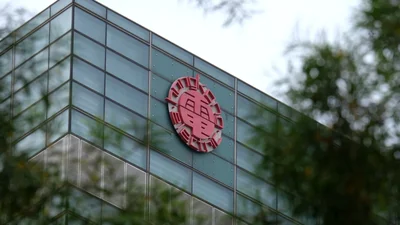
A sudden voltage dip caused by a technical fault between Hong Kong’s two main power providers left around 90 people trapped in lifts on Hong Kong Island on Thursday morning. The issue lasted just 30 minutes before power stabilized, but the incident highlights vulnerabilities in the city’s power grid. HK Electric and CLP Power are investigating the fault to prevent future disruptions. Authorities are reviewing safety protocols to ensure swift responses if such events recur.
-
Blaze Erupts at Hyderabad Chemical Plant
 research →
A fierce fire erupted early Thursday morning at a chemical solvent unit in Hyderabad’s Jeedimetla industrial area, sparking a massive firefighting response. Thankfully, no injuries or casualties were reported, but the blaze has raised fresh concerns about industrial safety in the region. Firefighters from multiple zones raced to contain the flames, which are still being doused. Authorities are investigating the cause as residents and businesses watch anxiously for updates.
-
Fire Erupts at Sembawang Construction Site
 research →
A fire ignited in the engine compartment of a boom lift at a Sembawang construction site on April 7, but thankfully no injuries were reported. The Singapore Civil Defence Force swiftly extinguished the blaze using hose reels and water jets. Authorities are now investigating the cause, underscoring ongoing safety concerns in construction zones. Meanwhile, the Land Transport Authority and Ministry of Manpower have been contacted for further details.
-
Search Halted for Lost NZ Trawler Crew
 research →
The desperate search for a crew member knocked overboard from a New Zealand fishing trawler near the Auckland Islands has been officially suspended after extensive efforts. Maritime New Zealand coordinated a complex rescue involving two vessels and drift modeling, but sadly no trace was found. Investigators led by TAIC’s Louise Cook are now probing the vessel’s operations and interviewing the crew to uncover what went wrong. The incident leaves a somber mark on the fishing community as families await answers.
-
Florida Bus Driver Faces Child Neglect Charges
 research →
A Florida school bus driver, Yvonne Hampton, has been hit with nearly 30 counts of child neglect after her bus carrying 29 children was clipped by a train last week. The terrifying incident unfolded when Hampton ignored warning lights and drove onto railroad tracks, narrowly avoiding a disaster. Thankfully, no one was hurt, but the driver stepped down amid reckless driving charges. The community is now grappling with how such a close call was allowed to happen and what safety measures will follow.
-
Artemis Astronauts Brace for Fiery Reentry
 research →
As the Artemis II crew races back from the Moon, they face their most perilous challenge: surviving reentry with a heat shield that previously failed in testing. Traveling at a blistering 40,000 km/h, the Orion capsule must endure searing plasma at 2500 degrees Celsius with no backup plan. NASA’s Jared Isaacman admits the stakes couldn’t be higher, with the crew’s safety hinging on a 7.5 cm-thick shield. The world watches nervously as the mission nears its fiery climax off California’s coast.
-
S. Korea, US, Australia Boost Naval Rescue Skills
 research →
South Korea and the United States kicked off their annual Salvage Exercise (SALVEX) this week off Changwon, aiming to sharpen joint rescue operations. This year, Australia’s Clearance Diving Team and Korea Coast Guard’s special rescue unit joined for the first time, marking a new level of multinational cooperation. The drills simulate sinking ship scenarios with underwater searches and scuba missions, enhancing readiness for both peacetime and conflict. As tensions persist in regional waters, these exercises underscore a shared commitment to maritime security and swift rescue response.
-
India’s Nuclear Breakthrough Shakes Global Powers
 research →
On April 6, India’s Prototype Fast Breeder Reactor (PFBR) at Kalpakkam achieved first criticality, marking a historic leap in nuclear technology. This milestone places India alongside Russia as the only nations operating commercial fast breeder reactors, a feat where giants like the US and France stumbled despite billions invested. Beyond prestige, this breakthrough promises a cleaner, self-sustaining energy future powered by thorium, potentially transforming India’s energy independence. The world now watches as India enters a new nuclear era with quiet confidence.
-
China’s 500-Tonne Machine Digs 1,000m Deep
 research →
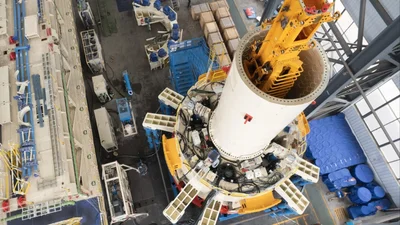
China has unleashed the colossal Gangtie Jiliang, a 500-tonne underground mining machine that can tunnel straight down over 1,000 metres through solid rock. Developed by China Railway Construction Corporation, this ‘steel backbone’ is revolutionizing deep-earth mining by unlocking vast mineral wealth hidden beneath the surface. Deployed in Liaoning province, it marks a new era in accessing resources previously out of reach. The next step: scaling operations to tap even deeper reserves and fuel China’s industrial ambitions.
-
Kibera Building Collapse Kills 52, Landlord Jailed
 research →
A tragic building collapse in Kibera, Kenya, has claimed 52 lives, with the landlord, Karanja, sentenced to 7 years in jail for ignoring structural cracks and illegally building on a riparian reserve. This disaster highlights the deadly consequences of neglecting safety regulations in rapidly growing urban areas. Authorities vow to crack down on unsafe construction to prevent future tragedies. Families and communities now face the daunting task of recovery and justice.
-
CIA’s Ghost Murmur Tracks Heartbeats 40 Miles Away
 research →
The CIA’s secret weapon, dubbed Ghost Murmur, used cutting-edge long-range quantum magnetometry and AI to locate a downed American airman in southern Iran. This high-tech tool can detect the faint electromagnetic signature of a human heartbeat across vast deserts, pinpointing individuals even when traditional signals fail. Developed by Lockheed Martin’s elite Skunk Works, Ghost Murmur’s debut rescue mission marks a new era in covert search-and-rescue operations. Expect this tech to reshape how missing personnel are found in hostile environments.
-
Primrose Hill Stabbing Shocks London
 research →
A brutal fight at Primrose Hill ended in tragedy when a 21-year-old man was fatally stabbed during a sunny afternoon gathering. Despite paramedics' desperate efforts, he died at the scene, while another man in his 20s was hospitalized with non-life-threatening wounds. The Metropolitan Police have launched a murder investigation, but no arrests have been made yet. This violent outbreak at a peaceful park spot has left the community shaken and authorities on high alert.
Science 16
-
Atomic Force Microscopy Revolutionizes Chip Tech
research →
A breakthrough in atomic force microscopy (AFM) is set to transform semiconductor research, enabling scientists to observe ferroelectric materials at unprecedented nanoscale precision. These materials, crucial for next-gen memory and sensors, can now be studied in ways that overcome previous size-related limitations. This leap promises smaller, faster smartphones and computers, with researchers gearing up to refine AFM techniques for even deeper insights.
-
Monte Carlo Unveils Fusion Fuel Secrets
 research →
Monte Carlo simulations have just reshaped our understanding of fusion fuels, revealing that only DT fuel can realistically sustain a chain reaction without neutron leakage. Earlier hopes for pure deuterium fusion were dashed, with predictions overstated by over tenfold. This breakthrough narrows the path to practical fusion energy, guiding researchers on which fuels to focus on next. The race for clean fusion power just got a sharper roadmap.
-
Plasmas Spark Their Own Mega-Magnetic Fields
research →
A breakthrough study by K. V. Lezhnin and colleagues reveals how high-energy-density plasmas can self-generate colossal magnetic fields reaching megagauss strength. Using advanced 2D particle-in-cell simulations, the team uncovered that plasma expansion alone triggers intense self-magnetization, challenging previous theories that relied on Biermann battery effects. This discovery reshapes our understanding of plasma behavior in both labs and cosmic environments, opening new paths for controlled fusion and astrophysics research. Next, scientists aim to validate these findings experimentally and explore practical applications.
-
Silicon’s Quantum Leap: Telecom Color Centers
 research →
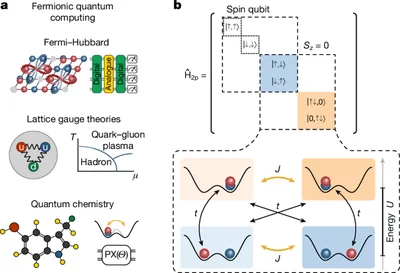
A breakthrough in quantum photonics has arrived with the creation of self-assembled telecom color centers in silicon, crafted using an ultra-low-temperature molecular beam epitaxy technique. This novel method sidesteps the damage caused by traditional ion implantation, promising pristine silicon crystals that could revolutionize single-photon sources and spin memory devices. The key? Perfecting the vacuum environment during growth to unlock superior optical properties. This advance could pave the way for scalable, integrable quantum technologies in telecom networks.
-
Quantum Leap: Telecom Single-Photon Breakthrough
research →
A team has unveiled a groundbreaking telecom C-band single-photon source using a hybrid semiconductor-dielectric microresonator, achieving an unprecedented 11% end-to-end efficiency. This innovation, featuring an InAs/GaAs quantum dot combined with Si/SiO2 Bragg reflectors, promises a major boost for secure quantum communications over fiber optics. Unlike traditional weak laser pulses, this source delivers polarized photons with high reliability, potentially revolutionizing quantum key distribution. The next step is integrating this technology into practical quantum networks, pushing secure communication into a new era.
-
Diamond Valleytronics Breakthrough Unveiled
research →
Researchers Nattakarn Suntornwipat and team have engineered a diamond-based valley transistor with a dual-gate, two-drain design that allows precise tuning of valley-polarized electron transport via gate voltages. This innovation leverages diamond’s unique conduction band properties to control electron flow with remarkable thermal stability over large distances. The breakthrough signals a major step toward ultra-efficient quantum and high-power electronics, promising devices that are both robust and energy-saving. Next up: integrating this architecture into scalable quantum information systems.
-
Nanobeam Lasers Break Efficiency Records
 research →
Researchers have unveiled a groundbreaking nanobeam laser cavity design boasting a quality factor over 10,000 and extraction efficiency exceeding 90%. This innovation leverages a novel one-dimensional photonic crystal with fins for precise electron injection and asymmetric mirrors for unidirectional light coupling. The breakthrough promises ultra-efficient, compact nanolasers ideal for next-gen optical interconnects. Next steps include integrating these cavities into practical devices to revolutionize data transmission speeds and energy efficiency.
-
Quantum Leap in Attosecond Spectroscopy
 research →
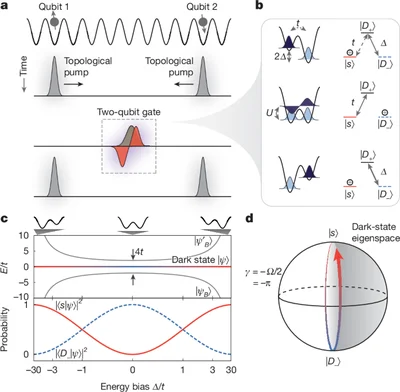
A team of physicists has pioneered a breakthrough in attosecond quantum spectroscopy by using entangled photon pairs to drive high-harmonic generation in solids, reaching up to the 10th harmonic order. This novel approach reveals intricate photon bunching patterns that unveil microscopic mechanisms behind harmonic emission, opening a new window into ultrafast quantum dynamics. The advance promises to deepen our understanding of quantum optics and strong-field physics, potentially revolutionizing how we probe matter at the shortest time scales. Next steps include refining these quantum optical probes to explore even faster and more complex phenomena.
-
New NaI(Tl) Detector Array Boosts Neutron Research
 research →
NOPTREX Collaboration has unveiled a cutting-edge modular array of 24 NaI(Tl) detectors designed to probe parity and time-reversal violations in neutron interactions. This breakthrough, demonstrated by detecting subtle parity-odd asymmetries in neutron resonances at LANSCE, marks a leap forward in understanding fundamental symmetries in physics. With its flexible electronics enabling pulse or current mode operation, this detector array sets the stage for more precise neutron experiments ahead.
-
AI Unlocks New Light Control in 3D Metamaterials
 research →
A team has cracked the code to engineer photon density of states (pDOS) in 3D photonic metamaterials using a cutting-edge AI approach. By combining generative adversarial networks with scalable holographic lithography, they can now design nanoarchitectures that precisely tailor light-matter interactions, boosting applications from solar energy to photocatalysis. This breakthrough overcomes longstanding challenges in predicting how complex geometries affect light behavior, opening doors to smarter, more efficient photonic devices. Next up: refining these designs for real-world manufacturing and performance testing.
-
Carbon Nanotube Breakthrough Powers Optoelectronics
 research →
A new leap in optoelectronics has emerged with carbon nanotube heterostructures, promising faster, more efficient devices that blend electronics and photonics. This innovation could revolutionize everything from data processing to flexible sensors, pushing the boundaries of speed and miniaturization. As industries race to harness these tiny tubes, expect a wave of smarter, lighter, and more powerful tech on the horizon.
-
New Mesic Nuclei Unlock Mass Mystery
 research →
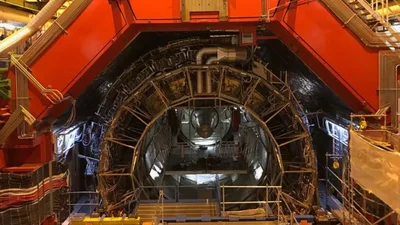
Scientists have taken a giant leap toward understanding where mass comes from by discovering a new type of mesic nucleus—a particle system that could reveal how matter gains mass from the vacuum of space. This breakthrough challenges the notion of empty space, showing it’s a complex structure that interacts with particles like mesons. The findings, led by physicists studying meson-nucleus interactions, could reshape our grasp of fundamental physics and pave the way for deeper insights into the universe’s building blocks.
-
India’s Kalpakkam Reactor Sparks Nuclear Debate
 research →
India’s Prototype Fast Breeder Reactor at Kalpakkam hit a major milestone by attaining criticality on April 6, marking a bold step in the nation’s nuclear ambitions. This 500 MW reactor, two decades in the making, promises to boost India’s clean energy capacity beyond the current 3% nuclear share. However, safety concerns voiced by political leader Vaiko have ignited fresh controversy, urging the government to reconsider the project. As India pushes forward, the balance between innovation and caution will shape its nuclear future.
-
W Boson Mass Confirmed with Unmatched Precision
 research →
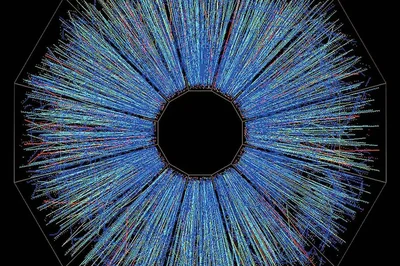
In a breakthrough that steadies the foundations of particle physics, the CMS Collaboration has delivered a new ultra-precise measurement of the W boson’s mass, aligning perfectly with the Standard Model predictions. This result quashes lingering doubts sparked by previous anomalies that hinted at new physics beyond known theories. By confirming the mass of this fundamental particle, scientists reinforce our understanding of the forces shaping the universe. Next, researchers will push even finer measurements to probe deeper into the quantum fabric of reality.
-
LHC Unlocks Secrets of Early Universe Matter
 research →
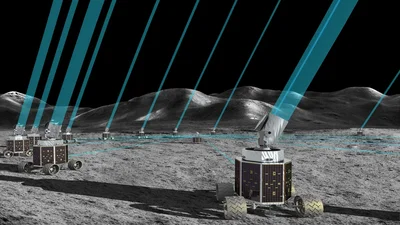
The Large Hadron Collider (LHC) has taken a giant leap in understanding the primordial soup of quarks and gluons that filled the early universe. By harnessing cutting-edge lattice QCD calculations, physicists have precisely measured the quark-gluon coupling, shedding light on the strong force that binds matter at its most fundamental level. This breakthrough helps explain how quarks and gluons interact under extreme conditions, a puzzle that has long stumped scientists. The findings pave the way for deeper insights into the universe’s first moments and could influence future particle physics experiments worldwide.
-
Black Hole Explosion Sparks Neutrino Mystery
 research →
In 2023, scientists detected a neutrino with an energy level 100,000 times greater than anything produced on Earth, defying known cosmic phenomena. Now, physicists at the University of Massachusetts Amherst propose that the particle came from the explosive death of a rare 'quasi-extremal primordial black hole.' This groundbreaking idea could unlock new secrets about the universe’s fundamental structure. The discovery pushes the boundaries of astrophysics and sets the stage for future cosmic detective work.
Space & Exploration 14
-
SpaceX Aims $1.75T IPO Skyrocket
 research →
SpaceX is gearing up for an eye-popping IPO targeting a $1.75 trillion valuation, which would vault Elon Musk’s space venture to the sixth most valuable U.S. public company. This staggering figure dwarfs giants like Meta and Berkshire Hathaway, signaling massive investor appetite despite Wall Street skepticism. With a potential $75 billion capital raise, the frenzy has already spilled into opaque secondary markets hungry for a piece of the space race. The launch date looms, and all eyes are on whether SpaceX can truly reach these stratospheric heights.
-
Snow Blankets Argentina’s Arid Andes Plains
 research →
In early April 2026, an unusual snowstorm swept across the typically dry eastern slopes of the Andes in southern Argentina, transforming the Patagonian Desert into a white wonderland. NASA’s Terra satellite captured stunning images of this rare snowfall, a result of wetter-than-normal early fall conditions and strong winds pushing snow eastward. This unexpected weather event highlights shifting climate patterns in the region, with scientists like René Garreaud closely monitoring changes. As the season progresses, locals and researchers alike will watch to see if this signals a new trend in Patagonia’s climate.
-
NASA Debates Artemis III Orbit Ahead of Lunar Leap
 research →
As Artemis II nears its Pacific splashdown, NASA is already zeroing in on the next big step: Artemis III. Unlike the lunar landings planned for Artemis IV, this mission will orbit Earth to iron out risks and sharpen the path to the Moon. NASA Administrator Jared Isaacman revealed the agency is weighing whether to fly Artemis III in low Earth orbit (LEO) or a higher Earth orbit (HEO), a choice that could shape the mission’s success. With senior-level talks underway, the blueprint for Artemis III is taking shape—paving the way for humanity’s next giant leap.
-
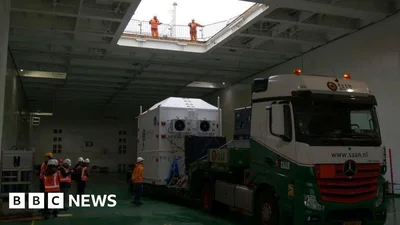
Smile Mission to Capture Earth’s Magnetic Shield
 research →
The Smile mission is gearing up to snap the first-ever images of Earth’s magnetosphere by detecting X-rays from solar wind particles. This magnetic bubble shields us from harmful solar radiation, making the mission crucial for understanding space weather impacts on satellites and power grids. Scientists hope Smile’s data will unlock new insights into how solar storms interact with our planet’s defenses. Launch is set for later this year, promising a fresh view of our invisible protector.
-
Earth’s Night Lights Surge, But Europe Dims
 research →
Satellite data reveals our planet is glowing 16% brighter at night since 2014, driven by rapid urban growth and rural electrification in regions like sub-Saharan Africa and Southeast Asia. Yet, Europe bucks the trend, intentionally dimming lights to fight pollution and save energy. The U.S. leads global luminosity, followed by China and India. This patchwork of brightness shifts highlights how human activity reshapes our nights, with implications for ecosystems and energy use worldwide.
-
Artemis II Crew Pioneers Moon Relay Race
 research →
The Artemis II astronauts are not just a crew—they’re a tight-knit team blazing a trail for future lunar missions. Focused on success, they see their mission as a relay race, passing the baton to the next explorers. From navigating the cramped Orion capsule to inspiring global leaders like Canada’s Prime Minister, their journey marks a historic leap in deep-space travel after 50 years. What they learn now will shape humanity’s next giant steps on the Moon.
-
Russia’s AI-Powered Orbital Station Takes Shape
 research →
Roscosmos is building a next-gen Russian Orbital Station (ROS) with deep AI integration, not just as a helper but embedded in its core systems. This smart tech will manage equipment, analyze data, and ease crew workload, boosting autonomy for long missions. The first module is set for launch in 2028, aiming for full deployment by 2034, marking a bold step toward future space exploration. With AI at the helm, ROS could redefine how humans live and work in orbit.
-
CHRONOS Breaks Ground in Low-Frequency Gravitational Waves
 research →
CHRONOS, a cutting-edge gravitational wave detector, is set to explore the elusive 0.1 to 10 Hz frequency band from the ground, a range previously masked by seismic and thermal noise. By combining cryogenic torsion-bar test masses with a quantum speed-meter interferometer, it promises unprecedented sensitivity around 2 Hz, potentially unveiling new cosmic phenomena. This breakthrough could open a fresh window into the universe’s gravitational wave background, with researchers aiming for a strain sensitivity near 10^-18 Hz^-1/2. The next steps involve building and testing this novel instrument to push gravitational wave astronomy into uncharted territory.
-
TESS Tests New Signal Hunt Strategy
 research →
A team led by Seto (2025) has put the hybrid ring strategy for detecting alien technosignatures to the test using data from the bright gamma-ray burst GRB 221009A. Leveraging nearly 50 days of TESS observations, they pinpointed precise timing windows to catch potential signals from 58 stars. While two stars showed brief brightenings, these were likely instrumental glitches, not alien messages. This first real-world trial proves the hybrid ring approach is practical and could revolutionize future searches for extraterrestrial intelligence.
-
Solar Storms Reveal Cosmic-Ray Secrets
 research →
A new study led by SOHO/ERNE data has uncovered fresh links between solar activity and cosmic-ray dips known as Forbush decreases. By analyzing solar energetic particle flux alongside cosmic-ray measurements from neutron monitors, researchers found that spectral shapes of solar particles predict cosmic-ray drops better than previously used solar wind speeds. This breakthrough sharpens our understanding of how solar storms shape space weather, with implications for satellite safety and astronaut protection. Next up: refining space weather forecasts using these new spectral indicators.
-
Mysterious Optical Flashes Spotted at Geosynchronous Orbit
research →
Scientists have detected fleeting optical signals at geosynchronous altitude, a zone where satellites typically orbit Earth. These transient flashes could reveal unknown space phenomena or debris interactions, raising fresh questions about near-Earth space activity. Understanding these signals is crucial for satellite safety and space traffic management. Researchers are gearing up for deeper investigations to decode the origin and nature of these elusive bursts.
-
India Rockets Into Space Launch Record
 research →
In 2025, India made a striking mark with eight satellites launched and four rocket bodies placed in orbit, contributing to a staggering 315 successful space launches worldwide. The Indian Space Situational Assessment Report reveals a booming space traffic with 4,651 objects launched and a 74.5% net growth in orbiting payloads. This surge highlights India’s growing prowess in space technology amid a global race to dominate the final frontier. With NASA’s Artemis II mission reigniting lunar ambitions, India’s space journey is set to accelerate further.
-
Russia’s Moon Missions Delayed Amid Artemis Triumph
 research →
Russia has pushed back its ambitious lunar missions—Luna-28, Luna-29, and Luna-30—by nearly a decade, now targeting launches between 2032 and 2036. This setback comes as the US’s Artemis II mission reignites human space exploration by sending astronauts around the Moon for the first time in over 50 years. The delays follow a string of challenges for Russia’s space program, including the 2023 crash of Luna-25, its first Moon attempt since the Soviet era. With no clear explanation from Moscow, the space race narrative is shifting, leaving many to wonder how Russia plans to catch up. The world will be watching if Russia can reignite its lunar ambitions or cede the Moon to new powers.
-
Mars Robot Revolutionizes Life Search
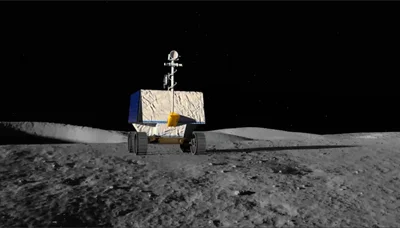 research →
A breakthrough walking robot is set to transform Mars exploration by moving autonomously between targets and analyzing multiple rocks without constant Earth control. This innovation, developed by planetary scientists, drastically speeds up the search for signs of life and geological data collection on the Red Planet. With communication delays and energy limits hampering traditional rovers, this semi-autonomous machine could unlock vast new terrains for study. The next step is refining this technology for upcoming missions, potentially rewriting how we explore Mars forever.
Health & Medicine 13
-
Hong Kong Halts French Oysters Over Illness Fears
 research →
Hong Kong’s Centre for Food Safety has pulled the plug on sales of raw oysters from the French brand Josephine after a possible link to gastroenteritis cases in the Netherlands. The affected batches, produced between March 5 and 25, were swiftly removed from shelves as a precaution. This move underscores global vigilance on food safety amid cross-border health alerts. Authorities will monitor the situation closely to prevent any local outbreaks.
-
Mini Brain Models Unlock Human Mind Mysteries
 research →
Scientists have crafted tiny, lab-grown brain organoids that mimic key aspects of human brain development, offering unprecedented insights into how our complex minds form. These mini brains, containing thousands of distinct cell types, open new frontiers for studying neurodevelopmental diseases and cognitive function. Yet, as this cutting-edge technology advances rapidly, experts warn that urgent ethical guidelines are needed to govern its use. The next steps will balance scientific breakthroughs with responsible oversight to harness this powerful tool safely.
-
Border Force: Illegal Tobacco Fight Needs Price Fix
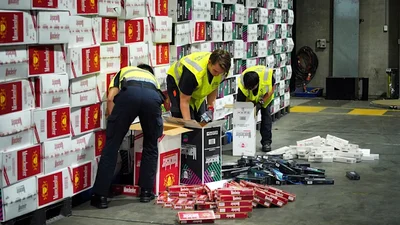 research →
Australian Border Force is seizing nearly 6 million illicit cigarettes daily, yet warns the war on illegal tobacco linked to organised crime is unwinnable without tackling the high prices of legal products. Despite ramped-up policing, strong consumer demand keeps the black market thriving. Treasurer Jim Chalmers faces pressure to inject an extra $300 million to combat illicit sales, while legal tobacco traders push for excise cuts blamed for fueling the illegal trade. The government now faces tough choices balancing public health, crime, and revenue as this tobacco war intensifies.
-
Mpox Hits Newborns in Khairpur, Sparks Alarm
 research →
An alarming mpox outbreak in Khairpur has infected seven newborns, with four tragically dying, signaling a dangerous shift in the virus's spread. Experts at Aga Khan University Hospital warn this marks a move from travel-related cases to local transmission, exposing serious lapses in hospital hygiene and infection control. The situation highlights urgent public health risks beyond major cities, demanding immediate action to contain the virus. Authorities are now under pressure to tighten infection protocols and protect vulnerable infants as cases emerge in Karachi too.
-
Singapore Unveils New Affordable Private Hospital
 research →
Singapore’s government is set to release land for a new not-for-profit private hospital in the east, marking the first such move in nearly 20 years. Health Minister Ong Ye Kung revealed the hospital will house 300 to 400 beds and operate under a fixed-price land tender to prioritize care quality and affordability over profit. This bold step aims to ease healthcare costs amid rising demand from an aging population. A tender decision is expected in the second half of 2026, signaling a fresh chapter in Singapore’s healthcare landscape.
-
Illegal Abortions Persist Despite Philippines Ban
 research →
Despite a total ban on abortion in the Philippines, unintended pregnancies and abortions continue at alarming rates, often in unsafe conditions. A study by Dr. Rogelio Alicor Panao using WHO data reveals that between 2015 and 2019, the unintended pregnancy rate hit 70.81% with an abortion rate of 36%. This stark reality highlights the gap between law and lived experience, raising urgent questions about women's health and rights in the country. The debate over reform and support services is likely to intensify as these figures come to light.
-
Pregnant Woman Rejected by 16 Korean Hospitals
 research →
A 36-year-old pregnant woman at 20 weeks was shockingly turned away by 16 hospitals across Daegu and North Gyeongsang Province due to full beds and lack of doctors. After hours of being denied care, she was finally admitted in Asan, three hours away. This alarming case exposes South Korea’s deepening crisis in regional obstetric care, following tragic outcomes in similar incidents. The urgent question now: how will authorities fix this dangerous gap before more lives are at risk?
-
Canadian Family Battles for Rare Gene Therapy
 research →
The Gill family in British Columbia is urgently seeking access to a groundbreaking gene therapy for their three-year-old son, Gurmoh, diagnosed with the rare neurodegenerative disorder Spastic Paraplegia Type 4. As the only known Canadian case, Gurmoh’s condition causes severe leg stiffness and weakness, shattering the family’s hopes for a normal childhood. Their plea highlights the urgent need for government support in accessing innovative treatments. The next step hinges on policy decisions that could open doors for rare disease therapies nationwide.
-
China’s Everest Snaps $250M Biotech Deal
 research →
Everest Medicines is making waves by acquiring Singapore’s Hasten Biopharmaceuticals for US$250 million, securing rights to 14 chronic disease treatments across Asia-Pacific. This move, backed by Chinese and global sovereign funds, signals a surge in China’s biopharma ambitions beyond its borders. With Hasten’s 120-strong team and a strategic 22% discount on valuation, Everest is poised to expand its drug portfolio internationally. The deal underscores a booming $60 billion cross-border biotech market in China, setting the stage for more global collaborations ahead.
-
Urgent Care Steps Up Amid Abortion Clinic Closures
 research →
As abortion clinics shutter across the U.S., urgent care centers like Marquette Medical in Michigan's Upper Peninsula are stepping into the breach by offering medication abortions. This shift comes after Planned Parenthood closed its local clinic, leaving a vast 500-mile region without in-person abortion services. Physician Shawn Brown’s urgent care has become a critical lifeline for over a thousand patients annually who previously relied on the clinic. With legal battles over abortion pills by mail ongoing, these local providers might be the frontline for reproductive care in underserved areas.
-
Deadly New Opioid Evades Detection
 research →
A synthetic opioid called N-Propionitrile chlorphine, reportedly 10 times stronger than fentanyl, is causing dozens of deaths across the U.S., with Tennessee hit hardest. First spotted in 2024 by the Center for Forensic Science Research and Education, this 'orphine' drug mimics prescription pills, making it dangerously deceptive. Even more alarming, it slips past fentanyl test strips, leaving users blind to the risk. Authorities warn this stealthy killer could fuel a new wave of overdoses nationwide.
-
VR Tech Revolutionizes Vision Training
 research →
Amblyotube, a cutting-edge VR app by Seven Sports, is transforming how we treat lazy eye and amblyopia by delivering distinct visuals to each eye simultaneously. Built on Meta Quest, it uses real-time dual-content rendering to boost visual coordination and depth perception, making therapy engaging and effective. This breakthrough not only promises better eye health but could also ripple into education, gaming, and healthcare. As VR tech evolves, Amblyotube sets a new standard for immersive, personalized vision care.
-
B.C.'s 10-Year Overdose Crisis Claims 18,000 Lives
 research →
British Columbia marks a grim milestone as over 18,000 people have died from drug overdoses since the province declared a public health emergency in April 2016. Stories like those of Brandon Jansen, a gym-loving young man who overdosed after attending 13 treatment centers, and Glenn Rebic, a beloved Vancouver skateboarder lost to fentanyl-laced cocaine, put a human face on this devastating epidemic. The crisis, fueled by potent synthetic opioids like fentanyl and carfentanil, continues to ravage communities, prompting urgent calls for enhanced support and intervention. As B.C. reflects on a decade of loss, the question remains: what bold steps will come next to stem the tide?
Crime & Justice 11
-
Gilgo Beach Killer Confesses to 8 Murders
 research →
Rex Heuermann, the Long Island architect behind the chilling Gilgo Beach killings, pleaded guilty to seven murders and admitted an eighth, ending a decades-long nightmare. His cold, emotionless courtroom presence stunned families who had waited over 30 years for justice. Set for sentencing in June, Heuermann’s confession opens a rare window into a serial killer’s mind, as he agrees to FBI behavioral analysis. This breakthrough could finally bring closure and help solve other cold cases.
-
John Deere Pays $99M in Right-To-Repair Win
 research →
After years of fierce battles, John Deere has agreed to a landmark $99 million settlement in the right-to-repair lawsuit brought by farmers. This payout will reimburse those who paid for expensive repairs through authorized dealers since 2018, returning up to 53% of overcharges—far exceeding typical settlement rates. While Deere denies wrongdoing, this deal marks a major victory for farmers demanding control over their own equipment. Next up: how this settlement might reshape repair rights across the agricultural industry.
-
Ex-Fort Bragg Worker Busted for Leaking Secrets
 research →
Courtney P. Williams, a former Fort Bragg employee with top-secret clearance, was arrested by the FBI for leaking classified military tactics to a journalist over several years. Williams, who worked with elite special operations units, admitted to her mother she risked arrest for exposing sensitive operations. The leaks fueled a 2025 investigative book exposing dark secrets at Fort Bragg, including alleged drug trafficking. This case highlights ongoing challenges in protecting military secrets amid whistleblowing and media scrutiny. The DOJ is pressing charges under national defense laws, with the trial expected to draw intense attention.
-
Murder Suspect Deemed Unfit for Trial
 research →
DeCarlos Brown Jr., accused of fatally stabbing Ukrainian refugee Iryna Zarutska on a Charlotte train, has been ruled mentally incompetent to stand trial, his attorneys announced. The 35-year-old homeless man failed a psychiatric evaluation, raising questions about how justice will proceed in this high-profile case. Brown faces separate federal charges, but his state trial is now on hold until he regains competency. This development complicates a case that drew national attention and political fire.
-
Gilgo Beach Killer Confesses to 8 Murders
 research →
Rex Heuermann, the Gilgo Beach serial killer, stunned Suffolk County by pleading guilty to strangling eight women over nearly two decades. Once seen as a harmless architect and family man, his cold confession finally ends a haunting mystery that gripped Long Island since the 1990s. The victims, aged 20 to 34, included Melissa Barthelemy and Amber Costello, whose families now seek solace. This admission could unlock new insights into serial killer victim patterns and bring long-awaited closure.
-
Android Users Eye $135M Google Payout
 research →
A massive class action lawsuit has Google on the hook for $135 million after allegations that Android devices secretly sent user data over cellular networks without permission since 2017. Millions of U.S. Android users could claim up to $100 each, spotlighting privacy concerns around background data collection. Google denies wrongdoing but has agreed to tighter disclosures during device setup. The final approval hearing is set for June, so eligible users should prepare their claim details now.
-
Trump’s Iran Threats Spark War Crime Alarm
 research →
President Donald Trump narrowly avoided crossing a red line with his recent threats to obliterate Iran’s infrastructure, which experts say could have constituted war crimes under international law. His chilling warning to bomb Iran “back to the Stone Ages” sparked global outrage before a last-minute two-week ceasefire was announced. While the ceasefire calmed tensions for now, legal scholars warn that such rhetoric dangerously flirts with violations of the laws of war. The world watches closely as the fragile peace hangs in the balance.
-
JD Vance Targets $6.3B Fraud in Gov Contracts
 research →
Vice President JD Vance has launched a high-stakes crackdown on government fraud, spotlighting nearly $6.3 billion in contracts awarded to potentially bogus businesses. His new anti-fraud task force is demanding proof of legitimacy from nearly 400 companies, signaling a fierce push to slash wasteful spending. This move could reshape how taxpayer dollars are protected and spent, with the task force promising to leave no stone unturned.
-
ICE Raids Surge, Lives Shattered
 research →
Under President Trump’s second term, ICE has ramped up raids dramatically, with arrests of immigrants without criminal records soaring by 770%, according to a UC Berkeley report. The crackdown has forced families into hiding, shattered communities, and sparked fierce resistance, as captured by The Independent’s Bel Trew in Minneapolis. With ICE now deploying spyware to track suspects, the human cost is mounting — and the fight over immigration enforcement is far from over.
-
Britain’s ‘Axelcels’ Idolize Killer, Plot Attacks
 research →
In a chilling trend, Britain is witnessing a rise of so-called 'Axelcels'—young men idolizing Southport killer Axel Rudakubana and planning violent attacks. One such case involved 17-year-old McKenzie Morgan, who plotted a terror attack on an Oasis concert after emulating Rudakubana’s deadly methods, including making ricin toxin. Authorities intervened before tragedy struck, but the phenomenon raises urgent questions about youth radicalization and mental health. Experts warn this disturbing copycat culture could inspire more attacks if left unchecked.
-
Supermicro Staff Charged in China AI Server Scheme
 research →
Supermicro is under the spotlight after three former employees were charged with illegally shipping AI servers equipped with Nvidia GPUs to China, violating US export laws. The company, a giant in server and AI data center tech, insists it had no part in the scheme and has launched a rigorous internal probe led by seasoned independent directors. This scandal not only threatens Supermicro’s reputation but also raises alarms over tech security and export controls amid rising US-China tensions. The investigation is ongoing, with the tech world watching closely for fallout and reforms.
Cybersecurity & Privacy 16
-
Russia’s Internet Whitelists Fuel Market Control
 research →
The Russian government’s use of internet 'whitelists' during online restrictions is morphing into a tool for economic favoritism, favoring companies loyal to the Kremlin over competitors. According to Ukraine’s Foreign Intelligence Service, this practice skews access in sectors like banking and retail, sidelining smaller players despite better offers. Even major names like Yandex and VK benefit not from merit but from state backing. This crackdown not only stifles competition but also fuels growing public discontent, with protests and legal challenges mounting. The next chapter will reveal whether these digital controls tighten or face pushback from citizens and industry alike.
-
Malicious Code Sneaks Past Build Reviews
 research →
A new cyber threat is exploiting a blind spot in software development: build configuration files like next.config.mjs and vue.config.js. Attackers hide obfuscated malicious code in these rarely scrutinized files, slipping past pull request reviews and GitHub’s UI that conveniently scrolls them out of sight. This stealth tactic undermines trust in open source supply chains, raising urgent calls for enhanced automated checks and stricter manual reviews. Developers and security teams must now rethink how they vet every line of code, including the overlooked build configs.
-
LAPD Data Breach Exposes Sensitive Files
 research →
Hackers linked to the extortion group World Leaks have stolen and leaked a trove of sensitive Los Angeles Police Department documents, including personnel files and unredacted criminal complaints. The breach targeted a digital storage system of the LA City Attorney’s Office, not LAPD networks directly, raising fresh concerns about data security across city agencies. With personal details of officers and witnesses exposed, the LAPD is investigating the fallout while the stolen data mysteriously vanished from the hackers’ site. This incident underscores the growing threat of cyber extortion gangs and the urgent need for tighter safeguards on sensitive law enforcement data.
-
Data Breaches: Devs’ Wake-Up Call
 research →
Data breaches aren’t just scary headlines—they’re catastrophic events that have toppled giants like Sony Pictures and shaken the very foundations of internet security. From Sony’s shocking plain-text password blunder in 2007 to the infamous Heartbleed bug in 2014 that exposed millions of servers, these cautionary tales reveal how small mistakes can cause massive fallout. For developers, understanding these disasters isn’t optional; it’s essential to protect users and businesses alike. The next step? Embracing security fundamentals from code to compliance before the next breach hits.
-
Claude Mythos AI Unleashes Cybersecurity Alarm
 research →
Anthropic’s Claude Mythos Preview is shaking the cybersecurity world by uncovering thousands of critical vulnerabilities across every major OS and browser. So powerful that it’s locked behind an invitation-only program called Project Glasswing, this AI isn’t just a tool—it’s a warning shot to defenders everywhere. With partners like AWS, Google, Microsoft, and Apple on board, the race is on to patch these flaws before malicious hackers do. The big question now: can the industry keep pace with this AI-powered threat intelligence?
-
New API Simplifies EU Compliance Chaos
 research →
Tech companies juggling 19 major EU regulations now have a game-changer: the Law4Devs API. Instead of wrestling with endless PDFs and dense legal jargon, developers can access these complex rules in clean, structured JSON format. This breakthrough slashes compliance headaches and could speed up innovation across Europe’s digital markets. Next up: wider adoption and integration into developer toolkits.
-
Insiders Pocket $600K on US-Iran Ceasefire Bets
 research →
A cluster of accounts on Polymarket, identified by Bubblemaps, made over $600,000 betting on the US-Iran ceasefire just hours before President Trump’s surprise announcement. These accounts, some newly created, have a history of profiting from military event markets, including a recent $1.2 million haul on strikes involving Israel and Iran. The timing and precision of these bets have sparked fresh allegations of insider trading on prediction markets, raising questions about market fairness and regulation. Authorities and platforms now face pressure to crack down on potential leaks and misuse of sensitive information.
-
Darknet Drug Bust Nets Crypto, Drugs
 research →
In a major crackdown, Saskatoon police arrested a 30-year-old man linked to darknet drug trafficking, seizing a haul that included Xanax, MDMA, and over 0.5 Bitcoin in cryptocurrency. The raid uncovered roughly 130 terabytes of data storage and various computer components, highlighting the scale of this digital crime operation. Charged with trafficking and possession of crime proceeds over $5,000, the suspect’s arrest marks a significant blow to illicit online drug markets. Authorities say the investigation is far from over, promising more developments ahead.
-
Iran-Linked Hackers Disrupt US Infrastructure
 research →
Iran-backed hackers have launched a wave of cyberattacks targeting critical US infrastructure, including oil, gas, and water systems, according to a joint FBI and NSA advisory. By exploiting vulnerabilities in programmable logic controllers (PLCs) and SCADA systems, they caused operational disruptions and financial losses, raising alarms about national security. Despite a recent ceasefire, these cyber offensives show no signs of stopping, signaling a persistent threat to vital American industries. Authorities urge companies nationwide to bolster defenses as investigations continue.
-
AI Uncovers 500+ Hidden Zero-Days
 research →
Anthropic’s Claude Mythos AI has uncovered over 500 zero-day vulnerabilities in open source software, including a staggering 23-year-old Linux NFS heap buffer overflow. This breakthrough reveals how AI is reshaping cybersecurity by outpacing human experts in spotting critical flaws lurking for decades. With major tech giants like Amazon, Google, and Microsoft joining forces under Project Glasswing, the race to secure software just got a powerful new ally. Expect accelerated patching and a new era of AI-driven defense strategies soon.
-
AI Fails Vulnerable Groups Worldwide
 research →
New research reveals that AI systems often falter where it matters most—at refugee borders, in justice courts, and disaster zones—harming those with the least power to fight back. TechEthics highlights how flawed AI design and governance lead to real-world damage for vulnerable populations. This wake-up call urges developers to build safeguards before deployment, not after. The next step is serious reform to ensure AI supports, rather than endangers, society’s most fragile members.
-
Chaos Malware Hijacks Cloud Misconfigurations
 research →
Chaos malware has evolved, now aggressively targeting misconfigured cloud deployments beyond its usual router and edge device victims. This new variant adds a SOCKS proxy module, enabling stealthier cryptomining and DDoS attacks across Windows and Linux systems. With hints pointing to a Chinese-linked threat actor, this expansion raises alarms for cloud security worldwide. Experts warn organizations to urgently audit cloud setups to prevent becoming the next victim.
-
Cisco Dev Breach Exposes 300+ Repos
 research →
Cisco's internal development environment was breached through a supply chain attack exploiting the Trivy scanner, leading to the theft of over 300 repositories. This alarming compromise highlights how trusted security tools can become attack vectors, putting critical infrastructure at risk. With attackers leveraging malicious GitHub Actions plugins, the breach underscores systemic flaws in software supply chain defenses. Security teams worldwide are now racing to contain fallout and patch vulnerabilities before more damage unfolds.
-
Masjesu Botnet Quietly Strikes IoT Devices
 research →
A new cyber menace named Masjesu has emerged as a stealthy DDoS-for-hire botnet targeting IoT devices worldwide. Unlike noisy attacks, Masjesu operates quietly, avoiding critical networks like the DoD to stay under the radar and persist longer. Known also as XorBot for its XOR encryption tricks, it’s been quietly building its arsenal since 2023. Security experts warn this low-key approach could make it a lasting threat, with the next move likely to be more sophisticated attacks.
-
Russian GRU Hacks Thousands of Routers Globally
 research →
The FBI and international partners have uncovered a massive espionage campaign by Russia's GRU military hackers, who exploited vulnerabilities in tens of thousands of consumer routers worldwide. By hijacking devices from brands like MikroTik and TP-Link, the group known as Fancy Bear rerouted internet traffic to steal passwords and encrypted data from governments, militaries, and critical infrastructure. This sophisticated DNS hijacking operation, active since 2024, highlights the persistent cyber threat from Russia’s APT28 unit. Authorities are now working to secure affected networks and prevent further breaches.
-
Cities Cut Ties with Flock Safety Surveillance
 research →
This year, Bend, Oregon led a wave of cities dropping contracts with Flock Safety, the AI-powered license plate camera company, amid growing privacy concerns. Dozens of municipalities have now labeled Flock’s network a sprawling surveillance tool, sparking public outcry over data sharing with agencies like ICE. The controversy highlights the blurred lines between local policing and federal immigration enforcement. As more cities reconsider their surveillance strategies, the future of Flock’s technology hangs in the balance.
Energy & Climate 16
-
TMK Energy’s Gas Output Rockets in Mongolia
research →
TMK Energy has smashed expectations at its Gurvantes XXXV project in Mongolia, with March gas production surging 48% to an average of 866 cubic metres per day, and a record single-day flow of 1,350 cubic metres. The standout well, LF-07, signals a major shift from early-stage dewatering to commercial-scale gas flows, thanks to confirmed gas desorption and pressure communication between wells. This breakthrough suggests the reservoir is acting as a connected system, paving the way for steady, controlled production growth. Next up: scaling operations to capitalize on this momentum and unlock Mongolia’s gas potential.
-
Iran War Sparks Energy Revolution
 research →
The US-Israeli conflict with Iran has triggered a seismic shift in global energy, with Fatih Birol, head of the International Energy Agency, warning the crisis will accelerate the move to renewables and nuclear power. Iran’s blockade of the Strait of Hormuz has created an unprecedented disruption, worse than the combined shocks of the 1970s and 2022. While the current energy crunch won’t end overnight, this turmoil could permanently reshape geopolitics and speed up cleaner energy investments worldwide.
-
Galp Energizes Spain with €320M Wind Buy
 research →
Galp Energia just sealed a €320 million deal to snap up a major onshore wind portfolio in Spain from Helia Funds, marking a bold leap beyond its solar roots. As Portugal’s oil giant pivots aggressively into clean energy, this move supercharges its green ambitions and signals a growing wind power surge in Iberia. Next up, expect Galp to ramp up operations and push the envelope on renewable dominance in Southern Europe.
-
Queensland’s Bold Oil Push Meets Federal Freeze
 research →
Queensland Premier David Crisafulli is charging ahead to build an oil industry, with Shell already pumping 200 barrels a day from the Taroom Trough. But the Albanese government remains unmoved, refusing to fast-track environmental approvals despite the state’s calls for urgent federal support. The oil lies deep underground, making extraction costly and complex, but Crisafulli’s plan includes new infrastructure to unlock the resource. With diesel prices soaring and supply fears mounting, Canberra’s cautious stance sets the stage for a tense showdown over Australia’s energy future.
-
Russia Slashes LNG Prices to Win South Asia
 research →
Russia is shaking up the global energy market by offering 40% discounts on US-sanctioned LNG to energy-starved South Asia, exploiting a severe supply crunch caused by disruptions in Qatar and the Strait of Hormuz. These discounted shipments, routed through shadowy intermediaries in China and Russia, even come with forged paperwork to mask their origin. With South Asia desperate for affordable gas, this move could redraw regional energy alliances and deepen geopolitical tensions. The big question now: will buyers bite despite the risks?
-
HD Hyundai Launches First Ammonia Tankers
 research →
HD Hyundai Heavy Industries has completed the world's first ammonia-fueled tankers, delivering two dual-fuel vessels named Antwerpen and Arlon to Belgium's EXMAR LPG France. These 190-meter ships mark a breakthrough in eco-friendly shipping, capable of carrying liquefied petroleum gas and ammonia with advanced emission-cutting technology. This milestone signals a growing shift toward ammonia as a marine fuel, expected to reach 8% market share by 2030. With more vessels on order, HD Hyundai is steering the future of green maritime transport.
-
Viking Mines Pinpoints Tungsten Riches in Nevada
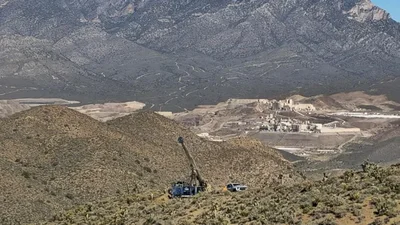 research →
Viking Mines Ltd has nailed down prime drill targets at its Linka tungsten project in Nevada thanks to a cutting-edge gravity survey. This high-tech geophysical work revealed strong links between gravity anomalies and known tungsten mineralisation, sharpening the focus for the company’s first-ever drilling campaign. The survey also uncovered fresh, hidden targets beneath volcanic cover, opening exciting new avenues for discovery. With drill rigs poised to roll, Viking is set to unlock significant tungsten potential in a hot mining district.
-
Pakistan’s Energy Crisis Sparks Climate Alarm
 research →
Pakistan’s energy nightmare exploded in March 2026 when the US-Israeli war shut the Strait of Hormuz, slashing LNG supplies and sending petrol prices soaring 20% in a week. Despite PM Shehbaz Sharif’s 2025 climate emergency declaration, the government’s inaction left the country vulnerable to spiraling inflation, political unrest, and economic chaos. The crisis exposed how energy security and climate resilience are inseparable, with experts urging urgent structural reforms. Meanwhile, a solar energy push promises to save Pakistan $6.3 billion by year-end, offering a glimmer of hope amid turmoil.
-
Cyclone Maila Threatens Flood-Weary Queensland
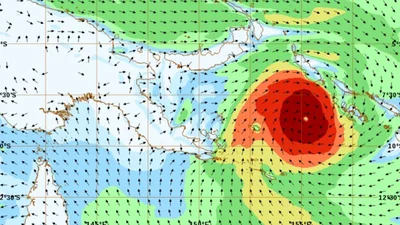 research →
Severe Tropical Cyclone Maila, a record-breaking Category 4 storm with winds up to 260 km/h, is finally moving toward Australia’s far north Queensland after stalling near the Solomon Islands and Papua New Guinea. This powerful cyclone has set a new record as the strongest ever recorded so far north in the Solomon Sea, raising alarms in a region still recovering from previous floods. While Maila is expected to weaken as it nears landfall, authorities remain on high alert for potential flooding and damage. The coming days will be critical as communities brace for impact and emergency services prepare to respond.
-
Power Plants Unveil Real-Time Emissions Data
 research →
A groundbreaking global database now tracks daily emissions from over 10,000 power plants across 57 countries, covering 81% of fossil-fuel electricity generation. This near-real-time data leapfrogs previous slow, coarse inventories, offering policymakers sharper tools to tackle pollution and climate change. Experts say this could revolutionize how we monitor and reduce power sector emissions worldwide. Next up: integrating this data into actionable climate strategies and enforcement.
-
UK Windfall Tax Freezes £17.5bn North Sea Boost
 research →
Chancellor Rachel Reeves has hit pause on scrapping the controversial windfall tax, blocking a massive £17.5 billion investment in North Sea oil and gas projects. Firms warn this freeze could stall development of over a billion barrels of oil and gas by 2030, just as energy prices spike amid Middle East tensions. The decision leaves the UK’s energy future hanging in the balance, with industry pushing for tax relief to unlock vital funds. Meanwhile, thinktanks suggest using windfall tax revenues to subsidize energy bills for households, spotlighting the political tug-of-war over who pays the price next.
-
Global Wars Close Kerala’s Tea Shops
 research →
In Kerala, the ripple effects of distant Middle East conflicts are shutting down beloved local tea shops, a quiet sign of economic strain. Scarce LPG cylinders, a direct fallout of the war, have forced many vendors to close, disrupting daily life and livelihoods. Despite the hardship, the government in Delhi remains silent, leaving locals frustrated and vulnerable. As Kerala heads to crucial elections, these economic undercurrents could reshape voter priorities and political fortunes.
-
India Pulls Out of Hosting COP33 Climate Summit
 research →
India has abruptly withdrawn its offer to host the UN’s pivotal COP33 climate talks in 2028, surprising the global climate community. The decision came after a government review of its future commitments, though officials have remained tight-lipped on the exact reasons. This move leaves a major gap in the COP hosting lineup and raises questions about India’s climate diplomacy ahead of critical global negotiations. The UN and member states will now scramble to find a new host for one of the world’s most important climate summits.
-
Hydrogen Fuel Cells: Powering Tomorrow’s Cities
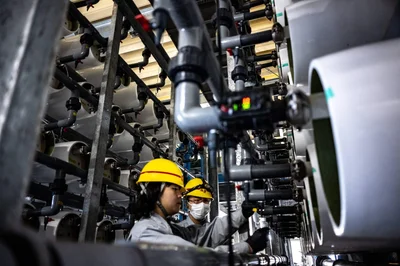 research →
Forget solar panels and wind turbines—hydrogen fuel cell technology might just be the clean energy game-changer we’ve been waiting for. Unlike batteries that run out, these cells convert chemical energy directly into electricity and can be refueled endlessly, offering a sustainable power source. With the potential to energize entire cities, hydrogen fuel cells could reshape how we think about clean energy. The next step? Scaling up this technology to meet growing global demands.
-
India Charges Ahead with Thorium Power
 research →
India is making bold strides in thorium-based nuclear energy, aiming to tap its vast thorium reserves to fuel a cleaner, more secure energy future. Unlike traditional uranium reactors, thorium promises less nuclear waste and greater safety, positioning India as a potential leader in next-gen nuclear tech. This move could reshape global energy dynamics, especially as countries seek alternatives amid geopolitical tensions. The world will be watching how India scales this ambitious energy frontier.
-
NCR Thermal Plants Hit with ₹61.8 Cr Fine
 research →
The Commission for Air Quality Management (CAQM) has slapped a hefty ₹61.85 crore fine on six thermal power plants across Punjab, Haryana, and Uttar Pradesh for flouting biomass co-firing rules. This crackdown highlights the urgent push to curb pollution in the National Capital Region, a critical step for cleaner air around Delhi. The plants must pay up by April 15 and prove compliance, signaling stricter enforcement ahead.
Automotive & Transport 12
-
Drones Boost Safety on Northern Sea Route
research →
Russia is pioneering the use of unmanned drones to enhance safety along the Northern Sea Route, a critical Arctic shipping lane. The government recently approved an experimental legal framework for testing deck-based drones to scout ice conditions, aiming to reduce human risk and environmental hazards. According to expert Alexey Fadeev, this move could revolutionize Arctic logistics by improving industrial and environmental safety. The next step involves expanding drone roles to cargo delivery, promising safer and more efficient Arctic operations.
-
Malaysia’s Bold EV Hub Push Sparks Market Debate
 research →
Malaysia’s Ministry of International Trade and Industry (MITI) is walking a tightrope between becoming a regional EV manufacturing powerhouse and protecting local firms. The government’s new policy demands that foreign automakers like BYD commit to exports and deep localization, aiming for high-value tech and engineering roles beyond simple assembly. This approach, part of Malaysia’s Next-Gen Vehicle vision and Industrial Master Plan 2030, could reshape Southeast Asia’s EV landscape. The big question now: will this balancing act attract long-term investors without stifling homegrown players?
-
Chinese Jaecoo 7 SUV Tops UK Sales
 research →
The Chinese SUV Jaecoo 7 is shaking up the UK car market by becoming the best-selling new car in early 2026, a stunning feat for a brand launched just last year. With over 15,500 units sold, it has overtaken established rivals like Kia and Nissan in the family SUV segment. This rapid rise signals a major shift in British buyers' trust towards Chinese automakers. The big question now: can Jaecoo maintain this momentum throughout 2026?
-
TAP SA Banks Fourth Straight Profit
 research →
TAP SA has posted its fourth consecutive annual profit in 2025, signaling strong momentum as it aggressively expands its network and seeks a strategic investor. This steady profitability boosts confidence in the airline’s sale process, which is gaining pace amid a challenging aviation market. With the carrier’s future ownership in flux, industry watchers are keen to see who will step in to fuel TAP’s next growth phase.
-
Volkswagen Unveils China-Made EVs with Local Tech
 research →
Volkswagen is shaking up China’s EV market by launching three new electric models developed with Chinese technology giants like Xpeng and CATL. This bold move aims to blend German manufacturing precision with homegrown innovation, a strategy to regain ground amid fierce local competition. The first model, the ID. UNYX 08, boasts advanced driving assistance and cutting-edge batteries, signaling Volkswagen’s commitment to truly localizing its products. As the world’s largest car market evolves, this partnership could redefine global EV leadership. Stay tuned as these models hit the streets in the coming weeks.
-
Hormuz Strait Reopens Amid Cautious Shipping
 research →
After a tense month-long blockade slashed traffic by 95%, the Strait of Hormuz has begun reopening under a ceasefire brokered between the US and Iran. France, led by President Emmanuel Macron, is spearheading a 15-nation mission to secure this vital oil route, yet major shipping companies remain wary, delaying full resumption due to unpredictable risks. Meanwhile, Iran’s plan to tax tankers in cryptocurrency adds a new twist to the geopolitics of this chokepoint. The world watches closely as cautious steps toward stability unfold in this critical maritime corridor.
-
Self-Driving Car Mows Down Beloved Duck
 research →
In Austin's Mueller Lake neighborhood, a self-driving Avride car ran over and killed a mother duck without slowing down, sparking outrage among locals. The incident, caught attention after a resident shared the story on Facebook, has fueled mistrust toward autonomous vehicles in the community. The duck was well-known for nesting outside a local Italian restaurant, and residents are now incubating her eggs to save the brood. This episode raises tough questions about AI ethics and safety on public roads as autonomous cars become more common.
-
Uber Rolls Out Driverless VW ID. Buzz in LA
 research →
Uber and Volkswagen’s MOIA America have hit the streets of Los Angeles with their first fleet of autonomous ID. Buzz electric vans, marking a bold step toward robotaxi rides. Starting with about 10 vehicles, the test phase will scale to over 100 vans, all supervised by human safety operators as they navigate California’s strict regulations. This iconic microbus reboot aims to reshape urban mobility, with commercial rides expected by late 2026 and fully driverless service in 2027. LA’s car culture makes it the perfect launchpad for this futuristic ride-sharing experiment.
-
Windrose Rolls Out First US Electric Truck
 research →
Chinese startup Windrose has delivered its first long-haul electric heavy truck in the US, marking a bold move into the competitive American market. Priced at $285,000, the truck was handed over to Texas-based Allogic and Greenspace on April 1, signaling Windrose’s serious challenge to Tesla’s Semi. With certifications across multiple continents and Oceania approval expected soon, Windrose is accelerating its global ambitions. This delivery could reshape the heavy trucking landscape as electrification gains momentum worldwide.
-
Mumbai Metro Unveils Two New Lines
 research →
Mumbai just got a massive transit upgrade with the launch of Metro Line 9 and Metro Line 2B (Phase 1), inaugurated by Maharashtra Chief Minister Devendra Fadnavis on April 7, 2026. These new lines promise to dramatically improve connectivity across the city’s western and eastern suburbs, easing daily commutes for millions. Alongside, the ambitious Thane–Borivali twin tunnel and pod taxi projects signal a bold push to transform Mumbai’s transport landscape. Next up: watching how these projects reshape the city’s notorious traffic snarls.
-
China Unveils Safer Solid-State EV Batteries
 research →
China is pushing the boundaries of electric vehicle tech with its latest solid-state battery breakthroughs, promising safer, longer-lasting power for EVs. These new batteries tackle the biggest EV hurdle—safety—while boosting energy density, potentially accelerating global EV adoption. As the world races to cut emissions, China's innovation could reshape the EV landscape and challenge current lithium-ion dominance. Industry watchers are eager to see how quickly these batteries hit the market and impact EV affordability and range.
-
Infinite Machine Reinvents E-Bikes Amid Fuel Crisis
 research →
Backed by A16z, Infinite Machine is crafting e-bikes that blur the line with mopeds, sparking both excitement and skepticism among cyclists. This innovation arrives as soaring petrol prices, fueled by the Middle East conflict, drive a surge in e-bike demand, especially in Australia. With riders seeking affordable, electric alternatives, Infinite Machine’s bold approach could reshape urban mobility. The coming months will reveal if these hybrid e-bikes win over traditional cyclists or face pushback.
Sports 16
-
Nick Faldo Urges Rahm to End Ryder Cup Ban
 research →
Golf legend Nick Faldo has called on Jon Rahm to settle his costly dispute with the DP World Tour, warning that the clock is ticking ahead of the Ryder Cup in Ireland. Rahm faces fines exceeding £2 million for playing in LIV Golf events, leaving him sidelined from key European tournaments and the prestigious Ryder Cup until he pays up. While several LIV players have accepted deals to clear their fines, Rahm remains defiant, risking his Ryder Cup future. Faldo’s plea highlights the high stakes as Rahm’s next move could define his career and the Ryder Cup line-up.
-
Conor Benn Stakes Future on Zuffa Boxing Deal
 research →
Conor Benn is putting his £11.19 million, one-fight deal with Zuffa Boxing on full display this Saturday as he faces Regis Prograis at Tottenham Hotspur Stadium. The 29-year-old, who recently left longtime promoter Eddie Hearn, believes Zuffa—backed by UFC’s Dana White and Saudi powerbroker Turki Alalshikh—is already making waves in boxing. Benn’s eyes are set on a world title shot against WBC champ Ryan Garcia in September, hinting this partnership might just be the start of a new era. The boxing world will be watching closely to see if Benn’s gamble pays off beyond this high-stakes bout.
-
McIlroy Defends Masters Crown Amid Fierce Rivalry
 research →
Rory McIlroy tees off at the 2026 Masters aiming to become only the fourth player to win back-to-back green jackets, joining legends like Tiger Woods and Jack Nicklaus. The tournament kicks off at Augusta National with top contenders including world No. 1 Scottie Scheffler, Jon Rahm, and Bryson DeChambeau battling for the $3.6 million prize. Notably absent are veterans Tiger Woods and Phil Mickelson, marking a generational shift in the sport. Fans can catch all the action live on ESPN, Now, and TSN Plus as the drama unfolds. Expect a thrilling week as history beckons the new guard.
-
Vacherot Stuns Musetti at Monte Carlo
 research →
Valentin Vacherot thrilled his home crowd by toppling world No. 5 Lorenzo Musetti 7-6(6), 7-5 at the Monte-Carlo Masters, marking his first time reaching the round of 16. The Monegasque, who grew up on these courts, is riding high after last year’s Shanghai Masters title and now stands as only the second player from Monaco to advance this far in the tournament. This win cements Vacherot’s rise and sets up an exciting next chapter in his clay-court journey. Fans will be watching closely to see if he can keep the momentum going.
-
IPL Franchise Cricket Shakes Global Game
 research →
The IPL, cricket's richest and most influential league, is reshaping the sport's future. Arun Singh Dhumal, IPL chairman, hinted that franchise T20 leagues might soon overshadow traditional bilateral internationals, signaling a seismic shift in world cricket. This evolution could redefine players' commitments and the international calendar, raising questions about the future of Test-playing nations' fixtures. Fans and stakeholders now watch closely as the IPL's dominance grows, potentially rewriting cricket's global playbook.
-
Thunder Storm to Western Conference Crown
 research →
The Oklahoma City Thunder have stormed to the top of the Western Conference, clinching the top seed with a commanding 128-110 win over the Los Angeles Clippers. Led by Chet Holmgren's 30 points and 14 rebounds and Shai Gilgeous-Alexander's 20 points and 11 assists, the reigning NBA champions have now won seven straight games, boasting a stellar 64-16 record. This dominant run sets them up as the team to beat heading into the playoffs, with just two regular-season games left to cement their legacy.
-
CAF President Urges Unity Amid AFCON Turmoil
 research →
CAF President Patrice Motsepe visited Dakar to support Senegalese football leaders after the controversial decision to strip Senegal of the 2025 Africa Cup title. The decision, which awarded the trophy to Morocco, sparked protests and accusations of corruption, with Senegal appealing the ruling. Motsepe called for unity and welcomed investigations into CAF corruption, signaling a push for transparency as he prepares to meet Moroccan officials next. This visit could mark a turning point in restoring trust in African football governance.
-
Harry’s Bar Eyes $1M Glory at Randwick
 research →
Harry’s Bar, the five-year-old mare trained by Paul Murray, is set to shine in Saturday’s $1 million Provincial-Midway final at Randwick. After last year’s heartbreak with a close contender, Murray is cautiously optimistic, focusing on managing Harry’s Bar’s tricky gate behavior rather than her fitness. This race could mark a triumphant comeback for Murray and his prized mare, who already boasts a notable win at Rosehill last July. All eyes will be on Randwick as the tension builds toward a thrilling finish.
-
21-Year-Old Tennis Star Shakes Up Rankings
 research →
Talia Gibson, a 21-year-old Australian tennis sensation, has stormed through March by defeating five top-20 players, including Naomi Osaka and Jasmine Paolini. Her aggressive baseline play propelled her from world No.112 to a career-high No.56, earning a staggering $370,000 in just three weeks. This breakout run at Indian Wells and Miami signals a new contender rising in women’s tennis, with fans eager to see if she can keep the giant-killing streak alive.
-
Medvedev Shatters Racket in Crushing Monte Carlo Defeat
 research →
Daniil Medvedev, once world No. 1, erupted in frustration at the Monte Carlo Masters, smashing his racket seven times during a humiliating 6-0, 6-0 loss to Matteo Berrettini. The Russian’s meltdown on the red clay court earned him a code violation and is expected to bring a hefty fine. This rare double bagel defeat highlights Medvedev’s struggles as he battles to regain form. Fans and critics alike will be watching closely to see how he bounces back from this low point.
-
France Women Handball Eyes Euro Sweep
 research →
France's women's handball team, already qualified for the Euro finals, faces Kosovo in Pristina on April 9, aiming to replicate their dominant 43-12 win from last October. Coach David Burguin emphasizes this match as a key moment to sharpen their game and assert control against a tougher Kosovo squad. With precision and strong defense transitions in focus, the French squad looks to close qualifiers with authority. Fans can expect a high-energy clash that sets the tone for the upcoming championship.
-
Caps Shut Out Leafs, Revive Playoff Hopes
 research →
Logan Thompson dazzled with 21 saves, securing his third shutout of the season as the Washington Capitals crushed the Toronto Maple Leafs 4-0. This win injects new life into the Caps’ playoff chase, leaving them just three points shy of a wild-card spot with three games remaining. Meanwhile, the Leafs are staring down their first postseason miss since 2016. With the race tightening, Washington’s final stretch promises high drama.
-
Masters 2026: Tiger and Mickelson Absent, Golf Feels Void
 research →
For the first time since 1994, the Masters tees off without Tiger Woods and Phil Mickelson, two legends whose presence electrified Augusta National for over 30 years. Woods remains on indefinite hiatus recovering from a car crash, while Mickelson steps away for family reasons, leaving fans and players grappling with a quieter tournament atmosphere. Their absence is palpable—from the empty seats at the Champions Dinner to the missing roar along the fairways. As golf adjusts to this new era, eyes turn to rising stars to fill the void and keep the Masters magic alive.
-
Gujarat Gears Up for 2030 Commonwealth Games
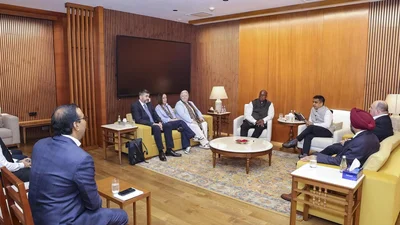 research →
Gujarat has launched a major inspection drive ahead of the 2030 Commonwealth Games, with Commonwealth Sport president Donald Rukare leading a four-day review of venues and infrastructure. This marks a crucial step in ensuring the state meets international standards for the mega sporting event. Officials, including the Indian Olympic Association, are closely involved, signaling strong local commitment. The next months will see detailed planning and upgrades as Gujarat races to be ready for the global spotlight.
-
BR Volleys Clash with Friedrichshafen in Semifinals
 research →
BR Volleys have secured a thrilling semifinal spot in the German Volleyball Bundesliga, setting up a high-stakes showdown against their longtime rivals, VfB Friedrichshafen. After a commanding quarterfinal win over Netzhoppers KW, the Berlin-based team now faces the Bodensee powerhouse, who edged out Ludwigsburg in a decisive 3-0 victory. This matchup promises intense action as both teams vie for a spot in the finals. Fans can expect a fierce battle that could redefine the championship race.
-
FIFA Hits Spain Over Anti-Muslim Chants
 research →
FIFA has launched disciplinary proceedings against the Royal Spanish Football Federation after fans reportedly chanted anti-Muslim slogans during Spain’s friendly match against Egypt on March 31. The disturbing chants, including “who doesn’t jump is a Muslim,” sparked immediate warnings and anti-discrimination messages at the stadium but failed to stop the behavior. Spanish star Lamine Yamal and authorities have condemned the acts, highlighting the ongoing struggle to stamp out intolerance in football. The case now puts Spain’s federation under intense scrutiny as FIFA seeks to uphold its zero-tolerance policy on discrimination.
Gaming & Esports 13
-
NVIDIA Unleashes Open Source Game Engine Power
 research →
NVIDIA just shook up the game dev world by releasing a full open source fork of Godot with real-time path tracing at GDC 2026. This means stunning, Pixar-level lighting effects running live on consumer GPUs, powered by Vulkan and backed by NVIDIA’s DLSS tech. It’s a bold move away from proprietary tools, signaling a new era of accessible, high-fidelity game development. Next up, expect rapid innovation as this open engine evolves with contributions from across the industry.
-
Ron Francis Exits Seattle Kraken Helm
 research →
Ron Francis, the driving force behind the Seattle Kraken's rise, is stepping down as president of hockey operations at the end of 2026. His departure marks a pivotal moment for the young NHL franchise, which has relied heavily on his vision to build a competitive team from scratch. As the Kraken prepare for their next chapter, eyes will be on who steps up to fill the void left by one of hockey’s most respected executives.
-
YouTube Shorts Launches AI Avatars
 research →
YouTube is rolling out a new AI-powered feature that creates photorealistic avatars mimicking your face and voice for use in Shorts. By recording a quick selfie and voice prompts, users get an avatar that can star in multiple 8-second clips, making content creation more personal and secure. This leap builds on Google's Veo models and adds a fresh voice dimension, promising a new wave of interactive, authentic videos. Expect this to reshape how creators engage audiences on mobile and TV screens alike.
-
Xbox Revamps Achievements with Fresh Features
 research →
Xbox is shaking up its iconic Achievements system with a fresh update that’s already rolling out to Insiders. The upgrade brings slick new animations, the power to hide games from your achievements list, and a spotlight on titles you’ve fully completed. This tweak is a win for Game Pass fans drowning in cluttered lists, promising a cleaner, more personalized experience. Expect the update to hit all players in the coming weeks, marking a thoughtful step to revive Xbox’s signature gamer bragging rights.
-
Sony Revamps PS5 UI for Smoother Play
 research →
Sony is rolling out a fresh update to the PS5 interface that promises to fix a long-standing annoyance for gamers. The new design moves key icons like the PlayStation Store and Game Library to a more accessible spot above recent games, speeding up navigation. This tweak, spotted in beta tests, aims to make jumping between games and media smoother than ever. Fans are also buzzing about a potential future with full dashboard themes, hinting at even more personalization ahead.
-
Fans Revive Lost Mirror’s Edge Prototype
 research →
After nearly two decades, dedicated fans have resurrected a long-lost Mirror’s Edge prototype from early 2008, making it playable for the first time since its troubled release in 2019. Thanks to painstaking reverse engineering and hundreds of fixes, this raw, lighting-less build reveals a grittier, rougher version of the cult classic’s parkour thrills — including a brutal arm break and a cringe-worthy opening monologue. This restoration not only offers a fascinating glimpse into the game’s evolution but also reignites passion for a franchise EA has largely forgotten. Expect more fan-driven discoveries as the community digs deeper into Mirror’s Edge’s hidden past.
-
Star Fox 2 Game Rumored for April Reveal
 research →
A trusted leaker known as Nate the Hate has stirred excitement by claiming that a new Star Fox game for the Nintendo Switch 2 will be announced this month. This follows his accurate past leaks, including the surprise release of Oblivion Remastered. Fans are buzzing, especially after the recent Super Mario Galaxy movie cameo, which many see as a perfect teaser. If true, Nintendo might skip a traditional Direct and drop the news via Nintendo Today or social media. April could be the month Star Fox returns to the spotlight.
-
Steam Gears Up Framerate Estimator Tool
 research →
Valve is quietly building a new 'Framerate Estimator' feature for Steam, revealed in recent client update files. This tool aims to predict game performance on your PC by analyzing anonymized framerate and hardware data shared by users. If launched, it could revolutionize how gamers pick titles by offering personalized performance forecasts before purchase. With Steam already collecting this data, the next step seems imminent—gamers may soon see detailed framerate charts tailored to their rigs.
-
James Bond Switch 2 Game Delayed Again
 research →
IO Interactive's much-anticipated James Bond game, 007 First Light, will miss its initial launch on Nintendo Switch 2, now arriving later this summer instead of May 27. While PlayStation 5, Xbox Series X, and PC players can gear up for the May release, Switch 2 fans face a frustrating wait. This delay follows an earlier postponement from March and highlights the challenges of delivering high-quality experiences across platforms. Gamers eager for Bond’s reimagined origin story will have to stay patient a bit longer.
-
Apple’s MacBook Neo Nears Sellout Frenzy
 research →
Apple’s new MacBook Neo is flying off shelves faster than expected, pushing the company to the brink of running out of the A18 Pro chips that power it. Originally designed as a budget-friendly laptop using leftover iPhone chips, the Neo’s runaway success has created a “massive dilemma” for Apple: how to keep up with demand before the next-gen A19 chip arrives. With wait times stretching to weeks, fans are left wondering if affordable, simple gaming PCs like the Steam Deck could finally get some competition. Apple’s next move will be crucial in shaping the future of accessible computing.
-
YouTube Rolls Out 90-Second Unskippable TV Ads
 research →
YouTube is pushing the limits with 90-second unskippable ads now appearing on its TV app, far exceeding the official 30-second cap. Viewers are frustrated as these lengthy ads disrupt binge-watching, with reports surfacing on Reddit about their sudden appearance on videos of varying lengths. This aggressive ad strategy marks a sharp turn in YouTube’s monetization push on living room screens, threatening user experience. With TV watch time soaring past 44%, YouTube’s next moves could redefine how we tolerate ads on our biggest screens.
-
Cyberpunk 2077 Powers Up on PS5 Pro
 research →
Cyberpunk 2077 just got a stunning free upgrade for PS5 Pro, adding PlayStation Spectral Super Resolution (PSSR) and enhanced ray tracing that push visuals to a new level. This surprise move from CD Projekt Red reverses their earlier stance and shows they’re still committed to refining the game years after its rocky launch. Players can now choose from three performance modes tailored to the PS5 Pro’s extra muscle, promising sharper and smoother gameplay. Fans should dive in now to experience Night City like never before, with more updates likely on the horizon.
-
Bungie Cracks Down on Marathon Cheaters
 research →
Bungie is stepping up its fight against cheaters in Marathon, rolling out enhanced detection tools and stricter bans after cheating reports surged in the new Ranked mode. The developer’s zero-tolerance policy means confirmed cheaters face permanent bans, and fresh telemetry improvements are already live with more on the way. This crackdown aims to restore fairness and keep the competitive spirit alive as the community demands cleaner gameplay.
Entertainment & Culture 14
-
BTS Ignites Global Stage with 'Arirang' Tour
 research →
BTS has launched their groundbreaking 'Arirang' world tour, marking their first global run after a four-year military hiatus. Kicking off at Goyang Stadium near Seoul, the tour spans 85 shows across 34 cities, promising a revolutionary 360-degree stage experience that breaks K-pop records. With all initial shows sold out and more dates planned, BTS is set to redefine live concerts worldwide. Fans can expect an electrifying mix of new and classic hits as the group reconnects with audiences on an unprecedented scale.
-
Galleries Art Fair Celebrates 50 Years Strong
 research →
The Galleries Art Fair in Seoul has hit a milestone with its 50th edition, showcasing a record 169 galleries and drawing nearly 4,500 visitors at the Coex center. This landmark event highlights a vibrant Korean art scene, energized by a younger wave of Millennial and Gen Z collectors eager to engage with contemporary works. As Korea’s oldest and most prestigious art fair, it remains a key indicator of the country's art market health. The fair runs through Sunday, promising fresh discoveries and a pulse on Korea’s evolving creative landscape.
-
Netflix’s True-Crime Hit Tackles Tragedy Sensitively
 research →
The Truth and Tragedy of Moriah Wilson is winning hearts on Netflix for its rare, sensitive take on a brutal true-crime story. The documentary revisits the 2022 murder of rising cyclist Moriah Wilson in Austin, Texas, unpacking the tangled jealousy that led to her death. Praised as ‘essential viewing,’ it stands out in a genre often criticized for sensationalism. With viewers moved and reflecting, this film could set a new standard for how true crime is told.
-
Fake Celebrity Weddings Fool Millions
 research →
Olivia Attwood's lavish wedding was all show—no legal marriage license in sight. This trend of high-profile, televised ceremonies without official ties is baffling fans and blurring the lines between reality and entertainment. As stars cash in on the spectacle, viewers are left wondering what’s real and what’s just for the cameras. Expect more celebrity weddings to follow this glittering yet hollow blueprint.
-
AstaGuru Mumbai Masters Auction Shakes Art World
 research →
The AstaGuru Auction Mumbai Masters has ignited fresh excitement among collectors and art lovers by showcasing a stellar lineup of modern and contemporary Indian art. This auction is a pivotal moment, spotlighting rare masterpieces that capture the evolving narrative of India’s vibrant art scene. With record bids expected, it’s a key event that could redefine market trends and artist valuations. Stay tuned as the auction unfolds and sets new benchmarks for the art market.
-
Kengo Kuma to Transform London’s National Gallery
 research →
The National Gallery in London has tapped Kengo Kuma and Associates, alongside British partners, to design a stunning new wing as part of a £750 million redevelopment. Set to open in the early 2030s, this addition will showcase modern paintings from after 1900, completing the museum’s story of Western art history. The project promises a bold blend of innovation and beauty, reshaping how visitors experience art in one of the world’s most iconic galleries.
-
Cannes 2026 Rolls Out Star-Studded Cast
 research →
The Festival de Cannes 2026 is already buzzing with excitement as John Travolta, Barbra Streisand, and Peter Jackson are confirmed to grace the red carpet. With the official selection announcement looming, festival director Thierry Frémaux promises a dazzling lineup packed with cinematic legends. This star power hints at a spectacular event that will set the tone for the year’s film calendar. Stay tuned as the full roster unfolds and the festival gears up to celebrate global cinema in style.
-
Flight of the Conchords Reunion Sells Out Instantly
 research →
New Zealand’s beloved comedy duo, Flight of the Conchords, announced their first gigs in eight years, and tickets vanished within minutes. Bret McKenzie and Jemaine Clement will kick off four shows at Wellington’s Meow Nui next week, rekindling the magic that made their HBO series a cult hit. Fans are buzzing as the duo prepares for their Netflix Is a Joke festival debut in Los Angeles this May. After years apart, their quirky, genre-bending tunes are back—though McKenzie jokes they’re like a "bad covers band" of themselves trying to remember old hits.
-
Agathe Charnet Triumphs with Alzheimer Memoir
 research →
Agathe Charnet has clinched the 2026 Nouvel Obs Literary Award for her poignant book Peut-être le hasard. The work shines a raw light on her mother’s battle with Alzheimer’s, blending personal pain with striking literary flair. This win cements Charnet’s place as a powerful new voice in French literature. Readers can expect her to continue exploring deeply human stories with bold honesty.
-
Dennis Trillo Sparks New Film Buzz
 research →
Dennis Trillo has reunited with the creative minds behind his acclaimed 2024 film Green Bones, filmmaker Zig Dulay and producer Nessa Valdellon, sparking excitement about a fresh project in the works. The trio’s recent studio meetup, dubbed the return of the “A Team,” hints at a promising collaboration brewing behind the scenes. Fans are eagerly awaiting official word, but the reunion alone signals something big is on the horizon for the celebrated actor. Stay tuned as this story unfolds.
-
Historic Russian Church Transforms into Youth Library
 research →
A 19th-century Russian church in Erzurum’s Oltu district is being reborn as a vibrant library for local youth, thanks to the “Cultural Treasures Meet Youth” project. After four years of meticulous restoration, this 480-square-meter heritage site, dating back to the Ottoman-Russian War era, will soon open its doors as a modern cultural hub. Supported by regional development agencies and local authorities, the initiative aims to blend history with contemporary community needs. The library is set to become a beacon of learning and culture within a year.
-
David Geffen Galleries Debut at LACMA
 research →
The Los Angeles County Museum of Art (LACMA) has unveiled the new David Geffen Galleries, a stunning addition that promises to reshape the museum experience. Funded by billionaire philanthropist David Geffen, these galleries offer cutting-edge spaces for contemporary art exhibitions and immersive installations. This expansion not only elevates LACMA's profile but also signals a fresh wave of cultural investment in LA. Visitors can expect groundbreaking shows and innovative programming in the months ahead.
-
Singapore Halts Arts Centre Rent Hikes Amid Crisis
 research →
In a move to ease pressure on artists during global economic uncertainty, Singapore’s Goodman Arts Centre has paused planned rent increases for 2026. The National Arts Council and Arts House Group will reassess rental rates at year-end, offering a reprieve to creatives worried about a potential 60% hike. This decision highlights the government’s commitment to sustaining affordable art spaces amid rising costs. Artists and tenants now await the 2027 review with cautious optimism.
-
Oscars Set Final ABC Shows Before YouTube Move
 research →
The Academy of Motion Picture Arts and Sciences has announced the dates for the 99th and 100th Oscar ceremonies: March 14, 2027, and March 5, 2028. These will be the last Oscars aired on ABC and held at Hollywood’s Dolby Theatre before the show moves to YouTube and Downtown LA’s Peacock Theater in 2029. This marks the end of an era for the iconic awards, with a fresh chapter about to begin in a new venue and streaming platform.
Dev & Open Source 20
-
Mobile Development Transformed by AI and Platforms
 research →
Mobile development is no longer just about building apps for Android or iOS. Developers now juggle adaptive UIs across foldables, tablets, and desktops, while cross-platform tools like Flutter and Kotlin Multiplatform are mainstream, not experiments. Meanwhile, apps are evolving into mini-platforms packed with chat, payments, and analytics, demanding modular design and lightning-fast performance. On top of this, AI-powered tools like MobAI are breaking new ground by giving AI agents the ability to control real mobile devices, automating testing and development like never before. The future? Developers must master a complex, multi-device ecosystem powered by AI and modular innovation.
-
WebAssembly Powers AI in Browsers
 research →
The AI revolution is hitting your browser thanks to WebAssembly and ONNX, enabling lightning-fast AI inference without server roundtrips. This breakthrough means smarter, more private apps that run directly on your device, slashing latency and cloud costs. As developers embrace this edge AI era, expect web apps to get dramatically more responsive and capable. The future of AI is local, and it’s arriving now.
-
Browser-Based Image Compression Cuts Costs, Boosts Privacy
 research →
A new browser-based image compression tool lets users shrink photos right on their devices, keeping sensitive images private and eliminating server expenses. By processing images locally, this approach slashes latency and works offline once codecs load, delivering instant results without uploading data. This innovation is a game-changer for businesses and privacy-conscious users alike, promising faster, safer image handling. Developers are now exploring wider adoption and integration into popular apps.
-
React Cuts Code, Boosts Efficiency
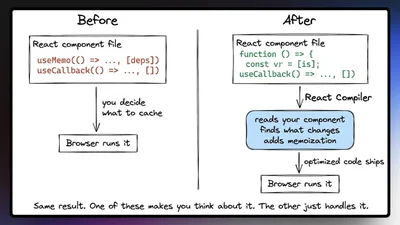 research →
Developers are writing less React code thanks to React 19’s new compiler, which automates memoization tasks that once required manual useMemo and useCallback hooks. This shift not only slashes boilerplate but also streamlines app logic, as seen in tools like Snapstate that separate UI rendering from business logic. The trend signals a cleaner, faster React ecosystem where developers focus more on features than on managing performance quirks. Expect more innovations that reduce code clutter and enhance maintainability in future React releases.
-
Master Git to Decode Codebases Fast
 research →
Before diving into any new code, Ally Piechowski reveals the power of running just a handful of git commands to uncover a project's hidden pain points—like churn hotspots and bug clusters—without opening a single file. This approach transforms the intimidating task of understanding unfamiliar code into a strategic investigation, revealing who’s really driving the project and where the risks lie. As more developers embrace this method, expect faster onboarding and smarter debugging across teams.
-
Tech Teams Tame Deployment Chaos
 research →
After a painful Friday outage that knocked out a core feature for 20% of users, a tech team realized their rapid deployment pace was more reckless than reliable. They ditched risky all-or-nothing releases and manual checklists for smarter staging, smoke tests, and feature flags using Laravel Pennant. This shift not only slashed deployment anxiety but also turned shipping into a boring, predictable routine. The next step? Sharing these hard-won lessons to help others stop gambling with their releases.
-
GitHub Custom Runners Revolutionize CI
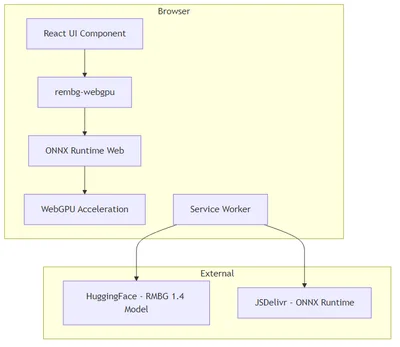 research →
GitHub has officially launched custom runner images for GitHub Actions, moving beyond the public preview phase that started last October. This game-changing feature lets teams pre-bake their entire CI environment—including Node, Python, SDKs, and custom binaries—into a single VM image, slashing setup times for every workflow run. For anyone managing large-scale CI, this means faster, more reliable builds without the repetitive install overhead. Next up, expect wider adoption and deeper customization options as teams optimize their pipelines.
-
Kubernetes Slashes RAM with eBPF Shift
 research →
eBPF is no longer the future—it's the now for Kubernetes observability. By swapping out heavy Envoy sidecars for a lean eBPF stack using Cilium, Hubble, Pixie, and Tetragon, one team cut sidecar RAM from 75GB to 12GB without touching app code. With 67% of large Kubernetes deployments already onboard, this move slashes cloud bills and boosts efficiency. If you’re still running sidecars, 2026 might be the year to rethink your cluster’s architecture.
-
Massive GitHub Supply Chain Hack Uncovered
 research →
On April 7, a seemingly innocent pull request to the Charlotte project unleashed a sprawling supply chain attack across 250+ repositories, orchestrated by a single group using 64 fake accounts. The malicious workflow embedded in GitHub Actions escalated access in five phases, threatening countless projects relying on GitHub’s CI/CD pipelines. This revelation exposes a critical vulnerability in open source software security, raising urgent questions about trust and verification. Developers and platforms alike must now rethink how they vet contributions to prevent future breaches.
-
Startup Dodges $500K Microservices Trap
 research →
A fintech startup with $3M ARR was gearing up for a risky six-month microservices overhaul to fix deployment and scaling headaches. But after a quick 3-week intervention using feature flags, read replicas, and team-based ownership, they avoided a costly $500K mistake. Now at $12M ARR, they’re shipping features four times faster on their monolith than rivals who jumped into microservices. This story flips the script on the ‘microservices are always better’ myth and shows smart simplicity wins.
-
Chrome Swaps libxml2 for Rust Power
 research →
Google's Chrome is ditching the decades-old libxml2 C library for a fresh Rust-based XML parser, aiming to crush security flaws and boost performance. This move tackles the notorious memory safety issues that have long plagued C, especially when parsing untrusted XML data. By embracing Rust's safety guarantees, Chrome is setting a new standard for browser security and speed. The rollout promises safer browsing and could inspire other projects to follow suit.
-
AI Uncovers 27-Year-Old Security Flaws
 research →
Anthropic's Claude Mythos Preview AI has just rewritten cybersecurity history by uncovering hidden vulnerabilities in every major OS and browser—some lurking unnoticed for 27 years. This breakthrough means decades-old security blind spots are finally exposed and patched, shaking up how we think about software safety. With this AI-powered scrutiny, expect faster discovery and fixes of critical flaws, transforming the cybersecurity landscape overnight.
-
MongoDB Storage Engine Unveiled
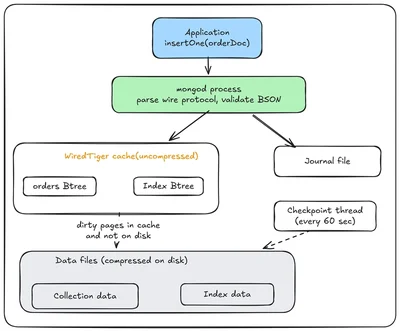 research →
The latest deep dive into MongoDB's storage engine reveals how it fundamentally differs from PostgreSQL. Unlike PostgreSQL’s tightly integrated storage, MongoDB uses WiredTiger, a standalone key-value store with its own caching and concurrency. Plus, MongoDB stores data as BSON, embedding field names in every document, which impacts performance at scale. Understanding these nuances is crucial for developers optimizing database operations. Expect more insights as the series continues to unpack MongoDB’s inner workings.
-
SonarQube Maven Plugin Powers Java Quality
 research →
SonarQube continues to dominate Java static analysis in 2026, with its Maven plugin offering deep code quality and security checks trusted by millions. Unlike simpler tools like PMD, SonarQube provides comprehensive multi-language insights and quality gates essential for large, regulated projects. However, its complexity and cost mean it’s best suited for teams ready to invest in DevOps and enterprise-grade tooling. As AI features evolve, SonarQube aims to close the gap with newer AI-native competitors while maintaining its robust platform. Developers using Maven can expect tighter integration and richer feedback loops ahead.
-
Hackers Hijack Zendesk to Breach Giants
 research →
UNC6783, a cunning hacker group, is exploiting business outsourcing firms to infiltrate top companies by stealing Zendesk support tickets. Using slick social engineering and phishing tricks, they even fool helpdesk staff into handing over access via fake Okta login pages. This method lets them bypass MFA by snatching clipboard data, making their attacks alarmingly effective. With dozens of firms hit, the fallout could be massive—security teams must tighten defenses fast.
-
Swift IDE Support Goes Mainstream
 research →
Swift just broke out of its usual confines, landing official support across a slew of popular IDEs like Cursor, VSCodium, AWS’s Kiro, and Google’s Antigravity. By tapping into the Open VSX Registry with the official Swift extension, these editors now offer seamless Swift coding with features like debugging, refactoring, and test exploration. This move supercharges Swift’s cross-platform appeal, making it easier than ever to build on macOS, Linux, and Windows. Next up: watch Swift-powered agentic IDEs take developer productivity to new heights.
-
Master Argo CD Installation with Helm
 research →
Getting started with GitOps on Kubernetes just got clearer thanks to a detailed guide on installing Argo CD using Helm. This walkthrough demystifies the swarm of components like the server, repo server, controller, and Redis that pop up after installation, explaining their roles and how they fit together. For platform engineers, this isn’t just about running commands—it’s about truly understanding the system that keeps your clusters in sync with Git. Next up: customizing your Argo CD setup to fit your unique platform needs.
-
Tailwind CSS 4.2 Simplifies Webpack Integration
 research →
Tailwind CSS 4.2 just dropped with a game-changing webpack plugin that slashes setup headaches for developers. This update finally levels the playing field with Vite by removing the need for manual PostCSS config in webpack projects. Alongside four fresh color palettes and faster recompilation speeds, it’s a subtle but powerful upgrade that’s already buzzing in frontend circles. For teams stuck on legacy build tools, this could be the nudge to modernize workflows without a full overhaul.
-
SonarQube Scales Up on Kubernetes
research →
SonarQube just got a major cloud-native boost with a new Helm-based deployment guide for Kubernetes. This means teams can now run a scalable, resilient code quality platform with self-healing pods, rolling upgrades, and seamless CI/CD integration. The step-by-step tutorial covers everything from PostgreSQL setup to ingress configuration, making it easier than ever to embed code quality checks into modern development workflows. If you’re ready to ditch bare VMs and Docker Compose, this is your new go-to blueprint.
-
Rust Supercharges python-dateutil by 94x
 research →
python-dateutil, a cornerstone of Python’s date handling with over 300 million monthly downloads, just got a turbo boost. A new Rust port, python-dateutil-rs, drops in seamlessly with a single import change and delivers blazing speeds — up to 94 times faster in parsing and timezone tasks. This means massive performance gains for data pipelines and calendar apps without rewriting a line of code. Developers can grab it now via pip and watch their date computations fly; meanwhile, the Rust for CPython project is pushing forward to embed Rust deeper into Python itself.
Society & Migration 15
-
Indian Economist Honored with Seoul Citizenship
 research →
Gouranga Das, an Indian economist and Hanyang University professor, has been awarded honorary citizenship by Seoul after 24 years of contributing to Korea’s economic studies and development. Initially drawn by Korea’s postwar growth miracle, Das’s academic journey evolved into a lifelong commitment, bridging insights between Korea and developing nations like India. This honor highlights the growing global ties in economic research and cultural exchange. Das plans to continue his work, deepening Korea’s role as a model for emerging economies.
-
Sam Altman Pushes Robot Tax Revolution
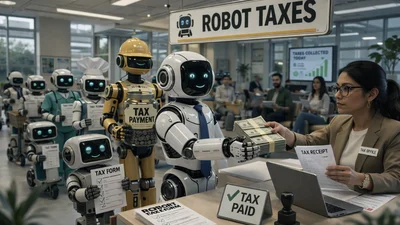 research →
OpenAI CEO Sam Altman has unveiled a bold 13-page policy blueprint warning that AI's rise demands a complete overhaul of our economic systems. As machines edge past human intelligence and replace jobs, Altman proposes taxing robots to fund social support, echoing venture capitalist Vinod Khosla’s radical call to scrap income taxes. This vision signals a seismic shift in how governments might balance innovation with fairness. The next step: will policymakers embrace this futuristic tax model or resist the AI-driven economic upheaval?
-
India Faces Domestic Workers Law Showdown
 research →
India is grappling with a heated debate over a dedicated law for domestic workers, spotlighting stories like Sumitra's, who toils in multiple homes for just ₹3,000 a month while supporting her family. Despite the Centre's opposition, advocates argue that legal protections are urgently needed to address exploitation and poverty among millions of domestic workers. This debate could reshape labor rights in India, with activists pushing for reforms that recognize and safeguard this invisible workforce. The coming weeks will reveal if the government bends to public pressure or maintains its stance.
-
New Law Lets Disabled Work Without Benefit Loss
 research →
The UK government has introduced the 'Right to Try' law, allowing disabled claimants to work or volunteer without automatically losing benefits like ESA, PIP, or universal credit health elements. This move aims to break the cycle of people feeling trapped on benefits due to fear of reassessment. Minister Sir Stephen Timms emphasized this as a reassurance to encourage work and volunteering, though campaigners say more must be done to tackle workplace barriers. The law takes effect by the end of April across England, Wales, and Scotland.
-
US Teen Birth Rates Plunge to Historic Low
 research →
The U.S. has hit a historic low in teen birth rates, driving the nation's fertility rate down to new depths. According to the New York Times, this decline has been ongoing since 2007 but accelerated recently, reshaping demographic trends. This drop matters as it reflects shifting social attitudes and economic pressures, including the soaring cost of raising children, now topping $300,000. Experts will be watching how these trends influence future population growth and economic planning.
-
Pakistan’s Housing Crisis Hits Rural Families Hard
 research →
A new survey reveals a deepening housing crisis in Pakistan, with 63% of the population lacking adequate shelter and over 10 million housing units short nationwide. Rural households are especially vulnerable, with only 39% owning homes and many spending 40% of their income on housing, a burden worsened by recent floods. The stark urban-rural divide highlights urgent needs for infrastructure and disaster resilience as millions face insecurity. With homeownership tied to stability, the government’s next moves could define millions of futures amid this growing crisis.
-
Alberta’s Treaty Rights Clash Fuels Independence Fight
 research →
In a heated court battle, Kevin Hille, representing the Athabasca Chipewyan First Nation, accused Alberta’s government of losing its 'moral authority' to protect treaty rights amid a push for an independence referendum. The lawyer urged the court to block Elections Alberta’s approval of the referendum petition, warning this might be one of the last chances to safeguard Indigenous rights before a potential split. This legal showdown highlights deep tensions over Indigenous sovereignty and Alberta’s future, with the court’s decision poised to shape the province’s political landscape.
-
Italy Embraces Silver Housing Boom
 research →
Italy is witnessing a surge in 'silver housing' developments as its aging population seeks independence beyond traditional family care. These new residences, popular in the U.S. and Northern Europe, offer seniors community life and services tailored to their needs. For pensioners like 85-year-old Umberto Giuggiarini, who felt isolated at home, these homes provide a vibrant alternative. With Italy’s elderly population growing, silver housing is set to reshape elder care and create fresh opportunities for developers.
-
US Government Websites Fail Accessibility Test
 research →
With just days before the ADA Title II deadline on April 24, 2026, a scan of 42 US government websites reveals many still fall short of WCAG 2.1 Level AA standards. State and local sites, especially courts, lag behind due to outdated tech and tight budgets, leaving millions at risk of digital exclusion. Meanwhile, AI-powered tools promise faster fixes, but enforcement remains the real challenge. The clock is ticking for governments to catch up or face legal consequences.
-
Middle East War Strains Global Aid Systems
 research →
The brutal conflict between Israel-US and Iran has pushed humanitarian efforts to the brink, with over 3,200 dead and tens of thousands wounded across Iran and Lebanon alone. Civilians are caught in the crossfire, facing devastation and displacement as infrastructure crumbles. Even a fragile ceasefire hasn’t halted violence, especially in Lebanon, underscoring the war’s far-reaching human and geopolitical fallout. The world now watches anxiously as aid agencies scramble to respond amid worsening crises.
-
Maharashtra Cracks Down on Gig Worker Fraud
 research →
The Maharashtra government has launched a sweeping verification drive for lakhs of gig workers in Mumbai and its metropolitan region, targeting alleged illegal immigrants in delivery jobs. Labour Minister Akash Fundkar demanded platforms like Swiggy, Zomato, and Blinkit take full legal responsibility for vetting workers beyond faceless onboarding. This crackdown follows BJP leader Kirit Somaiya's explosive claims about forged documents used by undocumented Bangladeshi and Rohingya migrants. With assembly elections looming, the move has sparked fierce political debate, but authorities vow to tighten controls and protect the gig economy’s integrity.
-
US Raids Caracas, Captures Maduro
 research →
US special forces shocked the world on January 3, 2026, by storming Caracas in Operation Absolute Resolve, capturing President Nicolás Maduro and his wife, Cilia Flores. The raid ended Maduro’s 13-year grip on Venezuela but plunged the nation deeper into uncertainty and crisis. Now in New York facing narcoterrorism charges, Maduro’s fate could reshape Latin America’s political landscape. Meanwhile, the humanitarian fallout and power vacuum leave many questions about Venezuela’s next chapter.
-
US Aid Cuts Cripple Malawi LGBTQ+ Health
 research →
In Malawi, the sudden withdrawal of US funding has devastated health services for around 15,000 LGBTQ+ individuals, forcing many to seek care in public hospitals where stigma runs rampant. Volunteers are desperately trying to fill the void, but the collapse has left vulnerable patients like Chisomo Nkwanga facing discrimination and even denial of essential HIV medication. This crisis exposes the fragile lifeline donor aid provides and raises urgent questions about sustainable support for marginalized communities. The coming months will test whether Malawi can rebuild inclusive healthcare without foreign aid.
-
Turkey Joins Global Teen Social Media Crackdown
 research →
Turkey is stepping into the global spotlight by proposing a law to block social media access for children under 15, joining countries like Australia and parts of Europe in this controversial move. The draft law demands platforms like TikTok, Instagram, and YouTube to enforce strict age verification and parental controls, aiming to shield kids from harmful content. Critics warn this might be a blunt instrument rather than a real solution, but Turkish officials insist protecting youth online is non-negotiable. With debates heating up, the world watches to see if this sparks a new wave of digital regulation.
-
Delhi Unveils Bold Transit Housing Plan
 research →
Delhi’s government has launched a game-changing transit-oriented development (TOD) policy aimed at creating affordable housing near metro lines, RRTS corridors, and railway stations. Announced by Union Minister Manohar Lal, this initiative opens up areas within 500 meters of transit hubs for large-scale, planned housing projects targeting lower- and middle-income residents. With over 1,500 unauthorized colonies set for regularization, impacting around 4.5 million people, Delhi is poised for a housing revolution. The next steps involve rapid development and infrastructure upgrades to transform the city’s urban landscape.
Weather & Natural Disasters 14
-
4.9 Quake Rocks Indonesia, Injures 20
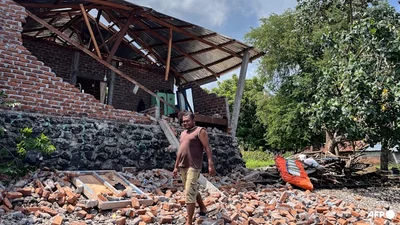 research →
A shallow 4.9-magnitude earthquake jolted eastern Indonesia near Maumere just before midnight, damaging over 100 homes and injuring at least 20 people on the island of Adonara. The quake struck at a depth of only 10.4 km, amplifying its destructive power in this seismically volatile region known as the Pacific 'Ring of Fire.' While not as catastrophic as past mega-quakes, this event underscores Indonesia's ongoing vulnerability. Authorities are now assessing damage and preparing for aftershocks.
-
Cyclone Vaianu Threatens North Island
 research →
Cyclone Vaianu is barreling toward New Zealand’s North Island, with up to 200mm of rain expected in just 18-24 hours, according to Earth Sciences expert Chris Brandolino. The storm’s exact path remains uncertain, but its center is likely to pass east of Auckland, bringing fierce winds and heavy rain that could cause significant damage. Experts warn that despite a possible downgrade in category, the cyclone’s impact could be severe and unpredictable. Residents are bracing for what could be one of the worst storms in years as authorities monitor the situation closely.
-
Kanlaon Volcano Spews Ash Again
 research →
Kanlaon Volcano has emitted a fresh ash plume, signaling renewed unrest in the region. This latest activity raises concerns for nearby communities and air traffic, as ash clouds can disrupt daily life and travel. Authorities are closely monitoring the volcano, urging residents to stay alert and prepared for possible escalations. The coming days will be critical to assess if this is a brief event or a sign of more intense volcanic activity ahead.
-
Scientists Slash Heatwave Survival Limits
 research →
A groundbreaking study has shattered the long-held belief that humans can survive wet-bulb temperatures up to 35°C. The new HEAT-Lim model reveals that deadly heat stress kicks in at cooler, drier conditions than previously thought, putting millions—especially the elderly—at greater risk. By reanalyzing six historic heatwaves, researchers uncovered that fatal heat thresholds were breached well before hitting the old limit. This revelation demands urgent reevaluation of heat safety standards worldwide as climate change intensifies.
-
Rotorua Roads Collapse Amid Fierce Flooding
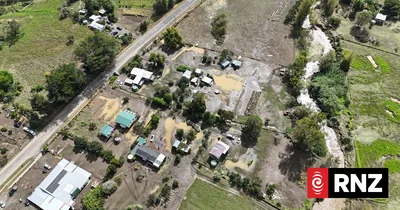 research →
A terrifying scene unfolded near Rotorua as a car plunged into a deep chasm caused by severe flooding and road collapse on Ngapouri Rd. Miraculously, the driver survived and was rushed to hospital, while locals watched in disbelief at the ongoing landslides and mudslides affecting multiple roads including Te Kopia Rd. Emergency crews remain on high alert as the region grapples with unstable terrain and dangerous travel conditions. With more rain forecast, residents are urged to stay vigilant and avoid affected routes.
-
India’s Heat Crisis Strains Health and Economy
 research →
India is facing a brutal heat crisis that’s no longer just about the environment—it’s hitting hospitals and wallets hard. A new report from ClimateRISE Alliance and Dasra reveals that rising temperatures and pollution are costing India 2% of its GDP by driving up illness and reducing productivity. With energy demand soaring amid a global oil shock, the country’s health systems and economy are under unprecedented pressure. As heatwaves intensify, India must urgently adapt to protect its people and growth.
-
Southern Syria Faces Dire Water Crisis
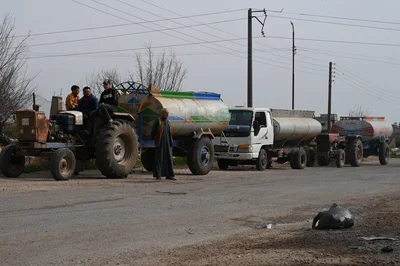 research →
In southern Syria's Deraa region, residents like Abu Osama are grappling with severe water shortages that force families to buy costly tanker deliveries, often consuming a day's wages. This crisis highlights the harsh reality of dwindling water access amid economic hardship and climate pressures. With prices soaring and supply unreliable, the community's struggle underscores a broader regional threat to water security. Experts warn this is just a glimpse of worsening conditions as climate change and conflict intensify.
-
Cyclone Vaianu Threatens North Island Again
 research →
Cyclone Vaianu, a fierce category four storm with winds over 150 km/h, is closing in on New Zealand’s North Island this weekend, sparking fresh fears of flooding and wind damage. Residents in Northland, still reeling from devastating floods just weeks ago, are bracing for heavy rain and strong winds, with emergency services on high alert. Authorities urge everyone to secure homes, clear drains, and prepare for power outages as the cyclone’s exact path remains uncertain. This relentless weather pattern raises urgent questions about the future resilience of communities facing increasingly volatile storms.
-
Storm Halts Flights, Ferries at Jeju
 research →
Jeju Island was battered by heavy rain and fierce winds on Thursday, forcing the cancellation of 88 flights and suspending all passenger ferries to nearby islands. The chaos hit both domestic and international travelers, with some flights forced to return mid-air due to dangerous wind shear. This disruption underscores the vulnerability of travel hubs to extreme weather, as the Korea Meteorological Administration warns the storm will linger through Friday. Travelers are bracing for continued delays and cancellations as the tempest rages on.
-
Hormuz War Strangles Fertilizer Supply
 research →
The ongoing war involving the US, Israel, and Iran has choked the Strait of Hormuz, a vital artery for nearly half of the world's urea fertilizer and a fifth of global LNG. This blockade has sent shockwaves through global agriculture, forcing the Inter-American Institute for Cooperation on Agriculture (IICA) and the Fertilizer Institute (TFI) to forge a new alliance to stabilize fertilizer supplies across the Americas. With fertilizer plants shutting down from Qatar to Bangladesh, the world watches nervously as a fragile ceasefire offers a slim hope for reopening this critical trade route. The stakes are high: disrupted fertilizer flows threaten food security worldwide, especially in vulnerable Global South nations already battling inflation and debt.
-
Cities Fight Water Crisis, Climate Wins
 research →
In Phoenix, Denver, and Las Vegas, urban water conservation efforts—like limiting lawn watering and promoting low-flow devices—have made strides in reducing consumption. But new research reveals these measures are struggling to keep pace with the relentless advance of climate change, which is drying up the Colorado River that supplies 40 million people. As drought deepens and river flows dwindle, experts warn that bigger, bolder solutions are urgently needed to secure water futures. The coming years will test whether these cities can innovate fast enough to outsmart a warming planet.
-
Western Heat Devours Snowpack, Sparks Fire Fears
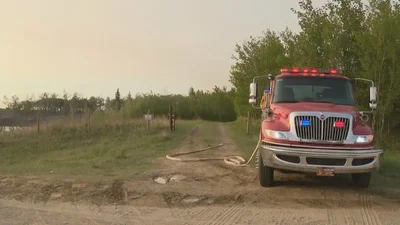 research →
A record-mild winter followed by an unprecedented spring heat wave has obliterated the Western US snowpack, setting the stage for a perilous summer. Experts warn that this rapid snowmelt and ongoing drought could fuel widespread wildfires and severe water shortages across the region. New government maps show wildfire risk zones expanding far beyond typical areas, creeping into the Rockies and Pacific Northwest. As communities brace for impact, the coming months will test fire preparedness and water management like never before.
-
Manitoba Roads Close Amid Storm, Schools Open
 research →
Southern Manitoba faces major travel disruptions as key highways including Highway 5 and Highway 10 shut down due to severe weather. Despite the closures, no schools have been canceled, allowing students to keep their routines. Authorities urge drivers to check Manitoba 511 for updates and stay safe. With the storm still active, residents should prepare for ongoing challenges on the roads.
-
Taal Volcano Sparks Minor Eruption
 research →
The iconic Taal Volcano in the Philippines has just experienced a minor eruption, sending ash plumes into the sky but causing no immediate injuries. This sudden activity has heightened alert levels, reminding residents and tourists alike of the volcano's unpredictable nature. Authorities are closely monitoring the situation to ensure safety and prepare for any escalation. Stay tuned as scientists track what could be the start of more significant volcanic activity.