Escalating Middle East tensions marked by Houthi actions and US military buildup amid global concerns over drug resistance and AI security; meanwhile, technological advances and geopolitical challenges dominate international discourse alongside environmental and social issues.
AI & Technology
-
Indonesia Social Media Ban for Kids Indonesia has become the first Southeast Asian country to implement a government regulation banning children under 16 from accessing major social media platforms such as YouTube, TikTok, Facebook, Instagram, Threads, X, Bigo Live, and Roblox. The law aims to protect minors from exposure to pornography, cyberbullying, online scams, and addiction. This move follows similar efforts globally, including Australia's earlier ban for children, and comes amid growing international concern about the impact of social media on youth. Indonesia's action highlights a regional and global trend toward stricter regulation of digital platforms to safeguard children’s mental health and online safety. research →

-
AI Investment and Safety Focus In early 2026, major technology companies have dramatically increased their investments in artificial intelligence, committing billions to AI infrastructure and integrating AI into core software development workflows. This surge in AI adoption comes alongside heightened concerns about AI safety, with researchers highlighting the critical but often undisclosed risks posed by unsafe AI systems. Political dynamics are also intensifying, as a pro-AI group backed by allies of former President Trump plans a $100 million campaign to influence U.S. tech policy toward deregulation. Meanwhile, companies like Meta are restructuring their workforce to prioritize AI, signaling a strategic bet on the technology’s future despite broader economic and ethical challenges. These developments underscore the dual imperative of accelerating AI innovation while ensuring responsible and safe deployment. research →

-
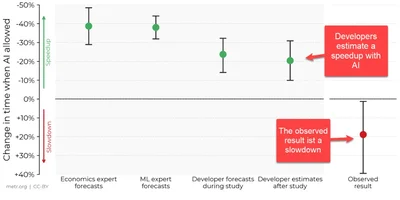
AI Intelligence Milestone Predictions Recent developments in AI have sparked intense debate about the true capabilities and limitations of artificial intelligence. While some experts and developers predict that AI will soon surpass all human experts by acing the Humanity's Last Exam (HLE), a rigorous test covering 2,500 PhD-level questions, new results from ARC-AGI-3 reveal that current AI models still fail dramatically, scoring below 1%, whereas every human participant scored perfectly. This stark contrast highlights that despite AI's rapid progress in specialized tasks like passing bar exams or coding, it still cannot replicate the nuanced judgment and critical thinking of humans. Additionally, studies show AI systems tend to act as 'yes-men' in interpersonal advice, further underscoring their limitations in complex human contexts. These findings reignite fundamental questions about the timeline and nature of achieving artificial general intelligence (AGI), which some envision as the 'last invention' humanity will need to make. research →

-
OpenAI Product Shutdown OpenAI has recently discontinued several of its AI products, most notably shutting down Sora, an AI-generated video app that lasted only six months since its September launch. This move follows the company's decision not to proceed with the previously announced erotica mode for ChatGPT. The shutdowns come amid broader industry challenges, including concerns about AI models being exploited for cyberattacks and market disruptions caused by OpenAI's large but unfulfilled hardware purchase commitments. The rapid rise and fall of these products highlight the volatility in AI innovation and the complexities of balancing ambitious development with market realities. These developments are significant as they reflect OpenAI’s strategic recalibration in a competitive and rapidly evolving AI landscape. research →

-
Social Media Addiction Court Cases In a landmark legal development, YouTube and Meta were found negligent in court over social media addiction, particularly concerning its impact on children and teenagers. These verdicts mark a significant challenge to the longstanding legal protections social media companies have enjoyed under Section 230 of the Communications Decency Act. The rulings highlight growing concerns about addictive algorithms and their links to mental health issues such as anxiety, depression, and sleep deprivation among youth, as evidenced by recent surveys. While parents and activists largely welcome these decisions as a step toward holding platforms accountable, experts caution about potential unintended consequences, including threats to free speech and the uncertain future of AI research. The outcomes of ongoing appeals and related cases will be critical in shaping the social media industry's regulatory landscape. research →

-
Smart Eyewear Ban in Philly Courts The Philadelphia First Judicial District has announced a ban on all smart or AI-integrated eyewear with video and audio recording capabilities in its courthouses and offices, effective from the upcoming Monday. This ban applies even to prescription smart glasses, aiming to prevent unauthorized recording during court proceedings. While devices like cell phones and laptops are still allowed, they must be powered off and stored away. The move reflects growing concerns over privacy and surveillance, especially as smart eyewear technologies, such as Meta’s Ray-Ban models, become more widespread and have been linked to covert recording incidents. This policy highlights the judiciary's effort to balance technological advances with protecting individuals' privacy rights in sensitive legal environments. research →

-
AI Impact on Jobs Recent announcements from major tech companies like Google, Amazon, and Meta reveal significant workforce reductions attributed to advances in artificial intelligence, signaling a shift toward automation and efficiency. The first American AI Jobs Risk Index, developed by Tufts University, quantifies the vulnerability of various occupations to AI-driven job displacement, highlighting widespread concern among workers. Real-world examples, such as McDonald's experimental use of service robots in Shanghai, demonstrate how AI is beginning to replace human roles in service industries. This evolving landscape has sparked intense debate about the balance between job destruction and creation, with many employees increasingly anxious about their future employment prospects. These developments underscore the urgent need for policymakers and businesses to address the socioeconomic impacts of AI integration in the workforce. research →

-
Azure Copilot Migration Agent Microsoft has launched the Azure Copilot Migration Agent, an AI-powered assistant integrated into the Azure portal designed to streamline and accelerate the cloud migration planning process. This tool builds upon existing Azure Migrate data and is accessible directly from the Azure Migrate dashboard, addressing common challenges such as fragmented tooling and manual assessment efforts. By simplifying the planning and assessment phases, the agent aims to reduce the technical and logistical barriers that often cause enterprise cloud migration projects to stall. This innovation is significant as it enhances efficiency and reduces the complexity of migrating large on-premises estates to the cloud, a critical step for many organizations embracing digital transformation. research →















World Politics
-
South Korea Jet Fuel Export Shift Amid escalating conflict in the Middle East, particularly the war in Iran and disruptions in the Strait of Hormuz, South Korean airlines have requested their government to redirect jet fuel exports back to the domestic market. This move comes as South Korea faces volatile oil prices and supply chain disruptions due to the conflict, which threatens nearly half of Australia's jet fuel imports that rely on South Korean and Chinese exports. The situation highlights the vulnerability of energy-dependent economies in Asia to geopolitical tensions and the ripple effects on global fuel supply chains. South Korea's decision underscores the growing prioritization of domestic energy security in the face of prolonged regional instability. This development is significant as it impacts not only South Korea's economy but also regional partners like Australia, emphasizing the interconnectedness of energy markets. research →

-
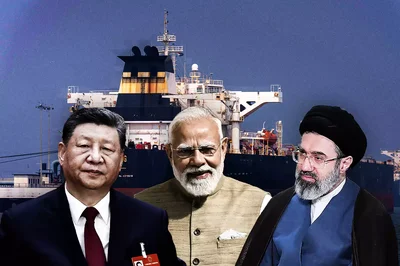
Middle East War and Diplomacy The ongoing conflict between the US-Israeli coalition and Iran has escalated into a broader regional war with significant geopolitical and economic consequences. Iran has issued fierce warnings against any US ground invasion, while the US and Israel continue military strikes, intensifying tensions around the strategic Strait of Hormuz, a vital maritime chokepoint for global oil trade. The war has disrupted crude oil exports, pushing energy prices to record highs and prompting G7 ministers to convene and address the financial fallout. Despite severe economic and military strain on Iran, the regime remains resilient, and diplomatic efforts to end the conflict have stalled amid complex regional dynamics, including the unresolved Palestinian issue. This conflict threatens global energy security and regional stability, underscoring the fragile balance of power in the Gulf and the wider Middle East. research →

-
Africa 2027 Elections and Governance Challenges As Africa approaches the 2027 election cycle, several countries face significant political and economic challenges that threaten democratic stability and development. In Nigeria, rising political violence and internal party betrayals raise concerns about the integrity of the upcoming presidential election, with key figures like Peter Obi alleging government interference to block candidacies. Madagascar is witnessing youth-led protests against poor governance and corruption, highlighting broader frustrations with political leadership. Meanwhile, Africa's strategic position in global supply chains presents both an opportunity and a risk, as entrenched corruption and elite capture threaten to undermine economic gains. These issues underscore the urgent need for collective political will and governance reforms to safeguard democracy and harness economic potential across the continent. research →

-
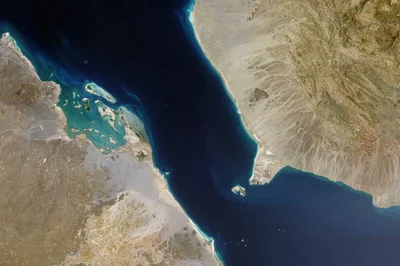
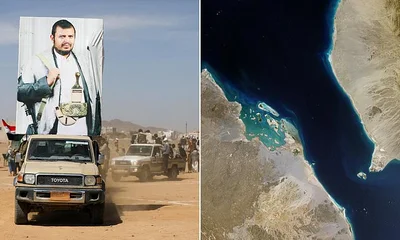
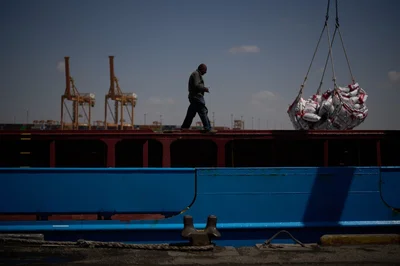
Maritime Chokepoints Disruption The ongoing U.S.-Israel war against Iran has escalated tensions around critical maritime chokepoints vital to global trade and energy supplies. The Strait of Hormuz, a narrow passage through which about one-fifth of the world’s oil flows, has been effectively closed due to the conflict, severely straining global oil markets. Meanwhile, the Bab al-Mandeb Strait, linking the Indian Ocean and the Red Sea and serving as the only direct sea route between Asia and Europe via the Suez Canal, faces disruption risks as the Iran war intensifies. The Yemeni Houthi rebel group, backed by Iran, has entered the conflict by attacking Israel and threatening to block the Bab al-Mandeb Strait, further jeopardizing global fuel routes and economic stability. These developments highlight the vulnerability of global trade to geopolitical conflicts centered on narrow maritime passages. research →

-
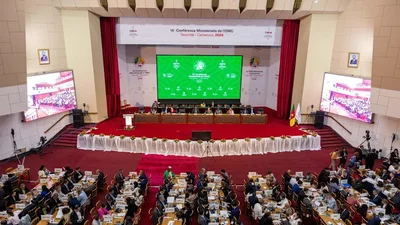
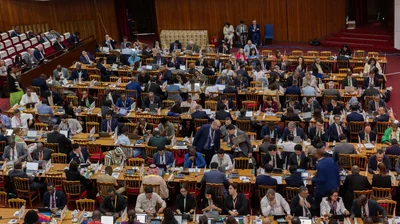
WTO Digital Trade Agreement Deadlock World Trade Organization talks in Cameroon ended in deadlock as Brazil blocked a U.S.-led proposal to extend the moratorium on customs duties for electronic transmissions, such as digital downloads. The proposed extension aimed to renew the ban on e-commerce tariffs until 2031, a move supported by 66 WTO members representing about 70% of global trade. Brazil, supported by Turkey, argued for a more cautious approach, citing uncertainties about the future of e-commerce and its impact on national policies. This impasse complicates broader WTO reform efforts and highlights ongoing divisions among major economies on digital trade rules. The deadlock underscores challenges in achieving consensus on regulating the rapidly evolving digital economy within the multilateral trade framework. research →
-
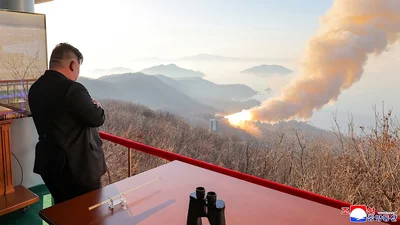
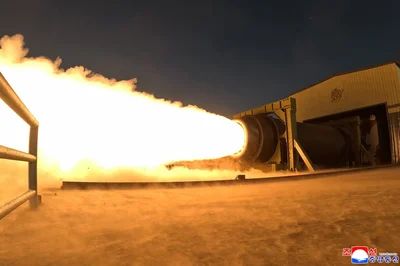
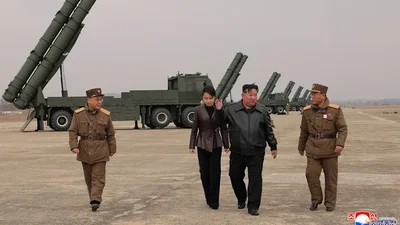
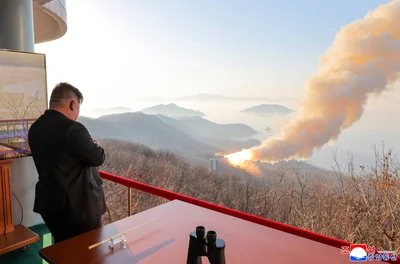
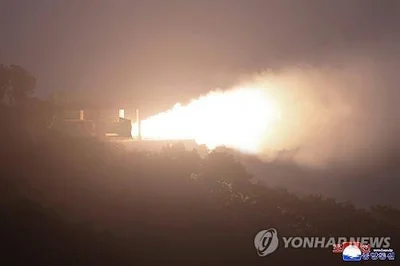
North Korea Missile Test North Korea, under the leadership of Kim Jong Un, conducted a test of a new high-thrust solid-fuel rocket engine designed to enhance its strategic missile capabilities, including the potential to strike the U.S. mainland. This test is part of Pyongyang's broader five-year defense plan aimed at upgrading its military arsenal with more agile and harder-to-detect weapons. Solid-fuel missiles offer tactical advantages such as easier mobility and quicker launch readiness compared to liquid-fuel counterparts. While North Korea claims significant progress, some experts remain cautious about the full extent of the capabilities demonstrated. The development heightens regional security concerns amid ongoing geopolitical tensions in East Asia. research →

-
Denmark Political Challenges Denmark's Prime Minister Mette Frederiksen faces significant political challenges following a recent electoral defeat for both her party and the governing coalition. Despite her strong leadership and international stance, including opposition to former US President Donald Trump, Frederiksen's political position has weakened. The election results have left the Danish political landscape fragmented, with the possibility of Frederiksen returning to power through a new coalition. This situation underscores the volatile nature of voter sentiment and the complexities of coalition politics in Denmark. The outcome is critical as it will shape Denmark's domestic and international policies moving forward. research →

-
US Democracy Decline The American democracy, historically one of the most enduring worldwide, is currently facing significant challenges that threaten its foundational principles. Beyond the popular vote, essential democratic elements such as civil liberties, equality before the law, and checks and balances are reportedly weakening. This decline is underscored by contentious political debates, including the Democratic Party's strategic considerations about candidate demographics for the 2028 presidential election and the Supreme Court's review of President Trump's executive order on birthright citizenship, which could impact millions of Americans. Public unrest is also evident, with millions rallying against Trump, reflecting deep societal divisions. These developments highlight a fragile democratic system at a critical juncture, raising concerns about the future stability and inclusiveness of US governance. research →






















Business & Economy
-
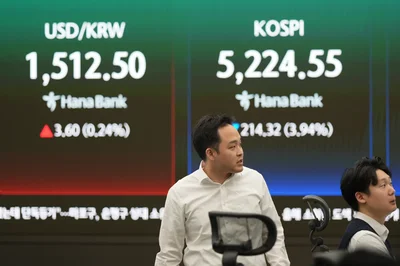
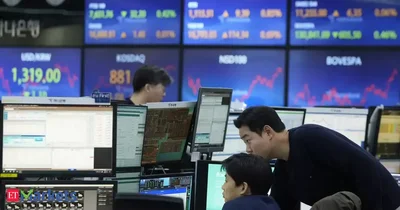
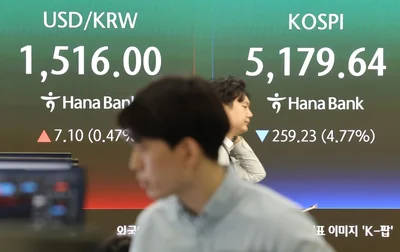
Asian Stock Market Volatility Asian stock markets experienced significant volatility and sharp declines amid escalating geopolitical tensions in the Middle East, particularly the ongoing conflict involving Iran and its allies. Key indices such as India's Sensex and South Korea's KOSPI opened sharply lower, with the KOSPI dropping nearly 5% due to fears of a broader regional conflict after Iran-backed Houthi militants launched missile attacks on Israel. The conflict has driven oil prices to record monthly highs, intensifying concerns about inflation and the risk of a global recession. Investors remain cautious as the U.S. military increases its presence in the region and diplomatic efforts, including talks hosted by Pakistan, aim to de-escalate the situation. This market turbulence underscores the interconnectedness of geopolitical events and global financial stability. research →

-
Middle East Conflict Economic Impact The ongoing conflict in the Middle East, particularly involving Iran and the Persian Gulf region, has triggered significant global economic repercussions. Oil prices have surged dramatically, with Brent crude surpassing $115 a barrel and US crude exceeding $100, leading to inflationary pressures worldwide. Stock markets, especially in Asia, have plunged amid fears of a prolonged conflict and potential global recession. Governments worldwide are responding with increased demand for sovereign bonds and implementing fuel rationing and subsidies to shield vulnerable populations. The situation remains volatile, with diplomatic efforts underway but military tensions escalating, underscoring the conflict's far-reaching impact beyond geopolitics into everyday economic realities. research →

-
US Debt Deal Pushback Banks led by JPMorgan Chase & Co. are encountering resistance from investors regarding the terms of a $7.2 billion debt deal intended to finance Clayton, Dubilier & Rice’s acquisition of Sealed Air Corp., the maker of Bubble Wrap. This pushback highlights investor caution amid large leveraged buyouts and the complexities of structuring debt in current market conditions. The deal, part of JPMorgan’s broader strategic efforts to fund major acquisitions, underscores the challenges financial institutions face in securing favorable financing terms. The outcome of this negotiation could influence future leveraged buyouts and debt market dynamics. research →
-
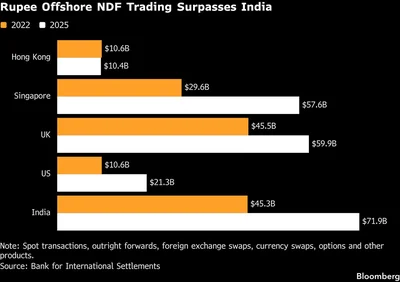
Indian Rupee Intervention The Indian rupee recently experienced significant volatility against the US dollar, hitting record lows amid broader dollar strength and global market uncertainty. In response, the Reserve Bank of India (RBI) implemented stringent new rules capping banks' net open positions in the onshore currency market to $100 million, effective April 10, aiming to curb speculative bets against the rupee. This move triggered a sharp rebound in the rupee as lenders rushed to sell dollars and reduce their exposure, marking the currency's biggest gain since February. However, the intervention is expected to impose financial strain on banks holding large foreign exchange positions, who have petitioned the RBI for relaxation or extensions. The RBI's decisive action reflects growing concerns over the rising costs of defending the rupee and the need to stabilize the currency amid ongoing geopolitical tensions and market volatility. research →

-
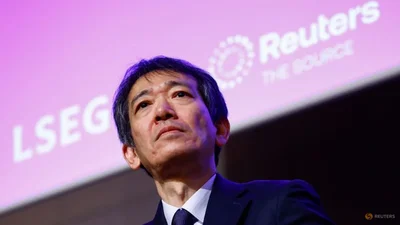
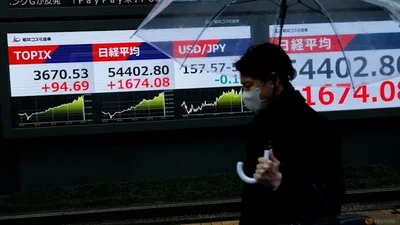
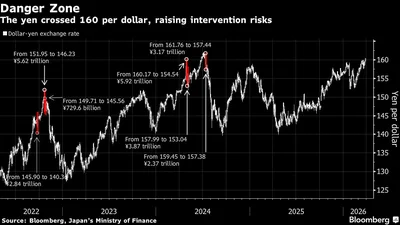
Bank of Japan Yen Intervention Amid escalating concerns over the yen's sharp depreciation past the ¥160 threshold against the US dollar, Japan's top currency officials and the Bank of Japan (BOJ) have issued strong warnings about potential intervention in the foreign exchange market. The BOJ's policy board has adopted a hawkish stance, signaling the possibility of near-term interest rate hikes to counter inflationary pressures exacerbated by the Middle East conflict and rising crude oil prices. Governor Kazuo Ueda emphasized that while monetary policy is not directly aimed at controlling currency moves, the BOJ will closely monitor the yen's impact on the economy and prices, indicating readiness to adjust policy accordingly. The yen's weakness has also triggered a significant drop in Japan's stock market, underscoring the broader economic risks. These developments highlight Japan's increasing vigilance in stabilizing its currency amid global geopolitical tensions and market speculation. research →
-
Central Banks Respond to Inflation Amid rising inflationary pressures fueled by the ongoing Middle East conflict and surging oil prices, central banks around the world are signaling potential interest rate hikes to stabilize their economies. Japan has issued strong warnings about intervening in currency markets to support the yen and hinted at near-term rate increases. The European Central Bank is prepared to act to anchor inflation expectations, though it remains cautious about timing rate hikes. Similarly, markets have shifted expectations for the U.S. Federal Reserve, now pricing in possible rate increases this year after previously anticipating cuts. Turkey is also preparing for higher loan rates as it braces for the financial impact of geopolitical tensions and elevated energy costs. research →
-
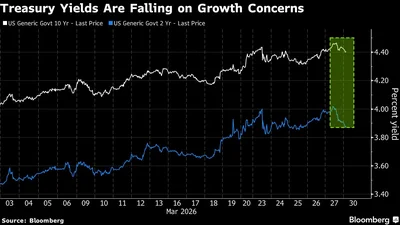
Rising Government Bond Yields Global government bond yields have surged amid escalating geopolitical tensions following the US-Israel-Iran conflict, driving inflation fears and economic uncertainty. Japan is signaling potential interest rate hikes to counter inflationary pressures from a weakening yen and rising import costs, while other countries like India and Türkiye face rising bond yields and prepare for monetary tightening. The unusual simultaneous decline in both equities and bonds is unsettling investors, as traditional safe-haven dynamics appear disrupted. These developments highlight the complex challenges central banks face in balancing inflation control and economic growth amid geopolitical risks. research →
-
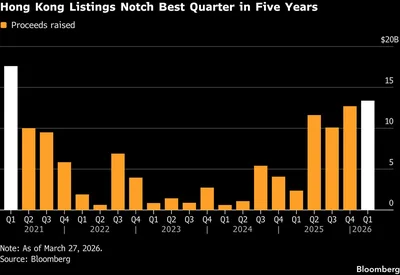
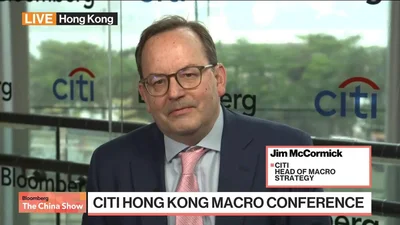
Hong Kong IPO Market Challenges Hong Kong's IPO market, which experienced a strong surge in share sales over the past year, is now facing significant headwinds that could slow down deal momentum. This slowdown raises the stakes for several large upcoming IPO transactions, as market conditions become more challenging. The shift in market dynamics is notable given the previous robust activity, reflecting broader uncertainties in the global financial environment. These challenges in Hong Kong contrast with strong IPO performances in other regions, such as India's financial services sector, which saw record fundraising despite a weak market. The developments in Hong Kong's IPO space are critical for investors and companies planning major listings in the region. research →

















Crypto & Fintech
-
Stablecoin Payments and Yield Debate Stablecoins are rapidly gaining traction in Southeast Asia as seamless payment solutions, exemplified by Singapore-based StraitsX's explosive growth in card transaction volume and issuance. However, the stablecoin industry faces significant regulatory challenges in the U.S., where the proposed Clarity Act aims to ban yield generation on stablecoin balances, effectively limiting stablecoins to payment functions and threatening revenue models of major players like Circle Internet Group. This regulatory uncertainty has contributed to a sharp decline in Circle's stock price, reflecting investor concerns about the sustainability of stablecoin yield products. The debate highlights a critical juncture for stablecoins as they transition from innovative savings tools to regulated payment rails, with implications for DeFi tokens and the broader crypto market structure. The outcome will shape the future role of stablecoins in both retail payments and institutional finance. research →

-
Circle Stock Decline Circle Internet Group's stock has fallen approximately 26% over the past week, dropping from around $126 to $93.6. This decline is driven largely by regulatory uncertainty, particularly a potential Senate ban on passive stablecoin yield, which threatens Circle's primary revenue source. Analysts suggest the stock's fall reflects deeper concerns about the sustainability of Circle's business model rather than just a market overreaction. The broader market environment, marked by recent equity declines and regulatory scrutiny of stablecoins and DeFi yield products, adds to the pressure on Circle's valuation. research →
-
Aave Expansion on OKX's X Layer Aave, the largest decentralized finance (DeFi) lending protocol with $23.5 billion in total value locked, has expanded its ecosystem by launching on X Layer, an Ethereum layer-2 blockchain developed by crypto trading platform OKX. This integration enables users of OKX Wallet and X Layer to lend, borrow, and earn yield natively without bridging to other chains, enhancing user experience and DeFi accessibility. The move represents a major milestone for X Layer, which previously had only $25 million in total value locked, signaling growing adoption and ecosystem maturity. This expansion also comes amid ongoing debates within Aave’s community about governance and the protocol’s future direction, highlighting the dynamic nature of DeFi development. Overall, Aave’s launch on X Layer is a significant step toward broader DeFi scalability and user engagement on Ethereum’s layer-2 solutions. research →

-
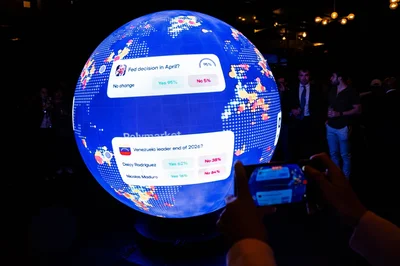
Prediction Market Transaction Surge Prediction markets have experienced a dramatic surge in transactions in March 2026, with volumes increasing by over 2,800% compared to the previous year. This spike coincides with heightened geopolitical tensions and significant political events, particularly well-timed trades anticipating U.S. President Donald Trump's announcements on Iran and other policy decisions. These trades, involving billions of dollars, have raised concerns about potential insider information leaks and market manipulation, prompting calls for investigations by legal experts. The growth of prediction markets is also fueled by improved accessibility, positive regulatory developments, and increased mainstream media coverage, though ethical questions about betting on violent conflicts persist. The situation highlights the challenges of ensuring market integrity in rapidly evolving financial and political landscapes. research →
-
Trump Policy Trades Scrutiny Multiple reports have emerged of suspiciously well-timed trades occurring just before major policy announcements by U.S. President Donald Trump during his second term, raising concerns about possible insider information leaks. Investigations by Reuters and other outlets identified several instances where investors placed lucrative bets on commodities, options, and futures shortly before Trump’s announcements on Iran, Venezuela, and tariffs. The timing of these trades, including a notable half-billion-dollar wager on oil prices minutes before a Trump statement on Iran, has prompted calls from legal experts and market analysts for formal inquiries to ensure market integrity. The controversy highlights potential vulnerabilities in financial markets to political information leaks, which could undermine investor confidence and fairness. This issue matters as it touches on the intersection of politics, market regulation, and the ethical conduct of trading in sensitive environments. research →
-
AI Exploits DeFi Vulnerabilities Recent advancements in autonomous AI agents, including frontier models like GPT-5 and Claude Opus 4.5, have enabled these systems to independently discover and exploit vulnerabilities in decentralized finance (DeFi) smart contracts at scale. Controlled experiments revealed that AI agents successfully exploited 55-65% of known bugs without human intervention, making attacks economically viable at a threshold of around $6,000 for attackers versus $60,000 for defenders. This development highlights a critical shift in the security landscape of DeFi protocols, emphasizing the urgent need for robust defense mechanisms tailored to counter AI-driven threats. The research also outlines four autonomous attack patterns and proposes six defensive strategies to enhance protocol resilience against AI exploitation. As DeFi continues to grow, understanding and mitigating AI-enabled attacks is essential to protect user funds and maintain trust in decentralized financial systems. research →
-
Microfinance Sector Growth The microfinance sector in India has shown positive momentum with a 2.5% month-on-month growth in its gross loan portfolio as of February 2026, reaching Rs 3.29 lakh crore. This growth is driven by large lenders increasing loan disbursements to customers with strong credit histories, reflecting improved portfolio quality and a declining bad loan ratio. The sector's recovery is significant given the broader financial market challenges, highlighting microfinance as a resilient and expanding segment within financial services. This trend underscores the growing role of microfinance in supporting financial inclusion and credit access for underserved populations. The data, provided by credit bureau Equifax India, signals a robust comeback for microfinance lending after a period of stagnation. research →

-
Ethereum Layer-2 Ecosystem Developments Ethereum's Layer-2 ecosystem continues to evolve rapidly with significant developments in 2026. Base, launched by Coinbase in 2023, has emerged as the second-largest Ethereum Layer-2 network by transaction count, boasting over $11 billion in TVL and monthly DEX volumes exceeding $20 billion. To address fragmentation among Layer-2 networks, developers from Gnosis, Zisk, and the Ethereum Foundation have proposed the Ethereum Economic Zone (EEZ), a framework enabling seamless cross-rollup interactions without bridges, aiming to unify liquidity and user activity. Meanwhile, Ethereum’s core protocol upgrades, including upcoming hard forks Glamsterdam and Hegota, focus on enhancing scalability, reducing fees, and improving staking. These advancements are critical as Layer-2 solutions handle the majority of Ethereum’s daily transactions, shaping the future usability and efficiency of the Ethereum network. research →














War & Conflicts
-
US Military Expansion in Middle East The United States has significantly increased its military presence in the Middle East amid escalating tensions with Iran, deploying over 3,500 troops including Marines aboard the USS Tripoli. This buildup, part of a broader strategy designed by the Trump administration, aims to provide Washington with more options as conflict dynamics evolve, with potential plans to seize strategic locations such as Iran's Kharg Island. Despite public talk of negotiations, Iran has rejected any surrender, warning of continued resistance and accusing the US of preparing for further military escalation. The deployment has also coincided with missile attacks by Yemen’s Houthis on Israel, raising fears of a wider regional conflict. Additionally, the Pentagon faces scrutiny over its costly 'Golden Dome' missile defense project, highlighting the broader context of US defense spending and strategic priorities. research →

-
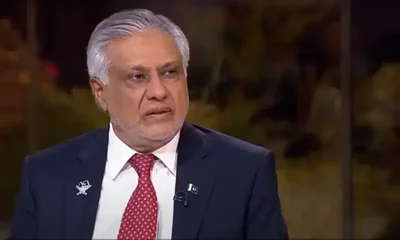
Iran-US-Israel War Mediation Amid escalating conflict involving Iran, the United States, and Israel, Pakistan has emerged as a key diplomatic mediator seeking to de-escalate tensions. A high-level quadrilateral meeting in Islamabad, involving Pakistan, Saudi Arabia, Turkiye, and Egypt, focused on consolidating regional support for peace and preparing the ground for direct US-Iran talks. Pakistan's Deputy Prime Minister and Foreign Minister Ishaq Dar announced that Islamabad could soon host negotiations aimed at ending hostilities. This development comes as Iran issues stern warnings against US military actions and the US signals progress in negotiations. The mediation efforts are critical as the ongoing war threatens regional stability and global security. research →
-
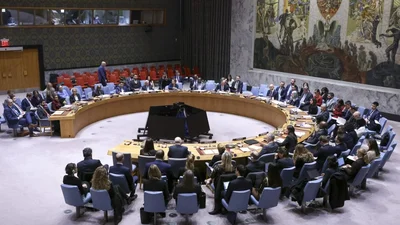
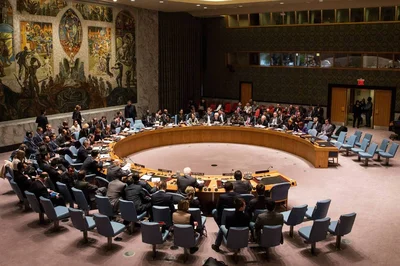
UN Security Council Inaction The United Nations Security Council has faced widespread criticism for its persistent inaction amid escalating global conflicts, including those in Afghanistan, Iran, Iraq, Libya, Syria, Ukraine, Gaza, and Venezuela. Analysts highlight how the use of veto power by permanent members has paralyzed decisive action, undermining the UN Charter and enabling ongoing violations of international law. This paralysis has contributed to a dangerous erosion of the norms that separate lawful from unlawful conduct, resulting in widespread death and destruction. The failure to act effectively threatens global stability and underscores the urgent need for reform in international governance mechanisms. Meanwhile, diplomatic efforts, such as Pakistan hosting talks between the US, Iran, and Israel, continue amid these challenges, reflecting the complex geopolitical environment shaped by Security Council deadlock. research →

-
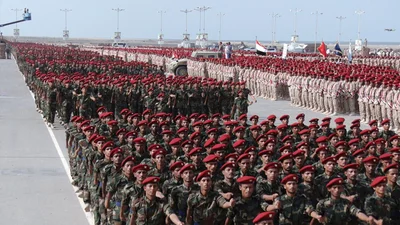
Houthis escalate Strait of Hormuz conflict The Iranian-backed Houthi rebel group from Yemen has entered the ongoing Middle East war by launching missile attacks on Israel, marking a significant escalation in the conflict now entering its fifth week. Their involvement threatens to further disrupt global oil supplies by potentially blocking vital shipping routes, including the Strait of Hormuz, which is already under an effective blockade by Iran. The Houthis have also threatened to close a second key fuel shipping route through the Red Sea, raising fears of a broader chokehold on global trade. This escalation comes amid increased U.S. military deployments to the region, including over 3,500 troops and advanced naval assets, as tensions rise over a possible ground invasion of Iran. The Houthis' actions amplify the risk of a wider regional conflict with severe implications for global energy markets and international security. research →
-
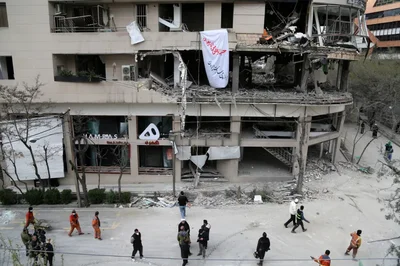
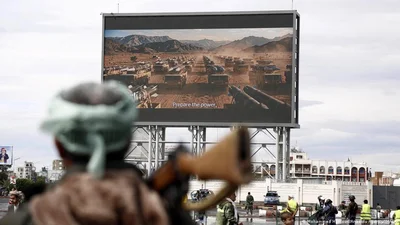
Iran AI Video and Military Escalation Amid escalating conflict in the Middle East involving the US, Israel, and Iran, Iranian state media released an AI-generated video depicting simulated missile strikes and Iranian troops advancing toward Jerusalem's Al-Aqsa Mosque, signaling Tehran's military readiness and psychological warfare efforts. Concurrently, missile and drone attacks targeted Israeli industrial and military sites, including a radar center and airport facilities, while US-Israeli forces struck Iranian infrastructure such as a port city and university buildings. The conflict has intensified with casualties reported and significant damage to media offices in Tehran, highlighting the widening scope of hostilities beyond Iran's borders. This multimedia approach to warfare underscores the increasing role of AI in propaganda amid a complex, multifront war that is reshaping regional dynamics and raising global security concerns. research →

-
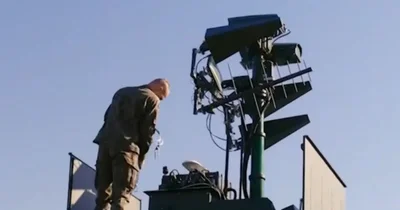
Drone Warfare Impact Drone technology has fundamentally transformed modern warfare, particularly evident in the ongoing conflict between Ukraine and Russia. Drones now account for an estimated 80% of combat casualties on both sides, highlighting their lethal effectiveness and the rapid evolution of drone capabilities. Ukraine has leveraged this technology not only on the battlefield but also diplomatically, offering cutting-edge drone defense systems to Gulf allies such as Saudi Arabia, the UAE, Qatar, and Jordan to counter regional threats like those from Iran. The U.S. military is closely observing these developments, recognizing the urgent need to adapt to unmanned systems to maintain military supremacy. This shift underscores a broader global drone arms race with significant geopolitical and military implications. research →
-
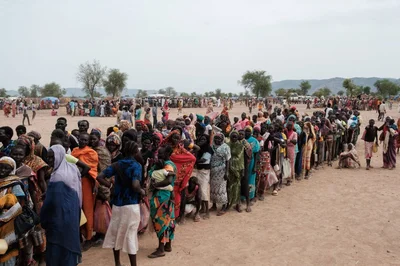
Sudan RSF Attack on South Kordofan On March 28, 2026, the Rapid Support Forces (RSF), a Sudanese paramilitary group, launched an artillery attack on residential areas in the city of Dilling, South Kordofan state. The assault resulted in the deaths of at least 14 civilians, including five children and two women, and injured 23 others, among them seven children. The attack exacerbates the already dire humanitarian and health conditions in the region, which suffers from a shortage of medical personnel. This incident highlights the ongoing instability and violence in Sudan, further complicating efforts to achieve peace and protect civilians in conflict zones. research →

-
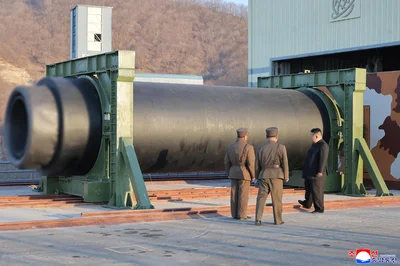
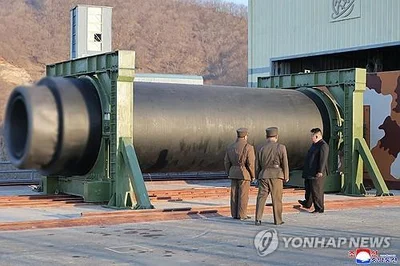
North Korea Missile Engine Test North Korean leader Kim Jong Un recently oversaw a ground test of a newly upgraded high-thrust solid-fuel rocket engine, marking a significant advancement in the country's missile technology. The engine, made with composite carbon fiber materials, delivers a maximum thrust of 2,500 kilonewtons and is part of North Korea's new five-year national defense development plan aimed at modernizing its strategic strike capabilities. Solid-fuel engines enable faster missile launches with minimal preparation, enhancing the agility and concealment of North Korea’s missile arsenal, potentially including intercontinental ballistic missiles capable of reaching the U.S. mainland. This development underscores Pyongyang's ongoing efforts to strengthen its strategic military deterrent amid regional and global security concerns. Experts note the test's importance but also caution that some claims about the missile's capabilities may be exaggerated. research →

















Disasters & Emergencies
-
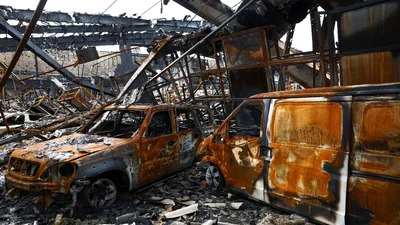
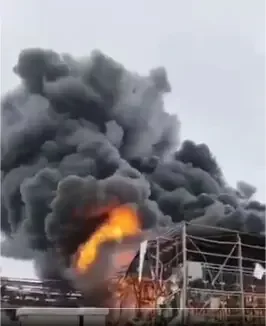
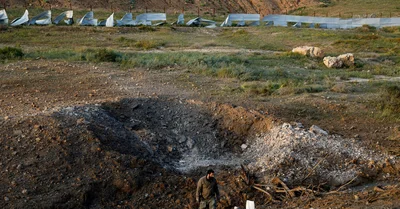
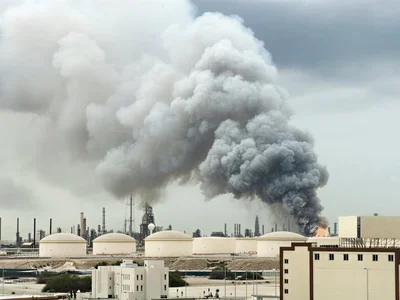
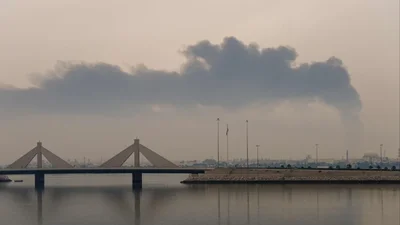
Iran Petrochemical Facility Strike A petrochemical production unit in Tabriz, northwestern Iran, was struck in a US-Israeli attack amid escalating regional tensions. Iranian state media confirmed the strike but reported no hazardous material leaks, with the situation reportedly under control. This attack is part of a broader conflict involving missile and drone strikes on industrial and energy infrastructure in Iran and retaliatory strikes by Iran on sites in Israel and Gulf countries. The strikes have caused power outages in parts of Iran and fires in industrial zones in Israel, highlighting the intensifying proxy conflict. These developments come as Pakistan prepares to host talks aimed at ending the month-long Iran war, with US and Iranian officials indicating some willingness to engage diplomatically. research →
-
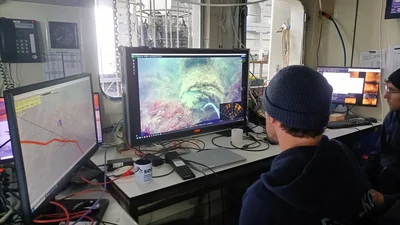
WWII Munitions Baltic Sea Beneath the waters off Germany's northern Baltic Sea coast, vast quantities of World War II munitions lie rusting on the sea floor, posing a growing environmental hazard. Scientists warn that the corrosion of metal casings by saltwater is releasing toxic substances such as TNT into the marine ecosystem, threatening local biodiversity and water quality. To address this, a research vessel recently departed from Kiel, a port city situated in one of the most heavily contaminated bays, to map and assess the extent of unexploded ordnance pollution. This issue highlights the long-lasting environmental legacy of wartime activities and underscores the need for coordinated efforts to mitigate risks to both marine life and human health. The findings could influence future policies on underwater munitions clearance and environmental protection in the Baltic region. research →
-
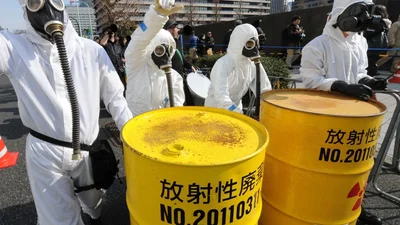
Japan Nuclear Waste Disposal Japan is exploring the use of the remote Pacific island Minamitorishima as a potential final disposal site for its growing stockpiles of high-level radioactive nuclear waste. This proposal has raised alarm both domestically and internationally due to environmental and safety concerns. The government has formally requested permission from the local administration of Ogasawara village, which oversees the island, to conduct surveys assessing its suitability. The search for a permanent disposal solution reflects the ongoing challenge Japan faces in managing nuclear waste accumulated since its first reactor began operation in 1966. The decision will have significant implications for Japan’s nuclear policy and environmental safety standards. research →
-
Mount Banahaw Fire A fire of undetermined origin broke out atop Mount Banahaw in Quezon province late Sunday afternoon, prompting an immediate response from forest rangers and firefighters. The Department of Environment and Natural Resources (DENR) only learned about the incident through social media, highlighting challenges in early detection and communication. A team was dispatched early Monday morning to investigate and contain the fire, which threatens the ecological and cultural significance of the mountain. The incident underscores the vulnerability of protected natural areas to fire hazards and the importance of rapid response and preventive measures. research →

-
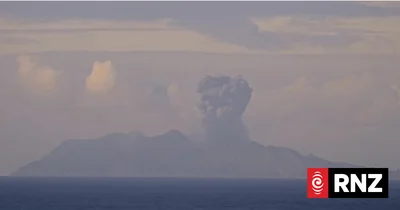
Whakaari Volcanic Alert Level Drop The volcanic alert level for Whakaari (White Island) has been lowered to level 2 following a small eruption last week that produced an ash plume reaching 1300 meters. Since then, no further ash emissions have been detected, prompting authorities to reduce the alert level, although the Aviation Colour Code remains at Orange due to the potential for sudden explosive activity. This development comes amid ongoing monitoring by Earth Sciences New Zealand, which plans observation flights as weather permits. The lowered alert level is significant for local safety and aviation, but the continued risk means vigilance remains necessary. The situation contrasts with ongoing volcanic activity elsewhere, such as the Mayon Volcano in the Philippines, which continues its effusive eruption. research →
-
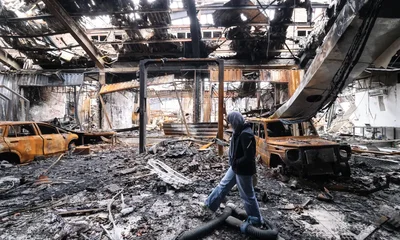
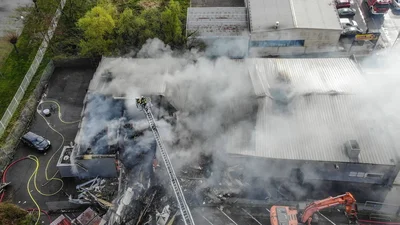
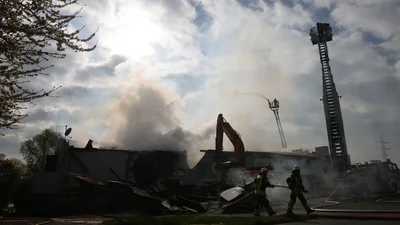
Dance Club Fire Germany A fire broke out in the early hours of March 29, 2026, at the K Club, a popular nightclub in Kehl, southwestern Germany, near the French border. Approximately 750 people were inside at the time and were successfully evacuated without any injuries, though three individuals were treated on-site for shock. The fire rapidly spread across the entire building, with emergency services deploying at least 80 personnel to contain the blaze. The cause of the fire remains under investigation. This incident highlights the effectiveness of emergency response and evacuation procedures in preventing casualties during large-scale public emergencies. research →

-
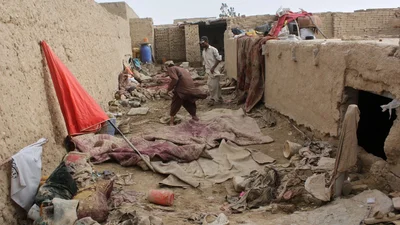
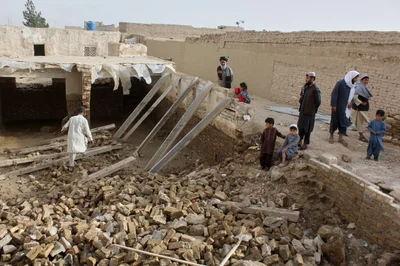
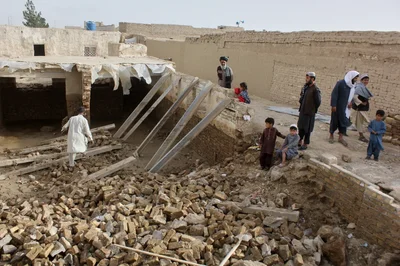
Extreme Weather in Afghanistan Severe flooding, landslides, and thunderstorms have struck Afghanistan, resulting in at least 17 deaths and 26 injuries within a 24-hour period. The affected areas span 13 of the country's 34 provinces, primarily in the western, central, and northwestern regions. Authorities from the National Disaster Management Authority warn that casualties may rise as rescue and assessment operations continue. This extreme weather event is part of a broader pattern of increasing climate-related disasters in Afghanistan, a country highly vulnerable due to its poverty and geographic challenges. The ongoing heavy rainfall is expected to persist, exacerbating the humanitarian situation and complicating relief efforts. research →
-
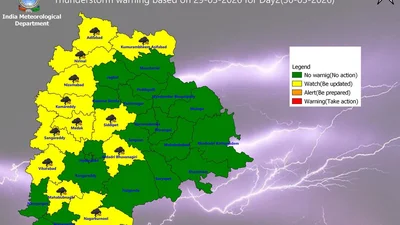
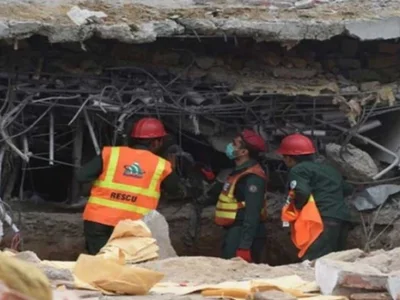
Heavy Rain and Storms in India Heavy rains and storms have caused significant destruction and fatalities in parts of northern India and Pakistan. In Khyber-Pakhtunkhwa's Bannu district, building collapses due to heavy downpour killed nine people, including three children, and injured several others. The India Meteorological Department has issued warnings for thunderstorms, hailstorms, and strong winds across multiple states including Telangana and northwest India, driven by a western disturbance. Meanwhile, Andhra Pradesh continues to experience extreme heat with temperatures exceeding 40°C in many areas, highlighting the contrasting weather patterns affecting the region. These events underscore the urgent need for disaster preparedness and infrastructure resilience amid increasingly volatile weather conditions. research →








Science
- Liquid Structure at Interfaces Recent research has advanced understanding of liquid structures adjacent to solid surfaces, revealing that the arrangement of liquids at interfaces follows a superposition principle. This discovery addresses the complexity of real-world solid-liquid interfaces, which are often heterogeneous across multiple scales, surpassing previous modeling capabilities. Insights from ab-initio simulations and IR spectroscopy further elucidate the microscopic dynamics of interfacial water, especially contrasting fluorinated and nonfluorinated surfaces. These findings have broad implications for fields ranging from biological signaling to electrochemical energy conversion, highlighting the fundamental role of interfacial liquid structure in natural and engineered systems. research →
- Quantum and Machine Learning in Physics Recent advancements demonstrate the growing integration of quantum computing and machine learning techniques in addressing complex physics problems. Notably, quantum-inspired tensor networks have been applied for real-time anomaly detection in particle collider experiments, enhancing the search for physics beyond the Standard Model. Additionally, automated quantum algorithm discovery is advancing molecular ground state simulations, while machine learning potentials contribute to understanding fuel cell durability and particle tracking in high-energy physics experiments. These developments highlight the potential for quantum and AI methods to revolutionize computational physics by improving accuracy and efficiency in modeling and data analysis. research →
-
LHC Particle Physics Advances Recent breakthroughs at the Large Hadron Collider (LHC) have unveiled new insights into nuclear matter and rare particle states, alongside pioneering technological innovations. MIT researchers discovered unique properties of nuclear matter through 'near-collision' photonuclear reactions, expanding understanding of strong interactions. The CMS experiment independently confirmed the existence of toponium, a rare bound state of top quark and antiquark, marking the heaviest composite particle observed. Concurrently, CERN has integrated cutting-edge AI models capable of nanosecond-level data filtering directly on hardware chips, enhancing real-time event selection efficiency. These scientific and technological advances not only deepen fundamental physics knowledge but also optimize data processing for future high-luminosity collider runs. research →

- AI in Fusion Energy Recent research highlights the growing role of artificial intelligence (AI) in advancing fusion energy development. A new study emphasizes both the significant potential and the challenges of applying AI tools to fusion research, advocating for responsible, robust methodologies and close collaboration between fusion experts and AI developers. This integration aims to optimize complex processes such as tritium fuel cycle modeling and real-time plasma control, which are critical for achieving practical fusion power. The progress in AI-driven modeling and control techniques could accelerate the realization of fusion as a clean, sustainable energy source, addressing global energy needs and climate goals. However, the research community stresses that AI is not a universal solution and must be applied judiciously within the fusion domain. research →
- Superconducting Magnet Cooling A recent study led by Emma Vancayseele and colleagues has advanced the modeling of conduction cooling in superconducting accelerator magnets by employing a thermal thin shell approximation. This approach provides a more efficient and accurate way to simulate heat transfer within superconducting magnets, which are critical components in particle accelerators and other high-field applications. Effective cooling is essential to maintain superconductivity and prevent quenching, thereby ensuring stable and reliable magnet performance. The research offers valuable insights that could improve the design and operation of superconducting magnets, potentially enhancing the performance of accelerators and related technologies. research →
- Solar Flare Electron Heating Recent research has advanced our understanding of how energy is transported and deposited by non-thermal electrons during the impulsive phase of solar flares. Strong turbulence generated in these events facilitates the transfer of magnetic energy into accelerated electrons, which then undergo angular diffusion influenced by both inelastic Coulomb collisions and elastic interactions with turbulent scattering centers. Analytic solutions derived for electron flux and energy deposition highlight the complex interplay between turbulence and particle dynamics in solar flare environments. This work is significant for improving models of solar flare energy release and its impact on space weather phenomena. research →
-
NASA Artemis II Moon Mission NASA is preparing to launch the Artemis II mission on April 1, 2026, marking humanity's first crewed trip to the Moon in over 50 years. The mission will send four astronauts on a 10-day journey aboard the Orion spacecraft, orbiting the Moon and testing technologies essential for future deep-space exploration. Notably, the crew includes the first woman and the first astronaut of color to fly to the lunar vicinity, reflecting greater diversity in space exploration. Artemis II serves as a critical stepping stone toward establishing a sustainable lunar presence and advancing NASA's long-term goal of sending humans to Mars. This mission underscores the renewed global interest in lunar exploration and the strategic importance of the Moon as a platform for scientific research and interplanetary travel. research →

- TESS Exoplanet Discovery NASA's Transiting Exoplanet Survey Satellite (TESS) has discovered a new Earth-sized exoplanet orbiting the nearby M-dwarf star TOI-4616. This planet, designated TOI-4616 b, is slightly larger than Earth and adds to the growing catalog of potentially habitable worlds beyond our solar system. The discovery was made by an international team of astronomers and reported in a recent research paper on arXiv. This finding is significant as it highlights the advancing capabilities of space-based telescopes like TESS in identifying Earth-like planets around nearby stars, which are prime targets for future atmospheric characterization and habitability studies. research →






Health & Medicine
-
Social Media Addiction Regulation Indonesia has become the first Southeast Asian country to implement a government regulation banning children under 16 from accessing major social media platforms such as YouTube, TikTok, Facebook, and Instagram, aiming to protect youth from exposure to harmful content and addiction. This move follows Australia's pioneering ban on social media use for children under 16 and is part of a growing global trend to regulate social media's impact on young users. Former U.S. Surgeon General Jerome Adams has called for social media to be regulated similarly to cigarettes, highlighting the platforms' addictive design and their links to increased anxiety, depression, and sleep deprivation among adolescents. Additionally, Austria is preparing legislation to ban social media use for children under 14, signaling wider international efforts to address the mental health risks associated with social media addiction. These developments underscore increasing governmental and public concern about the mental health consequences of social media on younger generations and the need for regulatory interventions. research →
- Agent-Based Medical AI Evaluation Researchers have introduced Doctorina MedBench, a novel evaluation framework designed to assess agent-based medical AI systems through realistic physician-patient interaction simulations. Unlike traditional benchmarks that focus on standardized test questions, Doctorina MedBench requires AI agents to engage in multi-step clinical dialogues, including gathering medical history, analyzing diverse medical data, formulating differential diagnoses, and providing personalized treatment recommendations. This approach addresses the complexity and nuance of real-world medical decision-making and aims to improve the reliability and trustworthiness of AI in clinical settings. The development of such benchmarks is critical as AI increasingly supports medical professionals, ensuring these systems meet rigorous standards before deployment. This advancement complements ongoing research in multi-agent AI systems for pathology and dermatology, highlighting a broader trend toward transparent, interpretable, and collaborative AI in healthcare. research →
-
Korea Infectious Disease Control Boost South Korea is significantly enhancing its infectious disease control efforts, driven in part by a substantial 1 trillion won ($664 million) donation from the family of the late Samsung Chairman Lee Kun-hee. This funding is being used to expand research infrastructure, establish a specialized hospital, and support treatment costs for children affected by infectious diseases. The Korea Disease Control and Prevention Agency (KDCA) is actively involved in these initiatives, highlighting the government's commitment to public health. These efforts come amid broader government strategies to foster innovation and regional development, including major fiscal policies and technological advancements. Strengthening infectious disease control is critical for Korea’s resilience against future health crises and aligns with its goal of maintaining global health security. research →

-
AI Drug Development Deal Hong Kong-listed Insilico Medicine has signed a landmark deal with US pharmaceutical giant Eli Lilly to license an early-stage drug pipeline and provide AI-driven drug discovery services. The agreement includes an upfront payment of $115 million to Insilico, with the total deal value potentially reaching $2.75 billion through development, regulatory, and commercial milestones, plus royalties on future sales. This partnership expands on their existing collaboration and highlights the growing role of artificial intelligence in accelerating drug development and commercialization. The deal underscores the increasing interest of multinational companies in innovative biotech firms and AI technologies to enhance pharmaceutical R&D efficiency and bring novel treatments to market faster. research →

-
Tuberculosis Rising Concerns Tuberculosis (TB), often perceived as a disease of the past, is seeing a resurgence globally, including in the United States, where cases have been rising steadily since the COVID-19 pandemic. The disease, known as the 'white plague' due to the pallor it causes, remains one of the leading infectious killers worldwide and is silently carried by millions who may be unaware of their infection. Health experts warn that reduced screenings during the pandemic contributed to underdiagnosis, leading to a rebound effect in TB cases. Additionally, increased international travel and migration are factors complicating disease control efforts, raising concerns about public health preparedness and the strain on healthcare systems. This resurgence highlights the ongoing challenge of infectious diseases in a post-pandemic world and the need for renewed vigilance and resources to combat TB effectively. research →

-
Maternal Deaths and Obstetric Violence A tragic case in Jharkhand, India, has highlighted ongoing issues of maternal health care and obstetric violence, where a woman died hours after a stillbirth amid allegations of severe mismanagement and understaffing at government hospitals. This incident underscores the persistent challenges India faces, as it accounts for one in ten global maternal deaths despite significant progress over the past decades. Obstetric violence, including neglect and mistreatment during childbirth, remains a critical barrier to reproductive justice and safe maternal care. The story draws attention to systemic healthcare gaps that contribute to maternal mortality and the urgent need for reforms to protect women's rights and health during pregnancy and childbirth. research →

-
Global Drug Resistance Crisis The rise of drug-resistant superbugs poses a severe threat to global health, with projections indicating that by 2050, antimicrobial resistance could cause nearly 39 million deaths worldwide. This escalating crisis undermines the effectiveness of current antibiotics and other treatments, potentially leading to a healthcare emergency of unprecedented scale. The situation demands urgent international attention and coordinated efforts to develop new therapies and implement robust infection control measures. Failure to address this issue could reverse decades of medical progress and strain healthcare systems globally. research →

-
US Abortion Rate and Telehealth The abortion rate in the United States has remained steady despite the implementation of total and partial abortion bans in several states. This stability is largely attributed to increased travel across state lines and a significant rise in telehealth appointments for abortion care, particularly the use of mail-order prescriptions for abortion medication like mifepristone. Regulatory officials are currently reviewing policies around the dispensing of mifepristone but have delayed decisions until after the midterm elections, reflecting the contentious political environment and widespread public support for abortion access. The availability of telehealth services has become a critical factor in maintaining abortion access amid restrictive state laws, highlighting the evolving landscape of reproductive healthcare in the US. research →













Crime & Justice
-
Drug Trafficking Arrests and Convictions Authorities across multiple countries have intensified efforts to combat drug trafficking through coordinated operations targeting dark web sellers, corrupt airport staff, and international drug shipments. In New Zealand, police arrested a 35-year-old man and a 32-year-old woman linked to one of the country's most prolific dark web drug-selling accounts, which conducted approximately 2,800 transactions over ten months. Meanwhile, in Uruguay, two individuals were convicted on drug trafficking charges following the interception of drug parcels from the US at Carrasco International Airport. These actions highlight the global challenge posed by sophisticated drug trafficking networks that exploit digital platforms and corrupt insiders to facilitate their operations. The crackdown is significant as it disrupts key supply chains and signals increased law enforcement vigilance against organized crime's evolving tactics. research →

-
Digital Violence Surge in Africa Experts and activists in Africa are raising alarms about a significant increase in digital violence across the continent, particularly targeting women, girls, and boys. This surge is driven by a rapid rise in internet usage and a large youth population under 30, which has provided perpetrators with new digital tools to control, silence, and influence vulnerable groups. The rise of gendered online violence highlights urgent gaps in protection and regulation, prompting calls for immediate action to safeguard digital rights and safety. This issue is part of a broader global concern about AI-driven online abuse, as seen in South Korea where over 80% of teens and adults express worries about AI misuse such as deepfakes and disinformation. Addressing digital violence in Africa is critical for protecting human rights and ensuring equitable access to the digital space amid the continent's growing connectivity. research →

-
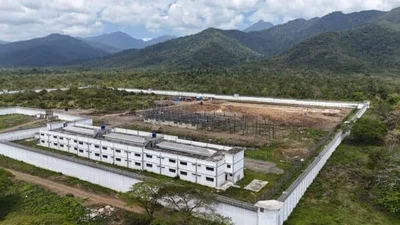
Bilibid Prison Inmate Transfer The Bureau of Corrections (BuCor) has transferred 500 inmates from the overcrowded New Bilibid Prison in Muntinlupa City to a newly constructed dormitory at the Iwahig Prison and Penal Farm in Puerto Princesa, Palawan. This move is part of a broader initiative to decongest the Bilibid facility, which has long struggled with overcrowding issues. The new dormitory at Iwahig can house up to 1,000 inmates, effectively doubling the capacity for the transferred prisoners. BuCor Director Gregorio Pio Catapang Jr. emphasized that this transfer is the first wave, with plans to move a total of 7,500 inmates in 2026. The transfer is significant as it aims to improve living conditions and management within the Philippine penal system. research →

-
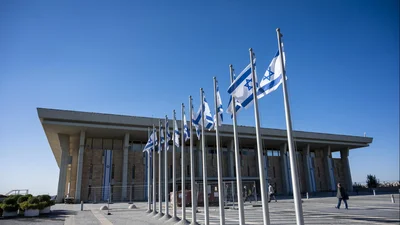
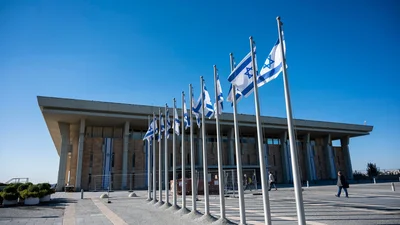
Israel Death Penalty Plans Controversy Israel is considering a legislative bill to expand the use of the death penalty, primarily targeting Palestinians accused of terrorism. This move has sparked significant concern among European nations, including Germany, France, Italy, and the United Kingdom, whose foreign ministers jointly condemned the proposal as discriminatory and a threat to democratic principles. The European officials emphasized that the death penalty is an inhumane and degrading punishment without deterrent effect and urged Israel to abandon the bill ahead of its anticipated parliamentary vote. The controversy highlights ongoing tensions in the region and raises questions about human rights and legal standards in counterterrorism measures. research →
-
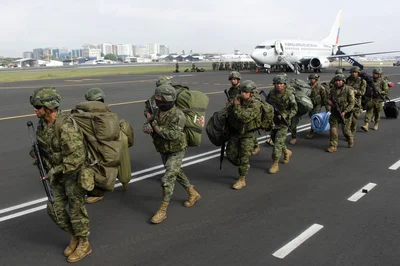
Latin America Drug Cartel Terrorist Label Debate The United States government has been pushing to designate Latin American drug cartels, specifically Brazil's Comando Vermelho (CV) and Primeiro Comando da Capital (PCC), as terrorist organizations. This proposal has sparked significant debate in Brazil, becoming a notable issue ahead of the October elections. The current Brazilian government under President Luiz Inácio Lula da Silva opposes the terrorist label, fearing it could provide a legal pretext for U.S. intervention on Brazilian soil. Meanwhile, the opposition supports the designation as a means to strengthen the fight against organized crime. Researchers argue that labeling these groups as terrorists may not effectively address the root causes of cartel violence in the region. research →
-
Justice System Challenges Recent developments highlight ongoing challenges and controversies within justice systems globally. In South Africa, the Khampepe Commission is investigating political interference that delayed prosecutions of apartheid-era murders, raising concerns about justice and accountability. In the U.S., the Supreme Court is reviewing a case on birthright citizenship that could affect millions, while also hearing a death row case spotlighting racial bias in jury selection. Meanwhile, a 98-year-old federal judge is petitioning to return to the bench, underscoring issues with aging judiciary and lifetime tenure. Additionally, in Australia, despite reforms, prison terms for domestic violence offenders remain unchanged, though judges are increasingly imposing custodial sentences. These stories collectively underscore the complexities and evolving nature of justice systems worldwide. research →

-
Racial Bias in Law Enforcement Recent reports highlight ongoing concerns about racial bias and inequality in law enforcement practices across multiple contexts. Research reveals that police diversion programs for low-level drug offenses disproportionately benefit affluent, white individuals attending music festivals, while minority groups face harsher treatment. In Mississippi, a death row case has drawn Supreme Court attention due to a prosecutor's history of excluding Black jurors, raising questions about racial discrimination in jury selection. Additionally, wrongful arrests linked to flawed AI facial recognition technology and aggressive policing tactics against migrants further underscore systemic issues. These developments emphasize the urgent need for reforms to ensure fairness and accountability in the justice system. research →

- Sexual Offence Survivors Education Rights Bill A new bill aimed at protecting the education rights of sexual offence survivors has been proposed, seeking to end stigma and ensure that affected girls remain in school. The legislation is part of broader efforts to support survivors and promote gender equality in education, addressing a critical barrier to recovery and empowerment. However, concerns have been raised about funding gaps that could hinder the effective implementation of the bill. This initiative aligns with ongoing calls for urgent action to combat gender-based violence and support survivors, highlighting the importance of education as a tool for resilience and social justice. research →

















Cybersecurity & Privacy
-
US Foreign Router Ban The United States Federal Communications Commission (FCC) has implemented a ban on the sale of foreign-made small office/home office (SOHO) routers, citing cybersecurity concerns related to botnet attacks linked to Volt Typhoon and Salt Typhoon intrusions. However, this move has drawn criticism from experts like Milton Mueller, who argue that the ban serves more as an industrial policy disguised as a cybersecurity measure rather than a genuine security improvement. The ban will prevent affected routers from receiving security updates after March 1, 2027, causing uncertainty and disruption in the router market as companies seek FCC approval. Consumers are advised to delay purchasing new routers until the situation becomes clearer, highlighting the broader implications for technology supply chains and cybersecurity policy. research →

-
Global Age Verification and Social Media Bans Several countries are advancing policies to restrict social media access for children to protect them from online harms such as cyberbullying, pornography, and addiction. Indonesia has become the first Southeast Asian country to ban children under 16 from platforms like YouTube, TikTok, and Instagram, following Australia's precedent. Austria plans to introduce legislation banning social media use for children under 14, alongside media literacy programs to combat disinformation. Meanwhile, Apple has implemented device-level age verification in the UK, requiring users to confirm they are 18 or older to access unrestricted features, with similar measures possibly coming to the US. These developments reflect a growing global trend toward regulating digital environments to safeguard minors, although legal challenges remain in some regions like Germany due to EU law constraints. research →
-
Benchmarking AI Code Review Recent research introduces SWE-PRBench, a new benchmark comprising 350 pull requests with human-annotated ground truth to evaluate AI code review quality. Despite advances in large language models (LLMs) excelling at code generation, studies show these models detect only 15-31% of issues flagged by human reviewers, highlighting a significant performance gap in code review tasks. This gap underscores that code review demands distinct capabilities such as identifying subtle bugs, assessing security, and evaluating maintainability, which differ from code generation skills. The findings are crucial as they reveal that current AI tools remain insufficient for reliable automated code review, emphasizing the need for further research and development to improve AI-assisted software quality assurance. research →

- AI Safety and Responsible Disclosure Recent developments in AI safety research highlight the critical challenges posed by autonomous AI agents operating in complex environments. New benchmarks like BeSafe-Bench aim to systematically expose behavioral safety risks across diverse functional domains, while studies on open agentic systems reveal unique security vulnerabilities distinct from traditional software. Meanwhile, the responsible disclosure dilemma remains a significant barrier, as many serious AI safety risks cannot be publicly shared without potential harm, underscoring the gravity of the issue beyond common concerns like bias or misinformation. Efforts such as Guardian-AI demonstrate promising multi-layered defense strategies to mitigate adversarial attacks and ensure content integrity in AI-generated media. These advancements and challenges emphasize the urgent need for robust safety frameworks as AI systems become increasingly autonomous and integrated into critical applications. research →
-
AI Models as Hacker Tools Emerging AI models, including Anthropic's upcoming Claude Mythos and frontier models like GPT-5 and Claude Opus 4.5, are demonstrating unprecedented capabilities in autonomously discovering and exploiting cybersecurity vulnerabilities, particularly in decentralized finance (DeFi) systems. These AI agents can exploit 55-65% of known smart contract bugs without human intervention, drastically lowering the cost and increasing the scale of cyberattacks. Industry insiders and government officials have been warned that such models will significantly elevate the risk of large-scale cyberattacks on corporate, government, and municipal infrastructures in 2026. This development underscores a critical shift in cybersecurity dynamics, prompting new defensive strategies and architectural changes, such as GPU-accelerated cloud security platforms, to counteract these AI-driven threats. The situation highlights the urgent need for enhanced AI-resilient security frameworks as AI becomes a powerful tool for malicious actors. research →
-
Iran Conflict Cyber Warfare The ongoing conflict involving Iran, the United States, and Israel has increasingly incorporated sophisticated cyber warfare tactics alongside conventional military operations. Iranian-backed forces have launched missile attacks and regional proxy actions, while Iran itself has employed digital espionage methods, including spyware targeting Israeli civilians during missile strikes. The conflict has also seen attacks on critical AI and cloud infrastructure in the Gulf region, with Iran threatening US tech companies linked to Israel as potential targets. These developments highlight the growing integration of cyber capabilities in modern warfare, complicating the strategic landscape and raising concerns about the security of civilian digital infrastructure in conflict zones. research →
-
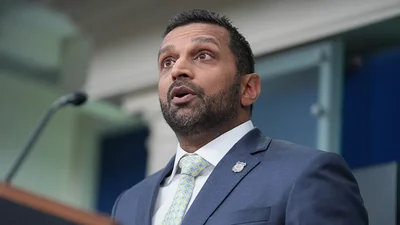
FBI Email Hack by Iranian Hackers The personal email account of FBI Director Kash Patel was hacked by the Iranian-linked group Handala, who published photos and documents online. The FBI confirmed the breach but stated that the stolen data was not recent and did not include any government information. The hackers claimed their attack was retaliation for the FBI seizing Handala domains and the U.S. government's $10 million reward for information on the group. Cybersecurity experts warn that this incident highlights the vulnerability of personal accounts, even those of high-ranking officials, and urge the public to enhance their cyber defenses. The event underscores ongoing cyber tensions between the U.S. and Iran and raises concerns about the security of critical personnel. research →

-
SFTP Transfer Speed Fix A user reported extremely slow SFTP file transfer speeds of about 2 MB/s even when transferring files locally on the same machine. The issue was traced to the russh-sftp crate used in Rust projects, which has a protocol design limitation dating back to 1983 that caps transfer speeds. This bottleneck affects all Rust-based SFTP implementations using this crate, severely limiting performance regardless of network conditions. Identifying and addressing this legacy protocol constraint is crucial for improving file transfer efficiency in virtual machine management and other applications relying on Rust SFTP libraries. research →

-
AI-Driven Mass Surveillance in US In the United States, AI-powered mass surveillance is expanding through the widespread use of automatic license plate readers installed at key urban locations such as intersections, bridges, and highway off-ramps. These systems not only capture license plate data but also vehicle images and timestamps, creating a comprehensive, searchable database integrated with other law enforcement data. Despite the extensive deployment of these technologies, there is currently no national legislation that effectively limits or regulates the use of this data, raising significant privacy and civil liberties concerns. This development marks a critical shift in urban surveillance capabilities, leveraging AI to enhance law enforcement monitoring but also sparking debates over oversight and individual rights. The situation underscores the growing role of AI in public security and the urgent need for legal frameworks to address its implications. research →











Energy & Climate
-
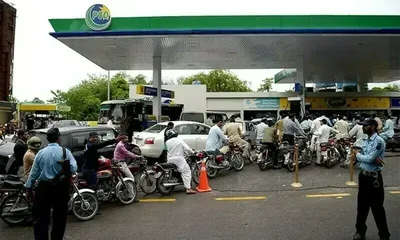
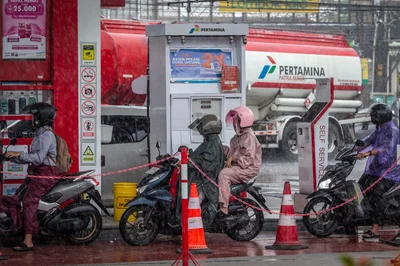
Energy Consumption and Efficiency Concerns The ongoing Middle East conflict, particularly the war in Iran and disruptions around the Strait of Hormuz, has sharply impacted global energy supplies, notably affecting countries like South Korea that rely heavily on imported oil. This has led to soaring fuel prices and supply chain disruptions, prompting South Korean airlines to request government intervention to redirect jet fuel exports back to the domestic market. In response to the escalating energy crisis, major corporations such as Hyundai Motor Group are implementing energy-saving measures, while the South Korean government is advancing renewable energy initiatives, including mandating solar panels for public parking lots. Meanwhile, large infrastructure projects like Hong Kong’s Northern Metropolis supercomputing hub raise concerns about surging electricity consumption and carbon emissions, underscoring the urgent need for sustainable energy policies. These developments highlight the critical importance of energy security and efficiency in maintaining economic stability amid geopolitical tensions. research →
-
Middle East Conflict Energy Impact The ongoing war in Iran and related U.S.-Israeli strikes have significantly disrupted global energy supplies, particularly through the Strait of Hormuz, a critical maritime chokepoint responsible for around 20% of global crude oil transit. Countries heavily reliant on imported oil, such as South Korea, are experiencing immediate economic strain, including volatile oil prices and weakened growth forecasts, prompting corporate and governmental energy-saving measures. The conflict has also accelerated shifts toward renewable energy, exemplified by a 62% surge in solar panel sales in the UK as consumers seek alternatives to fossil fuels. Governments worldwide are prioritizing fuel and gas supplies to essential sectors to mitigate shortages amid the crisis. This situation underscores the vulnerability of global energy security to geopolitical conflicts in key regions. research →
-
Global Solar Energy Growth Solar energy adoption is accelerating worldwide due to rising energy costs and geopolitical tensions. In Australia, new government rebates for home battery installations alongside solar panels are making renewable energy investments more affordable for households struggling with electricity bills. Meanwhile, in the UK, the ongoing Middle East conflict has triggered a 62% surge in solar panel sales as consumers seek to reduce reliance on volatile fossil fuel markets. Globally, solar capacity has expanded dramatically, now supplying about 10% of the world's electricity, surpassing nuclear energy. This rapid growth underscores solar power's increasing role in energy security and economic resilience amid global uncertainties. research →

-
EV Sales Surge Electric vehicle (EV) sales have surged significantly in multiple regions, driven by growing consumer demand and shifts in the automotive retail landscape. In New Zealand, EV registrations have doubled year-to-date compared to last year, with plug-in hybrid sales also reaching record highs despite additional taxes. In the United States, Rivian and Lucid secured the right to sell directly to consumers in Washington state after overcoming opposition from traditional car dealerships, signaling a potential shift in how EVs are marketed and sold. This surge in EV adoption comes amid rising global oil prices and energy security concerns, highlighting the increasing role of EVs in reducing dependence on fossil fuels and shaping future transportation policies. research →

-
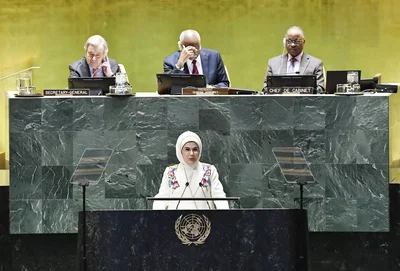
Global Zero Waste and Species Protection On the International Day of Zero Waste, global efforts to combat food waste and environmental degradation have been highlighted, with over one billion tonnes of edible food wasted annually, undermining food security and climate resilience. Türkiye has emerged as a global leader in zero waste initiatives, recycling 90 million tons of waste since 2017 and significantly conserving resources. Meanwhile, a UN conference in Campo Grande has resulted in stricter international protections for 40 migratory species, including sharks and cheetahs, addressing declining populations. These combined efforts underscore the urgent need for sustainable waste management and biodiversity conservation to ensure a resilient and circular future. research →

-
China's EV Battery Dominance China continues to solidify its dominance in the electric vehicle (EV) battery market, with CATL and BYD leading as the world's top producers. Despite political pressures and attempts by some US lawmakers to restrict the use of Chinese batteries in American EVs, Chinese companies remain confident in their market position. The EV boom is accelerating globally, with record sales reported in markets like New Zealand, where BYD has already sold out its stock. However, China's rapid growth faces challenges such as a significant shortage of skilled labor for EV maintenance and after-sales service. This dominance matters as it shapes the future of the global EV supply chain and highlights the strategic importance of battery technology in the transition to clean transportation. research →

-
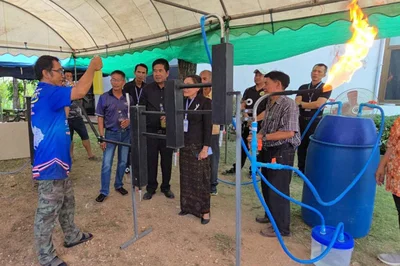
Plastic Waste Conversion Initiatives Amid rising fuel costs and environmental concerns, several countries and local communities are advancing initiatives to convert plastic waste into usable fuel and promote zero-waste practices. In Khon Kaen, Thailand, a pilot program converts plastic waste into fuel to reduce community fuel expenses. Türkiye’s Zero Waste Project, led by First Lady Emine Erdoğan, has recycled 90 million tons of waste since 2017, significantly contributing to energy savings and environmental protection. In Nigeria, stakeholders are calling for government tax incentives and stronger policy implementation to boost recycling and waste management sectors, which could alleviate economic pressures and unemployment. These efforts highlight a growing global movement toward circular economies and sustainable resource use, addressing both environmental and economic challenges. research →
-
Climate Data Digitization The Kandilli Observatory and Earthquake Research Institute in Turkey has embarked on a significant project to digitize over 115 years of meteorological data using artificial intelligence. This initiative preserves one of the longest continuous climate datasets in the country, converting analog records dating back to 1911 into accessible digital formats. The digitization effort enhances scientific research capabilities and public access to historical climate information, which is crucial for understanding long-term climate trends and informing policy decisions. This advancement reflects a broader trend of integrating AI technologies in climate science to improve data management and analysis. research →


















Sports
-
Ultracycling and Ultramarathon Highlights Recent ultracycling and ultramarathon events have showcased extraordinary endurance feats around the world. Pierre Rolland, a retired French cyclist, won the grueling 510 km BikingMan Serra Geral race in Brazil in just over 20 hours, demonstrating remarkable stamina. Meanwhile, ultramarathon runners are pushing limits in extreme conditions, such as a 350 km race through freezing forests at night. In ultracycling, French rider Sofiane Sehili attempted to break the Eurasia crossing record but was thwarted by border restrictions. These events highlight the growing popularity and extreme challenges of ultra-endurance sports, inspiring athletes and fans alike. research →

-
2026 World Cup Human Rights Concerns Amnesty International has issued a stark warning regarding the 2026 FIFA World Cup, which will be hosted across the United States, Canada, and Mexico. The human rights group highlights significant risks to millions of fans, players, journalists, and local communities, particularly criticizing the United States for what it calls a 'human rights emergency' and a pattern of authoritarian practices. Key concerns include the US's restrictive immigration policies, threats to freedom of expression, and the potential for repression during the tournament. Despite these warnings, FIFA maintains that the event will promote unity and a peaceful atmosphere. The report underscores the urgent need for host countries to uphold international human rights standards to ensure a safe and inclusive World Cup. research →
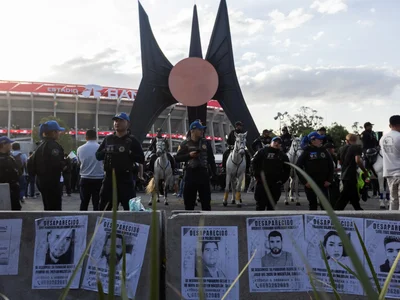
-
Marco Bezzecchi MotoGP Win Marco Bezzecchi continued his dominant form by winning the United States Grand Prix in Austin, marking his fifth consecutive MotoGP victory and third win of the 2026 season. Riding for Aprilia, Bezzecchi led all 20 laps at the Circuit of the Americas, finishing over two seconds ahead of teammate Jorge Martin, who secured second place. This victory propelled Bezzecchi to the top of the MotoGP riders' championship standings with 81 points, solidifying his status as the season's early frontrunner. The Aprilia team also benefited from a 1-2 finish, taking the lead in the constructors' championship. Bezzecchi's continued success highlights a significant shift in MotoGP dynamics, with Aprilia emerging as a major contender this season. research →

-
Sinner Wins Miami Open Jannik Sinner secured his second Miami Open title by defeating Jiri Lehecka 6-4, 6-4 in a rain-interrupted final, completing the prestigious 'Sunshine Double' after his Indian Wells victory. This achievement marks Sinner as the first man since Roger Federer in 2017 to win both elite American hard court Masters 1000 tournaments consecutively, and notably, he did so without dropping a set throughout. The final faced multiple rain delays, but Sinner maintained composure, winning in 1 hour and 33 minutes while showcasing dominant serving statistics. His victory reinforces his rising status in men's tennis and poses a significant challenge to the current world number one, Carlos Alcaraz. Additionally, Italian players Sara Errani and Jasmine Paolini reached the women's doubles final, highlighting a strong Italian presence at the tournament. research →

-
Tiger Woods DUI Arrest Tiger Woods, the 15-time major golf champion, was arrested and charged with driving under the influence following a rollover crash near his Florida home on March 27, 2026. The incident occurred when Woods' vehicle clipped a truck while attempting to overtake on a residential road, causing his SUV to flip onto its side. Despite passing a breathalyzer test with a 0.00 reading, authorities noted signs of impairment, and Woods was also charged with refusing to submit to a drug test. This marks Woods' second DUI-related arrest, the first being in 2017, and has sparked renewed scrutiny of his legal challenges and public image. The situation escalated further when former NFL player Antonio Brown made controversial remarks online, adding to the media attention surrounding the incident. research →

-
Mayweather vs Pacquiao Exhibition Eleven years after their iconic 2015 bout in Las Vegas where Floyd Mayweather defeated Manny Pacquiao to claim the WBC-WBO welterweight titles, the two boxing legends are set to face each other again in an exhibition match. Now aged 49 and 47 respectively, Mayweather and Pacquiao aim to entertain fans once more with this highly anticipated rematch. The exhibition fight is expected to be a major event and may be streamed on Netflix, broadening its global reach. This event rekindles one of boxing's most memorable rivalries and highlights the enduring appeal of both fighters in the sport. research →

-
IPL's Transformative Impact on Cricket The Indian Premier League (IPL), now in its 18th year, has evolved from an experimental T20 format into a global cricket powerhouse that significantly influences the sport's landscape. It has inspired similar franchise-based leagues worldwide, such as England’s The Hundred and South Africa’s SA20, pushing cricket towards a club-centric model akin to soccer. The IPL has also transformed player careers by providing substantial financial rewards, ensuring long-term security post-retirement. Additionally, the league has reshaped playing styles, demanding greater urgency and adaptability from players, as seen in the evolving role of batsmen like Devdutt Padikkal. However, the IPL's growth also brings challenges, including debates over player conduct and calls for stricter regulations on last-minute withdrawals to maintain the league's integrity. research →

-
NFL Annual Meeting and Rule Changes The NFL held its annual meeting in Arizona where owners, executives, and coaches discussed a range of important topics including the use of replacement officials, potential rule changes, the integration of artificial intelligence, health and safety issues, international growth, and the expansion of flag football. Notably, the controversial 'tush push' play, which was nearly banned last year, was not reconsidered this time. The meeting included press sessions with NFC and AFC coaches and concluded with remarks from Commissioner Roger Goodell. These discussions are significant as they shape the future of the league's gameplay, officiating standards, and global outreach efforts. research →



























Entertainment & Culture
-
BTS Comeback with ARIRANG After a hiatus beginning in 2022 due to members' mandatory military service, K-pop superstars BTS have made a highly anticipated comeback with their new album 'ARIRANG.' Released nearly four years after their last full-group project, the album debuted at number one on the US Billboard 200 chart, marking BTS's seventh chart-topping album in the United States. This comeback not only underscores BTS's sustained commercial success but also reinforces K-pop's dominant cultural influence globally. The group's return is significant as it fills the void left in the K-pop scene during their absence and highlights their role as a key symbol of South Korea's cultural identity. research →

-
Lionel Richie Celebrity Warning Lionel Richie has issued a cautionary message to rising celebrities about the challenges of fame, prompted by the backlash singer Chappell Roan faced after a negative encounter with fans. Richie highlighted the importance of maintaining composure and respect in public interactions, contrasting his own experience with fans as shared by his son-in-law Joel Madden. This warning comes amid a broader conversation about celebrity behavior and public perception, especially as online backlash and coordinated attacks, like those experienced by Roan, become more common. Richie's advice underscores the pressures celebrities face in managing their public image and the potential consequences of negative fan interactions. research →

-
Somos Rock Festival São Paulo The Somos Rock Festival is set to take place on April 25, 2026, at the Anhembi Arena in São Paulo, Brazil. The event will feature performances by notable bands including Smash Mouth and Detonautas, attracting rock music fans from across the region. Tickets are available through Ticketmaster, with pricing tiers ranging from R$400 for general admission to R$700 for open bar front stage access. This festival highlights São Paulo's vibrant rock scene and offers a significant cultural event for music lovers. It also continues the city's tradition of hosting major live music events that contribute to its reputation as a key hub for entertainment in Latin America. research →

-
Project Hail Mary Box Office Success The sci-fi film 'Project Hail Mary,' starring Ryan Gosling and based on Andy Weir's bestselling novel, has achieved remarkable box office success, grossing over $300 million worldwide within two weeks of release. It recorded a strong $54.5 million in its second weekend, experiencing only a 32% drop and maintaining dominance in premium formats like IMAX. This performance has made it Amazon MGM's highest-grossing movie ever, surpassing previous hits such as 'Creed III,' and it currently stands as the highest-grossing Hollywood film of 2026 in the US. The film's success is notable given its high production budget of nearly $200 million and the fact that it is not part of an established franchise, underscoring the strong audience appeal and positive word of mouth it has generated. research →

-
AI in Music Industry Artificial intelligence is rapidly transforming the music industry by generating music tracks, creating virtual artists, and assisting producers in the creative process. AI-generated music from tools like Suno and Udio is flooding streaming platforms, raising complex ethical, legal, and technical challenges about transparency and the impact on human musicians. Notably, Germany's first AI music label has launched with a virtual artist named KAI NØIR, created entirely by AI and signed to a real record deal, highlighting the blurred lines between human and machine creativity. The industry is grappling with how to integrate AI-generated content while protecting artists' rights and maintaining artistic integrity. This shift signals a major evolution in music production and consumption, with broad implications for artists, producers, and listeners worldwide. research →

-
Free Streaming Services Comparison As subscription streaming services continue to rise in cost, many consumers are turning to free streaming options available on smart TVs. Platforms like Google TV and Roku now offer expansive libraries of free content, including thousands of channels and hours of entertainment, challenging the dominance of paid subscriptions. This shift is significant as it provides budget-conscious viewers with viable alternatives to expensive cable and subscription packages. Additionally, free streaming services are gaining traction for live sports events, such as international soccer friendlies ahead of the 2026 World Cup, further enhancing their appeal. The availability of affordable streaming devices and ongoing retail sales on TVs also support the growth of free streaming adoption. research →

-
Hong Kong Art March Success Hong Kong's recent Art March event has been highlighted as a notable success, reflecting the city's vibrant art scene and its potential to attract both local and international attention. The event featured exhibitions including works by renowned artists such as Yayoi Kusama and Sam Francis, drawing engagement from diverse audiences including families. This success underscores Hong Kong's ability to maintain an authentic cultural identity amid broader regional developments in the art market. It also positions the city as a key player in Asia's evolving art landscape, complementing China's expanding museum sector and the growing participation of next-generation buyers. Maintaining this momentum could help Hong Kong capitalize on its unique cultural assets and reinforce its status as a creative hub. research →

-
Nollywood Animated Sci-Fi Series Nollywood is making a significant leap into animated science fiction with the upcoming series 'Secrets of the Multiverse,' produced by Hot Ticket Productions. The 13-episode show features prominent Nigerian talents such as Adesua Etomi-Wellington, Jessica Edwards, and Emmanuella Amidu, blending sci-fi themes with culturally rich storytelling aimed at younger audiences and families. This project expands the universe established by the acclaimed 'Lady Buckit & the Motley Mopsters,' marking a milestone in Nigerian animation and its global appeal. The series highlights Nollywood's growing diversification beyond traditional live-action films, signaling a new era for African content in the animation and sci-fi genres. research →




















Development & Open Source
-
AI Coding Agents Evolution Recent developments in AI coding agents are reshaping the landscape of software development and collaboration. Innovations include frameworks for disability-centered human-agent collaboration that enhance teamwork by mediating workflows and establishing shared understanding among diverse abilities. Meanwhile, AI coding agents are poised to revitalize the free software movement by empowering users with greater freedom to run, study, modify, and share software, aligning with Stallman’s original vision. Advances in agent memory and reasoning architectures aim to overcome limitations of statelessness and superficial pattern matching, pushing toward more autonomous and context-aware AI systems. These trends highlight a significant shift toward more capable, collaborative, and user-empowering AI tools in coding and beyond. research →

-
Kubernetes Setup and Security A recent hands-on experience detailed the setup of a Kubernetes cluster using Kind and kubectl on an AWS EC2 instance, simulating a real-world environment to understand container orchestration beyond Docker. This setup highlights Kubernetes' role in automating deployment, scaling, and managing container lifecycles efficiently, which is critical for production systems. Concurrently, advancements in Kubernetes security have emerged, including Kubescape 4.0's runtime threat detection and AI agent scanning capabilities, enhancing cluster protection. Additionally, innovative tools like kubectl-ro provide read-only access to prevent accidental or malicious cluster modifications, addressing security concerns when integrating AI agents. These developments underscore the growing importance of robust Kubernetes management and security practices in cloud-native environments. research →

-
API Design and Best Practices Recent articles highlight critical lessons and best practices in API design and security, emphasizing the long-term impact of early design decisions. Developers are warned about common pitfalls such as lack of versioning, poor error handling, and insufficient security measures, which can cause significant production issues and maintenance burdens. The rise of AI-powered threats, like data scraping on Flutter apps, underscores the need for robust API security strategies, including response signing and injection detection. Additionally, practical insights from building multi-provider API servers reveal the complexity of handling diverse APIs reliably. These discussions are vital as APIs remain foundational to modern software ecosystems, affecting scalability, security, and integration efficiency. research →

-
Developer Income Alternatives In 2026, developers are exploring diverse income streams beyond traditional freelancing platforms like Upwork. Alternative methods gaining traction include open source bounties, where companies pay for bug fixes and contributions, and the burgeoning market for custom AI agent development services. This shift reflects a broader recognition of open source as a strategic business asset rather than charity, highlighting the need for sustainable funding models amid maintainer burnout. Additionally, developers are finding success selling digital products independently, while startups consider cost-saving subscription DevOps solutions over expensive full-time hires. These trends underscore evolving opportunities and challenges in the developer economy, emphasizing innovation in monetization and resource management. research →

-
Linux in Data Engineering Linux plays a foundational role in data engineering, serving as the primary operating system underpinning cloud infrastructures and data platforms. Major cloud providers like AWS, Azure, and GCP run their virtual machines and data services on Linux, making it indispensable for managing large-scale data pipelines. Its open-source nature supports essential tools such as Kafka, Hadoop, and Spark, which are critical for data transformation and processing. For data engineers, proficiency with Linux and its terminal commands is crucial for infrastructure management and workflow optimization. Understanding Linux not only enhances operational stability but also empowers engineers to effectively handle the complexities of modern data environments. research →

-
Java Ecosystem Updates The Java ecosystem saw several significant updates in late March 2026, highlighted by the general availability releases of GraalVM Native Build Tools 1.0 and EclipseLink 5.0. The Open Liberty framework released its March 2026 edition, while Spring Boot, Spring Modulith, and Spring AI reached their fourth milestone releases, signaling ongoing progress in the Spring ecosystem. Quarkus received a point release, and Infinispan had its first development release, indicating active development in Java microservices and data grid technologies. Additionally, JDK 27 early-access build 15 was made available, featuring important bug fixes and improvements, encouraging developers to test and report issues. These updates collectively demonstrate the vibrant and evolving nature of the Java platform, which remains critical for enterprise and cloud-native application development. research →

-
Enterprise Open Source Adoption Recent discussions highlight a growing recognition among enterprises of the strategic value of open source software beyond the misconception of it being merely free volunteer-made tools. Open source offers production-grade, globally maintained software that companies can adapt and extend without vendor lock-in, providing a competitive edge and cost efficiency. However, sustainability challenges persist, as many open source maintainers face burnout and insufficient compensation, prompting calls for new funding models including charging for access. Additionally, emerging AI coding agents may revitalize the free software movement by enhancing user freedom and innovation. This evolving landscape underscores the importance for enterprises to engage with open source strategically to maximize benefits and support its ecosystem. research →

-
Zero-Downtime Deployment Strategies Zero-downtime deployments have become critical for modern SaaS and web platforms to maintain user trust and avoid costly outages, which can range from $8,000 to $15,000 per minute. Techniques such as blue-green, canary, and rolling updates enable seamless releases without interrupting service, but they come with trade-offs and complexities that teams must carefully manage. Feature flags further enhance deployment safety by decoupling code release from feature activation, allowing controlled rollouts and quick rollbacks. Additionally, proper implementation of graceful shutdowns in Node.js APIs is essential to prevent dropped requests and errors during deployments. As tooling matures, zero-downtime strategies are accessible beyond elite platform teams, making them a vital part of scaling and reliability for high-volume systems. research →















Society & Migration
-
Gulf Instability and Pakistan Remittances The ongoing conflict in the Gulf region, particularly the US-Israel war on Iran, is causing significant geopolitical and economic disruptions that extend beyond immediate energy and investment concerns. Pakistan, heavily reliant on the Gulf for overseas employment and remittances, faces heightened risks as around 0.6-0.7 million Pakistani workers annually seek jobs in Gulf countries, sending back crucial financial support. The conflict has already led to increased fuel prices domestically, contributing to inflation and raising living costs. While the crisis threatens Pakistan's economic stabilization efforts, it also presents potential opportunities, such as redirecting data infrastructure and skilled labor to Pakistan. However, the broader economic challenges, including rising public debt and inflationary pressures, underscore the vulnerability of Pakistan’s economy amid this regional instability. research →
-
US Political and Religious Commentary on Iran War As the war with Iran enters its fifth week, US political and religious discourse reveals deep divisions and evolving dynamics. President Donald Trump maintains strong support among conservatives, exemplified by a 96% approval rating at CPAC, yet his overall approval has hit historic lows, notably among Latino voters. Defense Secretary Pete Hegseth’s public invocation of his Evangelical faith in the conflict has sparked controversy within the military and broader society, challenging traditional norms separating church and state. Meanwhile, Pope Leo has publicly criticized the US leadership’s war approach, condemning the use of religion to justify violence. These developments underscore the complex interplay of faith, politics, and public opinion amid a contentious and escalating Middle East conflict. research →

-
Housing Affordability Programs The Marcos administration in the Philippines is expanding its Pambansang Pabahay para sa Pilipino (4PH) program to address growing housing affordability challenges faced by Filipino families, offering a mix of low-interest home loans, rental housing, and incremental housing options tailored to income levels. This move comes amid rising housing costs that have placed the Philippines among the most affected countries in Asia. The expansion reflects a broader global concern over affordability, as seen in other countries like the UK, where nearly half of households are dipping into savings or selling possessions to cover essentials, and the US, where bipartisan legislation aims to boost housing supply and affordability. The Philippine government's efforts are complemented by local initiatives such as subsidized rice programs in Cebu City and Leyte to ease living costs for vulnerable populations. These combined measures highlight the critical role of government intervention in mitigating the impact of rising living expenses and housing shortages on low- and middle-income families. research →
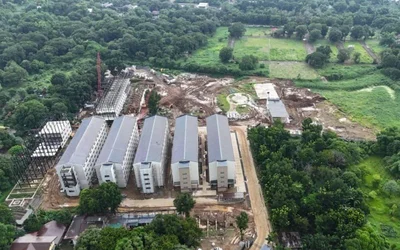
-
US Asylum Policy Rollback The Trump administration is scaling back its stringent crackdown on asylum applications that had previously halted hundreds of thousands of immigration cases. This policy shift comes after a controversial pause was enacted in late 2025 following the shooting of two National Guard members by an Afghan asylum recipient, which intensified scrutiny on asylum procedures. The rollback indicates a potential easing of immigration enforcement amid ongoing debates over national security and humanitarian concerns. This development is significant as it may affect the processing of asylum claims and the broader immigration landscape in the United States. It also contrasts with similar hardline migration policies being adopted in the European Union. research →
-
Christian Holy Sites Access Controversy On Palm Sunday 2026, Israeli police blocked Cardinal Pierbattista Pizzaballa, the Latin Patriarch of Jerusalem, from entering the Church of the Holy Sepulchre to celebrate a traditional Mass, marking the first such restriction in centuries. The closure of this and other major Christian holy sites in Jerusalem was imposed due to heightened security concerns amid the ongoing war with Iran, which has subjected the city to missile attacks. The decision sparked widespread criticism from the Catholic Church, European leaders, and international observers, who condemned the move as disproportionate and harmful to religious freedom. Israeli authorities defended the measure as necessary to balance public safety with worship rights during wartime. The incident has intensified tensions surrounding access to sacred sites in Jerusalem, a city sacred to multiple faiths, during a period of regional conflict. research →

-
Johannesburg Urban Decay Johannesburg is experiencing significant urban decay and housing challenges, particularly in its western CBD and affluent suburbs like Upper Houghton. Once prestigious areas are now facing neglect, overcrowding, and illegal conversions of mansions into high-density rental properties, with government agencies admitting failure to manage these issues. The western CBD, historically a financial hub, has deteriorated into a zone marked by crime, derelict buildings, and a declining business presence, exemplified by the recent closure and auction of the City Lodge Hotel in Newtown. These developments highlight the broader struggles of urban management, housing affordability, and socio-economic shifts in South Africa's largest city, raising concerns about the future livability and economic vitality of Johannesburg. research →

-
Education Disputes Nigeria and India In Nigeria, the Academic Staff Union of Universities (ASUU) has raised concerns over the government's failure to implement key components of a landmark 2025 agreement aimed at ending prolonged disputes and strikes in public universities. Meanwhile, Abia State Governor Alex Otti inaugurated a new 5 MVA power substation and retrofitted hostels at Abia State University to improve infrastructure and student welfare. In India, the University Grants Commission (UGC) declared a Rajasthan-based institute fake, warning students against admission to unrecognised institutions. Additionally, Jammu University faced criticism for a committee's recommendation to remove material about prominent Muslim thinkers from the syllabus, sparking debate on academic freedom and inclusivity in higher education. These developments highlight ongoing challenges in higher education governance and academic integrity in both countries. research →

-
Transgender Rights Legislation India India recently amended the Transgender Persons (Protection of Rights) Bill despite strong opposition from the transgender community and political parties. This legislative change comes amid global debates on transgender athletes' participation in female sports categories, especially with the upcoming 2028 Olympics in the United States. The discourse has intensified around the definition of 'biological females,' impacting both legal and social perspectives on gender identity. These developments highlight ongoing tensions between transgender rights advocacy and legislative actions in India, reflecting broader international controversies. The issue remains a critical point of discussion for human rights and sports governance. research →