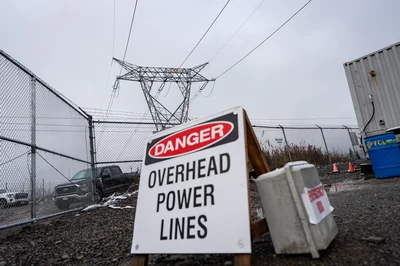
British Columbia is facing a sharp rise in electricity demand, prompting the NDP government to reconsider large hydroelectric projects once shelved after the contentious $12-billion Site C dam. Energy Minister Adrian Dix has tasked BC Hydro with exploring all options, including reviving the 50-year-old Site E dam plan on the Peace River. This shift comes as new energy-intensive industries boost demand, risking supply shortfalls that could hamper economic growth. BC Hydro is expected to issue new calls for power projects soon, balancing private wind contracts with potential mega-dams.
Energy & Climate
B.C. Revives Big Dams Amid Power Surge
Sources (1)
More from Energy & Climate
-
Climate Change Fuels Night Wildfires
A new study reveals that climate change is disrupting the usual nighttime lulls in wildfire activity, making fires more aggressive and harder to control. This shift reduces critical windows for firefighting teams to intervene effectively. As wildfires intensify overnight, communities face greater risks and emergency responses must adapt to these evolving conditions.
-
Canada's Emissions Cuts Stall in 2024
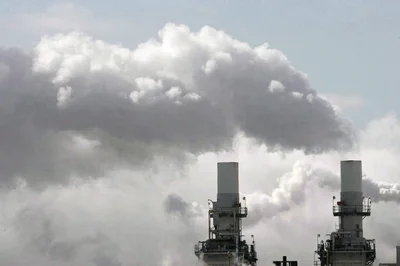
Canada's greenhouse gas emissions reductions nearly halted in 2024, with only a 0.3% drop from 2023, according to federal data. Despite a 10.3% decrease since 2005, Canada lags behind other G7 nations and risks missing its 2030 climate targets, needing to cut an additional 227 million tonnes of emissions. The oil and gas sector's rising emissions offset gains in other areas, raising concerns about the government's commitment amid policy rollbacks. Environment Minister Julie Dabrusin faces international scrutiny as she prepares for G7 climate talks in Europe.
-
Chickballapur Launches Water Resilience Drive

A new climate-resilient water initiative has been launched in Chickballapur district, targeting six small towns including Bagepalli and Chintamani. The project, led by CDRI and local authorities, aims to assess and upgrade water and wastewater systems to withstand climate impacts. By developing technical guidelines and boosting local capacity, it seeks to ensure safer, more efficient water reuse. This effort marks a critical step toward sustainable water management in the region.
-
China Clings to Coal Amid Energy Shocks
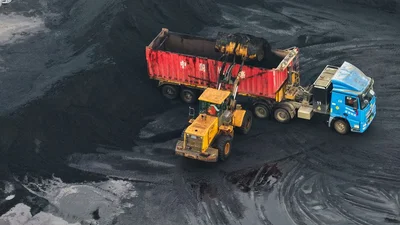
Despite global energy turmoil triggered by Middle East conflicts, China leans heavily on its vast coal reserves to secure energy supply. The country, the world's largest coal consumer, has ramped up mining and coal power projects to shield its economy from volatile oil and gas markets. While investments in green energy continue, coal remains Beijing's fallback to ensure energy security. Experts warn this reliance is unsustainable long-term, pushing China toward renewables for true independence.