PyCon US 2026, held in Long Beach from May 13-19, introduces dedicated AI and security tracks for the first time, spotlighting cutting-edge topics in the Python community. The AI track, curated by Silona Bonewald and Zac Hatfield-Dodds, and the new security sessions promise fresh insights for attendees. This expansion reflects PyCon's commitment to evolving with tech trends while maintaining its community-driven spirit. Python enthusiasts can look forward to engaging talks, open spaces, and sprints that foster collaboration and innovation.
Dev & Open Source
PyCon US 2026 Debuts AI and Security Tracks

Sources (1)
More from Dev & Open Source
-
DevChallenge Project: Lessons in Resilience

A developer shared insights from their OpenClaw Challenge submission, highlighting a project that automates workflows with a focus on reliability and observability. Using OpenClaw's event-driven architecture, the app integrates secure authentication and third-party services to streamline tasks for developers and product teams. Key takeaways include designing for failure, prioritizing clear documentation, and leveraging community feedback from events like ClawCon Michigan. This approach sets a strong example for future projects aiming at robust, user-friendly automation.
-
Obsidian Users Demand True Local RAG
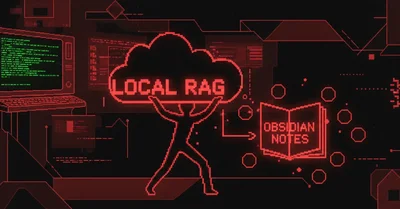
In 2026, Obsidian users are pushing for a reliable local retrieval-augmented generation (RAG) system that truly understands note relationships without sending data to the cloud. Current AI plugins mostly mimic simple keyword search, failing to grasp complex connections between notes. The breakthrough comes with hybrid solutions like Neural Composer and Ollama that combine vector search, knowledge graphs, and local reranking, all running entirely on users' machines. This shift promises enhanced privacy, zero ongoing costs, and smarter note retrieval, marking a new era for personal knowledge management.
-
Azure Container Apps: AI's Cost-Effective Edge
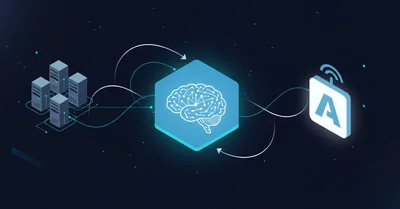
Microsoft's Azure Container Apps (ACA) is emerging as a game-changer for AI workloads, offering a middle ground between costly API calls and complex Kubernetes management. ACA allows teams to deploy AI models like Llama 3 with GPU support, autoscaling, and zero-cost idle time, making it ideal for development and cost-sensitive production. Unlike Azure OpenAI, ACA keeps data fully in-house and slashes expenses by up to tenfold at high token volumes. Next, expect deeper insights on building multi-agent AI systems leveraging ACA's unique capabilities.
-
Master Git: 12 Commands You Need

Developers often misuse Git, leading to messy project histories and broken workflows. The article highlights 12 essential Git commands that help maintain clean, efficient codebases, including rebasing, resetting, reverting, and restoring. Mastering these commands prevents common pitfalls and aligns with modern AI-driven review systems. Next, developers should integrate these practices to streamline collaboration and avoid costly mistakes.