Oil prices spiked over 6% as the US-Iran conflict reignited tensions around the Strait of Hormuz, a critical chokepoint for nearly 20% of global oil supply. The US seized an Iranian cargo ship, prompting Iran to reimpose a blockade, disrupting shipping and fueling market volatility. Despite hopes for a ceasefire, experts warn that supply disruptions could keep crude prices elevated near $100 a barrel for months. Investors now face uncertainty as geopolitical risks threaten inflation and energy markets worldwide.
War & Conflicts
Oil Surges Amid US-Iran Strait Clash

Sources (5)
Oil prices and stocks climb as the US-Iran standoff keeps the Strait of Hormuz in limbo
20 Apr 2026, 08:23

Oil Price Today (April 20): Crude oil jumps 6%, nears $100 again despite ceasefire hopes. What’s happening?
20 Apr 2026, 02:09
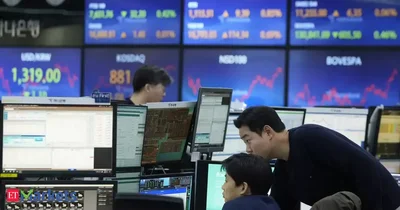
Global Market Today: Oil jumps, stocks wobble as Mideast ceasefire hangs in the balance
20 Apr 2026, 01:04

Oil claws back losses as Strait of Hormuz is closed again
20 Apr 2026, 00:59

Oil prices jump as Strait of Hormuz tensions escalate
19 Apr 2026, 23:53
More from War & Conflicts
-
Largest Balikatan Drills Kick Off Amid Tensions
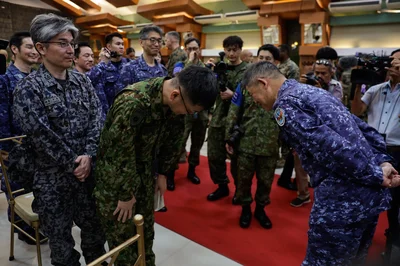
The Philippines, the United States, and allies including Australia, Japan, Canada, France, and New Zealand have launched the largest-ever Balikatan military exercises, involving over 17,000 troops. The drills, running from April 20 to May 8, focus on real-world readiness with live-fire operations near the South China Sea and Taiwan Strait, highlighting Manila's expanding security partnerships. China has warned these maneuvers risk regional peace and cautioned against escalating tensions. The exercises underscore strategic alliances as regional security challenges persist.
-
Russia Foils Ukraine-Linked Bomb Plot

Russia's FSB arrested a German woman in Pyatigorsk carrying a homemade bomb, alleging she was recruited by a Central Asian operative working for Ukraine. The device, equivalent to 1.5 kg of TNT, was intended to target a law enforcement facility in the Stavropol region and was disabled via electronic jamming. Moscow claims this foiled plot exposes Ukraine's covert sabotage efforts amid ongoing conflict, while Ukraine and Germany have yet to respond. The incident highlights escalating tensions and intelligence battles in the region.
-
Pakistan Pushes for US-Iran Peace Talks
Pakistan is intensifying its diplomatic efforts to host a second round of US-Iran negotiations in Islamabad, following an inconclusive first meeting. Interior Minister Mohsin Naqvi has met separately with US and Iranian envoys to finalize security and logistical arrangements, emphasizing Pakistan's commitment to peace and regional stability. Despite Iran's hesitation and ongoing tensions, including the closure of the Strait of Hormuz, Islamabad remains hopeful that talks will proceed on April 21. The outcome could be pivotal for easing a conflict that threatens global security.
-
Sudan War Worsens Child Crisis
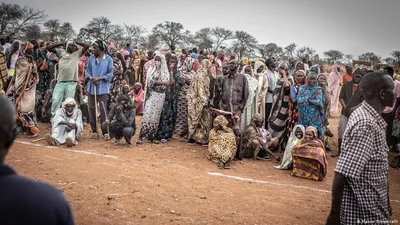
As Sudan's civil war enters its fourth year, the humanitarian crisis for children is worsening dramatically. Over 4,300 children have been killed or maimed, with drone attacks devastating homes, schools, and hospitals. Displacement has surged past 13 million, spreading instability across East Africa. Despite international aid pledges exceeding €1.3 billion, urgent global action is needed to protect Sudan's vulnerable children and prevent further catastrophe.
-
Radev's Landslide Shifts Bulgaria's Course

Rumen Radev, Bulgaria's pro-Russia former president, has won a commanding majority in the parliamentary elections, securing about 130 of 240 seats. This victory ends years of political chaos and positions Radev to become prime minister, potentially steering Bulgaria closer to Moscow while maintaining a cautious stance on EU relations. The EU and Kremlin both reacted positively, but uncertainty remains over Bulgaria's future foreign policy direction.
-
US Seizes Iranian Ship, Tensions Surge
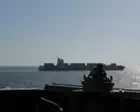
The US Navy seized the Iranian-flagged cargo ship Touska near the Strait of Hormuz after it ignored repeated warnings and was disabled by USS Spruance's gunfire. This marked the first such interception since the US imposed a naval blockade on Iranian ports, escalating tensions sharply. Iran condemned the seizure as piracy and threatened retaliation, while peace talks scheduled in Pakistan now face uncertainty. The incident underscores the fragile ceasefire and the risk of broader conflict in the Gulf region.
-
$292M KelpDAO Hack Sparks DeFi Crisis

The $292 million exploit of KelpDAO's cross-chain bridge, linked by LayerZero to North Korea's Lazarus Group, has triggered a massive liquidity crunch in DeFi. Attackers manipulated verification channels to drain 116,500 rsETH, causing panic withdrawals that pulled over $10 billion from lending platform Aave alone. This single point of failure exposed critical flaws in cross-chain infrastructure, forcing protocols to freeze markets and users to borrow against locked deposits. The fallout highlights systemic risks in DeFi's interconnected ecosystem and prompts urgent calls for stronger security measures.
-
Israel Violates Lebanon Ceasefire Again
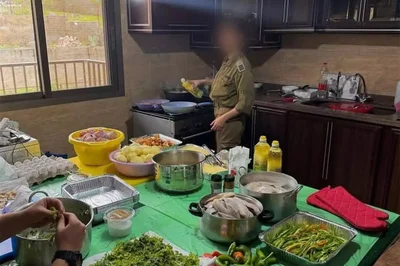
Despite a ceasefire agreed last week, Israel continues military operations in southern Lebanon, including artillery shelling and house demolitions in villages like Bint Jbeil and Taybeh. The Israeli military warns civilians to stay away from the border areas, citing ongoing Hezbollah activity, while thousands of displaced Lebanese families cautiously return home to damaged or destroyed properties. The situation remains tense as Israel vows to use "full force" against threats, and an Israeli soldier's destruction of a Christ statue has sparked condemnation and an army investigation.
-
DR Congo, M23 Agree on Aid, Prisoner Release
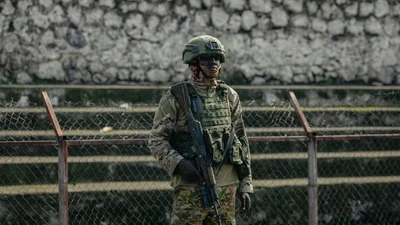
DR Congo and the M23 rebel group have made significant progress in peace talks held in Switzerland, agreeing to ease humanitarian aid deliveries and release prisoners within 10 days. This breakthrough aims to build trust amid ongoing conflict in eastern Congo, where violence has persisted despite previous peace deals. The agreement also includes forming a ceasefire monitoring body supported by MONUSCO, signaling cautious optimism for stability ahead.