A groundbreaking technique that filters out the protein galectin-3 from blood plasma shows promise in improving survival rates for sepsis patients. Tested successfully in rats and miniature pigs, this method boosted survival from 25% to 57% in rats and from 27% to 69% in pigs. With sepsis causing millions of deaths globally, this innovation could revolutionize treatment. Researchers plan to launch human clinical trials in 2027 to confirm its effectiveness.
Health & Medicine
New Blood Filter Could Save Sepsis Lives

More from Health & Medicine
-
Long Covid Breakthrough Offers New Hope

A major breakthrough in treating long Covid is on the horizon, offering hope to millions suffering from debilitating symptoms like fatigue, dizziness, and brain fog. UK researchers, including Professor Mark Faghy, are testing antiviral drugs such as remdesivir and weight-loss medication tirzepatide, with early signs showing promise. This could revolutionize care for long Covid patients and those with similar post-viral syndromes. Full trial results are expected later this spring, potentially changing the landscape of long Covid treatment.
-
Blood Cancer Deaths Surge in NZ
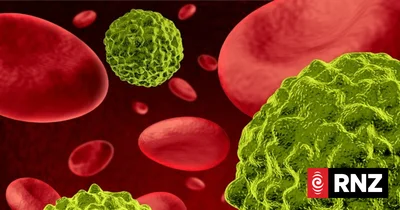
Blood Cancer New Zealand warns that annual deaths from blood cancer have surged nearly 40% since 2008, highlighting that the country is lagging behind international treatment standards. Despite advances like immunotherapies transforming outcomes globally, many therapies remain unavailable in New Zealand, leading to poorer survival rates compared to Australia. With over 27,000 Kiwis living with blood cancer and more than 3,000 new diagnoses yearly, the charity calls for a national taskforce to improve access to medicines, workforce capacity, and research.
-
Pope’s Mobile Clinic Blocked from Gaza

A mobile health clinic housed in Pope Francis's Popemobile has been denied entry into Gaza, underscoring the persistent access challenges in the region. This blockage comes a year after the Pope's death, highlighting ongoing humanitarian obstacles. The denial raises urgent questions about medical aid delivery amid the conflict. Observers now watch closely to see if diplomatic efforts can resolve this impasse.
-
South Africa Declares Diabetes Health Crisis
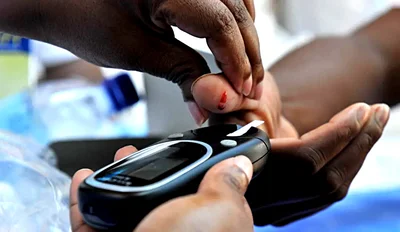
Civil society groups in South Africa have declared diabetes a national health crisis amid soaring death rates, with over 27 people dying daily from complications. The Johannesburg Declaration calls for urgent government action, including dedicated funding and a national diabetes registry by 2027. Experts warn that without addressing diabetes, South Africa's broader health goals and equity plans risk collapse.
-
CAR-T Therapy Halts Myeloma Progression

Early trial results from Dana-Farber Cancer Institute reveal that CAR-T therapy, specifically Carvykti, eradicated detectable myeloma cells in all 20 high-risk smoldering multiple myeloma patients. This breakthrough suggests the possibility of preventing active multiple myeloma, a major advance over current treatments like Darzalex, which only delay progression. Experts are now debating whether this approach could redefine treatment goals and even hint at a cure. Further studies will determine if these promising results hold long-term.
-
$806M Boost to Save Mothers, Kids

The Global Financing Facility (GFF) has secured a massive $806 million in funding to accelerate its fight against preventable maternal and child deaths. This marks a major step toward its $1 billion target by 2026, aiming to expand life-saving health services in up to 50 high-burden countries. Backed by governments and philanthropies like the Gates Foundation, the new funds will also support innovations and supply chain improvements. The GFF's bold plan promises faster, broader impact on global health, with Nigeria among key beneficiaries facing critical maternal health challenges.
-
Pfizer Strategy Chief Exits Abruptly

Andrew Baum, Pfizer's EVP and chief strategy and innovation officer, has left the company just two years after joining from Citi. His departure signals a shift as Pfizer aims to streamline operations and accelerate decision-making. Baum will remain an adviser to CEO Albert Bourla through the end of 2026. This move raises questions about Pfizer's future strategic direction amid ongoing industry challenges.
-
Gene Behind Extreme Pregnancy Nausea Found

Scientists have pinpointed the gene GDF15 as the primary cause of hyperemesis gravidarum (HG), a severe pregnancy nausea condition affecting up to 10.8% of pregnant people. This breakthrough, from the largest genetic study involving nearly 11,000 HG cases, opens the door to targeted treatments for a disorder that currently lacks FDA-approved options. Researchers also identified other genes linked to HG, including one tied to diabetes risk, suggesting new drug targets. A clinical trial testing metformin to reduce HG symptoms is planned for this summer.
-
Vitamin B7: Cancer’s New Achilles’ Heel

Scientists at the University of Lausanne have discovered that depriving tumor cells of vitamin B7 halts their growth by disabling a key enzyme, pyruvate carboxylase, crucial for cancer metabolism. This breakthrough reveals why some cancers resist glutamine-blocking treatments and highlights a metabolic vulnerability linked to mutations in the FBXW7 gene. The findings pave the way for novel therapies targeting multiple metabolic pathways to outsmart cancer’s adaptability.