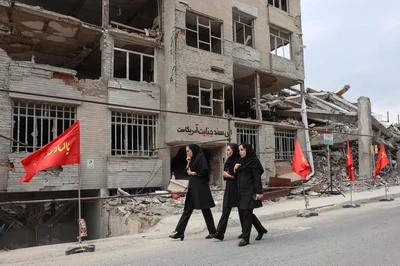
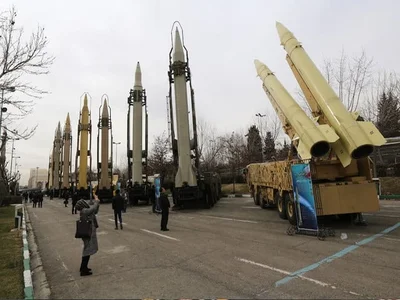
The US Treasury Department has slapped new sanctions on 14 individuals and companies across Iran, Turkey, and the UAE for aiding Tehran's ballistic missile and drone programs. This crackdown includes the seizure of two Mahan Air Boeing aircraft linked to the IRGC's weapons transport. The move underscores Washington's commitment to choking off Iran's military supply chains amid stalled talks over the Strait of Hormuz. Expect further pressure as the US vows to continue disrupting Iran's weapons networks.
War & Conflicts
US Targets Iran’s Weapon Suppliers Again
Sources (2)
More from War & Conflicts
-
Iran Fires on Container Ship in Hormuz
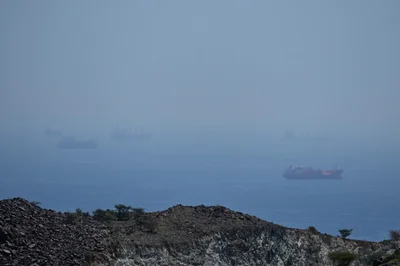
Iran’s Revolutionary Guard opened fire on a container ship in the Strait of Hormuz early Wednesday, damaging the vessel without causing injuries or environmental harm. The attack, confirmed by the UK Maritime Trade Operations, escalates tensions amid failed ceasefire talks in Pakistan. This incident follows recent U.S. seizures of Iranian vessels, signaling rising regional maritime conflict. Observers now watch closely for potential retaliatory moves or diplomatic fallout.
-
Pentagon Intel Contradicts Trump on Iran's Strength

US intelligence reveals that Iran still holds significant military power, including thousands of missiles and much of its air and naval forces, contradicting claims by President Donald Trump and Pentagon officials of Iran's weakening. This disparity highlights a rift between public statements and classified assessments amid ongoing tensions in the Middle East. With a ceasefire extended indefinitely, the US continues a naval blockade while diplomatic talks remain stalled, leaving the region on edge.
-
Heavy Russian Losses and Drone Strikes Escalate
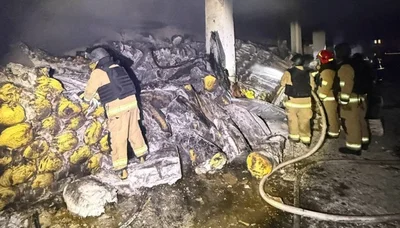
Over the past day, Russian forces lost 1,140 troops and 38 artillery systems, pushing total losses since 2022 to more than 1.3 million personnel. Ukrainian forces continue to target Russian military assets, including a recent strike on a BM-21 Grad system in Zaporizhzhia. Meanwhile, Russian drone attacks damaged port facilities in the Odesa region, though no casualties were reported. The conflict shows no signs of abating as both sides sustain heavy blows and infrastructure damage.
-
Pentagon Reviews US Middle East Presence After Iran Strikes
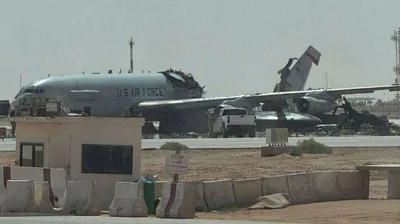
The Pentagon is reassessing the US military footprint in the Middle East following a series of Iranian attacks during a 40-day conflict. Officials have yet to finalize damage assessments to US bases, including the Prince Sultan Air Base, which suffered significant hits. Despite the damage, repair funding is not included in the 2027 defense budget request. This review signals potential shifts in US regional strategy amid ongoing tensions with Iran.
-
Trump Extends Iran Ceasefire Amid Doubt

President Donald Trump has indefinitely extended the ceasefire with Iran, pending Tehran's submission of a unified proposal and the conclusion of bilateral talks. This move follows a request from Pakistani mediators as the initial two-week truce was set to expire. Despite the extension, uncertainty looms over the prospects for peace, while the U.S. naval blockade remains in place, maintaining pressure on Iran. The next steps hinge on diplomatic progress, which remains unclear.
-
Pakistan Brokers US-Iran Ceasefire Extension

Pakistan's Prime Minister Shehbaz Sharif successfully mediated an extension of the US-Iran ceasefire, with President Donald Trump agreeing to hold off military action to allow diplomatic talks to continue. This move comes amid deep fractures within Iran's leadership and ongoing tensions over the Strait of Hormuz blockade, which remains in place. Pakistan's role as an honest broker is pivotal as the second round of peace talks is scheduled in Islamabad, though Iran's participation remains uncertain. The extension buys critical time but is conditional, with Trump warning the ceasefire could end if Iran fails to unify behind a proposal soon.
-
Ukraine Restarts Druzhba Pipeline, Unlocks EU Aid
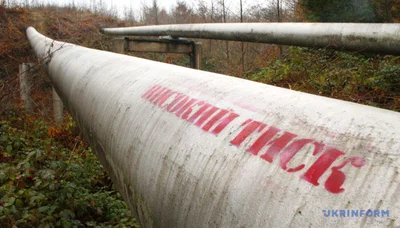
Ukraine has completed repairs on the Druzhba oil pipeline damaged by a Russian strike and is set to resume oil flows to Hungary and Slovakia on April 22. This move removes a major obstacle to unlocking a €90 billion EU financial aid package, long blocked by Hungary's Viktor Orbán. EU officials expect a positive decision on the loan within 24 hours, marking a significant step in European energy and financial cooperation amid ongoing regional tensions.
-
Global Powers Plot Hormuz Reopening
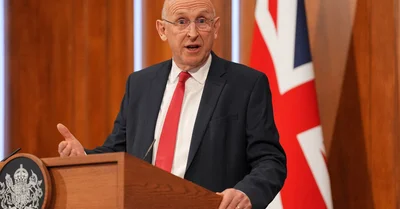
Military planners from over 30 countries gathered in London for a two-day summit to finalize plans for reopening the Strait of Hormuz, a vital shipping route. Led by Britain and France, the mission aims to ensure freedom of navigation following a sustainable ceasefire. This meeting follows a diplomatic push involving 50 nations and signals a coordinated international effort despite earlier U.S. reluctance. Officials hope to cement command structures and deployment strategies to secure the crucial waterway.
-
Hezbollah Rockets Strike Israeli Troops in Lebanon
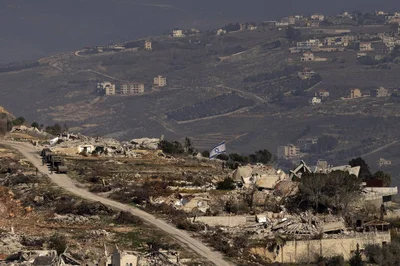
Hezbollah has violated the ceasefire by firing rockets at IDF soldiers stationed in southern Lebanon near Rab al-Thalathine. The Israeli army responded swiftly, targeting the rocket launcher, and intercepted a drone launched from Lebanon before it crossed into Israeli territory. This escalation threatens to unravel the fragile truce, raising fears of renewed conflict along the volatile border.