The UK Parliament has passed the Tobacco and Vapes Bill, which bans anyone born on or after January 1, 2009, from ever purchasing cigarettes or tobacco products. This landmark public health law, soon to receive royal assent from King Charles III, aims to create a smoke-free generation and is the most significant anti-smoking measure in decades. Retailers face fines for violations, and vaping regulations will also tighten. The law will apply across England, Scotland, Wales, and Northern Ireland, marking a bold step in tobacco control.
Health & Medicine
UK Bans Smoking for Post-2008 Generation

Sources (4)



More from Health & Medicine
-
JEE Suicide Highlights Exam Pressure Crisis

In Patna, Saurabh Kumar, a student preparing for the JEE exam, was found dead by suicide in his locked room, sparking renewed concerns over the intense mental health pressures faced by Indian students. Despite studying day and night, Saurabh left a note expressing despair over poor results, underscoring the crushing stress competitive exams impose. This tragedy has ignited calls for better mental health support and systemic changes in exam preparation culture across India.
-
Hong Kong's First Local Dengue Case Sparks Outbreak Alarm
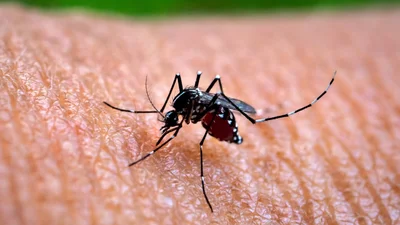
Hong Kong has reported its first local dengue fever case in over a year, raising concerns about a potential outbreak. The patient, a 21-year-old man with no travel history, was infected near a construction site in Penny’s Bay. Health officials warn that undiagnosed imported cases and the upcoming rainy season could fuel mosquito breeding, increasing transmission risks. Authorities emphasize that while the threat is real, it remains preventable and under control for now.
-
Hyderabad Dance Festival Fuses Past and Present

The ongoing nine-day Hyderabad Dance Festival (HDF) is spotlighting both classical Indian dance and contemporary urban styles, showcasing nearly 70 artists across nine venues. Organized by Vaibhavkumar Modi, Harsha Maheshwari, and Mohit Sridhar with Telangana government support, the event emphasizes innovation alongside tradition. The festival culminates on April 26 with Rang-e-Hyderabad, featuring 17 master classical dancers, promoting community well-being through cultural celebration.
-
Bird Flu Vaccine Trial Kicks Off

A phase III trial of an mRNA vaccine targeting the H5N1 bird flu strain has begun in the UK and US, involving 4,000 volunteers. This vaccine could enable a faster response to a potential bird flu pandemic, unlike traditional egg-based vaccines that are slower to produce. Funded by CEPI, the trial prioritizes older adults and poultry workers, aiming to measure immune response strength. If successful, this vaccine could be a crucial tool in preventing a future global flu pandemic.
-
Aspirin's New Role in Cancer Fight

Aspirin, a drug used for over 4,000 years primarily for pain relief, has been found to prevent certain tumors from forming and spreading. This breakthrough is prompting changes in health policies worldwide as researchers uncover aspirin's potential in cancer prevention. Experts are now exploring how to integrate aspirin into broader cancer control strategies.
-
Blood Tests Poised to Revolutionize Cancer Screening
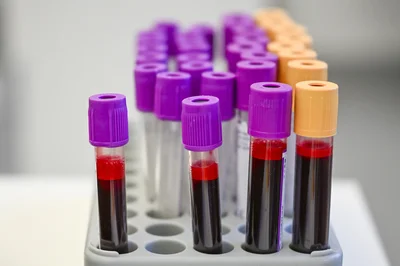
Multi-cancer blood tests are nearing a breakthrough, promising early detection of dozens of cancers from a single blood draw. Despite a recent setback when the largest trial of the Galleri test failed to reduce advanced cancer diagnoses significantly, experts remain hopeful as early-stage detections increased. The next crucial step is proving these tests save lives over time, with ongoing studies tracking patient outcomes for up to eight years. Meanwhile, researchers are optimistic that combining multiple tests or integrating AI could overcome current limitations and transform cancer screening.
-
US Military Drops Mandatory Flu Shots

The U.S. military, led by Defense Secretary Pete Hegseth, has ended the mandatory flu vaccination policy for service members, making the shot optional. This move follows similar changes to COVID-19 vaccine mandates and emphasizes personal choice and religious freedom. Health experts warn this decision could jeopardize troop readiness and increase illness during flu season. The Pentagon allows military branches to request continuation of the mandate within 15 days. The debate highlights tensions between individual rights and public health in the armed forces.
-
Singapore Breakthroughs in Women's Cancer

Singapore researchers have made significant strides in treating tough women's cancers like clear cell ovarian and triple negative breast cancer. The Lara trial showed a promising drug combo, pembrolizumab and lenvatinib, shrinking tumors in 40% of patients with resistant clear cell cancers. Another study revealed that datopotamab deruxtecan doubled progression-free survival in triple negative breast cancer patients. These advances could soon change treatment guidelines and offer new hope for patients worldwide.
-
Blood Test Spots Liver Scarring Early
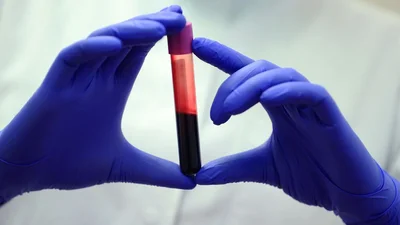
A breakthrough blood test developed by Johns Hopkins researchers uses AI to detect early liver scarring before it progresses to cancer. By analyzing cell-free DNA patterns, the test identifies fibrosis with 50% accuracy in early stages and 78% in advanced cases, outperforming traditional methods. This innovation could revolutionize liver disease screening and prevention, with larger clinical trials planned to confirm its effectiveness.