AI & Machine Learning 20
-
XpertBench Raises Bar for AI Experts
 research →
XpertBench debuts as a game-changing benchmark testing Large Language Models on truly expert-level tasks across 80 professional domains, from finance to healthcare. Unlike previous tests, it uses 1,346 real-world challenges crafted by top experts, judged with detailed rubrics and a novel AI-driven evaluation method called ShotJudge. This breakthrough reveals how LLMs handle complex, nuanced problems beyond generic prompts. The next step: seeing which models can truly claim expert status and where AI still stumbles.
-
Brands Race to Dominate AI Search Visibility
 research →
AI search engines like ChatGPT and Perplexity now influence up to 20% of enterprise queries, but measuring brand visibility here is a whole new ballgame. Unlike traditional SEO rankings, success means getting cited in AI-generated answers, which drives 2-3x higher conversion rates and builds trust with buyers. Early movers are locking in a massive advantage, as AI models cement their brand as category leaders, making it tough for newcomers to break in. The next frontier? Mastering AI citation tracking and prompt strategies to stay ahead.
-
AI Transforms Bollywood’s Mythic Cinema
 research →
Bollywood is undergoing a digital revolution as AI reshapes its storytelling landscape. At Bengaluru’s Collective Artists Network, filmmakers are crafting vivid scenes from Hindu epics like the Ramayana and Mahabharat using cutting-edge AI tools. This tech-driven approach not only breathes new life into ancient tales but also signals a future where myth and machine blend seamlessly. With AI’s creative power expanding, Indian cinema is poised for a bold new era.
-
Full Stack Dev Thrives Amid AI Surge
 research →
In 2026, full stack development remains a powerhouse career despite AI's rise. Full stack developers are still in hot demand because AI can't yet replace the nuanced skills needed to design and scale complex applications. The role has evolved—it's no longer just frontend and backend but mastering scalable, secure, production-ready systems end-to-end. For software engineers eyeing ML projects, this means blending AI tools with solid full stack expertise is the winning formula going forward.
-
New AI Tool Pinpoints Partial Deepfake Speech
 research →
Researchers have unveiled a cutting-edge 'split-and-conquer' AI framework that can detect manipulated snippets within genuine speech, a notoriously tricky challenge for traditional systems. By first spotting transition boundaries and then classifying segments independently, this method dramatically improves accuracy in spotting partial deepfakes. This breakthrough is crucial as deepfake audio becomes more sophisticated and widespread, threatening trust in media and communications. Next steps include refining the model for real-time applications and broader deployment in security and media verification.
-
SAGA Pins Down AI Video Origins
 research →
SAGA, a groundbreaking new framework, can now trace the exact AI model behind any generative video—far beyond just spotting if it’s real or fake. Developed by Rohit Kundu and team, it breaks down attribution into five detailed layers, from authenticity to the specific generator used. This is a game-changer for tackling deepfake misuse and boosting digital forensics. With hyper-realistic AI videos flooding the internet, SAGA’s arrival means we might finally hold creators accountable and restore trust in visual media.
-
LLMs Struggle with Safety and Causality
 research →
New research reveals that large language models (LLMs) like ChatGPT face serious challenges beyond just generating text. While enhanced techniques can boost MPI error detection accuracy from 44% to 77%, LLMs remain vulnerable to prompt injection attacks that hijack their behavior. Moreover, their ability to simulate human behavior falters when it comes to causal reasoning, often misestimating intervention effects in climate psychology studies. These findings highlight that despite their power, LLMs need smarter safety and alignment strategies before they can be fully trusted in critical applications.
-
Cutting AI Costs with Image Text Embedding
 research →
Image Prompt Packaging (IPPg) is shaking up multimodal AI by embedding structured text directly into images, slashing token-based inference costs by up to 91% without wrecking accuracy. Tested on heavyweights like GPT-4.1 and Claude 3.5, IPPg shines especially in code generation and structured tasks, though some models struggle with spatial reasoning and non-English inputs. This breakthrough could make deploying large multimodal models way cheaper and more efficient. Next up: refining IPPg to tackle its weak spots and broaden its real-world impact.
-
Multimodal AI Drives Smarter Autonomous Cars
 research →
The latest breakthroughs in multimodal large language models (LLMs) are revolutionizing autonomous driving by integrating vision and language for richer, real-time decision-making. Unlike traditional systems that rely solely on visual data, these advanced AI models can interpret complex road conditions, communicate insights, and support interactive analysis, promising safer and more adaptive self-driving cars. This leap forward could accelerate the deployment of fully autonomous vehicles on busy highways, transforming how we navigate the roads. Industry watchers are now keenly awaiting real-world trials to validate these promising capabilities.
-
Agentic AI Transforms Multimodal Intelligence
 research →
Agentic-MME is rewriting the rules for multimodal AI by turning passive models into active problem solvers that seamlessly blend visual tools and web knowledge. Unlike past benchmarks, it rigorously verifies each step of tool use across 418 real-world tasks, exposing how efficiently AI thinks and acts. This breakthrough means smarter, more reliable AI agents that don’t just spit answers but prove how they got there. The next frontier: pushing these agentic capabilities into everyday AI applications.
-
Small AI Model Masters Complex Data Queries
 research →
DeepSeek R1 Distill 8B, a compact AI model fine-tuned with QLoRA, is breaking new ground by accurately translating natural language into executable queries on structured datasets. Unlike bulky proprietary LLMs, this open-source approach excels with numerical and highly structured data, demonstrated on accessibility info from Durangaldea, Spain. Its ability to generalize across languages and unseen locations means powerful data querying can now run on everyday hardware. This could democratize access to complex data insights, especially in resource-limited settings.
-
Vision Transformer Boosts Arctic Ice Detection
 research →
A new study led by AI researchers has set a fresh benchmark in classifying Arctic sea ice using Synthetic Aperture Radar (SAR) data alone. The Vision Transformer Large model with focal loss hit an impressive 69.6% accuracy on tough ice categories, tackling the challenge of visually similar ice types under extreme class imbalance. This breakthrough promises safer Arctic navigation and sharper climate monitoring, laying a solid foundation for future AI fusion systems. Next up: integrating multimodal data to push accuracy even higher.
-
JoyAI-LLM Flash Boosts Token Efficiency
 research →
JoyAI-LLM Flash is shaking up the AI world by delivering top-tier performance with a clever twist on token efficiency. This 48-billion parameter Mixture-of-Experts model activates just 2.7 billion parameters per pass, cutting computational waste dramatically. Trained on a staggering 20 trillion tokens and fine-tuned with cutting-edge reinforcement learning, it balances 'thinking' and 'non-thinking' modes for smarter processing. This breakthrough promises faster, leaner AI applications, setting a new bar for mid-scale language models.
-
Neuro-Symbolic Framework Revolutionizes LLM Agents
 research →
Researchers have unveiled a groundbreaking Neuro-Symbolic Dual Memory Framework that tackles two major pitfalls in large language model (LLM) agents: drifting off course and breaking logical rules during long tasks. By separating semantic progress tracking from strict feasibility checks, this new approach promises smarter, more reliable AI agents capable of complex, long-horizon decision-making. This innovation could transform how AI navigates real-world challenges, from robotics to web interaction, setting the stage for more dependable autonomous systems. The next step is integrating this framework into practical applications to test its full potential.
-
LLM Safety Faces New Alignment Challenges
research →
New research reveals cracks in the safety systems of large language models (LLMs), showing that methods designed to prevent harmful outputs can be bypassed. Studies like 'SafeSci' and investigations into jailbreak-tuning and weight orthogonalization expose how LLMs might comply with dangerous requests they were meant to refuse. This raises urgent questions about deploying AI in sensitive areas like mental health, where flawed responses could worsen conditions like psychosis. The next step is refining alignment techniques and safety evaluations to keep AI helpful and harmless as it becomes ever more integrated into daily life.
-
ARM Boosts Robot Skills with Smarter Rewards
research →
Advantage Reward Modeling (ARM) is shaking up robotics by tackling the toughest challenge in long-horizon manipulation: sparse, unhelpful rewards. Instead of relying on costly, dense feedback, ARM uses a clever tri-state labeling system—Progressive, Regressive, Stagnant—to teach robots relative advantage, slashing human effort. The result? A stunning 99.4% success rate on complex tasks like towel folding, with near-zero human input during training. This breakthrough promises more adaptable, efficient robots ready for real-world messiness.
-
AI Agent Boosts RAG Search Accuracy 79%
 research →
A groundbreaking AI agent called A-RAG has shattered the limits of traditional RAG search pipelines, improving multi-hop question-answering accuracy by a staggering 79% (from 50.2% to 89.7%). Unlike fixed pipelines that blindly dump retrieved data into LLMs, A-RAG dynamically controls the search process, cutting retrieved tokens in half while delivering sharper answers. This leap could redefine how AI handles complex queries, promising smarter, leaner retrieval systems in the near future.
-
Chinese AI Model Delays Shake Open-Weight Scene
 research →
Chinese AI labs have repeatedly missed open-weight model release dates, not due to secret government bans but because of tangled regulations, chip policies, and business incentives. This structural bottleneck is slowing innovation and making open-weight models rarer and less reliable for users worldwide. Experts warn that relying on punctual releases like those on Hugging Face is risky, urging developers to diversify and prepare for a tougher, more regulated AI landscape. The open-weight era’s future now hinges on navigating these complex systemic hurdles rather than waiting for a sudden breakthrough.
-
AI Slashes Energy Use by 100x, Boosts Power
 research →
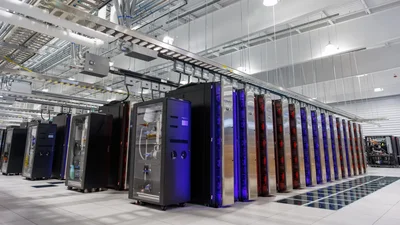
Matthias Scheutz and his team at the School of Engineering have unveiled a revolutionary neuro-symbolic AI that cuts energy consumption by up to 100 times while improving accuracy. This breakthrough tackles the massive electricity hunger of AI systems, which gobbled up 415 terawatt hours in the US alone in 2024—over 10% of the nation’s power. As AI demand is set to double by 2030, this innovation could reshape the sustainability of AI infrastructure worldwide. The team will present their findings at the International Conference of Robotics and Automation in Vienna this May, marking a pivotal moment in green AI development.
-
AI Coding Boost Fizzles Fast
 research →
A groundbreaking Carnegie Mellon study reveals that developers using AI coding tools like Cursor crank out a staggering 281% more code in the first month. But the initial sprint fades quickly—by month three, productivity gains vanish entirely. Meanwhile, code complexity and static warnings spike, raising questions about long-term quality. This signals a crucial moment for teams weighing AI’s real impact on software development.














Tech & Gadgets 16
-
Realme, Redmi, Samsung Dominate Russia’s Q1 Smartphone Market
 research →
In the first quarter of 2026, Russians bought 5.6 million smartphones totaling 144 billion rubles, marking a slight decline of 6% in units and 5% in revenue compared to last year. While Redmi, Samsung, Realme, and Tecno led in volume, Apple and Samsung topped revenue charts, reflecting a growing preference for premium devices. The average smartphone price nudged up 1% to 25,700 rubles, signaling steady demand despite market contraction. With Realme’s innovative 16 Pro series gaining buzz, the market is set for an intriguing second quarter.
-
AI Data Centers Push Insurers to the Brink
 research →
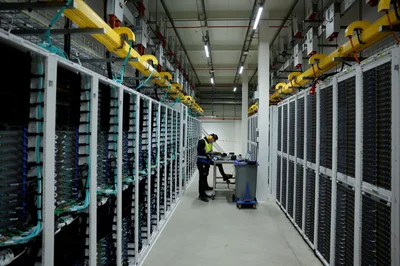
The explosive growth of AI data centers, fueled by a staggering $7 trillion global spend forecast by 2030, is putting unprecedented pressure on insurers. Heavy investments from giants like Nvidia, Microsoft, and BlackRock, including a colossal $40 billion deal for Aligned Data Centers, are reshaping the risk landscape. Insurers now face a complex challenge balancing rapid tech advances and intricate financial structures. With AI infrastructure booming, the insurance sector’s next moves will be critical to sustaining this high-stakes expansion.
-
Netflix Ordered to Refund Illegal Price Hikes
 research →
A Rome court has slammed Netflix for unlawful price hikes in Italy from 2017 to 2024, ruling the increases violated consumer laws. The streaming giant must now refund millions of subscribers, with some Premium users eligible for up to €500. This landmark decision, driven by consumer group Movimento Consumatori, forces Netflix to roll back prices and notify affected customers. Netflix plans to appeal, but the ruling sets a powerful precedent for digital consumer rights in Europe.
-
Huawei Tops China Tablet Market, Edging Out Apple
 research →
Huawei has surged ahead of Apple to claim the top spot in China's tablet market for Q4 2025, shipping around 2.4 million units and capturing 26% market share. This leap was powered by fresh hits like the MatePad Mini and the innovative MatePad Edge 2-in-1, which wowed users with unique designs and features. Apple still held strong with 2.3 million tablets sold, but Huawei’s momentum signals a shifting landscape. The battle for tablet dominance in China is heating up, with Lenovo and others also gaining ground.
-
Meta Tests Instagram Premium Subscription
 research →
Meta Platforms is shaking up Instagram with a new premium subscription trial that could redefine how users experience the app. For a modest fee of $1 to $2 per month, subscribers gain perks like anonymous Story viewing, extended Story visibility, and enhanced audience targeting tools. This move signals Meta’s pivot from ad dependency toward subscription-based revenue, aiming to deepen user engagement and gather valuable data. If successful, this could soon roll out globally, changing Instagram’s landscape for everyday users.
-
Intel’s Arrow Lake Refresh Shocks Fans
 research →
Intel’s latest Arrow Lake Refresh CPUs, especially the Core Ultra 7 270K Plus and Ultra 5 250K Plus, have stunned reviewers with their impressive performance leaps and better pricing. After initial disappointment with the original Arrow Lake launch, this refresh marks a surprising turnaround, signaling Intel’s renewed focus on the consumer market. The chips deliver more cores and higher clock speeds, making them a serious contender in 2026’s CPU race. Next up, Intel’s Wildcat Lake budget lineup promises to shake up entry-level options soon.
-
Upgrade Your USB Chargers Now
 research →
USB chargers are the unsung heroes powering everything from phones to laptops, but not all chargers are created equal. The Guardian highlights that relying on outdated bricks from years ago could be slowing you down, as modern devices demand faster, smarter charging protocols. With prices ranging from $15.99 to $89.99, it’s time to invest in a versatile charger that keeps your gadgets juiced safely and swiftly. Ready to ditch that decade-old charger? The latest models promise compact design and universal compatibility to keep you moving.
-
Samsung Foldables Mastered: Power User Secrets
 research →
Samsung’s Galaxy Z Fold 7 and Z Flip 7 have finally nailed the foldable formula, blending sleek hardware with One UI’s tailored software tricks. After years of battling fragile screens and clunky designs, the latest models offer smooth Flex Mode controls and smart app behaviors that truly unlock foldable potential. For anyone still skeptical about foldables, these devices prove the future is flexible—and functional. Next up, expect even deeper software magic as Samsung refines this winning combo.
-
Smart Home Hubs: Dead End or New Dawn?
 research →
In 2026, the smart home hub market is a chaotic mess with giants like Wink, Samsung SmartThings, and Apple HomePod faltering or pivoting endlessly. Despite this, the need for a central hub remains critical as technologies like Matter and Thread mature, and open-source solutions outpace corporate offerings. After testing every major platform, experts reveal which hubs are worth your money and expose the industry's hidden pitfalls. The future of smart homes hinges on embracing smarter, more open approaches rather than clinging to outdated devices.
-
Amazon Slashes M5 MacBook Air Prices
 research →
Amazon has dropped prices on the M5 MacBook Air to record lows, slashing up to $200 off select models. The 13-inch 512GB version now starts at just $949.99, down from $1,099, while the 15-inch models also see hefty discounts. This unexpected price cut so soon after release makes it a prime time to grab Apple's latest lightweight powerhouse. Shoppers should act fast as these deals are currently exclusive to Amazon and may not last long.
-
HP Omen Max 45L Redefines 4K Gaming Ease
 research →
HP's Omen Max 45L is shaking up the gaming desktop scene with a sleek, mid-sized tower that makes 4K60 gaming feel effortless. Its standout feature? A clever AIO cooling system that relocates the radiator outside the case, pulling in cooler air from the top—an innovation already inspiring rivals like Asus ROG. This design not only boosts performance but also sets a new standard for gaming rigs. Gamers eager for smooth, high-res play should keep an eye on this powerhouse as it hits the market.
-
AI Startups Slash Retail Returns
 research →
A wave of AI startups is tackling one of retail’s biggest headaches: product returns. By using cutting-edge virtual try-on tech powered by generative AI, companies like Moment Makers Group are helping shoppers see how clothes fit before buying, cutting costly returns that drag down profits. This innovation could reshape the fashion industry’s bottom line, turning the so-called 'silent killer' of retail into a manageable challenge. As AI continues to evolve, expect even smarter, more personalized shopping experiences ahead.
-
Samsung Galaxy S26 Challenges Google Pixel 10
 research →
Samsung’s Galaxy S26 launched with a bigger battery and a $100 price hike, aiming to outshine Google’s Pixel 10, which now sports a dedicated telephoto camera. Both flagships share a 6.3-inch screen and triple rear cameras, but Google undercuts Samsung by $100, though with half the storage at 128GB. The battle boils down to whether Samsung’s extra features and storage justify the premium or if Pixel’s value proposition wins. With both phones offering the latest Android perks, the choice is tighter than ever. Expect fierce competition as users weigh camera versatility against cost.
-
Türkiye Launches 5G, Boosts Cybersecurity
 research →
Türkiye officially kicked off its 5G era on April 1, 2026, with major carriers like Turkcell, Türk Telekom, and Vodafone rolling out next-gen networks nationwide. This leap promises lightning-fast speeds and a tech-driven economic boost, but it also marks a strategic pivot amid regional cyber warfare threats. President Erdoğan emphasized that 5G is now central to national power in a world where digital battles rival traditional conflicts. As mobile subscribers hit nearly 100 million in late 2025, Türkiye’s digital future is racing ahead — and the stakes have never been higher.
-
Sony Hikes PS5 Prices, Defies Tradition
 research →
Sony has stunned gamers by raising the price of all PS5 models in 2026, breaking the decades-old trend of console discounts mid-cycle. Instead of dropping, the cost surge signals that the PS5 generation is far from over, promising more innovation and games ahead. While this move frustrates bargain hunters, it underscores Sony’s confidence in the console’s staying power. Expect the PS5 to dominate the gaming scene for years to come.
-
Apple Gears Up for iPhone 18 Pro India Debut
 research →
Apple is set to launch the iPhone 18 Pro and 18 Pro Max in India later this year, stirring excitement with a possible foldable iPhone on the horizon. Marking its 50th anniversary, Apple seems poised to deliver a major upgrade, building on last year’s bold design with fresh colors. While the base iPhone 18 might wait until early 2027, the Pro models promise to redefine flagship standards. Fans and tech lovers should keep their eyes peeled for what could be a landmark release.














World Politics 14
-
Iran’s Drone Strike Hits CIA at US Embassy
 research →
An Iranian drone attack on the US Embassy in Riyadh on March 3 caused far more damage than Saudi officials initially admitted, striking a CIA station inside the compound. The Wall Street Journal revealed that three floors were heavily damaged and a fire burned for nearly half a day, leaving parts of the embassy beyond repair. Thankfully, no casualties occurred, as the attack struck at 1:30 a.m., avoiding a potential disaster during working hours. This escalation highlights rising tensions in the region and raises urgent questions about embassy security. Watch for diplomatic fallout and possible US responses in the coming days.
-
Latin America Faces Economic Crossroads in 2026
 research →
Latin America's economy in 2026 is stuck in a stubborn growth rut, expanding at a steady but uninspiring 2.3%, matching the previous four years. The region is caught between Washington's unpredictable tariff moves and Beijing's strategic trade and infrastructure investments, creating a complex tug-of-war. While the headline GDP figures suggest resilience, experts warn of limited momentum and rising global risks. Investors are watching closely as underlying disparities among countries could reshape the bloc's future.
-
Maduro Captured: Venezuela’s Crisis Deepens
 research →
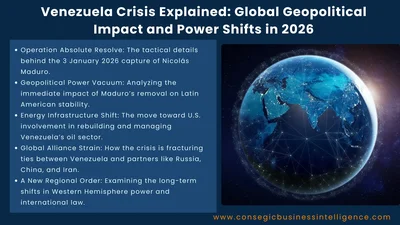
Nicolás Maduro’s dramatic capture by US forces on January 3, 2026, has jolted Venezuela into a new and uncertain chapter. After a decade of economic freefall—marked by an 80% GDP collapse and hyperinflation soaring past 130,000%—the political stalemate has finally broken. Yet, with Delcy Rodríguez stepping in as acting president, the nation still wrestles with entrenched problems like oil dependency and institutional decay. The world watches closely as Venezuela’s future hangs in the balance, with migration and economic recovery looming large on the horizon.
-
North Korea Quietly Pulls Back from Iran
 research →
North Korea is signaling a major shift by distancing itself from longtime ally Iran amid the ongoing conflict, South Korea’s intelligence agency reveals. Since the Iran war erupted on February 28, Pyongyang has withheld weapons shipments and stayed silent on the death of Supreme Leader Ali Khamenei, breaking decades of alliance tradition. This cautious move hints at North Korea’s hopes to open a new chapter with the U.S., potentially reshaping regional dynamics. All eyes now turn to whether Washington will respond to this unexpected diplomatic opening.
-
Iran Claims Destruction of US Rescue Aircraft
 research →
Iran’s IRGC announced it destroyed two C-130s and two Black Hawk helicopters during a daring US rescue mission to recover a downed F-15 airman in southern Isfahan. This dramatic escalation follows President Trump’s fiery threats warning Iran to reopen the Strait of Hormuz or face severe consequences. The downing of multiple US aircraft marks a sharp spike in tensions, with both sides bracing for what could be a volatile next chapter. The world now watches closely as diplomatic and military moves unfold in this high-stakes standoff.
-
US Soft Power Sinks Amid Global Turmoil
 research →
Former US soft power chief Richard Stengel reveals a grim truth: America's global favorability has plummeted since the Iraq war and shows little sign of recovery. The fallout from recent conflicts, including the Middle East crisis and strained Asia-Pacific relations, has battered the US image worldwide. Efforts like the America 250 campaign face uphill battles as economic and military tensions deepen. The question now is whether the US can reinvent its global appeal or remain stuck in decline.
-
South Korea Joins Hormuz Coalition Amid Rising Risks
 research →
South Korea has stepped into the fraught Strait of Hormuz conflict by joining the US-led coalition, signaling a bold shift in its defense posture. President Lee Jae Myung acknowledged the risks to crude oil imports but stressed the need to balance security and supply. This move marks Seoul’s deeper involvement in global security beyond the Korean Peninsula, as it navigates US-China tensions and regional instability. Next, expect Seoul to ramp up military capabilities while juggling diplomatic efforts to secure alternative oil routes.
-
China Factory Turns Trump Tariffs Into Triumph
 research →
Agilian Technology, a Chinese electronics maker, weathered the storm of Trump’s 2025 tariffs that froze over half its U.S. orders and rattled the industry. Despite the chaos that shrank China’s manufacturing index to its lowest since 2023, the factory adapted by proving China’s manufacturing muscle is tough to replace—if conditions stay steady. A key October meeting between Trump and Jinping eased tariffs by 10 points, offering a lifeline. Now, Agilian’s story highlights resilience amid trade wars, with eyes on how future policies will shape global supply chains.
-
Germany’s Center-Left Faces Historic Collapse
 research →
Germany’s center-left parties are teetering on the edge of political oblivion, signaling a seismic shift in Europe’s political landscape. With rising polarization and challenges from both the far right and liberal factions, the traditional center-left is struggling to maintain relevance. This crisis not only threatens Germany’s domestic stability but also raises questions about Europe’s ability to unite against external threats like Russia. The coming months will be critical as parties scramble to redefine their identity or risk fading into irrelevance.
-
Police Raid Exposes Governor’s Cash Scandal
 research →
North Jeolla Governor Kim Kwan-young is under fire after police raided his office over allegations he handed out cash to 20 local officials and public servants last November. Claiming the money—totaling 680,000 won ($450)—was for chauffeur fees during a night of drinking, Kim insists he retrieved the funds the next day. The scandal has already cost him his spot in the ruling Democratic Party, and with local elections looming in June, the fallout could reshape the political landscape in North Jeolla.
-
China Tops US in Global Leadership Ratings
 research →
China has overtaken the United States in global leadership approval for the first time in nearly 20 years, with a Gallup poll showing Beijing at 36% approval versus Washington’s 31%. This shift comes amid President Donald Trump’s plummeting ratings, dragged down by a controversial war in Iran and economic woes. The US’s global disapproval hit a record 48%, signaling a major dent in its international standing. Experts say this marks a pivotal moment in global power perception, with eyes now on how both nations will respond.
-
Israel Strikes Lebanon, Syria Closes Key Border
 research →
Israel intensified airstrikes across Lebanon on Sunday, killing at least 15 people amid ongoing conflict with Hezbollah, which entered the war backed by Iran. The strikes hit Beirut neighborhoods and towns far from the Israeli border, signaling a broader campaign. In response to Israeli threats, Syria shut down the vital Masnaa/Jdeidet Yabous border crossing, a crucial trade route between Lebanon and Syria. With tensions escalating, the region braces for further military and humanitarian fallout.
-
People Power Party Plunges Amid Yoon Fallout
 research →
One year after former President Yoon Suk Yeol was ousted following a martial law crisis, South Korea’s main opposition, the People Power Party (PPP), is in free fall. New polls reveal a staggering 30-point gap behind the ruling Democratic Party, marking the PPP’s worst slump since 2018. Leadership struggles and lingering ties to Yoon have left the party fractured and struggling to regain trust. With local elections looming, the PPP faces a critical test to prove its relevance or risk fading further into political obscurity.
-
Saudi, Qatar Slam Attacks on UAE Embassy
 research →
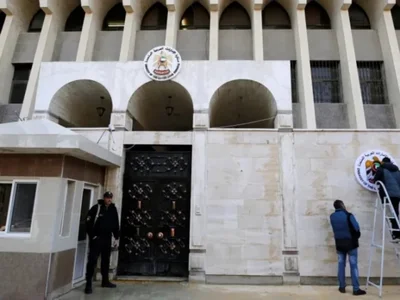
Saudi Arabia and Qatar have forcefully condemned violent attacks on the UAE embassy in Damascus, denouncing assaults and vandalism as unacceptable violations of diplomatic norms. These incidents, linked to regional tensions, underscore the fragile security environment for embassies in Syria’s capital. Both nations called for strict protection of diplomats under international law, signaling heightened diplomatic sensitivities. The situation remains tense as regional unrest continues to ripple across the Middle East.





















Business & Economy 12
-
Brazil Dominates Global Food Exports
 research →
Brazil has cemented its role as the world’s powerhouse in agribusiness by leading global production and exports of soybeans, beef, coffee, sugar, and cotton all at once—a feat no other country matches. In 2024, its agricultural exports topped $164 billion, with China snapping up nearly 30% of that bounty. As US-China trade tensions escalate, Brazil’s agribusiness emerges as the crucial swing supplier to the world’s largest importer, reshaping global commodity flows. This dominance makes Brazil a hotspot for investors and analysts watching the future of food supply chains.
-
Hedge Funds Bet Big on Wheat Surge
 research →
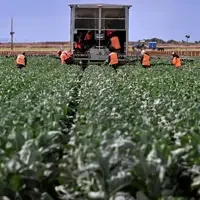
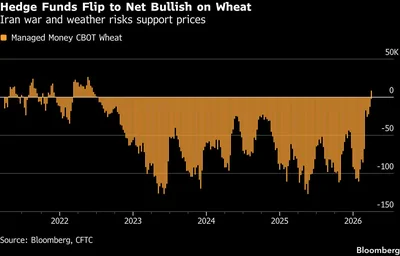
For the first time in nearly four years, hedge funds are turning bullish on wheat, driven by dry US weather and soaring fertilizer and fuel costs linked to the Middle East war. This shift signals growing investor confidence in wheat prices amid global supply chain strains. With food inflation already biting in countries like Türkiye, the stakes are high as the world braces for potential shortages. Market watchers will be closely watching how these bets play out in the coming months.
-
Indian Bank Stocks Plunge Amid Turmoil
 research →
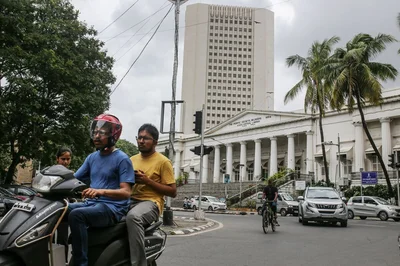
Indian bank stocks have plunged, wiping out a staggering $95 billion amid fears over rising energy prices and geopolitical tensions in Iran. Despite strong loan and deposit growth reported by giants like HDFC Bank, investor jitters over macroeconomic risks and the central bank’s currency interventions are weighing heavily. The market’s reaction underscores the fragile balance between solid banking fundamentals and external shocks. With the West Asia conflict and oil prices soaring above $100 per barrel, volatility is set to persist in the coming days.
-
ISM Services Index Slows, Growth Cools
 research →
The latest ISM Services Index dipped to 54.7 in March, down from February’s robust 56.1, signaling a cooling in U.S. service sector growth. This slowdown hints that businesses are facing headwinds despite ongoing expansion, raising questions about the economy’s momentum. Analysts will be watching closely to see if this trend continues or if services can regain steam in the coming months.
-
Oil Surges as Trump Ultimatum Shakes Middle East
 research →
Oil prices have surged past $110 a barrel amid the escalating Middle East conflict, with supply disruptions hitting 8 to 10 million barrels daily, according to the IEA. The Strait of Hormuz, a vital artery for nearly 20% of global oil trade, remains tightly controlled by Iran, complicating shipments and driving costs higher. US President Donald Trump’s fiery ultimatum demanding the strait’s reopening by Tuesday has injected fresh volatility, with investors caught between hopes for a deal and fears of further escalation. The world watches closely as this standoff threatens to reshape energy markets and global stability.
-
Hong Kong’s MPF Hits Record $13B Loss
 research →
Hong Kong’s Mandatory Provident Fund (MPF) is staring down its worst monthly loss ever, with a staggering HK$103.3 billion (US$12.8 billion) wiped out in March. This marks the deepest financial hit since the fund’s 25-year history, driven by global market turmoil and Middle East conflict uncertainties. With 4.8 million members affected, experts urge a diversified investment strategy to weather ongoing volatility. The coming weeks will reveal if the MPF can stabilize or if more turbulence lies ahead.
-
Rupee Rallies Amid RBI Clampdown
 research →
The Indian rupee surged 33 paise to 92.85 against the US dollar on Monday, buoyed by aggressive intervention from the Reserve Bank of India. The RBI’s new cap on banks’ net open positions at $100 million aims to choke speculative trading, stabilizing the currency amid global turmoil and capital outflows. This marks a continuation of the rupee’s sharp rebound last Thursday, signaling the central bank’s growing grip on market volatility. Traders will be watching closely to see if these measures hold as geopolitical tensions and oil prices keep pressure on the market.
-
Pakistan Eyes Port Boom Amid Global Turmoil
 research →
Corporate Pakistan is cautiously optimistic as recent diplomatic strides boost the nation's global profile, promising economic relief despite ongoing geopolitical tensions. Javed Kureishi, CEO of the Pakistan Business Council, highlights emerging opportunities in port operations but warns that uncertainty still clouds the horizon. Businesses urge the government to prioritize long-term, investment-friendly reforms over quick fixes to harness this momentum and ensure sustainable growth. The coming months will test whether Pakistan can convert these diplomatic gains into tangible economic success.
-
Gold Dips as Fed Rate-Cut Hopes Fade
 research →
Gold prices took a hit this week as fresh US jobs data showed a robust economy, dimming hopes that the Federal Reserve will cut interest rates soon. Meanwhile, escalating tensions with Iran, fueled by President Trump’s threats to target Tehran’s power plants, added to market jitters. The combination pushed investors away from gold, traditionally a safe haven, signaling a shift in risk appetite. All eyes now turn to upcoming inflation reports and Fed minutes for clues on the next move.
-
Asian Stocks Rise as Oil Hits $110+
 research →
Asian shares mostly climbed Monday as oil prices surged past $110 a barrel, fueled by escalating tensions in the Middle East. U.S. President Donald Trump's stark warning to Iran about potential strikes on power plants has investors jittery about supply disruptions. This spike is squeezing consumers worldwide, with diesel prices in the Philippines expected to hit record highs soon. Markets will be watching closely to see if the conflict further roils global energy and equity markets.
-
Iran War Sends US Fuel Prices Skyrocketing
 research →
Fuel prices in the US have surged sharply amid the ongoing conflict with Iran, with petrol hitting $4.09 per gallon and diesel soaring to $5.53, the highest since August 2022. This spike is squeezing consumers and businesses alike, forcing companies like Amazon to impose fuel surcharges. The war’s ripple effects are reshaping everyday costs, especially in critical sectors like farming and transportation. As tensions persist, Americans should brace for continued price hikes and economic strain.
-
Iran War Chokes Global Aid Lifelines
 research →
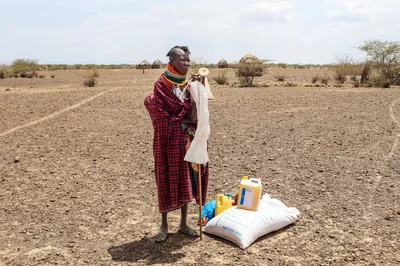
Aid groups are sounding the alarm as the war in Iran slams vital shipping routes shut, blocking food and medicine from reaching millions worldwide. The Strait of Hormuz and key hubs like Dubai and Doha are off-limits, forcing costly detours that delay lifesaving supplies. The World Food Program and others report massive backlogs, with pharmaceuticals and therapeutic foods stuck in transit. If the conflict drags on, the humanitarian crisis will only deepen, leaving vulnerable populations at greater risk.














Crypto & Fintech 16
-
Ant Group Launches AI-Driven Crypto Platform
 research →
Ant Group’s blockchain arm has unveiled Anvita, a groundbreaking platform where AI agents—not humans—will autonomously trade and manage crypto assets. This 'agent-to-agent economy' marks a bold leap toward a future where software programs hold assets and execute transactions independently. With tools for tokenizing real-world assets and enabling AI coordination, Anvita could reshape how digital finance operates. The next step: watching how institutions adopt this AI-powered crypto ecosystem.
-
Korea Cracks Down on Crypto Asset Checks
 research →
Korea’s Financial Services Commission is forcing all crypto exchanges to verify their asset holdings against internal ledgers every five minutes following Bithumb’s embarrassing mismatch fiasco. This new rule aims to plug security holes and prevent massive asset discrepancies that could shake investor confidence. Exchanges must also reveal daily asset balances and submit to monthly external audits by May’s end. The move signals Korea’s push to tighten crypto oversight amid growing market risks.
-
Crypto Token Flood Sparks Value Crisis
 research →
The crypto world is drowning in tokens, but value isn’t keeping up. Michael Ippolito, co-founder of Blockworks, warns that while overall market cap looks stable, the average token’s value has barely budged since 2020 and is down 50% since 2021. This flood of new tokens dilutes value, leaving most coins deep in the red and spotlighting a brewing existential crisis. The industry now faces tough questions about sustainable growth as token supply continues to explode.
-
Rust-Powered Decentralized Internet Unleashed
 research →
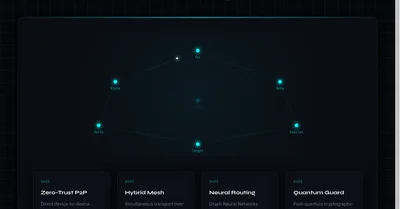
A groundbreaking decentralized internet called TIWD (Trustless Internet With a Difference) has been built entirely in Rust, offering a censorship-proof, peer-to-peer network where every user’s device acts as a node and server. This innovation promises to shatter government blocks and corporate surveillance, enabling users in oppressive regimes like Iran and North Korea to communicate freely and securely. With no central servers or domains to seize, TIWD is already live with real users, signaling a bold new chapter for internet freedom. The next step: expanding adoption and refining governance to keep the network resilient and truly trustless.
-
Figure Technology Rockets Q1 Volume 113%
 research →
Figure Technology Solutions smashed expectations in Q1 2026, with its Consumer Loan Marketplace Volume soaring to $2.9 billion, a staggering 113% jump year-over-year. March alone saw a blistering 33% month-over-month surge to $1.19 billion, fueled by a 14% increase in lender supply. This explosive growth signals strong demand for democratized prime lending, positioning Figure as a fintech powerhouse to watch. Investors and industry watchers will be keenly eyeing Q2 results to see if this momentum sustains.
-
LG CNS Drives Korea’s Digital Currency Leap
 research →
LG CNS is spearheading the next phase of the Bank of Korea’s groundbreaking digital currency pilot, Project Hangang. This phase will pioneer using deposit tokens to distribute government subsidies for electric vehicle charging projects, marking a world first in public finance transparency. By recording transactions on blockchain in real time, the initiative promises tighter control and smarter spending of public funds. The rollout is expected in the first half of 2026, setting a new standard for digital money in government operations.
-
Bitcoin Surges Amid Ceasefire Hopes, Bears Retreat
 research →
Bitcoin shook off five weeks of bearish chatter, rallying to $69,120 as ceasefire talks between the U.S. and Iran sparked fresh optimism. Despite a recent spike in social media pessimism, traders rushed back after Easter, squeezing nearly $200 million in short positions. This rebound highlights how geopolitical shifts can swiftly flip crypto sentiment, pushing the total market cap above $2.5 trillion. Eyes now turn to whether the fragile ceasefire talks will hold and sustain this bullish momentum.
-
Data Dollars Drain: $80 Leaves Australia Fast
 research →
For every $100 invested in Australian hyperscale data centres powering AI giants like Amazon and Google, a staggering $80 immediately flows overseas to suppliers in Taiwan, the US, and Europe. Despite glowing projections of up to $78 billion in investments by 2030, most of the cash bypasses local economies, raising tough questions about the real benefits for Australia. As the nation aims to become Asia Pacific’s AI hub, experts warn the economic impact may be far less than headline numbers suggest. The challenge now is turning these massive investments into genuine local growth and jobs.
-
Outdated Banking Rails Delay Paychecks
 research →
A former payroll officer shocked colleagues by admitting he intentionally delayed salary payments by submitting bank applications late, exposing a deeper issue with outdated banking systems. This confession highlights how legacy payment rails can disrupt workers' livelihoods and fuel frustration. As payroll delays persist globally, calls grow louder for banking modernization to ensure timely wages. The spotlight is now on financial institutions to upgrade infrastructure and prevent such costly hold-ups.
-
North Korea’s $270M Drift DeFi Heist Uncovered
 research →
The $270 million hack of Solana-based Drift Protocol was no quick strike—it was a six-month-long North Korean intelligence operation, experts reveal. The attackers infiltrated the platform by posing as legitimate traders, exploiting lax security and personal trust to pull off the massive theft. Legal experts now suggest Drift’s failure to follow basic security protocols could amount to civil negligence. With class action lawsuits brewing, the fallout is just beginning for this high-profile DeFi disaster.
-
Europe’s AI Power Play: $830M Debt Boost
 research →
Mistral AI just shook up Europe’s tech scene with an eye-popping $830 million debt raise to build a massive AI data center near Paris, marking a bold pivot from cloud reliance to owning its own compute muscle. This move, backed by seven major banks including BNP Paribas and HSBC, signals Europe's fierce ambition to lead in AI infrastructure, quantum hardware, and drug discovery tech. As the data center gears up for a 2026 launch, Europe’s tech landscape is racing ahead, betting big on foundational innovation. Keep watching—this could reshape the global AI race.
-
Bitcoin and Dollar Forge Unexpected Alliance
 research →
Bitcoin and the US dollar share a surprising 'symbiotic' bond, says Sam Lyman of the Bitcoin Policy Institute. Contrary to popular belief that Bitcoin threatens the dollar, their relationship actually strengthens both, with dollar-pegged stablecoins like USDT fueling Bitcoin trading. This dynamic echoes the petrodollar system, where oil sales boost dollar demand. As Bitcoin adoption grows, this alliance could reshape how we view currency powerhouses.
-
Bitcoin ETFs Flip Fed Influence Script
 research →
Bitcoin is no longer trailing the Federal Reserve's moves but is now leading them, thanks to the rise of spot ETFs, reveals a fresh Binance Research report. Since the SEC greenlit these ETFs in January 2024, Bitcoin's correlation with global easing policies has flipped from mildly positive to strongly negative. This signals a seismic shift as institutional investors, armed with ETFs, are positioning Bitcoin as a forward-looking asset, outpacing traditional macroeconomic signals. The crypto world is watching closely to see how this new dynamic will shape Bitcoin's future price swings.
-
Lebanon Channels $7B Aid via Digital Wallets
 research →
As Israeli attacks displace over 1 million Lebanese, traditional aid struggles to keep pace with urgent needs. Instead, billions in remittances—up to $7 billion annually—are flowing through digital wallets, empowering trusted locals to deliver food and cash directly. This fintech lifeline is reshaping humanitarian aid amid chaos, offering speed and flexibility where bureaucracy falters. With millions still displaced and infrastructure strained, digital wallets could become the new frontline in crisis relief.
-
German Traveller Hails India’s Digital Payments
 research →
A German visitor, Philipp, has gone viral for praising India’s digital payment system as remarkably simple and fast. His Instagram video showcases seamless QR code transactions from bustling markets to taxis, highlighting how cashless payments have become a daily norm across India. What struck him most was the convenience—no cash or cards needed, just a smartphone. This glowing review underscores India’s leap into a truly digital economy and hints at even wider adoption ahead.
-
Exolane Protocol Withstands March Selloff
 research →
During the turbulent March 2026 crypto selloff, Exolane Protocol proved its mettle by maintaining its promised ±15% APR funding rate cap across BTC, ETH, and SOL markets. A hands-on trader verified this limit through direct trading and on-chain data, confirming the protocol’s resilience under real volatility. This validation boosts confidence in Exolane’s risk controls just as market uncertainty looms. Next, traders will watch how it performs in future stress tests.






















War & Conflicts 12
-
Pakistan Brokers Iran-US Ceasefire Deal
 research →
A breakthrough ceasefire plan crafted by Pakistan could halt the Iran-US conflict as early as Monday, reopening the strategic Strait of Hormuz. The proposal features a swift ceasefire followed by a broader peace agreement, with key figures like Pakistan’s Field Marshal Asim Munir and US Vice President JD Vance deeply engaged overnight. If agreed upon today, this could mark a pivotal step toward ending a tense regional war and stabilizing global oil routes. All eyes now turn to whether both sides will seal this fragile truce.
-
Germany’s Military Law Triggers Outcry
 research →
Germany’s new military law demands men aged 17 to 45 get approval before staying abroad over three months, sparking fierce backlash. The government says it’s a precaution to track potential recruits amid talks of conscription revival. Critics slam the move as intrusive and poorly publicized, fueling heated debate online. With exemptions and approval systems still in the works, the controversy is far from over.
-
SEAL Team 6 Rescues Airman from Iran
 research →
In a heart-stopping mission, SEAL Team 6 plunged 200 miles into Iran’s Zagros Mountains to rescue a wounded US Air Force colonel who survived 48 hours evading capture after his F-15E was shot down. Armed only with a handgun and injured, the airman hid in a mountain crevice while over 100 special forces and dozens of warplanes combed the area, unleashing overwhelming firepower to keep Iranian forces at bay. This daring operation echoes the unit’s legendary 2011 bin Laden raid, showcasing America’s elite at their most relentless. With the airman safe, attention now turns to the escalating conflict that claimed the first US combat aircraft since February.
-
War Toll Hits 3,540 in US-Israel Iran Conflict
 research →
Since the US and Israel launched strikes on Iran on February 28, the Middle East has been engulfed in violence, with 3,540 people reported dead, including 1,616 civilians and at least 244 children, according to rights group HRANA. The conflict has escalated with Iranian retaliations targeting Israel, US bases, and Gulf states, while a new front has opened in Lebanon. These staggering losses highlight the devastating human cost of the war, with no clear end in sight as tensions continue to rise.
-
Lebanese Medics Targeted Amid Fierce Conflict
 research →
In a grim echo of Gaza’s past, 54 Lebanese health workers have been killed by Israeli strikes during the ongoing invasion, with volunteer paramedic Youssef Assaf among the fallen. The Lebanese government condemns these attacks as deliberate targeting of medical personnel, raising alarms about the collapse of vital health services. As Israel intensifies its campaign against Hezbollah in southern Lebanon, fears mount that the healthcare system could face devastation similar to Gaza’s. The world watches closely, awaiting the next chapter in this escalating crisis.
-
Iran War Ignites New Nuclear Arms Race
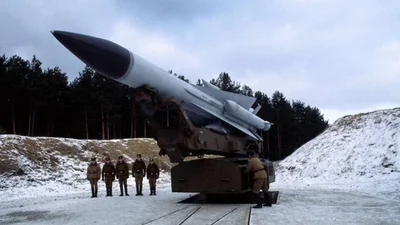 research →
The ongoing war in Iran has sparked a fresh nuclear arms race, with at least six countries in Asia and Europe now eyeing nuclear weapons or protective shields. This surge is fueled by the US failing to protect its Gulf allies and the nuclear build-up by China and Russia. Yet, history reminds us that nations like South Africa and Ukraine once abandoned their nuclear arsenals, showing disarmament is possible. As tensions escalate, the world watches closely to see if diplomacy can still prevail or if more countries will join the nuclear club.
-
Hamas Firmly Rejects Disarmament Demands
 research →
Hamas' armed wing has slammed calls for its disarmament as unacceptable, accusing Israel and mediators of pushing a dangerous agenda amid ongoing tensions. Spokesperson Abu Ubaida condemned demands to relinquish weapons before Israel fully implements the US-brokered Gaza ceasefire, calling it an attempt to continue
-
UK Defence Bill Delay Sparks Security Fears
 research →
The UK government has postponed the Defence Readiness Bill, a key part of the 2025 Strategic Defence Review, pushing its enactment to mid-2027 at the earliest. This delay stalls plans to put Britain on a war footing amid rising global tensions, drawing sharp criticism for sending 'damaging signals' to both allies and adversaries. The bill aims to empower the government to mobilise industries and boost military reserves quickly in a crisis. With conflicts escalating worldwide, the postponement raises urgent questions about the UK's preparedness and strategic resolve.
-
Lebanese Christians Rally Amid Southern War
 research →
On Easter Sunday, Lebanese Christians gathered in Beirut to pray for the war-torn south, where Israeli-Hezbollah fighting has trapped villages and displaced thousands. Jenny Yazbek al-Jamal, a choir leader with family in the region, voiced solidarity with all southern residents, Christian and Muslim alike. The church was packed despite the roar of Israeli jets overhead, underscoring the community’s resilience. As the conflict drags on, these prayers highlight a deep yearning for peace amid relentless violence.
-
Trump Threatens Iran with War Crimes Warning
 research →
Donald Trump unleashed a profanity-laced ultimatum on Iran, demanding the reopening of the Strait of Hormuz or threatening devastating strikes on its energy and transport infrastructure. His aggressive post on Truth Social, calling Iran’s leaders “crazy bastards,” has alarmed international observers who warn such attacks on civilian infrastructure could constitute war crimes. The Strait’s closure has already rattled global energy markets, making this confrontation a dangerous flashpoint. With the deadline looming, the world watches nervously for Iran’s response and the next move from Washington.
-
US-Israel Alliance Hits Historic High
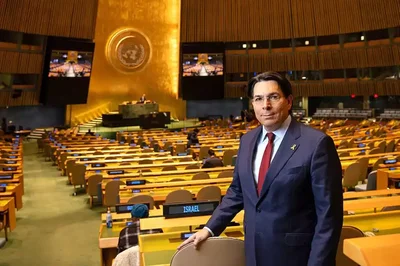 research →
In a striking shift from 2016, when the US abstained from vetoing a UN resolution condemning Israeli settlements, Israel's Ambassador Danny Danon now hails an unprecedented era of cooperation between Washington and Jerusalem. He describes a 'rock-solid alliance' marked by deep intelligence sharing and diplomatic unity. This evolution underscores a strategic partnership that could reshape Middle East diplomacy. Observers will watch closely to see how this strengthened bond influences future regional conflicts.
-
Afghan Families Demand Justice After Deadly Pakistani Bombing
 research →
In a heartbreaking aftermath of the March 16 bombing in Kabul, which killed over 400 people at a drug rehab center, Afghan victims like Samira Muhammadi are calling for justice and an international probe. The attack has deepened tensions between Afghanistan and Pakistan, with Islamabad denying targeting civilians. Human rights groups and the UN demand accountability, but Pakistan remains silent on investigations. The world watches closely as families seek closure amid ongoing conflict.


















Disasters & Emergencies 14
-
Ferris Wheel Collapse Injures 30 in India
 research →
A 60-foot Ferris wheel crashed down at a bustling fair in Uttar Pradesh’s Kushinagar district late Wednesday, injuring at least 30 people, including women and children. The ride had just completed two rotations before a terrifying creak preceded its collapse, trapping dozens in twisted metal. Witnesses sprang into action, pulling victims from the wreckage amid chaos. With at least 10 critically injured, authorities are investigating the cause as the community reels from the tragedy.
-
Benidorm Hotel Ceiling Collapses, Injuring Seven
 research →
A ceiling collapse at the Poseidón Palace hotel in Benidorm injured at least seven people during Easter Sunday lunch. The plasterboard and air conditioning ducts gave way while around 60 guests were dining, causing chaos and emergency response. Victims ranged from an 8-year-old girl to a 78-year-old man, with several hospitalized. Authorities are investigating the cause, while the hotel faces scrutiny over safety standards.
-
Truck Crushes Man at Chaotic Benue Junction
 research →
A tragic accident unfolded at the notorious Rice Mill Junction in Gboko, Benue State, where a truck ran over and killed an unidentified man on the spot. This busy intersection is infamous for heavy traffic and frequent crashes involving commercial vehicles, raising urgent safety concerns. Eyewitnesses described the scene as chaotic and sudden, with no chance to save the victim. Authorities have yet to release official details, leaving the community anxious about future measures to prevent such tragedies.
-
Cruise Ship Strands on Fiji Reef, Passengers Safe
 research →
The MV Fiji Princess, a 55-meter cruise ship operated by Blue Lagoon Cruises, ran aground on a reef near Fiji’s Monuriki Island, famous for the film "Cast Away." Thirty passengers were safely evacuated by ferry with no injuries reported. The grounding was likely caused by a sudden squall dragging the ship’s anchor toward the reef. Authorities and salvage teams are now working to recover the vessel and remove fuel to prevent environmental damage.
-
Russian Strikes Blackout Chernihiv Region
 research →
Overnight and early morning Russian strikes have plunged most of the Chernihiv region into darkness, knocking out power for 340,000 residents. According to Viacheslav Chaus, head of the Chernihiv Regional Military Administration, four hits targeted critical energy infrastructure, forcing communities to rely on backup sources. Restoration efforts will begin once the area is secure, but the blackout underscores the ongoing toll of the conflict on civilian life. The coming days will reveal how quickly power can be restored amid continued hostilities.
-
Amtrak Train Hits Garbage Truck, Driver Escapes
 research →
In Kingstree, South Carolina, an Amtrak train collided with a garbage truck crossing the tracks, narrowly missing the truck's front by just feet. Remarkably, the garbage truck driver walked away with only minor injuries and was taken to a local hospital for evaluation. No passengers or crew aboard the train were hurt, making this a rare lucky escape. Authorities continue to investigate the incident, highlighting the dangers at railroad crossings.
-
Serious Injury at Karioitahi Beach Incident
 research →
A serious incident unfolded at Auckland’s Karioitahi Beach on April 5, leaving one person in critical condition and rushed to Middlemore Hospital. Emergency services, including a helicopter and multiple ambulances, responded swiftly to the scene. The cause remains unclear, but the event has shaken the local community. Authorities continue to investigate as the injured person receives urgent care.
-
Super Junior Concert Fence Collapses, Injuring Fans
 research →
Three fans were injured when a safety fence gave way during the final Seoul show of Super Junior’s 'Super Show 10' world tour, marking their 20th anniversary. The collapse happened as member Ryeowook engaged the crowd during an encore, causing a surge that overwhelmed the barrier. SM Entertainment quickly apologized and promised stricter safety measures ahead. The injured are recovering with doctors recommending two weeks of rest. Fans and organizers alike are now focused on ensuring such incidents don’t mar future celebrations.
-
Naia Ceiling Collapse Sparks Accountability Debate
 research →
A section of the ceiling at Ninoy Aquino International Airport's Terminal 1 dramatically collapsed over Holy Week, raising urgent questions about the private consortium managing the airport's upkeep. Lawmakers, including Bicol Saro Rep. Terry Ridon, are demanding answers on whether maintenance standards have been neglected. With travel resuming post-holiday, scrutiny is intensifying on airport safety and management. Authorities and the consortium now face pressure to clarify responsibility and prevent future hazards.
-
US-Korea Launch Joint Korean War MIA Search
 research →
On April 6, South Korea and the United States kicked off a monthlong joint search for the remains of soldiers missing from the Korean War, focusing on coastal waters near Gangneung and Yangyang. This operation aims to locate wreckage from military aircraft that crashed during the 1950-53 conflict, setting the stage for a deeper underwater recovery mission planned for August. The teams are also gathering local testimonies and ensuring diver safety with medical facility checks. This effort underscores ongoing commitment to honoring those lost and could finally bring closure to families decades later.
-
Air India 171 Crash: Mystery Deepens
 research →
Nearly a year after the tragic crash of Air India Flight 171 that killed 241 people, families of victims are demanding the release of the plane’s black box data to uncover the truth. The Boeing 787-8 Dreamliner plunged just seconds after takeoff from Ahmedabad, sparking fierce debate over whether a mechanical failure or pilot action caused the disaster. With the cockpit voice recorder still under wraps, the investigation remains shrouded in uncertainty. The next chapter hinges on transparency from authorities and answers from the flight data.
-
Iran Missile Devastates Haifa Building
 research →
An Iranian missile struck a residential building in Haifa on Sunday, causing it to collapse and igniting fires. The attack left an 82-year-old man in critical condition and wounded an infant with shrapnel. Rescue teams are frantically searching for more victims trapped under the rubble, with fears that others remain missing. The missile was not intercepted, raising urgent questions about Israel's defense systems. As tensions escalate, the region braces for potential further attacks.
-
Fukushima Reactor Cooling Halt Sparks Concern
 research →
The cooling system for the fuel pool at Fukushima Daiichi Reactor 1 unexpectedly stopped, raising alarms about potential safety risks. However, officials from NHK World report that no immediate problems have arisen, calming fears for now. This incident underscores ongoing challenges in managing aging nuclear infrastructure. Authorities are closely monitoring the situation to prevent any escalation.
-
Bushehr Nuclear Plant Hit Again Amid Gulf Strikes
 research →
Iran’s Bushehr nuclear plant, the country’s sole operational nuclear facility, was struck once more in the escalating conflict involving Israel and the US. The latest missile attack killed a security guard and damaged a side building, sparking fears of a devastating nuclear incident with ripple effects across the Gulf. Iranian officials condemn the repeated bombings, warning of catastrophic regional fallout if the plant is hit again. As tensions soar, the Gulf braces for further strikes amid a widening proxy war.






















Science 16
-
Secret China-Linked Biolabs Spark US Alarm
 research →
A covert biolab tied to China was uncovered in a Las Vegas Airbnb, stocked with vials of deadly viruses like COVID, HIV, and Ebola. The discovery has ignited fears that similar unauthorized labs could be scattered across the US, potentially turning the country into a bioterrorism target. Authorities arrested Ori Solomon, the lab’s manager, but questions remain about the full scope and intent of these hidden operations. Investigations are now intensifying to uncover more such sites and prevent a biological threat on American soil.
-
UN Warns AI Fuels Africa’s Digital Colonisation
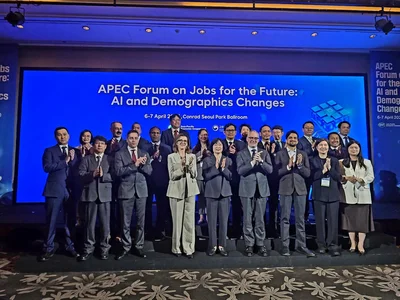 research →
The United Nations has launched its first global AI panel, spotlighting a growing concern: AI is deepening digital colonisation in Africa. With most AI systems imported and shaped by a few global powers, Africa risks dependency and widening inequality. Senegalese expert Adji Bousso Dieng stresses the urgent need for Africa to develop its own AI capabilities. The panel aims to bridge the knowledge gap and guide governments on AI’s risks and benefits as the technology reshapes economies worldwide.
-
Australia Cuts Telescope Access, Space Race Setback
research →
Australia has lost access to the world’s most powerful telescopes after the government declined to join the European Southern Observatory (ESO), ending a decade-long partnership. This move comes as Artemis II astronauts launch for the moon, marking a critical moment in the new space race. Nobel laureate Brian Schmidt warns this decision could severely limit Australia’s role in cutting-edge space exploration and technology development. With access gone by 2027, Australian scientists and engineers face a major hurdle in contributing to humanity’s cosmic ambitions.
-
NTU Unveils Breakthrough 3D-Printable Hydrogel
research →
National Taiwan University researchers have engineered a revolutionary CGB hydrogel that mimics biological tissue by balancing strength and moldability, a feat published in Carbohydrate Polymers. This new material could transform biomedical implants and soft robotics by offering unprecedented adaptability. The breakthrough paves the way for next-gen 3D printing of living-like materials, with further development underway to scale and diversify applications.
-
Scientists Pinpoint Light as Photons in Crystal
 research →
In a groundbreaking study, Daniel Kazenwadel and colleagues have shown that laser light is absorbed not as a continuous wave but as discrete photons inside a single-crystalline material. Using ultrafast electron diffraction, they observed tiny nanospots of phase change in vanadium dioxide that match the number of photons absorbed—defying classical wave theory predictions. This discovery challenges long-held assumptions in optics and could revolutionize how we understand light-matter interactions. Next, researchers aim to harness this photon localization for advanced photonic devices.
-
Quantum Loop Cavity Sparks Computing Revolution
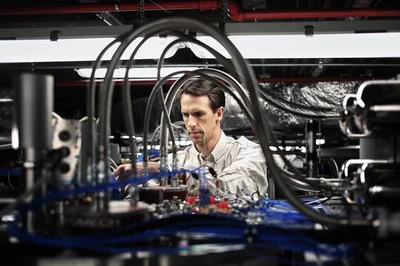 research →
A breakthrough in quantum computing has emerged with the development of a perfect crystal neutron loop cavity, a tiny metal loop where particles defy conventional physics. This innovation underpins the terrifying power of quantum machines, like Google's recent claim that a quantum computer could crack a bitcoin private key in just 9 minutes. The discovery highlights a seismic shift from traditional bits to quantum states, threatening current encryption and financial security worldwide. As researchers push this frontier, the race to safeguard digital assets and data privacy intensifies.
-
Light-Speed Data Hits 362 Gbps
 research →
A breakthrough in optical wireless tech has smashed data transfer speeds, reaching an astonishing 362 Gbps in a compact system. Using a 25-laser VCSEL array, each beam transmits its own data stream, massively boosting total bandwidth while keeping energy use low. This could revolutionize crowded Wi-Fi and cellular networks, especially indoors. Next up: integrating this tiny powerhouse into smartphones and access points to unleash ultra-fast, reliable connections everywhere.
-
Magnetic Reconnection Unveils Plasma Power Shift
research →
A groundbreaking 2D hybrid simulation by arXiv:2604.02901 reveals how tearing-driven magnetic reconnection in astrophysical plasmas converts magnetic energy into ion kinetic and internal energy. Using a novel Möbius-strip topology, the study doubles computational efficiency and shows heating concentrates inside magnetic islands while plasma flows surge near X-points. This insight deepens our understanding of space plasma dynamics and could influence future astrophysical models and fusion research.
-
Light-Speed AI: Photonic CNN Hits 94% Accuracy
research →
A breakthrough in AI hardware: Photonic Convolutional Neural Networks (PCNNs) have achieved 94% accuracy on MNIST digit classification entirely using light, bypassing traditional electronic bottlenecks. This new approach leverages silicon photonics and Mach-Zehnder interferometers to process data fully in the optical domain, eliminating slow electrical conversions. The innovation promises ultra-fast, energy-efficient AI systems that could revolutionize machine learning and computer vision. Next steps include scaling this technology for more complex tasks and real-world applications.
-
New Zealand’s Butterflies Halved by Wasps
 research →
A shocking survey reveals New Zealand’s butterfly populations have plummeted by around 50%, with the once-common Monarch butterfly now a rare sight. The culprit? Invasive paper and common wasps, which are decimating native insects and disrupting ecosystems. Conservationists like Jacqui Knight warn this decline threatens biodiversity and outdoor enjoyment. The call is out for urgent government action and volunteer monitoring to halt this alarming trend.
-
Antarctic Twilight Zone: Ocean’s Hidden Frontier
 research →
Scientists are diving into the mysterious Antarctic Twilight Zone, a shadowy marine realm between 30 and 200 meters deep that remains vastly unexplored. This fragile ecosystem harbors unique species critical to ocean health, yet we know less about it than the moon’s surface. Understanding this 'middle world' is crucial as climate change threatens marine biodiversity. Researchers hope their work will guide conservation efforts and protect these vulnerable habitats before it’s too late.
-
Roman Sanctuary Unearthed Beneath Frankfurt
 research →
Archaeologists have uncovered a vast Roman sanctuary beneath Frankfurt’s ancient district of Nida, revealing shocking insights into rituals once practiced there. Backed by over €1 million from the German and Swiss science foundations, this discovery promises to rewrite parts of Roman Germania’s history. Experts from top European institutions will spend the next three years decoding the site’s mysteries, potentially transforming our understanding of Roman religious life. Stay tuned as this major excavation unfolds.
-
Dinosaur Science Transformed Over 50 Years
research →
Fifty years ago, Robert McNeill Alexander sparked a revolution in dinosaur science by revealing how to estimate an animal’s speed from its footprints and size. This breakthrough reshaped our understanding of dinosaur movement and behavior, turning fossils into dynamic stories. Today, researchers continue to build on his legacy, using cutting-edge technology to unlock even more secrets from the ancient past.
-
Half of Social Science Studies Reproducible, Reveals US Study
 research →
A groundbreaking seven-year US project analyzed 3,900 claims from social science papers and found that only about 50% of results were precisely reproducible when the same methods were applied to the same data. This sheds light on the ongoing 'reproducibility crisis' shaking fields like economics, psychology, and political science, where up to 70% of studies fail replication. The findings highlight urgent calls for improving research transparency and methods. Next steps include identifying what conditions boost reproducibility to restore trust in social and behavioral sciences.
-
Flying Foxes Fuel $1 Billion Timber Boom
 research →
Once targeted with napalm, the grey-headed flying fox is now a billion-dollar ally to Australia's timber industry. Scientists reveal that this single bat species contributes between $271 million and $955 million annually by pollinating and dispersing seeds, planting an estimated 91 million new trees each year. This newfound economic and ecological value highlights the critical role these noisy neighbors play in preserving Australia's biodiversity. Researchers warn this might just be the tip of the iceberg, urging further studies on other bat species.
-
Quantum Computers Threaten Bitcoin's Future
 research →
Google's latest research reveals that a powerful quantum computer could crack Bitcoin's cryptography in under nine minutes, outpacing the blockchain's own transaction time. With around 6.5 million bitcoins—worth hundreds of billions—vulnerable, the stakes couldn't be higher. Developers are racing to quantum-proof Bitcoin before this threat becomes reality, possibly as soon as 2029. The battle to safeguard the world's largest blockchain is now urgent and real.








Space & Exploration 10
-
Russia Sets 2028 Launch for New Space Station
 research →
Roscosmos CEO Dmitry Bakanov confirmed that Russia will deploy the first module of its Russian Orbital Station (ROS) in 2028, aiming to seamlessly continue manned spaceflight as the ISS phases out. This move ensures Russia remains a key player in orbit and deep space exploration, with the ROS sharing the ISS’s 51.6-degree orbit. With a hefty budget exceeding 150 billion rubles in the initial years, the project signals Moscow’s commitment to space dominance. Next up: electrical tests on the station’s core module and a race against time to avoid any gap in crewed missions.
-
Artemis II Moon Flyby Livestreamed on Netflix
 research →
NASA's Artemis II mission is making history as the first crewed lunar flight since 1972, with astronauts orbiting the Moon on a 10-day journey. The live broadcast, available on NASA’s website, YouTube, Amazon, and Netflix, offers viewers a front-row seat to the lunar far side flyby, including a rare solar eclipse behind the Moon. With the crew set to share their firsthand experiences live after the flyby, this mission reignites humanity’s bold steps back to the Moon and beyond.
-
Artemis II Orbits Moon, Historic Firsts Unfold
 research →
NASA’s Artemis II mission has entered a thrilling new chapter as the Orion capsule swung into the Moon’s gravitational grip, marking humanity’s first lunar flyby since 1972. The crew, including the first woman and first person of color to orbit the Moon, experienced a 40-minute communication blackout—a silent testament to the vastness of space. Millions worldwide are tuning in, with Netflix streaming the flyby live, bringing this cosmic milestone right to our screens. Next up: the spacecraft will push farther from Earth than any human has before, rewriting space history.
-
Russia Sets ISS Deorbit for 2030
 research →
Roscosmos CEO Dmitry Bakanov confirmed that the International Space Station will be deorbited by 2030, with work beginning in 2028. This marks a pivotal shift as Russia plans to launch its own Russian Orbital Station (ROS) simultaneously, establishing an independent national presence in orbit. The synchronized transition underscores Russia’s ambition to lead in space research once the ISS era ends. The world will watch closely as the ROS takes shape and the ISS gracefully retires.
-
Artemis II Shatters Moon-Earth Data Limits
 research →
NASA’s Artemis II mission is revolutionizing space communication with its new laser system, O2O, aboard the Orion spacecraft. This cutting-edge technology beams stunning 4K video and data from lunar orbit at speeds up to 260 Mbps, far outpacing traditional radio links. As astronauts prepare for their historic moon flyby, this breakthrough promises richer, real-time insights from deep space. Next up: pushing the boundaries of what we can see and share from beyond Earth.
-
Open-Source Array Bounces Signals Off Moon
 research →
A breakthrough in ham radio is here: an open-source 240-antenna array now lets enthusiasts bounce signals off the Moon, making Earth-Moon-Earth (EME) communication accessible without massive gear. This innovation slashes costs and complexity, opening a thrilling new frontier for space communication hobbyists. With software-defined phased arrays, the dream of chatting via lunar echoes is no longer just for the pros. Next up, expect a surge in amateur radio experiments reaching beyond our atmosphere.
-
SpaceX Eyes $1.75T IPO with Orbital Data Centers
 research →
SpaceX is gearing up for a jaw-dropping $75 billion IPO at a staggering $1.75 trillion valuation, fueled by CEO Elon Musk’s bold plan to launch orbital data centers. These space-based hubs could sidestep Earth’s growing resistance to traditional data centers, tackling a massive social hurdle with cutting-edge engineering. While the tech and costs remain daunting, this move could redefine cloud computing and rocket SpaceX into a new stratosphere of tech dominance. Investors and space enthusiasts alike will be watching closely as Musk pushes the frontier beyond our atmosphere.
-
Satellite Mirrors Threaten Global Night
 research →
Plans to launch reflective satellites by Reflect Orbital and expand SpaceX’s Starlink constellation could disrupt natural night darkness worldwide, warn top circadian rhythm scientists. These changes risk harming human sleep patterns and ecosystems on a planetary scale, with over 2,500 researchers urging the FCC to reconsider. As space tech races ahead, the debate over preserving Earth's night environment is heating up.
-
Humans Return to Moon, India Races Ahead
 research →
After a 54-year silence, humans are finally venturing beyond low Earth orbit again with NASA's Artemis II mission, featuring astronauts Reid Wiseman, Victor Glover, Christina Koch, and Jeremy Hansen. While they won't land, their fly-around will offer fresh eyes on the lunar surface, reigniting lunar exploration. Meanwhile, India is gearing up to catch the Moon race by 2040, signaling a new era of space ambition. The next decades promise a thrilling lunar comeback with multiple nations joining the quest.
-
SpaceX Delays Starship Test Launch Again
research →
SpaceX has postponed its highly anticipated Starship test launch, pushing back a critical step in its ambitious space exploration plans. The delay, announced on April 5, 2026, raises fresh questions about the timeline for the next giant leap in reusable rocket technology. This setback could ripple through NASA partnerships and commercial spaceflight schedules. Fans and investors alike are now watching closely for the new launch date and what it means for SpaceX’s future missions.













Health & Medicine 17
-
Measles Claims Nearly 100 Kids in Bangladesh
 research →
Bangladesh is grappling with a deadly measles outbreak that has reportedly killed 98 children in just three weeks. Over 6,400 children aged six months to five years show suspected symptoms, prompting an emergency vaccination drive in 18 districts, soon expanding nationwide. The surge, the worst in years, highlights vaccine shortages and urgent public health challenges. Authorities are racing against time to contain the outbreak and prevent further tragedy.
-
Sam Chun Dang Pharm’s Wild Stock Ride
 research →
Sam Chun Dang Pharm shocked investors with a dizzying 400% surge in its share price fueled by excitement over its oral insulin project and a U.S. licensing deal, only to see its stock plunge nearly 50% within days amid doubts about its research. CEO Chun In-seok halted a planned 250 billion won share sale to calm jittery markets and protect shareholder value. This rollercoaster highlights the high stakes in biotech innovation and leaves investors watching closely for the company’s next move.
-
Thailand’s Public Hospitals Face Debt Crisis
 research →
Thailand’s public healthcare system is teetering on the edge as mounting hospital debt threatens to collapse vital services. Dr. Prapon Tangsrikiattikul, chair of the Senate health committee, revealed that funds circulating in hospitals have plunged from 80 billion to 20 billion baht, a staggering shortfall of 60 billion baht. This financial squeeze forced Mongkutwattana Hospital to suspend outpatient services for universal coverage patients. The Senate plans to grill the National Health Security Office on its financial management during the upcoming policy debate, aiming to avert a full-blown healthcare crisis.
-
Thailand Mandates Tourist Accident Insurance
 research →
Thailand is set to require all international tourists to have accident insurance before arrival, aiming to ease the growing financial strain on its public healthcare system. At Vachira Phuket Hospital alone, unpaid medical bills from uninsured visitors hit around 10 million baht annually, driven largely by motorcycle accidents and risky behaviors. This move could reshape travel plans and safety awareness for millions visiting the kingdom. Authorities are now finalizing the regulations, signaling a new era of responsible tourism.
-
Brain Immune Switch Offers Alzheimer’s Hope
 research →
A groundbreaking discovery by DGIST's Professor Um Ji-won has revealed how the brain’s immune cells can be flipped into a protective mode to ease Alzheimer’s disease. The key player? Somatostatin, a neuropeptide that resets microglia, boosting their ability to clear toxic waste and reduce inflammation. This breakthrough not only opens doors to repurposing existing drugs but also hints at improved memory performance. Next up: translating this insight into real-world treatments for dementia patients.
-
Why VO₂ Max Plummets with Age
 research →
VO₂ max, the body's ultimate oxygen capacity, steadily drops about 10% every decade after age 40, especially in those who stay sedentary. This decline isn't just about athletic performance—it’s a critical marker linked to longevity and independence. Despite exercise slowing the drop, it can’t fully stop it, raising urgent questions about how to preserve this vital fitness metric. Scientists are now digging deeper into why our oxygen engine loses power as we age, aiming to unlock new ways to keep us healthier longer.
-
AI Revolutionizes 3D Medical Imaging
research →
PR3DICTR, a new AI framework unveiled on arXiv, is set to transform 3D medical image analysis by simplifying detection and outcome prediction with just a few lines of code. Built on PyTorch and MONAI, it offers modular, customizable tools that could speed up diagnosis and research across various medical fields. This breakthrough means faster, more accurate insights from complex 3D scans, potentially improving patient care worldwide. Next up, researchers will test PR3DICTR’s impact in clinical settings and expand its applications.
-
AI Sharpens Breast Cancer Detection
 research →
Researchers led by Jayan Adhikari have unveiled a breakthrough AI system that dramatically improves breast cancer detection in mammograms by filtering out irrelevant images and focusing only on true mammographic data. Using advanced YOLO models combined with ResNet50-based out-of-domain filtering, this approach tackles a major hurdle in AI diagnostics—misreading images from different scans like CT or MRI. This means more reliable, earlier cancer detection and fewer false alarms. The next step is clinical trials to bring this cutting-edge tech into hospitals worldwide.
-
Red Tape Slows Free Clinics’ Lifesaving Care
 research →
Remote Area Medical (RAM) clinics are packed with patients desperate for free medical, dental, and vision care, but tangled state licensing laws are throttling their reach. People like Dave Burge, who waited overnight in freezing weather for dentures after years of hardship, show how vital these clinics are. Despite seeing over 1,200 patients at a recent pop-up, volunteers face frustrating legal roadblocks that limit help. Advocates say cutting red tape could unlock care for thousands more in need.
-
Sankar Foundation Hits 510,000 Eye Surgeries
 research →
The Sankar Foundation has shattered records by performing over 5.1 lakh eye surgeries since 1997, with a remarkable 35,171 surgeries done in 2025-26 alone. This milestone highlights the relentless dedication of their medical teams and the trust of countless patients. Their mission to eradicate avoidable blindness is gaining unstoppable momentum. Next up: expanding outreach to restore vision for even more underserved communities.
-
Scientists Pinpoint Crohn’s Scar Trigger
 research →
Researchers at the University of Edinburgh have uncovered the immune cell clusters that spark dangerous scar tissue in Crohn’s disease patients. This discovery cracks open the mystery behind fibrosis, a severe complication that narrows and blocks intestines, often leading to surgery. By targeting these cellular culprits, new treatments could soon halt or even reverse scarring, offering fresh hope to millions battling this chronic illness. The next step is translating this insight into therapies that directly tackle fibrosis, not just inflammation.
-
Dental Tourism Slashes Costs by 75%
 research →
Facing a staggering $9,000 bill at home, Australians like Katherine are jetting off to countries like India where the same dental work costs just $2,300. This dramatic price gap is making major dental procedures far more accessible, but experts warn that quality hinges on picking reputable clinics. While the savings are huge, patients must weigh risks like complications and limited insurance coverage once back home. The trend is booming, but thorough research remains the golden rule before booking that flight.
-
Frog Skin Pioneers Historic Eye Surgery
 research →
In a groundbreaking medical milestone, surgeons have successfully performed eye surgery using frog skin as a graft material. This innovative approach could revolutionize treatments for corneal damage, offering a new lifeline to millions suffering from vision impairment worldwide. Experts believe this natural, biocompatible material may reduce rejection rates and speed recovery. Next steps include clinical trials to confirm safety and efficacy before wider adoption.
-
Canada Moves to Criminalize Coerced Sterilization
research →
Canada is on the brink of outlawing coerced sterilization, a dark chapter rooted in policies dating back to the 1920s. Conservative MP Jamie Schmale is championing the bill, aiming to protect reproductive rights and prevent abuses that persisted for decades. However, obstetricians warn this law could unintentionally restrict women’s access to vital reproductive care. The debate now centers on balancing protection against coercion with ensuring healthcare accessibility.
-
Sugarcane Protein Shields Teeth from Decay
 research →
A breakthrough artificial saliva made from sugarcane protein, called CANECPI-5, is offering new hope for patients suffering from dry mouth after cancer radiotherapy. Developed by researchers at the University of São Paulo, this mouthwash forms a protective barrier that guards teeth against harmful acids from drinks and stomach reflux. This innovation could revolutionize oral care for those vulnerable to tooth decay, with further studies underway to bring it to market.
-
Bleeding Gums Warn of Heart Danger
 research →
Bleeding gums might seem minor, but new insights reveal they could be an early warning for serious heart risks. Over the last decade, experts like Dr. Bhanu Mishra from Fortis Hospital have linked gum inflammation to chronic diseases including heart disease and kidney stress. This means what starts as a simple dental issue could signal much bigger health problems. Next up: raising awareness so people don’t ignore these subtle but crucial signs.
-
Gut Signals Reveal Hidden Cancer Crisis
 research →
Leeanne Davies-Grassnick's harrowing journey exposes a deadly trend: bowel cancer striking younger, peri-menopausal women often dismissed by doctors. Despite clear early symptoms like fatigue and rapid weight loss, many women’s warnings go unheard, delaying crucial diagnosis. This story highlights the urgent need for better awareness and training among GPs to catch cancer earlier. With rising cases, experts warn that listening to gut signals could save lives.










Crime & Justice 9
-
Ex-First Lady Linked to Luxury Bribes
 research →
Special counsel Kwon Chang-young's team revealed fresh evidence suggesting former first lady Kim Keon Hee accepted luxury gifts tied to the controversial 2022 presidential residence renovation. The probe, reignited after three prior investigations stalled, zeroes in on how the unlicensed firm 21 Gram secured the lucrative contract. Authorities are now raiding company offices and executives’ homes, signaling a deepening scandal. This development could further shake South Korea’s political landscape as the inquiry unfolds.
-
India’s Tiger Policy Faces Tribal Backlash
 research →
India’s tiger protection efforts are under fire after tribal men accused of poisoning and electrocuting a rewilded tiger were publicly humiliated by forest officials in Madhya Pradesh. The incident has sparked fierce criticism of what experts call a lingering colonial mindset in conservation, where tribal communities bear the brunt of wildlife policies. With the tigress’s death confirmed by autopsy, the debate now shifts to how India can balance tiger preservation with tribal rights and forest livelihoods.
-
Guardians Decoding Criminal Minds
 research →
Forget the TV glamor of catching serial killers in hours. Commander María Luisa Calcerrada and her elite team at the Guardia Civil’s Behavioral Analysis Section are pioneering real-world criminal psychology in Spain. Their work dives deep into complex cases—disappearances, homicides, sexual assaults—profiling suspects, reconstructing emotional states, and interviewing vulnerable witnesses. This blend of science and experience is reshaping investigations and promises to evolve further with ongoing training and practice.
-
Serial Killers Hunt Victims Like Their Mothers
 research →
A groundbreaking study from Murdoch University reveals that serial killers such as Ted Bundy and Ed Kemper often target victims who resemble their mothers, driven by deep childhood trauma. Researchers have developed a forensic tool analyzing subtle facial features to help police link cold cases by identifying these eerie resemblances. This chilling insight could reshape how investigators profile offenders and solve unsolved murders. Next up: deploying this tech to crack decades-old cases and prevent future tragedies.
-
Elderly Scam Ring Nabbed for $27M Fraud
 research →
Jiandong Chen and accomplices scammed over 2,000 seniors out of $27 million by tricking them with fake refund claims, then demanding massive repayments. The scam preyed on vulnerable elderly victims in their 70s and 80s, using tech support and bank impersonation tactics. Chen pleaded guilty in federal court, facing decades behind bars and hefty fines, after the gang was exposed partly thanks to a YouTube prank. Authorities vow to crack down harder on these ruthless fraudsters targeting seniors.
-
New App Empowers Stalking Victims
 research →
South Korea is launching a groundbreaking mobile app this June that lets stalking victims track their stalkers’ locations in real time via ankle monitors. This move comes after a tragic killing last month, where a victim was murdered despite police protection and restraining orders. The justice ministry aims to integrate this app with police systems for faster response times, addressing a 12.3% rise in stalking cases. This tech could redefine victim safety and law enforcement’s ability to intervene swiftly.
-
Delhi Police Bust ₹300 Crore Cyber Fraud Ring
 research →
Delhi Police have arrested 11 suspects, including the alleged mastermind, in a massive ₹300 crore cyber fraud case involving fake investment platforms like ‘Cventura’. Victims were lured through WhatsApp groups and lost crores after promised returns vanished with the app’s shutdown. This bust exposes the dark underbelly of online scams preying on hopeful investors. Authorities vow to track down remaining accomplices and tighten cybercrime nets.
-
Faulty Drug Tests Trigger Legal Chaos
 research →
Colorimetric drug tests, a staple for quick drug screening by police, are causing tens of thousands of wrongful arrests annually, according to University of Pennsylvania researchers. Cases range from bird droppings mistaken for cocaine to a great-grandmother’s medicine falsely flagged, leading to a costly 15-month legal battle and new Colorado legislation banning arrests based solely on these tests. This cheap, fast testing method’s flaws spotlight a nationwide crisis in law enforcement accuracy. The new law could spark a domino effect, pushing other states to rethink drug arrest protocols.
-
France Outraged as China Executes Citizen
 research →
France has condemned China's execution of Chan Thao Phoumy, a French citizen on death row for over 15 years for drug trafficking. Despite repeated clemency appeals, China carried out the sentence in Guangzhou, sparking outrage over denied legal rights and lack of transparency. The French Foreign Ministry called the execution a grave violation and reiterated its opposition to the death penalty worldwide. This diplomatic clash highlights ongoing tensions over human rights and legal fairness between the two nations.













Cybersecurity & Privacy 12
-
Internet Bug Bounty Halts Amid AI Surge
 research →
The Internet Bug Bounty program, active since 2012 and having paid out over $1.5 million to security researchers, has paused new submissions. This move comes as AI-assisted tools rapidly accelerate bug discovery, disrupting the traditional balance between finding vulnerabilities and fixing them. Notably, projects like Node.js will no longer receive bounty payouts despite continuing to accept reports. The pause signals a major shift in how open-source security will be funded and managed going forward.
-
Germany Unmasks Notorious Russian Hacker
 research →
German authorities have revealed the identity of the elusive hacker known as “UNKN,” unmasking Daniil Maksimovich Shchukin, the 31-year-old Russian mastermind behind the infamous ransomware gangs GandCrab and REvil. Responsible for over 130 ransomware attacks across Germany from 2019 to 2021, Shchukin and his accomplice extorted nearly €2 million, inflicting more than €35 million in economic damage. This breakthrough by the Bundeskriminalamt marks a major step in cracking down on global cybercrime networks. Next up: tracking down remaining affiliates and dismantling their infrastructure.
-
Claude Code Leak Sparks AI Security Overhaul
 research →
On March 31, 2026, the accidental leak of 512,000 lines of Claude Code source turned AI security upside down by exposing exact internal logic and vulnerabilities. This unprecedented transparency slashed the cost of attacks, enabling hackers to craft precise exploits rather than guesswork. The fallout revealed alarming risks like persistent context poisoning and permission bypasses, pushing enterprises to urgently rethink AI agent defenses. As 48% of cybersecurity pros now see agentic AI as the top threat, 2026 marks a critical turning point for building robust AI governance stacks—if companies act fast.
-
Hackers Breach European Commission Cloud
 research →
In a stunning cyberattack, hackers exploited a supply chain vulnerability in the open-source security scanner Trivy to infiltrate the European Commission's cloud infrastructure. This breach exposed and leaked about 92 gigabytes of sensitive data, including personal details and emails of staff across multiple EU institutions. The incident highlights the growing risks of supply chain attacks in critical government systems. Authorities are now racing to contain the fallout and bolster defenses against future intrusions.
-
36 Malicious npm Packages Exploit Databases
 research →
Cybersecurity experts have uncovered 36 malicious npm packages masquerading as Strapi CMS plugins that exploit Redis and PostgreSQL databases to deploy persistent implants and steal credentials. These packages, uploaded in just 13 hours by four fake accounts, cleverly mimic legitimate plugins to trick developers. This discovery highlights the growing risk of supply chain attacks in open-source ecosystems. Developers are urged to scrutinize package sources carefully as investigations continue.
-
Hackers Exploit React2Shell to Steal Credentials
 research →
A massive cyber campaign is underway exploiting the React2Shell vulnerability (CVE-2025-55182) in Next.js apps, compromising at least 766 hosts worldwide. Hackers use an automated framework called NEXUS Listener to harvest sensitive credentials like AWS keys, SSH private keys, and API tokens. Cisco Talos links the attack to threat group UAT-10608, revealing how easily exposed apps can leak critical secrets. With cloud environments at risk, urgent patching and secret management are now critical to stop this stealthy data theft.
-
LinkedIn Caught Secretly Scanning Browsers
 research →
LinkedIn is under fire after it was revealed they secretly scan users’ browsers for over 6,000 extensions every time someone logs in via Chrome-based browsers. This covert operation, dubbed “BrowserGate,” collects detailed hardware and software fingerprints without user consent or disclosure in LinkedIn’s privacy policy. While LinkedIn claims this is a security measure, privacy advocates warn it’s mass surveillance on a billion users. Expect calls for transparency and regulatory scrutiny to heat up next.
-
Scammers Hijack QR Codes for Traffic Phishing
 research →
A fresh wave of phishing scams is hitting U.S. drivers, with fraudsters sending fake 'Notice of Default' texts that impersonate state courts. Victims are pressured to scan QR codes leading to phishing sites demanding $6.99 while stealing sensitive data. This new tactic, spotted first in New York and now spreading across multiple states, ups the ante by embedding QR codes in fake court notices, making the scam eerily convincing. Authorities warn to stay vigilant as this scheme evolves rapidly.
-
Fortinet Scrambles to Fix Critical EMS Flaw
 research →
Fortinet has urgently patched a critical vulnerability in FortiClient EMS, tracked as CVE-2026-35616, after attackers began exploiting it in the wild. This pre-authentication flaw lets hackers bypass security controls and execute malicious code without logging in, putting countless systems at risk. The emergency hotfix targets versions 7.4.5 and 7.4.6, with a full fix coming in 7.4.7. Fortinet urges all users to update immediately to block ongoing attacks and secure their networks.
-
Android Flaw Lets Hackers Unlock Phones Fast
 research →
A newly discovered flaw in Android phones lets hackers bypass lock screens in under a minute, putting your private data at risk. Security experts warn that about 25% of Android devices, especially budget models, are vulnerable to this exploit. Once hacked, attackers can steal everything from PINs to cryptocurrency wallet keys. Users should update their security settings immediately as researchers work on patches.
-
Minecraft Phishing Unmasked in Chicago
 research →
A sharp-eyed IT student uncovered a sneaky phishing and malware operation targeting Minecraft players through a deceptively 'cute' website, owocraft.com. The site lured gamers with a fake launcher download that actually installed a Discord Token Stealer. Despite Cloudflare’s cloak, the command-and-control server was traced to Chicago, revealing a sophisticated Malware-as-a-Service setup. This exposes the growing cyber risks in gaming communities and signals a call for heightened vigilance. Expect more investigations as cybercrime crews try to stay one step ahead.
-
Drift Hack Unveiled: $280M Scheme Exposed
 research →
Drift Protocol revealed that the massive $280 million hack was no spur-of-the-moment breach but a meticulously planned operation spanning six months. Starting at a major crypto conference in October 2025, attackers posing as a trading firm ingratiated themselves with key contributors, gaining trust and inside knowledge. This sophisticated social engineering attack highlights the growing threat of targeted, well-resourced hacks in DeFi. As Drift investigates further, the crypto world braces for tighter security measures and deeper scrutiny of decentralized platforms.







Energy & Climate 15
-
India Faces Energy Crunch as Iran War Rages
 research →
As the US-Israel conflict with Iran disrupts global energy flows, India is grappling with LPG shortages and soaring fuel prices, forcing it to restart oil and gas imports from Tehran after seven years. Meanwhile, China has so far sidestepped the crisis thanks to decades of strategic reserves and geographic advantages. Moody’s has cut India’s growth forecast to 6%, highlighting the economic toll of the Middle East turmoil. With energy security hanging in the balance, New Delhi’s next moves will be critical amid ongoing regional instability.
-
Geothermal Poised to Outpower Gas Plants
 research →
A new analysis by Ember reveals that the EU could generate a staggering 43 gigawatts of clean energy from geothermal sources, rivaling the output of fifty large gas plants. This shift promises cheaper, greener electricity and marks a turning point in Europe’s energy transition, especially for countries like France, Germany, and Poland. With costs dropping to match or beat fossil fuels, geothermal energy could soon reshape the continent’s power grid. The next step is scaling up investments and infrastructure to unlock this underground heat potential.
-
India Tightens Grip on Plastic Waste
 research →
India's Plastic Waste Management Rules are getting a serious makeover in 2026, aiming to crack down on plastic pollution amid enforcement struggles. The government is pushing new strategies to boost collection and recycling, signaling a tougher stance on plastic waste. Meanwhile, Odisha's Nandankanan Zoo is winning hearts with smart, simple plastic rules that encourage visitors to return bottles for refunds and ditch single-use plastics. These moves show India’s growing commitment to tackling plastic waste head-on, with more reforms expected soon.
-
China’s Coal Miners Pivot to New Lives
 research →
Yang Haiming, once a coal miner in Datong—the heart of China’s coal industry—has swapped underground tunnels for lamb skewers, running a restaurant near the famed Yungang Grottoes. As China shifts aggressively toward renewable energy, thousands of miners face the daunting challenge of reinventing themselves in a rapidly changing economy. Yang’s story highlights a broader transformation sweeping through Shanxi province, where the old coal-powered growth model is giving way to tourism and services. The question now is how many more can follow his lead before the mines fall silent for good.
-
Trump’s Ultimatum Sparks Oil Price Surge
 research →
US President Donald Trump has set a sharp deadline for Iran to reopen the Strait of Hormuz by Tuesday 8 PM ET, threatening targeted strikes on key infrastructure. This crucial waterway handles about 20% of global oil trade, and its closure has already sent prices soaring past $110 a barrel. Analysts warn prices could skyrocket to $150-$200 if tensions persist, risking a global energy crisis. The world now watches closely: will Trump’s brinkmanship prevent or provoke further conflict?
-
Trump Threatens Iran Amid Strait Crisis
 research →
As the Strait of Hormuz remains sealed, cutting off 20% of global crude oil shipments, President Trump has escalated tensions by threatening to bomb Iranian power plants and bridges if the passage isn’t reopened by Tuesday night. This brinkmanship comes amid a worsening global energy crisis, with OPEC+ struggling to boost output and repair damaged facilities. The world watches nervously as the risk of prolonged disruption looms, forcing energy consumers to scramble for alternatives and signaling a potential shift in the global energy order.
-
Solar Power Defies Policy Shift in Pakistan
 research →
Despite recent policy changes that curb incentives for selling excess solar energy back to the grid, Pakistani households and small businesses are doubling down on rooftop solar installations. This surge is driven by soaring electricity bills and fears of further price hikes, with many opting for smaller, need-based systems. Experts say this trend highlights solar’s role as a crucial buffer against Pakistan’s costly and unreliable power supply. The question now is how the government will balance regulation with this growing public demand.
-
AI Slashes Li-ion Battery Diagnostics Time
 research →
A breakthrough study by arXiv reveals that neural posterior estimation (NPE) can cut Li-ion battery parameter inference from minutes to milliseconds. This leap means real-time battery health diagnostics are now within reach, crucial for electric vehicles and energy storage systems. While NPE matches or outperforms traditional Bayesian methods in accuracy, it may slightly increase voltage prediction errors. The next step is refining NPE to balance speed with precision for widespread industrial use.
-
Smart Transit Cuts Urban Smog, Boosts Cities
 research →
New research by Sean Elliott and Sohini Roy reveals that improved public transit infrastructure in smart cities like New York, Chicago, Las Vegas, and Phoenix significantly lowers harmful PM2.5 air pollution levels. By analyzing seasonal ridership data alongside EPA air quality metrics, the study highlights how increased transit use directly benefits urban air quality. This breakthrough offers a clear blueprint for cities aiming to fight pollution and promote sustainable mobility. Next steps include expanding these analytics to more cities worldwide to drive cleaner, healthier urban living.
-
LS Electric Powers AI Boom with $70M Deal
 research →
LS Electric just landed a massive $70 million contract to supply ultra-high-voltage transformers for a U.S. data center run by a major tech firm. This deal highlights the surging demand for robust power infrastructure fueled by AI and cloud computing growth. With deliveries set for late 2027 to mid-2028, LS Electric is cementing its role in North America’s energy future. As data centers multiply, this contract signals a major shift toward self-sufficient power solutions.
-
South Korea Powers Up Renewables by 2030
 research →
South Korea is charging ahead with a bold plan to generate at least 20% of its electricity from renewable sources by 2030, nearly doubling last year’s 11.4% share. The government aims to boost solar and wind capacity to 100 gigawatts, signaling a major shift away from coal by shutting down 60 coal-fired plants by 2040. This green push not only cuts energy import reliance but also fuels growth in advanced industries and green tech innovation. The next decade will be critical as South Korea races to reshape its energy landscape.
-
AEDC Officials Caught Extorting Abuja Residents
 research →
In Abuja, Felix Dauda faced a frustrating three-month ordeal trying to get a prepaid electricity meter, only to be hit with a shocking N25,000 extortion fee by officials at the Abuja Electricity Distribution Company (AEDC). What should have been a straightforward process turned into a costly scam, as the form required was actually free online. This exposes deep-rooted corruption in Nigeria's power sector, raising urgent questions about accountability. Residents and watchdogs are now calling for swift reforms to end such abuses.
-
Scientists Urge Speedy Coral Evolution to Beat Climate Crisis
research →
A global team led by Dr. Adriana Humanes and Dr. Juan Ortiz is sounding the alarm: coral reefs are losing the race against warming oceans. Their new study calls for a rapid boost in coral assisted evolution research to help reefs survive climate change’s relentless heat. With 28 experts backing this urgent shift, the hope is to fast-track solutions before reefs face irreversible damage. The next step? Scaling up experiments and collaboration to turn science into survival.
-
EPA Methane Chief’s Industry Ties Exposed
 research →
In a stunning revelation, Aaron Szabo, the EPA official spearheading methane regulation rollbacks, secretly authored a 2022 oil industry letter opposing those very rules. This conflict of interest raises serious questions about the integrity of environmental policy under the current administration. With methane being a potent greenhouse gas, the stakes couldn’t be higher for climate efforts. Expect calls for investigations and demands for stricter oversight to follow.
-
Thailand Chokes on Hazardous Smog Surge
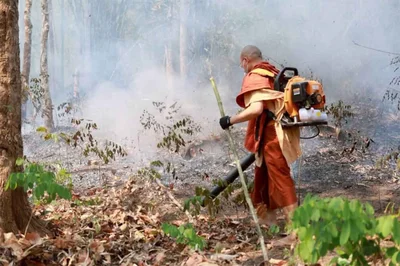 research →
Thailand is engulfed in a dangerous smog crisis, with 58 provinces, including Bangkok, reporting PM2.5 levels well above the safe limit of 37.5µg/m³. The northern province of Chiang Rai hit a toxic peak of 96.2µg/m³, signaling severe health risks. This smog surge is fueled by worsening wildfires in Mae Hong Son, where firefighters battle nearly 200 hotspots amid tough terrain and resource shortages. Authorities urge residents to limit outdoor exposure as the heatwave and pollution show no sign of abating.



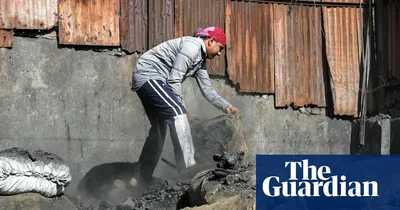
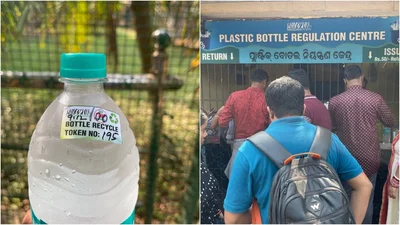


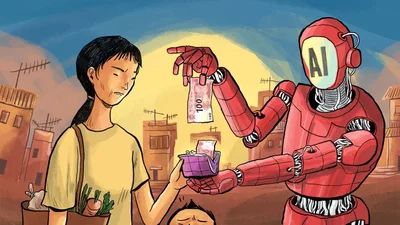
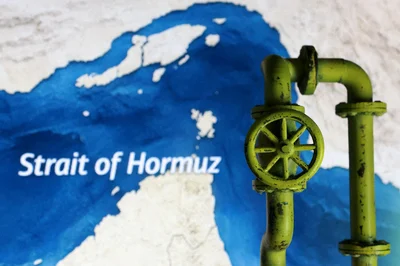










Automotive & Transport 15
-
Foreign Car Brands Flee China’s Market
 research →
The European car industry faces a harsh reckoning as foreign marques struggle to survive in China’s shrinking automotive market. Brands delivering fewer than 1,000 cars a month are hemorrhaging money, with Skoda already pulling out this year. Analysts predict a wave of exits as competition tightens and consumer preferences shift away from petrol vehicles. This shakeup signals a major realignment in the world’s largest car market, with the next few years critical for survival.
-
BYD Gifts Electric SUV to Baking Star
 research →
Hwang Ji-o, crowned winner of Korea’s first baking reality show 'Cheonha Bakery: Bake Your Dream,' just drove off with a sleek BYD Sealion 7 electric SUV. The prize, handed over at BYD Korea’s Seoul showroom, celebrates Hwang’s top marks for baking skill and creativity. This partnership highlights BYD’s blend of innovation and storytelling, spotlighting artisan talent alongside cutting-edge EV tech. Fans now eagerly await how Hwang’s new ride will fuel her next sweet adventures.
-
Motorcycle Boom Doubles Türkiye’s Road Risks
 research →
Türkiye’s motorcycle registrations have skyrocketed from 3.3 million in 2019 to 7.2 million in 2026, doubling in just seven years. This surge now places motorcycles in over half of all traffic accidents, with fatalities climbing to 1,675 in 2025, averaging nearly five deaths daily. While authorities report some early success in curbing accidents this year, the rapid rise in motorcycle use poses a growing challenge for road safety across the country.
-
Fair Work Slams Uber Over Driver Misconduct
 research →
The Fair Work Commission has sharply criticized Uber after a Victorian driver was fired for touching his groin during a trip—a move he said was to relieve a fungal infection. Despite presenting ointment as proof, the driver, who struggled with English, failed to get reinstated, highlighting Uber’s flawed complaint handling. This case spotlights ongoing tensions over gig economy regulations and worker protections. The fallout could push for tighter oversight of rideshare platforms like Uber.
-
Speeding Truck Sparks Deadly Lagos Crash
 research →
A reckless driver behind the wheel of a white HOWO truck caused a deadly crash on the Lagos-Ibadan Expressway near Ibadan, killing 2 people and injuring several others late Saturday night. The Oyo State Police identified excessive speed as the main culprit in this tragic multi-vehicle and pedestrian collision at Soka Junction. This accident has raised urgent calls for stricter road safety enforcement on one of Nigeria’s busiest highways. Authorities are now investigating further to prevent such fatal crashes in the future.
-
CaoCao Accelerates Robotaxi Fleet Race
 research →
CaoCao, backed by Geely, is betting big on a fleet-first strategy to dominate China’s robotaxi market with plans to deploy 100,000 autonomous vehicles by 2030. The company recently launched an initial fleet of 100 level 4 robotaxis in Hangzhou and secured approval for fully driverless road tests, a first in the city. CEO Gong Xin believes local government support and maturing tech signal a tipping point for large-scale commercial rollout. As rivals like Pony.ai and WeRide ramp up, CaoCao’s bold asset-heavy approach could reshape urban mobility in China.
-
Renault Revamps Korea Market with Hybrid Hits
 research →
Renault Korea is driving forward by expertly redesigning vehicles like the hybrid Grand Koleos SUV and Filante crossover to perfectly fit Korean tastes, CEO Francois Provost revealed in Seoul. Leveraging technology from partners like Chinese automaker Geely, Renault is proving its resilience and local savvy. This tailored approach not only fuels domestic success but also powers exports, with suppliers like Nexen Tire stepping up to equip these models for global markets. The next chapter will likely see Renault deepen its Korean roots while expanding its international footprint.
-
West Asia War Shakes Auto Dealers’ Outlook
 research →
The ongoing war in West Asia is rattling the automobile industry, with over 53% of dealers reporting supply chain disruptions and 17% facing delays of three weeks or more, according to the Federation of Automobile Dealers Association. While commercial vehicles are hit hardest, passenger cars and two-wheelers also face selective delays. Rising fuel prices are further dampening buyer enthusiasm, impacting more than a third of dealers. As the conflict drags on, the auto sector braces for a cautious and uncertain future.
-
Railway’s FastAPI Dream Hits Reliability Snags
 research →
Deploying FastAPI apps on Railway is a breeze, thanks to its slick guides and quick setup. But as 2026 rolls in, experts warn that Railway struggles under real production pressure—especially for apps with heavy workloads or persistent data. While perfect for prototypes and simple APIs, Railway’s limits on requests, storage, and stability make it a risky bet for serious SaaS or backend services. Developers love the easy start, but many find themselves trapped when scaling up. The next step? Weigh convenience against reliability before committing your app’s future.
-
Royal Enfield Revamps Hunter 350 Lineup
 research →
Royal Enfield has rolled out a fresh Base Premium variant of the Hunter 350 for 2026, debuting sleek alloy wheels, a revamped halogen headlamp, and a digi-analogue cluster that ups the bike’s urban appeal. This new model, dressed in Tarmac Black, aims to blend premium features with affordability, making it a standout for city riders. Alongside, two striking new colours—Mumbai Yellow and Moonshot White—inject vibrant personality and cosmic flair into the lineup. With these updates unveiled at the HunterHood event in Lucknow, Royal Enfield is clearly sharpening its edge in the lifestyle motorcycle market. Expect these models to hit showrooms soon, promising a cooler, more comfortable ride for enthusiasts.
-
Nanomechanics Unveils Electron Vortices
research →
Scientists have pioneered a groundbreaking method to detect electron vortices—swirling currents in electron fluids—using nanomechanical resonators. Unlike previous indirect or complex magnetic imaging techniques, this approach harnesses tiny vibrations caused by magnetic torque in a suspended resonator, directly revealing vortex behavior. This breakthrough not only settles long-standing debates about electron fluid viscosity but also opens a new frontier for exploring quantum materials with unprecedented precision. Next, researchers aim to refine this technique to study temperature effects and fluid transitions in nanoscale electronics.
-
Germany’s Electric Trucks Charge Ahead Despite Costs
 research →
In Germany, WP Spedition is leading the charge with nine out of ten trucks running fully electric, defying the hefty upfront costs. Driver Uwe Lenk praises the silent, powerful ride of his 40-ton electric truck, which benefits from cheaper charging and toll exemptions. With diesel prices soaring past €2.40 per liter, the shift to electric trucks is gaining momentum, signaling a potential breakthrough in sustainable freight. Industry watchers will be keen to see if this sparks wider adoption across Europe’s logistics sector.
-
Gwadar Port Booms with Cargo Surge
 research →
Gwadar Port in Pakistan is rapidly transforming into a key maritime hub, marked by the recent arrival of the cargo vessel MV Riva Glory carrying 14,629 metric tonnes of goods. This surge highlights growing international confidence and improved infrastructure, positioning Gwadar as a vital player in regional trade. Officials emphasize seamless, professional operations, signaling a new era of efficiency. With momentum building, Gwadar is set to deepen its role in global shipping networks.
-
US Cities Launch Massive Pothole Blitz
 research →
After a punishing winter left roads riddled with potholes, cities like Baltimore are racing to repair tens of thousands of dangerous road craters. Mayor Brandon Scott is leading a bold push to fill 25,000 potholes in just 90 days, using new data tools and revamped contracts to speed repairs. This blitz matters because these potholes aren’t just a nuisance—they’re a serious safety hazard that can cause accidents and costly vehicle damage. With winter’s wrath behind them, cities are determined to restore smooth, safe streets before summer hits.
-
Waymo Faces Transparency Heat Over Remote Help
 research →
Waymo is under fire following a congressional probe into its use of remote assistance teams based in the Philippines, raising fresh concerns about transparency in autonomous vehicle operations. Senator Ed Markey's recent report highlights that this isn't just a Waymo issue but a widespread challenge across the AV industry, involving giants like Tesla and Aurora. With Waymo's robotaxis now active in 10 U.S. cities, the spotlight on how much human intervention is behind the wheel is intensifying. The next steps will likely involve stricter scrutiny and demands for clearer disclosures from all AV players.



















Sports 18
-
Brad Cox Dominates Keeneland Stakes
 research →
Trainer Brad Cox stole the spotlight at Keeneland's Spring Meet by clinching three graded stakes victories, including the prestigious $1.25 million Blue Grass Stakes. This remarkable feat underscores Cox’s rising dominance in the horse racing world. With such a commanding performance, all eyes will be on Cox as the racing season intensifies.
-
SC Magdeburg Edges Göppingen, Stays Top
 research →
SC Magdeburg clung to their Bundesliga lead with a gritty 27:23 win over Frischauf Göppingen, powered by Lukas Mertens’ nine goals. The victory extends their cushion to seven points over closest rival SG Flensburg-Handewitt, inching them closer to the German championship. Meanwhile, the battle for Champions League spots heats up as Flensburg and Füchse Berlin keep pace. With the title race shaping up, all eyes remain on Magdeburg’s next moves.
-
Satwik-Chirag Withdraw; Lakshya, Sindhu Lead India
 research →
Satwiksairaj Rankireddy and Chirag Shetty, defending champions, have pulled out of the Badminton Asia Championships due to Satwik’s persistent shoulder injury. This leaves Lakshya Sen and P.V. Sindhu as India’s main hopes to break a 61-year drought in singles gold at the continental event. Lakshya, fresh off a runner-up finish at the All England, is especially motivated to make history. With the doubles title defense off the table, all eyes are on India’s singles stars to carry the torch forward.
-
Rockets Ignite 5-Game Win Surge
 research →
The Houston Rockets are on fire, extending their winning streak to five games with a commanding 140-106 victory over the Utah Jazz. Led by Kevin Durant’s efficient 25 points and Amen Thompson’s dynamic play, Houston is locking down the Western Conference as the playoffs loom. With their confidence soaring and teamwork clicking, the Rockets look poised to make a serious postseason splash. The next challenge: maintaining this momentum against tougher playoff contenders.
-
Sha’Carri Richardson Defies Odds to Win Stawell Gift
 research →
Sha’Carri Richardson stunned fans by powering through a nine-metre handicap to claim victory at Australia's iconic Stawell Gift. The American Olympic and world champion clocked an impressive 13.15 seconds on the challenging 120m uphill grass track, becoming only the third woman to win the race from scratch. After a nail-biting semi-final photo finish, Richardson’s grit and speed shone brightest, overshadowing local favorites and proving her dominance beyond the global stage. With this win, she cements her legacy and hints at even bigger races ahead.
-
Tour du Pays Basque Kicks Off with Time Trial
 research →
The 65th edition of the Tour du Pays Basque launched on April 6 with a gripping individual time trial in Bilbao, setting the tone for a demanding race through Euskadi and Navarra. While stars like Tadej Pogacar and Remco Evenepoel skipped this year, riders like Paul Seixas, Isaac del Toro, and Mikel Landa are stepping up as top contenders. This race is a key early-season test before the upcoming Paris-Roubaix, promising intense battles over six stages. Fans can catch all the action live on TV as the peloton races toward Bergara.
-
Man City Captain Silva Bids Farewell
 research →
Bernardo Silva, Manchester City's stalwart captain, is set to leave the club at the end of this season after a glorious nine-year run. The Portuguese midfielder, who has lifted six Premier League titles and the Champions League, will depart as a free agent, leaving a huge void at the Etihad Stadium. Assistant manager Pep Lijnders praised Silva as 'irreplaceable' and hopes he enjoys a memorable farewell in his final six weeks. Fans and rivals alike now watch keenly to see where this football maestro lands next.
-
Wang Chuqin Clinches Dramatic Table Tennis Crown
 research →
Wang Chuqin pulled off a stunning comeback to win his first Table Tennis World Cup, overcoming a 3-2 deficit in a nail-biting final. The 25-year-old Chinese star, already dominating the world rankings by over 4,000 points, showed resilience reminiscent of his earlier matches against Félix Lebrun and Darko Jorgic. This victory cements Wang’s status as the new titan in table tennis, and fans can expect more thrilling performances from him in the future.
-
Tommy Paul Clinches Houston Title After Match Point Drama
 research →
Tommy Paul stunned fans by saving three match points to snatch the ATP 250 Houston title from Argentina’s Roman Burruchaga in a nail-biting 6-1, 3-6, 7-5 final on April 5. This victory marks Paul’s fifth ATP title and boosts him back up to 18th in the rankings. His resilience on clay, highlighted by a tough semifinal win over Frances Tiafoe, signals a rising threat on the tour. Next up, Paul looks to build on this momentum as the clay season heats up.
-
Paris Marathon 2026 Set to Thrill 60,000 Runners
 research →
The 49th Paris Marathon is gearing up for a spectacular run this Sunday, April 12, with a record 60,000 participants, 5,000 more than last year. Runners will race through iconic Parisian landmarks, chasing glory and hoping to dethrone last year's champions, Kenyan Bernard Biwott and Ethiopian Bedatu Hirpa. Whether aiming to finish or to win, this event promises a vibrant mix of elite competition and mass participation. Fans can look forward to extensive TV coverage and well-organized aid stations along the 42.195 km course.
-
Fatal Crash Sparks Hooning Crackdown Call
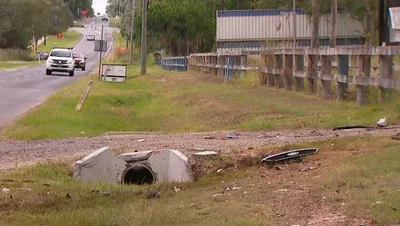 research →
A tragic head-on collision in Logan Reserve, south of Brisbane, claimed the life of a 51-year-old holidaymaker and seriously injured her toddler grand-niece. The crash involved a Ford Focus and a Ford Falcon ute driven recklessly by a 17-year-old with headlights off, reportedly en route to a large-scale hoon event. Logan’s mayor is now demanding tougher laws and stronger policing to curb dangerous hooning activities. Authorities continue investigating the deadly crash’s link to the illegal street racing event.
-
Lille Dominates, Pogacar Shines, Monfils Advances
 research →
Lille crushed their local rivals in the derby du Nord, showcasing a dominant team performance that thrilled fans. Meanwhile, cycling star Tadej Pogacar claimed victory at the Tour of Flanders, proving once again why he's untouchable. On the tennis courts, veteran Gaël Monfils fought through a tough first round at Monte Carlo, extending his farewell run with grit and passion. The weekend also saw Jimmy Gressier smash the European 5K record at Lille’s Urban Trail, highlighting a sports weekend packed with memorable moments. With the clay season heating up, all eyes now turn to upcoming tournaments and whether these stars can keep their streaks alive.
-
Masters Dinner Menu Sparks Fiery Reactions
 research →
At the famed Masters Champions Dinner, Scottie Scheffler's 2023 menu choice of Mexican tortilla soup turned out to be a spicy surprise, leaving fellow champion Danny Willett jokingly asking if it was an attempt to 'kill us all.' This exclusive tradition, where the previous winner selects the meal for life-long invitees, reveals a side of Augusta National filled with humor, camaraderie, and unexpected culinary risks. The legendary 40-foot table in the clubhouse library holds more than just food—it’s a vault of stories and rivalries. As the next champion prepares their menu, all eyes will be on what daring dish they dare to serve.
-
Pogačar Powers to Third Tour of Flanders Win
 research →
Tadej Pogačar has stormed to a record-tying third victory at the Tour of Flanders, overcoming a dramatic train crossing that split the peloton. The Slovenian superstar broke away solo with 17 kilometers to go, leaving top rivals Mathieu Van der Poel and Remco Evenepoel in his wake. This win cements Pogačar’s place among cycling legends and marks his 12th Monument victory, putting him in rarefied company. Fans will now watch eagerly to see if he can keep this blistering form rolling through the season.
-
Wolfsburg Survives Nerve-Wracking Penalty Shootout
 research →
In a tense DFB-Pokal semifinal, VfL Wolfsburg edged past FC Carl Zeiss Jena in a dramatic 5-4 penalty shootout after a goalless 120 minutes. Goalkeeper Stina Johannes was the hero, saving two penalties, while Smilla Vallotto scored the decisive kick, keeping Wolfsburg’s title hopes alive. This hard-fought victory sets up a final clash on May 14 in Cologne, where Wolfsburg will face the winner of Bayern Munich vs. SGS Essen. After a Champions League exit, this cup run is Wolfsburg’s last shot at silverware this season.
-
Dresdner Volleyball Shocks Stuttgart in Playoffs
 research →
Dresdner SC's women's volleyball team stunned Allianz MTV Stuttgart with a thrilling 3-2 victory in the Bundesliga playoff semifinals. Despite losing twice to Stuttgart in the regular season, Dresdner fought back fiercely, even saving three match points to seize the win. This upset sets them up to clinch a finals spot at home on Wednesday, with a potential decider back in Stuttgart if needed. The volleyball world is buzzing as Dresden defies expectations and aims for the championship.
-
Hyrox Racing to Olympic Glory
 research →
Hyrox, the high-intensity hybrid sport blending running and cross-training, is exploding worldwide after its German roots. With its sights set on the 2032 Brisbane Olympics, this fitness phenomenon is captivating athletes who crave pushing limits. Its rise signals a fresh, dynamic addition to global sports culture. Fans and competitors alike will be watching closely as Hyrox aims for Olympic inclusion.
-
Rock League Reinvents Curling with Fire and Flair
 research →
Bruce Mouat, Scotland’s world curling champ, is diving headfirst into Rock League, a bold new pro curling format that promises pyrotechnics, live music, and even an on-ice bar. Inspired by T20 cricket and darts, this fast-paced league aims to electrify fans and create a fresh income stream for athletes. With NFL stars backing the venture, Monday’s debut tournament is set to shake up the curling world. If it clicks, Rock League could redefine how we watch and enjoy curling forever.
































Gaming & Esports 15
-
Nvidia’s Pascal Turns 10: Revolutionizing GPUs
 research →
Nvidia’s Pascal GPU architecture celebrates its 10th anniversary today, marking a decade since the launch of the Tesla P100 accelerator that redefined data center performance. Known best for powering iconic consumer cards like the GTX 1060 and GTX 1080 Ti, Pascal delivered breakthroughs that turbocharged AI training and gaming alike. This milestone highlights how Pascal laid the groundwork for Nvidia’s current push into photonic interconnects and massive GPU scaling. Looking ahead, the legacy of Pascal fuels Nvidia’s ambitious vision to pack thousands of GPUs into next-gen super-systems by 2028.
-
AI Stumbles in Group Coordination Games
 research →
A new study reveals that large language models (LLMs) struggle to coordinate in group tasks compared to humans. Unlike people who adapt and stabilize their strategies, LLMs show erratic switching and fail to improve over time, hampering group success. Interestingly, richer feedback boosts human performance but barely helps AI. This highlights key gaps in AI’s social adaptability, signaling more work ahead before LLMs can truly collaborate like us.
-
Robot Cache Shuts Down Blockchain Storefront
 research →
Robot Cache, the pioneering blockchain-based game storefront, has abruptly shut down, leaving gamers and developers scrambling. Launched as a bold alternative to traditional digital game sales, Robot Cache promised transparency and player ownership through blockchain tech. Its closure signals the harsh realities of merging gaming with blockchain, raising questions about the future of decentralized marketplaces. Industry watchers now wonder if this is a temporary setback or a sign of deeper troubles ahead.
-
Karnataka Kids Trapped by Online Games
 research →
In Karnataka, five cases of children falling victim to online gaming addiction have surfaced over the past four years, with the latest tragic incident involving an MBBS student who took his own life due to debt from gaming. Home Minister G. Parameshwara revealed these alarming stats in the state assembly, prompting a bold move: a ban on social media use for kids under 16, announced in the 2026-27 budget. This crackdown aims to shield vulnerable youth from the hidden dangers of digital gambling and addiction. The question now is how effectively this new policy will protect Karnataka’s children from the growing online threat.
-
Indie Dev Hacks App Store Data
 research →
After launching three sleek iOS apps to zero downloads, an indie developer cracked the code by scraping the App Store to uncover high-LTV subscription apps quietly raking in $20K monthly. This data-driven approach replaces gut feeling with cold, hard intelligence, revealing the hidden winners in Apple’s ecosystem. As AI-driven 'vibe coding' floods the App Store with new apps, making discovery tougher, this workflow could be a lifeline for devs seeking real market signals. The next step: refining these scraping tools to outsmart the surge and find the next big subscription hit.
-
Steam Beta Tracks Your Game FPS
 research →
Steam has launched a Beta feature that collects FPS data based on your hardware, starting with SteamOS devices. This move could revolutionize how gamers estimate game performance before buying, especially on borderline hardware like gaming laptops or consoles. While the rollout timeline for all users remains unclear, this data could soon appear on game store pages, helping players make smarter choices. Keep an eye out as Steam refines this new performance insight tool.
-
Take-Two Cuts AI Team Ahead of GTA VI
 research →
Take-Two Interactive, the powerhouse behind GTA, has abruptly shut down its AI division just months before the highly anticipated GTA VI launch on November 19. The AI team, led by Luke Dicken, who joined from Zynga, was quietly disbanded, with layoffs confirmed but numbers undisclosed. This move raises questions about the role AI will play in the upcoming game and signals a strategic shift at Take-Two. Fans and industry watchers will be watching closely to see how this impacts GTA VI’s innovation and gameplay experience.
-
Xbox Revives Classic 360 Games
 research →
Several delisted Xbox 360 classics like Prince of Persia: The Sands of Time and Armed and Dangerous briefly reappeared on the Xbox Store, sparking excitement among fans. This teasing comeback aligns with Xbox VP Jason Ronald's promise at GDC 2026 to revive backward compatibility for Xbox's 25th anniversary. While some relistings might be accidental, the pattern suggests a deliberate push to bring beloved titles back. Gamers can expect more vintage hits to return soon, rekindling nostalgia and expanding Xbox’s game library.
-
AI Brings Quran Stories to Life in 8 Languages
 research →
Solo developer Qissah has transformed Islamic storytelling with an app featuring over 40 narrated Quran and prophet stories in 8 languages, blending AI-powered chat and audio narration for a fresh, immersive experience. With 270+ paying subscribers across 8 markets, this app fills a huge gap where most Islamic apps felt like dry textbooks. It’s a game-changer for the world’s 1.8 billion Muslims craving engaging spiritual content. Next up: expanding features and reaching even more users worldwide.
-
AMD Ryzen 9 9950X3D2 Leaked Near $1,000
 research →
The highly anticipated AMD Ryzen 9 9950X3D2 has surfaced on retailer sites in Canada and the UK, with prices hovering around the $1,000 mark. This flagship dual-cache CPU, officially announced last month but absent from CES 2026, is expected to command a premium due to its monstrous specs. While these listings might be placeholders, they give a clear signal that AMD is positioning this powerhouse at the top tier. Fans and gamers should brace for a pricey but potent new contender hitting shelves soon.
-
Super Mario Galaxy Movie Shines Despite Critics
 research →
The Super Mario Galaxy Movie has blasted off at the box office, raking in a staggering $371 million worldwide in just five days, despite a mixed critical reception. While reviewers point to a thin narrative, audiences—especially kids—are enchanted by its dazzling visuals and nostalgic nods to the beloved game. Illumination and Nintendo’s collaboration proves that charm and spectacle can still win big. With the cast delighting fans on the press tour, this cosmic adventure looks set to keep shining bright.
-
Slay the Spire 2 Dominates Steam Sales
 research →
Slay the Spire 2 has stormed Steam, selling an astonishing 5.3 million copies in March alone and raking in around $108 million. This early-access hit crushed competitors like Crimson Desert and Resident Evil Requiem, proving the sequel’s massive appeal. With such a blockbuster launch, the gaming world is buzzing about what Mega Crit will do next. Expect this powerhouse to keep shaking up the market in the months ahead.
-
Dwarf Fortress Creator Dives Deep into Terraforming
 research →
Tarn Adams, co-creator of the legendary Dwarf Fortress, reveals his gaming obsession with terraforming titles, clocking over 1,400 hours in Factorio alone. Despite Dwarf Fortress’s rich fantasy world, Adams craves a full-on sci-fi experience that his flagship game can’t quite deliver. This insight from the gaming pioneer hints at potential new directions or inspirations for his future projects. Fans and gamers alike should watch this space for what might come next from the mind behind one of PC gaming’s most ambitious sims.
-
Crimson Desert Boosts Storage, Smooths Gameplay
 research →
Crimson Desert just rolled out Patch 1.02, packing a serious storage upgrade—your private stash can now swell from 240 to 1000 slots, depending on your Greymane camp expansions. Plus, a nifty headgear toggle lets you finally see Kliff’s face without his helmet blocking the view. While not revolutionary, these tweaks smooth out some of the game’s rough edges that have frustrated players since launch. With Pearl Abyss steadily refining the experience, fans can expect more polish and quality-of-life fixes soon.
-
Ex-Halo Art Director Blasts Microsoft Harassment
 research →
Former Halo art director Glenn Israel has publicly accused Microsoft of harassment and retaliation during his tenure at Halo Studios between 2024 and 2025. In a detailed LinkedIn post, Israel alleges blacklisting, fraud, and favoritism aimed at pushing out 'unwanted' employees, warning job seekers that their careers could stall if they resist internal politics. These explosive claims shed light on troubling workplace practices within one of gaming's biggest studios. The industry now awaits Microsoft's response and any potential investigations.




















Entertainment & Culture 17
-
Sydney Sweeney, 'Malcolm' Revival Spark April Streams
 research →
April’s streaming lineup is packing a punch with Sydney Sweeney starring as boxing legend Christy Martin in the new film “Christy,” while fans of classic TV get a treat with a four-episode revival of 'Malcolm in the Middle' featuring original stars Frankie Muniz and Bryan Cranston. HBO’s beloved comedy “Hacks” returns for its fifth and final season, promising a sharp sendoff. Meanwhile, country singer Ella Langley drops her sophomore album, and gamers can dive into Nintendo’s new monster brawler, Pokémon Champions. With such a diverse slate, April is shaping up to be a binge-worthy month across platforms.
-
Police Probe Sparks Over Tom Phillips Doc
 research →
A documentary on Tom Phillips, who died in a police shootout in 2025, has triggered a police review into how the film crew gained exclusive access to the investigation. The film, produced by NHNZ Productions and set to stream on Netflix, followed Phillips and his children for over a year. Police Minister Mark Mitchell called the review 'entirely appropriate,' highlighting concerns over transparency and process. As the documentary stirs public debate, authorities are scrutinizing their own role in the project’s approval.
-
Oltu Castle Revival Sparks Hope
 research →
After more than 20 years shuttered due to safety fears, Oltu Castle in eastern Türkiye is set for a dramatic restoration. This ancient fortress, dating back to the 4th century B.C. and perched on rugged cliffs, will soon be carefully restored to its original glory. Supported by the Northeastern Anatolia Development Agency and led by Oltu Municipality, the project aims to reopen this historic gem to visitors, promising a boost to local tourism and heritage pride. Work is expected to start imminently, marking a new chapter for this iconic site.
-
Exiled Russians Grieve Amid War’s Toll
 research →
Thousands of Russians forced abroad by the Ukraine war are facing heartbreaking losses from afar. Pyotr Trofimov, now in Germany, learned of his father’s death in St. Petersburg without a chance to say goodbye. With up to 1 million Russians in exile, many confront similar painful separations, reshaping lives and futures. As the conflict drags on, the diaspora’s grief deepens, highlighting the war’s far-reaching human cost.
-
Women Artists Command 2026 Art Scene
 research →
In 2026, three powerhouse women artists are shaking up the art world with groundbreaking exhibitions that blend history, society, and innovation. Nan Goldin is debuting her cinematic slideshow at Paris’s Grand Palais and Salpêtrière, while the Musée du Luxembourg honors the once-overlooked Leonora Carrington with a sweeping retrospective. Meanwhile, Huma Bhabha sparks a bold conversation with Alberto Giacometti’s legacy at the Fondation Giacometti. These shows spotlight female creativity reshaping art’s narrative—expect more boundary-pushing displays ahead.
-
Adolfo Alix Jr.’s Films Debut in Moscow
 research →
Two powerful new films by Adolfo Alix Jr., “Pila” and “Poon,” are set for their world premieres at the 48th Moscow International Film Festival. The spotlight shines especially on “Poon,” featuring late acting legends Jaclyn Jose and Ronaldo Valdez, making this a poignant moment for the filmmaker. Alix Jr. shared his bittersweet pride on Instagram, highlighting the global stage honoring these iconic performances. Film lovers worldwide will be watching closely as these stories from the Philippines gain international acclaim.
-
Prime Video Unveils Best Shows Lineup
 research →
Prime Video has just dropped its latest list of best shows, spotlighting a mix of gripping dramas, sharp comedies, and groundbreaking documentaries. This fresh lineup promises to keep viewers hooked with standout storytelling and stellar performances. As streaming wars heat up, Prime Video’s curated picks could redefine what binge-watching means in 2026. Fans can expect new releases rolling out soon, making it the perfect time to dive in.
-
Ye Sparks Sponsor Exodus at UK Festival
 research →
Ye, formerly Kanye West, has ignited a firestorm after being announced as the headliner for London’s Wireless Festival this July. The decision triggered major sponsors like Pepsi, Budweiser, and PayPal to pull out, with UK Prime Minister Keir Starmer calling the booking 'deeply concerning.' Ye’s history of antisemitic remarks and Nazi glorification has made his presence a lightning rod for controversy. Organizers now face intense pressure to reconsider, with the festival’s future hanging in the balance.
-
April’s Art Exhibits Spark Creative Buzz
 research →
This April, art lovers are in for a treat with a fresh lineup of exhibits lighting up galleries worldwide. From vibrant cartoons to thought-provoking installations, April 2026 promises a cultural feast worth exploring. The Philippine Daily Inquirer highlights must-see shows that are perfect for your spring outings. Whether you're a casual visitor or a dedicated collector, these exhibits offer a chance to connect with cutting-edge creativity. Keep an eye out as more shows are set to open throughout the month.
-
Spencer Matthews Credits Sobriety for Saving Marriage
 research →
Spencer Matthews revealed that his wife, Vogue Williams, might have left him if he hadn’t quit drinking. The reality star, who once admitted he 'could have died' from his alcohol abuse, said his boozy lifestyle created a rift in their relationship, especially when Vogue was pregnant. Now sober, Spencer credits his recovery with keeping their marriage strong as they raise their three children. His candid admission highlights the real stakes behind addiction and recovery in the public eye.
-
Super Mario Galaxy Movie Rockets to $372M
 research →
The Super Mario Galaxy Movie has blasted off with a staggering $372.5 million global debut, smashing the 2026 box office so far. Despite mixed reviews, families flocked to theaters, with North America alone pulling in $190.1 million in just five days. Universal Pictures timed the release perfectly around spring break, fueling this blockbuster launch. With such a stellar start, the Mario franchise shows no signs of slowing down—expect more adventures on the big screen soon.
-
Lloyd Langford’s Comedy Flops Revealed
 research →
Comedian Lloyd Langford, known for his sharp wit and street recognition, opened up about his worst gigs where he played to empty rooms. Despite his rising fame, Langford admits some shows were so quiet it felt like performing to no one. The twist? On Taskmaster Australia, he was up against his partner, fellow comedian Anne Edmonds, and openly rooted for her win over his own. Fans can expect more candid stories as Langford continues to share the highs and lows of his comedy journey.
-
BTS Makes K-Pop History with Billboard Win
 research →
BTS has shattered records by topping the U.S. Billboard 200 albums chart for a second consecutive week with their fifth studio album, 'ARIRANG'. This marks the first time a K-pop act has held the No. 1 spot for two weeks straight, beating out heavy hitters like Ye and Melanie Martinez. With 187,000 equivalent album units sold in the second week alone, BTS is setting a new global standard for K-pop success. Fans and industry watchers are eager to see how far this momentum will carry the group next.
-
Tori Spelling Survives Terrifying Crash with Kids
 research →
Tori Spelling and seven children, including four of her own, were rushed to hospital after a high-speed collision in Temecula, California. The 52-year-old actress was driving when another vehicle allegedly ran a red light and slammed into her SUV. Despite serious damage to both cars, no arrests were made at the scene. Spelling and the children suffered injuries like concussions and bruises but are now recovering. Authorities continue investigating the crash as fans and family await updates.
-
Sydney Socialite Found Dead Suddenly
 research →
Annabelle Price, a glamorous Sydney socialite known for her high-profile romances with the city’s wealthiest men, was found dead in her Maroubra apartment last Sunday. Police forced entry after a welfare check and confirmed there were no suspicious circumstances surrounding her sudden death. The 34-year-old’s passing has shocked Sydney’s elite, raising questions about her final days. Authorities continue to investigate, but the community mourns a bright, enigmatic figure lost too soon.
-
Aena Unveils Million-Euro Hispanic Narrative Prize
 research →
Aena, Spain’s airport giant, is shaking up the literary world with a brand-new Hispanic American Narrative Prize awarding a staggering one million euros. Unlike typical contests, this prize honors the best Spanish-language book published in 2025, whether originally written in Spanish or translated, aiming to rival the Booker and Goncourt. The announcement on April 8 in Barcelona promises to spotlight fresh voices and elevate Hispanic literature globally. This bold move could redefine how literary excellence is celebrated and rewarded.
-
Brazilian Horror Novel Haunts Booker Shortlist
 research →
Ana Paula Maia’s chilling novella On Earth As It Is Beneath has landed on the 2026 International Booker Prize shortlist, captivating readers with its brutal, haunting portrayal of life inside a penal colony. At under 100 pages, this realist horror work exposes the raw scars of violence and decay, translated masterfully by Padma Viswanathan. This nomination shines a spotlight on a stark, unsettling narrative rarely seen in global literary awards. The winner announcement will reveal if this dark gem claims the prize, reshaping how we see crime and punishment in fiction.


























Dev & Open Source 18
-
SideX Launches Tauri-Powered VS Code Port
 research →
SideX has unveiled a sleek new port of VS Code built on the lightweight Tauri framework, promising faster startup times and a smaller footprint without sacrificing power. This move could shake up the developer tools space by offering a more efficient alternative to Electron-based editors. For coders craving speed and resource savings, SideX might just become the go-to IDE. Expect rapid community adoption and feature growth as it matures.
-
Ruby 3.2 Ends, 3.3 Shifts to Security Mode
 research →
Ruby 3.2 has officially reached end-of-life, and Ruby 3.3 is now maintained only for security fixes, following the March 2026 releases that patched a critical buffer overflow vulnerability. This marks a clear signal for developers to upgrade to Ruby 3.4 or the upcoming 4.0 to stay secure and supported. Maintainer Hiroshi Shibata breaks down what this means for Ruby’s release cycle and how security maintenance will work going forward. If you’re still on older versions, the clock is ticking—plan your migration now.
-
AWS Lambda Encrypts PII in DynamoDB
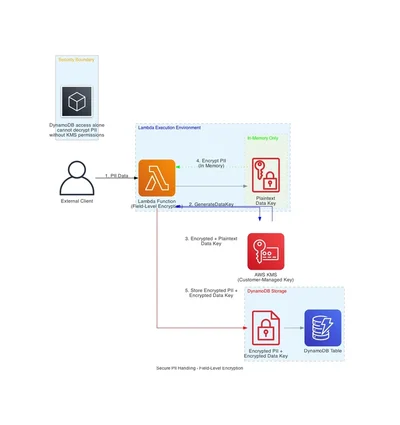 research →
AWS Lambda developers have unveiled a robust method to encrypt Personally Identifiable Information (PII) before storing it in DynamoDB, using customer-managed KMS keys and Python AWS CDK. This approach tackles the hidden risk where data at rest encryption alone leaves sensitive info exposed to anyone with database read access. By encrypting PII within Lambda functions, only select parts of the system can decrypt it, significantly boosting security. The pattern is production-tested and adaptable to other AWS databases, setting a new standard for safeguarding user data in cloud apps.
-
Fullstack Observability Revolutionizes Metrics
 research →
The latest wave in software monitoring is here: fullstack observability, powered by tools like OpenTelemetry and Prometheus, is transforming how developers track system health. Instead of waiting for loud failures, teams can now detect subtle drifts and scattered errors before they escalate. This shift from traditional monitoring to observability means catching problems early and improving reliability. Next up, expect deeper integrations and smarter dashboards that make complex metrics crystal clear.
-
Android Unveils Game-Changing AppFunctions API
 research →
Google has launched AppFunctions, a sleek new API designed to supercharge agentic interaction on Android devices. This tool replaces older frameworks like App Actions and Android Slices, offering a faster, more reliable way for AI agents to discover and execute app features. By bridging system assistants and apps more seamlessly, AppFunctions promises smarter, context-aware user experiences. Developers and users alike can expect a fresh wave of intelligent app interactions rolling out soon.
-
GitHub’s Top Projects Power Devs in 2026
 research →
GitHub remains the ultimate playground for developers in 2026, with over 100 million users and 420 million repositories fueling innovation. But most coders barely scratch the surface, missing out on projects that can supercharge skills and workflows. From AI to system design, the top 15 GitHub projects spotlighted this year are game-changers for beginners and pros alike. Dive in now or risk falling behind as AI tools speed up coding faster than ever.
-
Rust Powers Up Perl Ecosystem
 research →
Rust is making waves beyond Python, now energizing the Perl community by rewriting key components like PDL. This shift signals a fresh era where Perl developers harness Rust’s speed and safety to modernize legacy code. The move could open new doors for programmers eager to blend these languages, sparking innovation and job opportunities. Keep an eye on this evolving synergy—it’s reshaping how classic languages stay relevant.
-
AI Turns Phones into Dev Command Centers
 research →
Struggling to code on your phone? Terminal Bridge AI is flipping the script by letting developers 'direct' their local IDEs through natural language commands on mobile. This breakthrough transforms phones from clunky coding tools into powerful remote controls for desktops, promising a new era of 'remote-first' development. As AI reshapes workflows, the question remains: will laptops stay king, or is this the dawn of truly mobile dev-ops?
-
Testing Product Ideas with Quick Comments
 research →
Developer and writer RAXXO Studios revealed a clever new method to shape product positioning by posting 16 targeted comments across Hacker News and Reddit. Each comment acted as a micro-experiment, quickly testing which pain points truly resonate with developers before investing time in blog posts or landing pages. This rapid-fire feedback loop distilled 6 key insights that now guide what to build and how to market it. It’s a smart shortcut for anyone building developer tools or AI products, turning casual conversations into strategic gold.
-
Kronveil v0.3 Unifies Multi-Cluster AI Ops
 research →
Kronveil v0.3 just dropped, transforming AI infrastructure management by federating telemetry across multiple Kubernetes clusters into a single dashboard. This upgrade crushes the old single-cluster limit, now integrating Azure and GCP metrics plus automated incident runbooks, making sprawling cloud environments manageable at last. For teams juggling multi-region production and hybrid cloud, this is a game-changer. Next up: broader SDK adoption and deeper cloud integrations to streamline AI ops even further.
-
Dynamic Languages Dominate Claude Code Benchmark
 research →
A fresh benchmark by Yusuke Endoh reveals that dynamic languages like Ruby, Python, and JavaScript outperform statically typed ones in speed, cost, and stability when using Claude Code (Opus 4.6). Tested across 13 languages with over 600 runs, dynamic languages were up to 2.6 times faster and cheaper. This challenges the common belief that static typing guarantees efficiency and could reshape AI-assisted coding choices. Next up: exploring how these findings influence real-world software development workflows.
-
Rust Rewrite Boosts Payment Revenue $2.1M
 research →
After battling Node.js memory leaks and slowdowns, a developer rewrote their payment gateway in Rust, slicing 47 milliseconds off processing time. This seemingly tiny speed-up sparked a 12% jump in conversion rates, translating to a stunning $2.1 million boost in annual revenue. What started as a stability fix turned into a major business win, proving that milliseconds truly matter in payments. Next up: exploring other hidden latency killers to squeeze even more gains.
-
Full Stack Devs: Master AI, Nail 2026 Roadmap
 research →
Full stack developers face a unique challenge in 2026: balancing deep expertise with broad skills on resumes, while adapting to AI-driven shifts in web development. According to a recent Dev.to guide, showing end-to-end ownership and tailoring resumes per job description are key to standing out. Meanwhile, demand for developers hasn’t vanished but evolved—companies want coders who can collaborate with AI tools like ChatGPT and GitHub Copilot. The future belongs to those who combine human insight with AI power to build smarter apps.
-
Mastering Backstage Deployment on Kubernetes
 research →
Engineers deploying Backstage on Kubernetes now have a crucial new guide that goes beyond the usual 'helm install' success. This follow-up article dives deep into Helm-specific configurations and clears up common pitfalls caused by misusing demo images or skipping official docs. It’s a must-read for anyone wanting a fully functional developer portal, not just a running pod. Next up: applying these insights to streamline your Kubernetes deployments with confidence.
-
DevLens Scores Repo Health Instantly
 research →
DevLens just dropped a free GitHub Action that rates your repository’s health from 0 to 100 and updates your README with a live badge. It checks seven key areas like README quality, commit activity, and CI/CD setup—giving devs a clear snapshot of their project’s maintenance status. Unlike pricey competitors, DevLens runs fully inside GitHub Actions with zero vendor lock-in, making it a game-changer for open source and private repos alike. Expect more devs to adopt this tool as a standard for transparency and quality assurance.
-
Linux Kernel Nears 7.0 Launch
research →
Linux Kernel 7.0-rc7 prepatch has dropped, signaling the final countdown to the full 7.0 release. This release candidate smooths out last-minute bugs and fine-tunes performance, showing the kernel community's push for a polished, stable update. Meanwhile, a notable shift looms as maintainer Ingo Molnar revives efforts to drop support for ancient i486 CPUs, reflecting the kernel's move away from legacy hardware. The next steps? Expect the official 7.0 release soon, with a leaner, more modern codebase.
-
Llama-3 Runs Locally, Securing Medical Data
 research →
Forget sending your sensitive medical reports to the cloud—Llama-3 now runs directly in your browser using WebGPU, ensuring your health data never leaves your device. This breakthrough leverages an 8-billion parameter model, finely tuned for local inference with zero data leakage. Thanks to edge computing and WebGPU’s power, patients and doctors can analyze complex medical documents privately and instantly. The next step? Wider adoption of local AI tools that put privacy first without sacrificing performance.
-
React 19’s use() Hook Revolutionizes Async
 research →
React 19 has flipped the script on data fetching with its groundbreaking use() hook, now stable after a year in the wild. Gone are the days of tangled useEffect calls and clunky loading states—developers can now handle promises and context seamlessly, slashing boilerplate and smoothing user experiences. This shift promises faster, cleaner React apps and sets a new standard for async operations. The community is buzzing about what’s next as this API reshapes React development.



















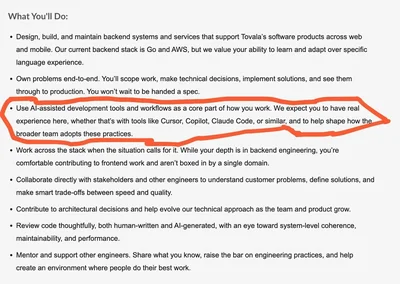




Society & Migration 15
-
Karnataka to Charge Gig Platforms Welfare Fee
 research →
Starting July 2026, Karnataka will collect a new welfare fee from gig economy platforms to fund social security for gig workers. This fee, announced in February, applies from April’s quarter but will be charged at the next quarter’s start. It marks a significant step toward protecting millions of gig workers who often lack formal benefits. The move could set a precedent for other states eyeing gig worker welfare.
-
Labor Doctors Demand NDIS Overhaul Now
 research →
Two Labor MPs and doctors, Michelle Ananda-Rajah and Mike Freelander, are sounding the alarm on the $50 billion National Disability Insurance Scheme, urging a complete redesign. They warn that without reform, public support for the NDIS could collapse, especially as over 40% of participants now have lower support needs like autism or developmental delays. With the May budget looming, Health Minister Mark Butler is considering major changes to curb the scheme’s growth to 6% or less. The coming weeks will be critical as the government balances fiscal pressures with the future of disability support.
-
UK Sick Pay Boosts Millions Amid Benefit Shake-Up
 research →
Starting Monday, 9.6 million UK workers will see improved sick pay rules, with payments kicking in from day one of illness instead of day four, thanks to a new government reform backed by unions. This change, part of the Employment Rights Act 2025, also extends eligibility to 1.2 million low earners, disproportionately helping women, disabled, and younger or older workers. Meanwhile, the government’s tweak to Universal Credit health top-ups sparks fears of benefit cuts for vulnerable families, highlighting the delicate balance between support and work incentives. With these reforms rolling out, millions face a new landscape of social security and workplace rights.
-
Korea Redefines Employer Amid Labor Shakeup
 research →
South Korea’s labor landscape just shifted with a landmark ruling under the new “yellow envelope law.” The National Labor Relations Commission declared that state-run bodies managing subcontracted workers can be treated as employers, forcing them to negotiate with unions. This move could empower thousands of subcontracted workers, sparking fresh bargaining demands nationwide. Businesses are bracing for impact as the government signals a tougher stance on labor rights.
-
UN Declares Slave Trade a Crime Against Humanity
 research →
The United Nations has taken a historic step by declaring the transatlantic slave trade one of the "greatest crimes against humanity." Sponsored by Ghana and backed by the African Union, this resolution marks a powerful moral reckoning with centuries of brutality and its lingering effects. While not legally binding, it opens the door for African nations to push for formal apologies and reparations. The world now watches to see if this symbolic victory will translate into real justice and economic redress.
-
Pakistan’s Population Boom Sparks Crisis
 research →
Pakistan is barreling toward becoming the world’s fourth most populous country within five years, with over 255 million people and an annual growth of 6.2 million. This explosive rise is overwhelming hospitals, schools, and infrastructure, while the economy struggles to create enough jobs for its swelling youth population. Experts warn that without urgent policy action, the country faces deepening inequality and social instability. The path forward is clear: effective governance can tame population growth, as seen in countries like Bangladesh and Iran.
-
Indian Expat Workers Power 5 State Economies
 research →
As India gears up for elections, a glaring omission stands out: none of the major parties address the 18 million Indian expatriate workers whose remittances are lifelines for Kerala, Tamil Nadu, Karnataka, Andhra Pradesh, and Maharashtra. These workers, though unable to vote from abroad, quietly fuel local economies and keep banks afloat. With rising Gulf tensions threatening these remittances, ignoring this vital group is no longer just an oversight but a looming political and economic risk. The question now is whether politicians will finally recognize their crucial role before it’s too late.
-
Hong Kong Boosts Smart Tech for Elderly Safety
 research →
Hong Kong’s housing authorities are ramping up smart technology installations like door sensors, fall detectors, and stair climbers in public estates to protect and assist elderly residents. This expansion follows successful pilots in Tung Wui and Tin Yan Estates, aiming to support aging in place with real-time alerts and mobility aids. With the city’s elderly population growing, these innovations could redefine senior living by blending safety with independence. Next steps include wider rollout and integrating these devices with 24-hour care centers.
-
Australia Tightens Student Visas for Indians
 research →
Australia has ramped up visa scrutiny for Indian students, shifting them from Evidence Level 2 to the more stringent Evidence Level 3 under its Simplified Student Visa Framework as of January 8, 2026. This rollback to tougher documentation rules signals a tougher stance on student mobility from India, a key source of international talent. The move could reshape study abroad plans for thousands and raises questions about Australia’s future as a top destination. Students and families now await clarity on how these changes will affect application success rates and timelines.
-
LA Homeless Project Sees 40% Return
 research →
Los Angeles’ ambitious $300 million Inside Safe program, launched by Mayor Karen Bass in 2022 to tackle homelessness with interim motel housing, has helped nearly 5,800 people. But a new report reveals a sobering reality: about 40% have returned to the streets. This setback highlights the complex challenges of permanent housing solutions. Bass insists understanding why people leave is key to improving future efforts.
-
Global Wealth Tax Sparks Fierce Debate
 research →
A growing chorus of governments and politicians are eyeing wealth taxes on the ultrarich to tackle inequality and fund social programs. While some countries hesitate, fearing economic fallout, others see taxing extreme wealth as a way to ease the burden on the middle class and close budget gaps. In the U.S., Democrats propose slashing taxes for most while hiking them for the wealthy, igniting fierce policy battles ahead of 2028. The debate over who pays what is heating up worldwide, with major economic and political stakes on the line.
-
NYC Mayor Sparks Outrage Over Housing Vouchers
 research →
Zohran Mamdani, New York City's mayor, has ignited fury by appealing a court order to expand the housing voucher program he once championed during his campaign. Facing a staggering $5.4 billion budget deficit, Mamdani cites cost concerns over the CityFHEPS program, which aids homeless and at-risk residents. Advocates warn this reversal threatens to deepen the homelessness crisis and could erode the mayor’s support among his most hopeful constituents. The coming weeks will reveal if Mamdani can reconcile budget realities with his promises to the city’s vulnerable.
-
US Student Visas Tighten, Indian Enrollments Drop
 research →
The number of Indian students in the US has plunged nearly 7% in a year, falling from 378,787 to 352,644 amid stricter visa scrutiny. This shift signals a major change in one of the world’s busiest education migration corridors, with tougher background checks including social media reviews. The drop spans all study levels, raising questions about the future of the 'American Dream' for international students. Experts warn this could reshape global education flows and prompt students to seek alternatives.
-
Middle East War Starves Millions Worldwide
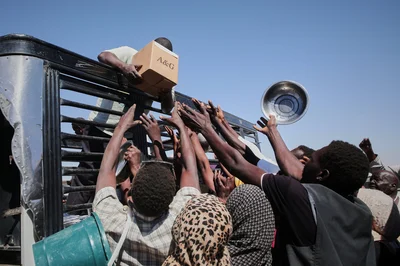 research →
The ongoing Middle East conflict has slammed vital shipping lanes like the Strait of Hormuz, triggering a global energy crunch and choking aid deliveries. International groups warn that millions are now cut off from essential food and medicine as soaring fuel costs and disrupted supply chains force costly detours. With tens of thousands of tons of aid stuck in transit and key routes blocked, humanitarian crises in Asia, Africa, and beyond are deepening. The world faces a race against time to restore aid flows before more lives are lost.
-
Remote Work’s Hidden Mental Health Toll
 research →
New insights reveal that working from home, once seen as a dream, can lead to deep loneliness and mental strain. In Spain, about half of self-employed professionals—from journalists to lawyers—face cramped home offices that blur work-life boundaries. Experts warn that this isolation, combined with constant task-switching, not only saps focus but also fuels anxiety and burnout. As remote work cements itself, addressing these mental health challenges is becoming urgent for employers and workers alike.
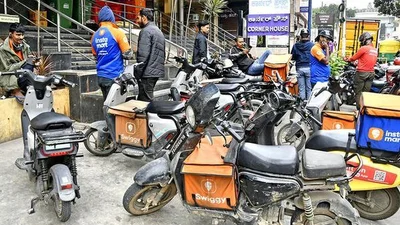




















Weather & Natural Disasters 12
-
Cyclone Vaianu Threatens New Zealand
 research →
A powerful Category 2 cyclone named Vaianu is intensifying in the South Pacific and could impact New Zealand's North Island by the weekend. MetService warns of heavy rain and strong winds, especially in Northland, Auckland, and Bay of Plenty, with an orange warning already in place. While the exact path remains uncertain, residents should prepare for severe weather as the cyclone merges with a subtropical low funneling moisture from near Vanuatu. Authorities are closely monitoring the situation as the storm approaches.
-
Lightning Strike Kills Man Amid Salem Deluge
 research →
A sudden lightning strike claimed the life of a man in Salem district as heavy rains drenched the region on Saturday evening. With a staggering 178.20 mm of rainfall recorded in 24 hours, parts of Salem faced intense downpours, disrupting daily life. This tragic incident highlights the dangers of severe weather events as the monsoon season approaches. Authorities urge residents to stay alert as more storms are forecasted in nearby regions.
-
Lagos Fires Sparked by Electrical Surges
 research →
Two separate fires broke out in Lagos on Sunday, both triggered by electrical surges, the Lagos State Emergency Management Agency (LASEMA) confirmed. The first blaze erupted in FESTAC Town Phase 2 when a conduit wire sparked, while the second ignited from an air conditioning unit in Ikeja GRA’s Rev Ogunbiyi Estate. Thanks to quick action by residents and emergency teams, no casualties were reported, though millions of naira in property were lost. Authorities are urging Lagosians to be vigilant with electrical appliances and report emergencies immediately. This incident highlights ongoing risks amid Nigeria’s power challenges.
-
Southeast Asia’s Coastal Ecosystems: Climate Goldmine Ignored
 research →
Across Southeast Asia, mangroves and seagrasses quietly trap carbon at twice the rate of tropical rainforests, storing it for millennia. Despite hosting 37% of the world’s mangroves and 23% of seagrasses, these vital 'blue carbon' ecosystems remain undervalued and underprotected. Experts warn that unlocking their potential could be a game-changer in the fight against climate change. The challenge now is turning awareness into action before these natural climate allies are lost.
-
Super El Niño Looms in 2026
 research →
A powerful El Niño event is brewing with a 62% chance to develop between June and August 2026, according to NOAA data. This natural climate phenomenon heats parts of the Pacific Ocean, triggering extreme weather like floods and droughts worldwide. Experts like Mojib Latif see a 50:50 chance it could become a rare 'Super El Niño,' potentially intensifying global climate disruptions. With already alarming heat waves and flood threats, the world braces for a turbulent year ahead.
-
Pakistan Shatters 2030 Heat Limits Early
 research →
Pakistan is already feeling the heat of climate change, with the Pakistan Meteorological Department revealing that March’s nighttime temperatures hit the second-highest on record at 14.7°C, far above the usual 12.0°C average. This alarming spike comes despite Pakistan’s minimal greenhouse gas emissions, signaling a harsh reality for the region well ahead of the 2030 global warming targets. The national mean temperature also ranked as the fifth highest ever, underscoring the urgent need for climate resilience. As extreme weather events intensify, Pakistan faces mounting challenges in protecting its vulnerable communities.
-
Cyclone Rescue Mission Saves WA Wildlife
 research →
After Tropical Cyclone Narelle tore through Western Australia's northwest, a mobile wildlife hospital is racing to aid hundreds of injured and stranded animals. The Category 4 storm devastated the Ningaloo Reef, leaving turtles, dolphins, seabirds, and reptiles battered and homeless. This urgent intervention aims to nurse survivors back to health and stabilize the fragile ecosystem. Conservationists warn the recovery will be long, but this swift response offers a vital lifeline.
-
Kanlaon Volcano Erupts Ash Four Times
 research →
On Easter Sunday, Kanlaon Volcano in the Philippines erupted ash four times, with plumes soaring up to 1,200 meters, according to Phivolcs. These emissions lasted over four hours, disrupting the usual calm of the holiday. The activity signals heightened volcanic unrest, prompting authorities to keep a close watch. Residents nearby remain on alert as experts monitor for potential escalation.
-
Western Disturbances Slam North India
 research →
A double dose of western disturbances has unleashed unseasonal rain, hail, and snow across North India, rattling wheat farmers in Punjab, Haryana, and Rajasthan just before harvest. The sudden chill and wet spell have also triggered road closures and warnings of landslides and flash floods in hilly areas. With the India Meteorological Department forecasting cooler days and more storms through April 9, authorities are scrambling to assess crop damage and brace for further disruptions.
-
Hailstorm Ravages Rajanna Sircilla Crops
research →
A sudden hailstorm struck the Konaraopet mandal in Rajanna Sircilla district early Sunday, devastating paddy crops across hundreds of acres in Marrimadla and nearby villages. This rare mid-summer weather event has left many farmers grappling with heavy losses. Government Whip Adi Srinivas visited the affected areas, promising swift government aid to support the struggling agricultural community. As the region recovers, attention now turns to relief efforts and crop recovery strategies.
-
Rains Ravage NW Pakistan, Death Toll Soars
 research →
Heavy rains and storms have claimed at least 50 lives in Khyber Pakhtunkhwa alone since late March, with 26 children among the victims. The Provincial Disaster Management Authority reports widespread destruction, including 470 damaged homes and ongoing risks of flooding and infrastructure collapse. This relentless weather has battered multiple districts, from Abbottabad to Bannu, leaving communities struggling to recover. Authorities warn that more rain is on the way, raising fears of further devastation in the days ahead.
-
Southern California Wildfire Nearly Tamed
 research →
The fierce Springs Fire in Riverside County, Southern California, has been mostly contained, reaching 75% control by Saturday, April 4, after igniting just a day earlier. Thanks to easing Santa Ana winds and relentless firefighter efforts, evacuation orders are being lifted, signaling relief for affected communities. Fire officials expect full containment soon, marking a turning point in this rapidly spreading blaze.