A new study reveals that the longer animal species stay in the global wildlife trade, the more pathogens they share with humans, increasing pandemic risks. Researchers found that traded mammals carry far more human-infecting viruses than non-traded ones, with each decade in trade adding new threats. This highlights the urgent need to curb wildlife markets to prevent future outbreaks. Experts warn that reducing wildlife trade is crucial to lowering the chances of new pandemics emerging.
Health & Medicine
Wildlife Trade Fuels Virus Evolution

Sources (3)
What on earth is ‘vaccine beer’ and could it possibly work?
13 Apr 2026, 19:50

The longer a species stays in the wildlife trade, the more dangerous it becomes. A new study explains why
13 Apr 2026, 17:49
Nanodiscs capture HIV and Ebola surface proteins in lifelike membranes for vaccine design
13 Apr 2026, 14:00
More from Health & Medicine
-
Oslo Man Likely Cured of HIV
 research →
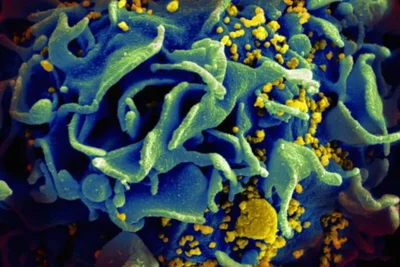
A 63-year-old man in Oslo has been in HIV remission for five years after receiving a stem cell transplant from his brother, who carries a rare genetic mutation making him resistant to the virus. This marks only the tenth known case of HIV remission through such treatment, offering new hope in the fight against the virus. Experts highlight that the brother’s unique genetic profile was key to the success. Researchers now aim to study this case further to explore broader treatment possibilities.
-
AI Breakthrough in Lung Cancer Detection
 research →
A new AI model using deep learning techniques has shown promising results in detecting lung cancer early, a disease responsible for 1.5 million deaths annually worldwide. Researchers compared several CNN architectures, including InceptionV3 and ResNet152, to develop a 16-layer CNN that improves detection accuracy. Early and precise diagnosis is crucial due to lung cancer’s low 20% survival rate, and this advancement could significantly enhance treatment outcomes. The next step involves clinical trials to validate the model’s effectiveness in real-world settings.
-
Stroke Signs Missed Despite Full Health Scan
 research →
A fit 35-year-old New Yorker, Sean Clifford, suffered a catastrophic stroke eight months after a full-body MRI health scan showed no issues. The scan, costing £2,500 and backed by AI technology, failed to detect early stroke warning signs, raising concerns about the reliability of such 'medical MOTs.' This case highlights the need for improved diagnostic tools and awareness of subtle stroke symptoms. Experts urge the public to stay vigilant and not rely solely on advanced scans for stroke risk assessment.
-
B.C. Marks Decade of Toxic Drug Crisis
 research →
British Columbia commemorated the tenth anniversary of its toxic drug public health emergency, reflecting on the devastating loss of over 18,000 lives since 2016. Despite some progress, including a drop in deaths from 2,315 in 2024 to 1,826 in 2025, political setbacks have hindered key harm reduction policies. Health officials, including Provincial Health Officer Bonnie Henry, expressed disappointment over rolled-back measures amid ongoing challenges. The province continues to expand supportive housing and overdose response programs as it seeks to curb the crisis.
-
Maryland Caps Price on Diabetes Drug
 research →
The Maryland Prescription Drug Affordability Board has set a price cap on Jardiance, a common type 2 diabetes medication, limiting it to $204 for a 30-day supply starting January 2027. This move aims to reduce costs for state and local governments, potentially saving $320,000 annually. Benchmarking against Medicare’s fair price and adjusting for inflation, Maryland becomes only the second state to impose such a drug price limit. The board will oversee the implementation, signaling a growing trend in state-level drug price regulation.
-
Top Fitness Trackers of 2026 Reviewed
 research →
The latest tests reveal Apple Watch Series 11 leads in heart rate accuracy, while Garmin Venu 4 offers detailed data for serious athletes. Affordable options still deliver reliable step and distance tracking, making high prices unnecessary for casual users. As fitness tech advances, consumers can expect even more precise and versatile trackers in the near future.
-
Allogene’s CAR-T Shows Breakthrough in Lymphoma
 research →
Allogene Therapeutics revealed that its off-the-shelf CAR-T therapy, cema-cel, eradicated residual cancer cells in B-cell lymphoma patients three times more effectively than standard treatments. This interim Phase 3 trial result marks a major step toward preventing lymphoma relapse after first-line therapy. The promising data sent Allogene’s stock soaring nearly 46% and sets the stage for upcoming regulatory milestones. Investors will watch closely as the company also announced a $175 million stock offering to fuel further development.
-
Nanodiscs Revolutionize Vaccine Design
 research →
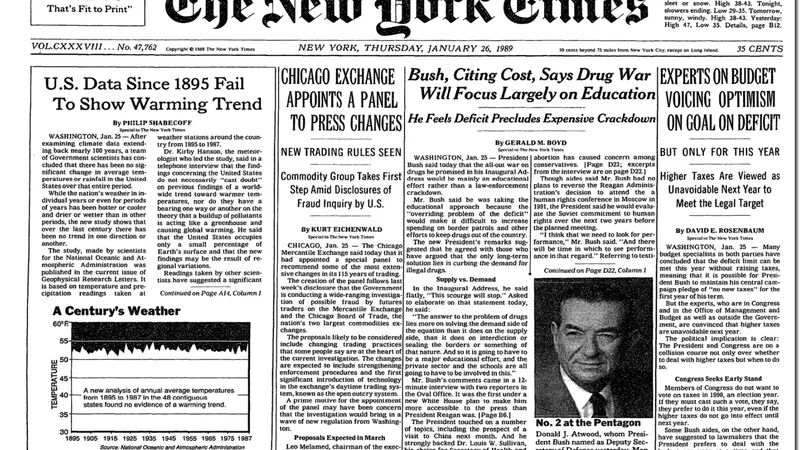
Researchers at the Manchester Institute of Biotechnology have pioneered the use of nanodiscs to simplify and enhance vaccine design, notably for HIV prevention. This breakthrough leverages engineering biology to create more effective and sustainable vaccines, potentially transforming how diseases like HIV are fought globally. With the success of Lenacapavir's manufacturing improvements, this approach could accelerate new vaccine developments. The next steps involve scaling production and clinical trials to confirm efficacy.
-
Scientists Edge Closer to Universal Respiratory Vaccine
 research →
Researchers have developed a promising nasal spray vaccine that protects mice against multiple respiratory threats including flu, COVID-19, and allergens. Dubbed a 'universal respiratory vaccine,' it represents a novel approach but does not trigger immunity like traditional vaccines. Experts caution that despite this breakthrough, a truly universal vaccine for all respiratory pathogens remains years away. The innovation could revolutionize how we prevent respiratory illnesses once further tested and refined.
-
Chennai Experts Tackle Suicide Crisis
 research →
In Chennai, a roundtable convened by the Institute of Applied Therapeutics brought together judges, doctors, and bureaucrats to address the alarming rise in suicides across India, which hit 171,418 cases in 2023. The discussion focused on causes ranging from mental health issues to financial loss and explored prevention strategies amid a growing suicide rate of 12.3 per 100,000 people. This dialogue sets the stage for further policy action as the nation grapples with this public health challenge.
-
New Drug Doubles Pancreatic Cancer Survival
 research →
Revolution Medicines has unveiled a breakthrough pancreatic cancer pill, daraxonrasib, that nearly doubles survival time for late-stage patients compared to chemotherapy. In a Phase 3 trial, patients lived a median of 13.2 months versus 6.7 months on standard treatment, slashing death risk by 60%. This marks a potential game-changer for a cancer type long resistant to effective therapies. The company is now preparing to seek regulatory approval, aiming to bring this life-extending option to patients swiftly.
-
AI Breakthrough Predicts Bowel Cancer Drug Response
 research →
A new AI model has shown promising ability to predict how patients with bowel cancer will respond to specific drug treatments. This advancement could personalize therapy plans, improving outcomes and reducing trial-and-error prescribing. Experts believe this technology may soon transform cancer care by tailoring treatments to individual biology. Next steps include larger clinical trials to validate AI predictions in diverse patient groups.
-
Keytruda Cancer Drug Still Out of Reach in India
 research →
Despite its global success as a groundbreaking immunotherapy, Keytruda (pembrolizumab) remains inaccessible to most cancer patients in India. Approved recently by the US FDA for certain ovarian cancers, the drug offers hope for improved survival but is hindered in India by patent protections lasting until June 2028. Experts at Mumbai's Tata Memorial Centre emphasize the drug's transformative potential, yet economic barriers mean widespread access could take at least two more years. The situation highlights the ongoing challenge of balancing innovation with affordability in Indian oncology care.
-
New Cellular Aging Reversal Method Nears Human Trials
 research →
Yuancheng Ryan Lu and his team at the Whitehead Institute have developed a promising method to reverse cellular aging by introducing three genes into retinal nerve cells. This breakthrough could restore eyesight in older adults with glaucoma and potentially rejuvenate vital organs like kidneys, liver, and even the brain. After three years of trial and error, Lu’s latest results show signs of new cell growth, paving the way for upcoming human tests. The success of this method could revolutionize treatments for age-related diseases worldwide.