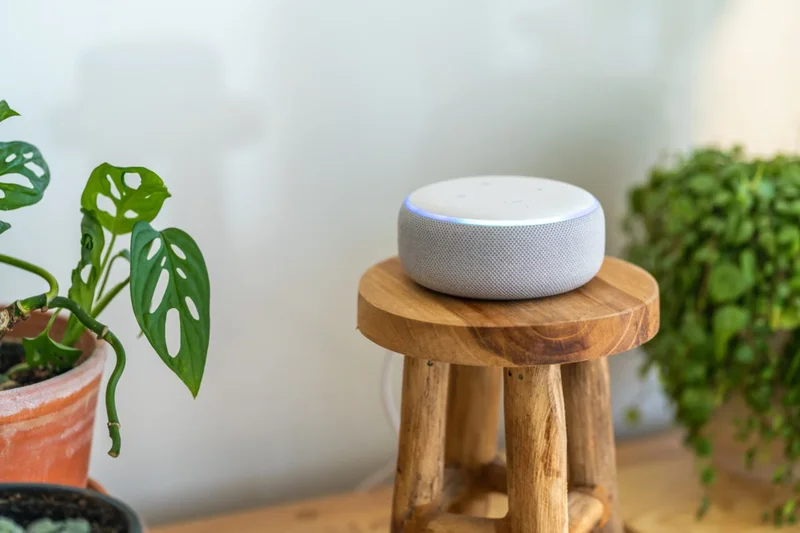
OpenAIâs big hardware venture alongside legendary ex-Apple designer Jony Ive is reportedly shaping up to be a smart home speaker powered by AI. But unlike your average agentic chatbot-enabled Amazon Echo Dot or Google Home Speaker, OpenAIâs puck is built for squirming.
The latest report from Bloomberg offers us our most complete idea of what to expect from OpenAI’s nascent hardware, expected to launch in 2027. According to anonymous sources, the smart speaker will be shaped like a donut and about the size of a hockey puck. Bloomberg even suggests that the device costs around $300 or $400, which would be significantly more than most other smart home speakers. For that price, the device will include “parts that move on their ownâ when it’s interacting with the user. The point of such wriggling is meant to make it feel “alive.” Weâll just have to see for ourselves whether an anthropomorphized robot pet puck is endearing or creepy.
More than a simple smart home hub, the OpenAI puck is supposed to act like a âcompanionâ that can be operated either handheld or on a desk. The company behind ChatGPT may try to emphasize how you could take it with you in your backpack to work, if you really canât spend five minutes without your AI friend hanging about.
Thereâs reportedly no screen, either. That means youâll have no choice but to talk to your AI and pray it gets the answers you need. It’s said to include some LED lights to let you know when it’s listening, but it will also include sensors that could include a camera to perceive its surroundings.
“The big takeaway here is that it looks, feels and acts nothing like an Apple product or anything the company is currently planning,” Bloomberg’s Mark Gurman said on X.
As much as we can pretend that this supposed wriggling AI puck is wholly unique, itâs not far outside the realms of what other companies have been working onâincluding Apple. Last year, Appleâs Machine Learning Research Division shared its work on an AI-based lamp, the kind thatâs supposed to remind you of Pixarâs beloved Luxo Jr. mascot. The âELEGNTâ lamp could follow your movements, pretend to read with you, and act a little spontaneous as it performed its tasks.
For instance, instead of simply telling you the weather on command, it would pretend to look outside (likely giving the AI chatbot a chance to formulate its response) and then give you the answer. And yes, thatâs as cute as it sounds. But itâs not the kind of device that would have the same functionality that a big breakout hardware product from OpenAI requires. OpenAI reportedly has plans for several more AI-focused products down the line, including a potential smartphone, and we have to see if they can get any more or less weird than the moving puck. Apple reportedly has plans for new AI Siri-enabled HomePods.
I know we shouldnât knock something before seeing it, but OpenAIâs first hardware device doesnât sound all that appealing or genre-defining as initially suggested when Ive and OpenAI CEO Sam Altman first teamed up. Thereâs also the awkwardness surrounding an ongoing lawsuit between Apple and the makers of ChatGPT over allegations the AI labâbuoyed by loads of ex-Apple staffâeffectively stole trade secrets. OpenAI responded to the suit, saying it was a âbaselessâ witch hunt designed to cover up Appleâs initial failures at its own AI rollout.
Looking beyond the corporate cock fight, the real question we should be asking is if we really want yet another AI gadget in our lives. If push came to shove, weâd take a Pixar lamp over a puck any day.