Brazil · Business
Key Facts
—Sale price. US$6.5 million, paid cash upfront by the Saudi partners.
—Venture sold. Specialized Medical Treatment Company, an oncology-care firm in Riyadh.
—Original ambition. Projected US$550 million in revenue within five years of launch.
—Brazil debt load. Roughly R$5.1 billion (US$1.01 billion) in financial debt.
—Recent loss. Net loss of R$438.7 million (US$86.5 million) in the first quarter of 2026.
Oncoclínicas, Brazil’s largest cancer-treatment network, has sold its entire stake in a Saudi Arabian oncology joint venture for US$6.5 million in upfront cash, the company confirmed on 22 July 2026.
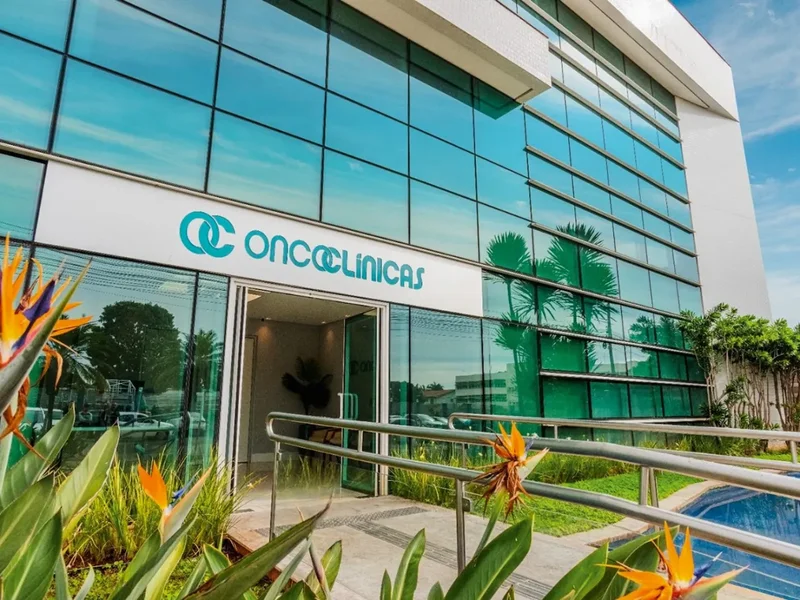
It operates a network of oncology clinics providing specialised cancer treatment across Brazil.
One-stop reference
Company Intelligence
Every listed company in Latin America — financials, ownership and structure for 1,450+ companies across 26 exchanges, in one place.
RTAsk Rio TimesMarkets, currencies and the economy›
RT
Ask Rio Times
Latin American markets, currencies and companies.
×
Markets todayThe currencyRates \& inflationEconomy outlook
What Oncoclínicas Does and Why the Saudi Venture Mattered
Oncoclínicas is a São Paulo-headquartered company that runs a network of specialized cancer clinics and hospitals across Brazil, treating hundreds of thousands of patients annually. It went public with an aggressive growth story that included taking its oncology-care model abroad.
The Saudi project, structured through a 51/49 joint venture called the Specialized Medical Treatment Company, was launched with Al Faisaliah Group Holding Company and its pharmaceutical arm, Advanced Drug Company for Pharmaceuticals. The original plan envisioned building an ambulatory oncology unit in Riyadh and later expanding to Jeddah and Mecca.
A Small Divestment That Signals a Bigger Deleveraging Story
The US$6.5 million exit price is modest compared with the venture’s original projections, which forecast roughly US$550 million in annual revenue and US$150 million in EBITDA within five years. Oncoclínicas had expected to invest between US$10 million and US$20 million over three years in the first phase alone.
Management said the sale aims to simplify the portfolio, focus on Brazil, and avoid sinking more capital into a foreign project while the company works through a severe cash crunch. The Saudi venture had already been deprioritized, and Oncoclínicas had frozen further remittances to the center.
The Debt and Liquidity Crisis at Home
Oncoclínicas entered judicial recovery proceedings in mid-July 2026, weighed down by financial debt of approximately R$5.1 billion (US$1.01 billion). The company is negotiating with creditors and suppliers while hunting for asset sales and fresh capital.
In the first quarter of 2026, the company posted a net loss of R$438.7 million (US$86.5 million), more than triple the R$131.9 million (US$26 million) loss recorded a year earlier. The deteriorating results have accelerated a broader restructuring effort.
Background: How a Brazilian Healthcare Champion Stumbled
For years, Oncoclínicas was a darling of Brazil’s healthcare sector, consolidating dozens of clinics and attracting international investors with a story of rising cancer incidence and a fragmented market ripe for professionalization. The Saudi venture, announced with fanfare, was meant to prove the model could travel beyond Latin America.
But rapid expansion and high leverage left the company exposed when interest rates rose and operational costs climbed. By early 2026, supplier payment delays and mounting short-term obligations forced management to seek court protection, a process known in Brazil as judicial recovery that gives a company breathing room to restructure debts without immediate creditor enforcement.
Rescue Talks and What Comes Next for Oncoclínicas
Several turnaround scenarios are on the table. One proposal involves a capital increase of roughly R$2 billion (US$394 million) (US$394 million) tied to debt conversion and new money.
Another reported framework would bring in Brazilian insurer Porto with a potential injection of up to R$1 billion (US$197 million) and a new corporate structure to isolate part of the operations.
The Saudi exit, while small in dollar terms, clears one distraction from a management team that must now stabilize a domestic network serving thousands of cancer patients. For foreign investors watching Brazil’s healthcare sector, the sale marks a sober milepost in a deleveraging story that is still unfolding.
What It Means for Expats and Investors in Brazil
For expats and foreign residents who rely on private healthcare in Brazil, Oncoclínicas remains one of the country’s most important cancer-care providers, and its restructuring does not mean clinics are closing. The judicial recovery process is designed to keep operations running while debts are renegotiated, so patient care should continue largely uninterrupted.
For investors, the Saudi sale is a clear signal that the company is retreating to its core market and prioritizing balance-sheet repair over growth. Anyone holding Brazilian healthcare stocks or private credit exposure should watch the Porto talks closely, as a credible rescue could stabilize the company, while failure to reach a deal would raise the risk of a deeper restructuring or asset fire sales.
Frequently Asked Questions
What does Oncoclínicas do?
Oncoclínicas is Brazil's largest dedicated cancer-treatment network, operating clinics and hospitals that provide oncology care, chemotherapy, radiotherapy, and related services across the country. It treats hundreds of thousands of patients annually and is headquartered in São Paulo.
Why did Oncoclínicas sell its Saudi venture?
The company sold the stake to simplify its portfolio, focus on its core Brazilian business, and avoid putting more capital into a foreign project while it addresses a heavy debt load and liquidity crisis. The Saudi operation had already been deprioritized and further remittances were frozen.
How much debt does Oncoclínicas have?
The company entered judicial recovery in July 2026 with roughly R$5.1 billion (US$1.01 billion) in financial debt and reported a first-quarter net loss of R$438.7 million (US$86.5 million). Several rescue proposals are under discussion, including a potential capital increase and a partnership with Brazilian insurer Porto.