Australia is on the brink of its biggest-ever defence export contract, with the British government to buy a Canberra-built radar considered the best in the world.
This masthead can reveal the contract with phased-array radar company CEA Technologies would be worth more than $10 billion.
British Minister for Defence Readiness and Industry Luke Pollard visited the company’s Canberra headquarters for the signing of a statement of intent, which will allow the British defence sector to analyse how to use the radar on its warships and army vehicles.
The technology behind CEA radars’ extraordinary power is top secret.
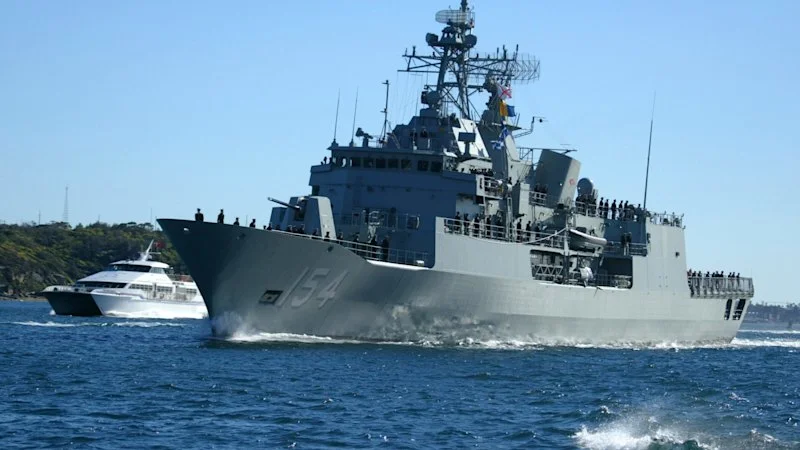
CEA radars feature on all eight Anzac-class frigates, and the Australian Army has several mobile radar systems to support air defence capability. It also integrates with US weapon-control systems to help guide missile launchers.
“This radar can see smaller things, further away than most radars in the world, if not all of them,” Defence Industry Minister Pat Conroy said.
“Not only is it more powerful and more effective, it’s smaller, which means you can put them on more assets, whether it’s naval vessels, a trailer equipping the army, or air force bases.
“This deal, if it’s concluded, will be the biggest export deal in the history of Australia in terms of defence exports. So the potential is huge.”
New UK Prime Minister Andy Burnham has made defence spending one of his top priorities. Pollard said his job was to “deter any aggression”.
“We know that the CEA radar is one of the very best in the world, we know it has advantages that would bring real operational advantage to UK fighting forces,” Pollard said.
“And as we are increasingly moving to warfighting readiness, I want to see the very best technology put on the front line, and that means looking far and wide to find it.
“The ability to detect more objects, smaller objects faster, will give our warfighters an edge in an increasingly dangerous world.”
The radar is the brainchild of Ian Croser, a former naval officer who built CEA from scratch over four decades. The company now employs more than 800 people.
Croser is notoriously shy, but Conroy said he was a “dead-set genius”.
“Ian’s a national treasure, a man who, as a naval engineer, decided he could do a better job than the radars he was working on,” Conroy said. “So he went and invented one, and over decades he has perfected this technology … The whole nation should be very grateful for his contribution.”
In 2023, the federal government made the extraordinary decision to nationalise CEA, to ensure it remains in Australian hands.
Taxpayers own 72 per cent of the company, with Croser owning the rest.