SEATTLE — The U.S. has approved its first new sunscreen filter in more than two decades. But for American fans of Korean skincare, the bigger question is: Is one new filter enough?
The Food and Drug Administration in June approved bemotrizinol, a broad-spectrum ultraviolet filter that has been used for years in sunscreens sold in South Korea, Europe and other markets. It is the first new active ingredient added to the U.S. over-the-counter sunscreen monograph since the late 1990s.
Also known as BEMT or Tinosorb S, the ingredient protects against both UVA and UVB rays and is highly photostable, meaning it maintains its effectiveness when exposed to sunlight.
Its approval marks a significant change for a U.S. sunscreen industry that has long had fewer UV filter options than manufacturers overseas. The FDA itself acknowledged last year that it had “historically moved too slowly” on sunscreen innovation, leaving Americans with fewer options than consumers abroad.
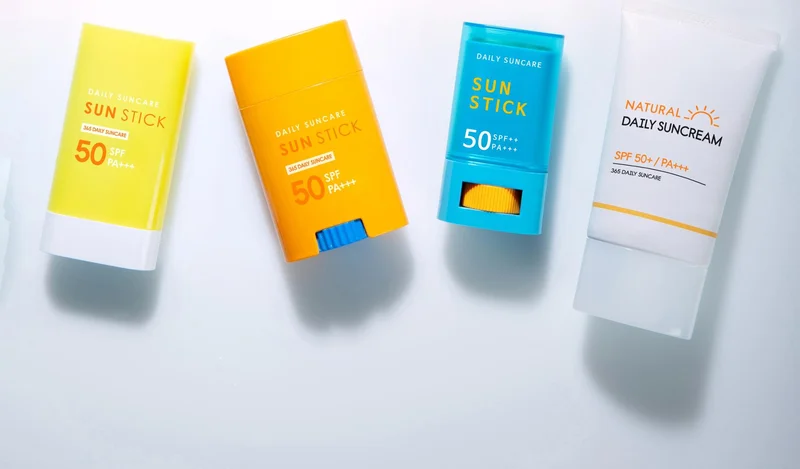
That gap is also one reason Korean sunscreens have drawn such a devoted following among American beauty consumers. Fans have raved about their lightweight textures and formulations that incorporate newer UV filters unavailable in the U.S., with many turning to overseas retailers to get their favorite products.
For American sunscreen makers, bemotrizinol offers a chance to start narrowing that divide.
“Tinosorb S represents decades of BASF innovation in photoprotection,” said Brandon Crist, vice president of Business Management at BASF Personal Care Americas. “Following this FDA approval, we are proud to introduce this advanced UV filter to the U.S. market, providing formulators a new opportunity to deliver the high-performance, broad-spectrum sun protection that today’s consumers demand.”
The approval could benefit Asian manufacturers as well. BASF said in a separate Asia-Pacific announcement that the move creates “new growth opportunities for customers across the Asia Pacific region,” potentially helping companies develop formulations that comply with U.S. regulations.
But for K-beauty devotees, the FDA's move only goes so far.
Bemotrizinol is just one of several newer-generation UV filters used in Korean sunscreens. Popular formulas often combine multiple filters, including Uvinul A Plus, Uvinul T150, Tinosorb M and Uvasorb HEB, which remain unavailable as approved sunscreen active ingredients in the United States.
That means the approval won't suddenly put many of the Korean sunscreens Americans have been importing onto U.S. store shelves in their original formulations. Nor will new products formulated with bemotrizinol appear overnight.
Lily Park, a dermatologist specializing in Korean skincare and cosmetic dermatology, said sunscreen makers still have to navigate the process of developing and bringing new formulations to market.
“Don’t expect every brand to have them on shelves right away,” Park wrote in a recent public post, noting that because sunscreen is regulated as a drug in the U.S., companies must go through formulation, testing, labeling, manufacturing and distribution to comply with regulations.
“The first wave of products might just come from companies that are already ahead of the curve,” she wrote.
That wait may not bother Korean sunscreen devotees, who appear in no hurry to give up the products they already use.
On Reddit communities devoted to Korean and Asian beauty, the announcement drew excitement but also skepticism over how much a single approval would change the U.S. sunscreen market.
Some users welcomed the prospect of better American options but said they planned to stick with Korean sunscreens. One commenter said they exclusively use Korean products because they find them less greasy and easier to absorb than American sunscreens.
Others immediately focused on what the FDA approval doesn't change. In another discussion, users pointed out that Korean sunscreens often contain several UV filters, meaning the approval of bemotrizinol alone does not make those existing formulations U.S.-compliant.
For the U.S. sunscreen industry, bemotrizinol offers a chance to begin closing the gap. But for those already accustomed to Korean formulas, it may take more than one new filter to convince them that American sunscreen has caught up.