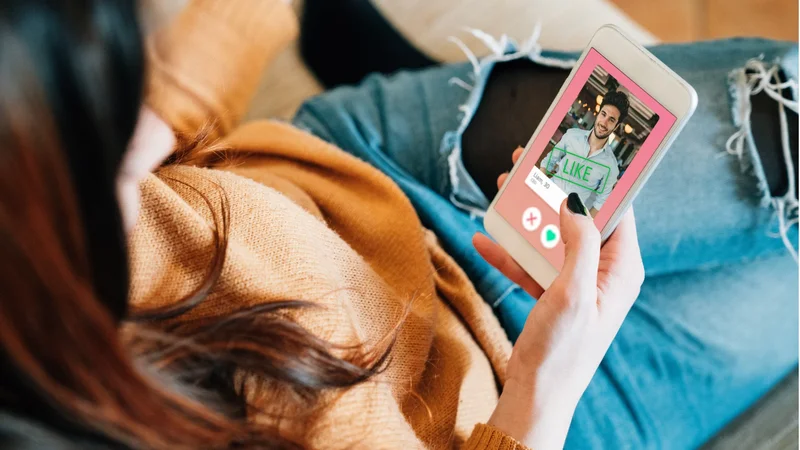
You have to have sympathy for millennials, the generation born between 1981 and 1996, because they've basically been speed-running the tech revolution since they were teenagers. They were the first cohort of young people to have cellphones, and most of them were in their twenties when the original iPhone came out, so they're true digital natives, as at home with apps as prior generations were with typewriters and rotary phones.
But that familiarity has come at a cost: dating app burnout. If millennials were the first generation to swipe their way through their local singles, they were also the first generation to experience cuffing season on the apps, or be ghosted and haunted — heck, millennials practically wrote the modern dating app glossary because they experienced it first.
And now, unsurprisingly, they're experiencing fatigue with the conventional swipe-based approach to online dating. Millennials are tired of swiping through dozens of profiles each day; they're tired of having a million fleeting conversations that follow the same basic template, only to go nowhere; and they're actively looking for quality rather than quantity in their dating lives.
Hookup apps for everyone
AdultFriendFinder
—
readers’ pick for casual connections
Tinder
—
top pick for finding hookups
Hinge
—
popular choice for regular meetups
Products available for purchase through affiliate links. If you buy something through links on our site, Mashable may earn an affiliate commission.
That's where "slow dating" comes in.
What is slow dating?
"Slow dating" is a deliberate, conscious effort to eschew the fast pace of regular dating apps and give each new single and their profile more time and attention than the swipe-based dating economy typically allows.
Sara Konrath, a social psychologist and OkCupid dating consultant, put it this way in an interview with Business Insider: "Just like the slow food movement is a reaction to cheap and unhealthy fast food, the slow dating movement is a reaction to quick and meaningless hookups that can be made easy by dating apps." In other words, it's a way of prioritizing the depth of connection with another person rather than having more fleeting experiences."
“It’s based on a desire for people to slow things down, get to know one another without so much pressure and focus on high-quality connection and closeness," Konrath said. "Slow dating also often means that the sexual intimacy stage of the relationship comes later, after getting to know one another.”
If you've often felt swept up by passion, only to have it come crashing down weeks later, leaving you unfulfilled and feeling blindsided, it might be time to give slow dating a try.
Can you use apps to "slow date"?
While the typical dating app — think Tinder, above all — definitely promotes a faster approach to dating, it is absolutely possible to use dating apps in a "slow" way. You can force yourself to only swipe so many times a day, or spend longer talking to each match before you come to a conclusion about them, or restrict your dating app usage to one or two days a week.
Above all, you should try to limit the number of people you're talking to at any given time. An underrated cause of dating stress is having to individually assess multiple potential partners, constantly evaluating their level of interest, whether or not they're being flakey or honest about their intentions, and then multiplying your disappointment by the number of missed connections or dropped conversations.
In a landmark survey of dating apps and mental health conducted by Forbes, where an astonishing 78 percent of all app users reporting experiencing burnout, the two leading causes of dating app fatigue were "Failure to find a good connection with someone" (40 percent of respondents) and "Being disappointed by people (i.e. being ghosted or lied to)" (35 percent of respondents). And here's the crazy thing: dating apps make both of these experiences almost inevitable, because by design they promote quantity of connections over quality of connection.
"Slow dating" was designed to solve that problem.
What are the best online services for slow dating?
If you're experiencing major swipe fatigue and want to cure your burnout without giving up on online dating entirely, give these dating services a try, and remember that it isn't just the app or site itself but how you use it (and don't use it!) that will determine your success.
Coffee Meets Bagel
One of the best ways to beat swipe fatigue is to let the app do the difficult work of filtering people out. Coffee Meets Bagel uses a proprietary algorithm to curate a list of potential matches ("bagels) for you every single day at noon, and if the other person reciprocates your interest, you get a seven-day chat window to make something happen.
It might be counterintuitive, but having the app remove just a little bit of your agency actually frees up your psychic energy to focus on the matches in front of you, effectively promoting a slow dating approach.
Hinge
The fan-favorite option, Hinge works by replacing traditional, short dating app bios with elaborate, self-selected prompts (a minimum of three per profile), and making these profiles public-facing, meaning anyone can respond to your prompts or comment on your photos without you having to match them first.
Even better, the app uses a sophisticated algorithm to generate one "Most Compatible" potential match per day, someone the app thinks is highly likely to vibe with you based on your own swiping habits.
By placing greater emphasis on personality through the prompts and removing the mutual swipe barrier to communication, Hinge does a great job of lowering the stakes and giving daters the time and space they need to evaluate others properly rather than hastily.
Match
No surprise here, since Match recently topped our best dating apps for serious relationships ranking.
First, it has a massive user base pre-selected for more substantive dating. Next, it uses a comprehensive questionnaire, including basic lifestyle questions (age, location, sexual preference) paired with "Core Values," the things you consider essential not only in yourself but in a partner, and then curates a list of Daily Matches for you to evaluate based on your answers.
And unlike Hinge, Tinder, and a great many other dating services, it's not free to use, which actually works in a slow dater's favor, since it ensures that all your potential matches share your same commitment to taking dating seriously.
If you're a single millennial still looking for love but wary of dating apps, it's time to give slow dating a try.