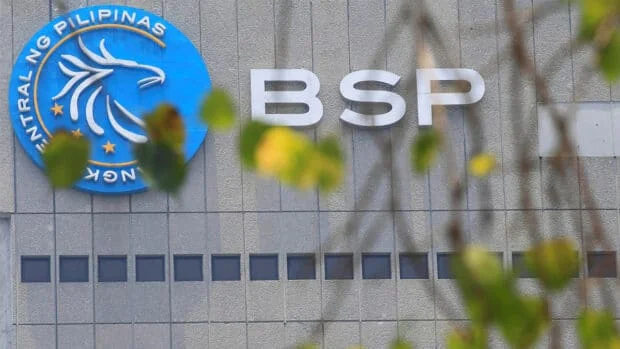
PH financial system resources exceed P38T
MANILA, Philippines — The total funds and assets held by the Philippines’ financial institutions climbed to a fresh record high in June, crossing the P38-trillion mark for the first time as lenders continued to expand credit and attract deposits despite the fallout from a prolonged conflict in the Middle East.
Excluding the funds and assets of the central bank, the total resources of the country’s financial system rose 8 percent from a year earlier to P38.3 trillion, data from the Bangko Sentral ng Pilipinas (BSP) showed.
READ: PH financial system resources hit new high
Article continues after this advertisement
The total reflects the financial sector’s available resources, including cash, loans, deposits, capital and investment securities, as well as reserves that regulated institutions maintain to absorb potential losses and safeguard financial stability.
The amount was the highest on record, dating back to 1970.
The steady expansion suggests that banks remain well-positioned to meet the financing needs of households and businesses, providing support for an economy that continues to navigate risks from geopolitical tensions abroad.
Figures showed banks continued to corner the bulk of the total resources of the domestic financial system, holding over 83 percent of the pile. Total funds and assets held by banks amounted to P32 trillion as of June, up by 10 percent.
READ: PH financial system resources rose by 11%
Article continues after this advertisement
Broken down, the resources of big lenders went up by 11 percent to P30 trillion, while thrift banks posted a growth rate of 7-percent expansion to P1.5 trillion.
Digital banks saw their resources surge by over 46 percent to P208.4 billion. Funds and assets of rural and cooperative banks grew by 38 percent to P587 billion.
Article continues after this advertisement
Lastly, resources of nonbank financial institutions like investment houses, pawnshops, insurance companies, and state-run pension funds edged up by 3 percent to P6.3 trillion.
Regulators have said the war in the Middle East presents a meaningful but manageable risk to the Philippines’ financial stability, noting that the banking system has limited exposure to Gulf nations even as some Philippine companies could face mounting pressure from the conflict’s economic fallout. The main transmission channels, they said, run through imported inflation, a wider current account deficit and tighter external financing conditions, which could weigh on growth and increase credit risks if sustained. INQ