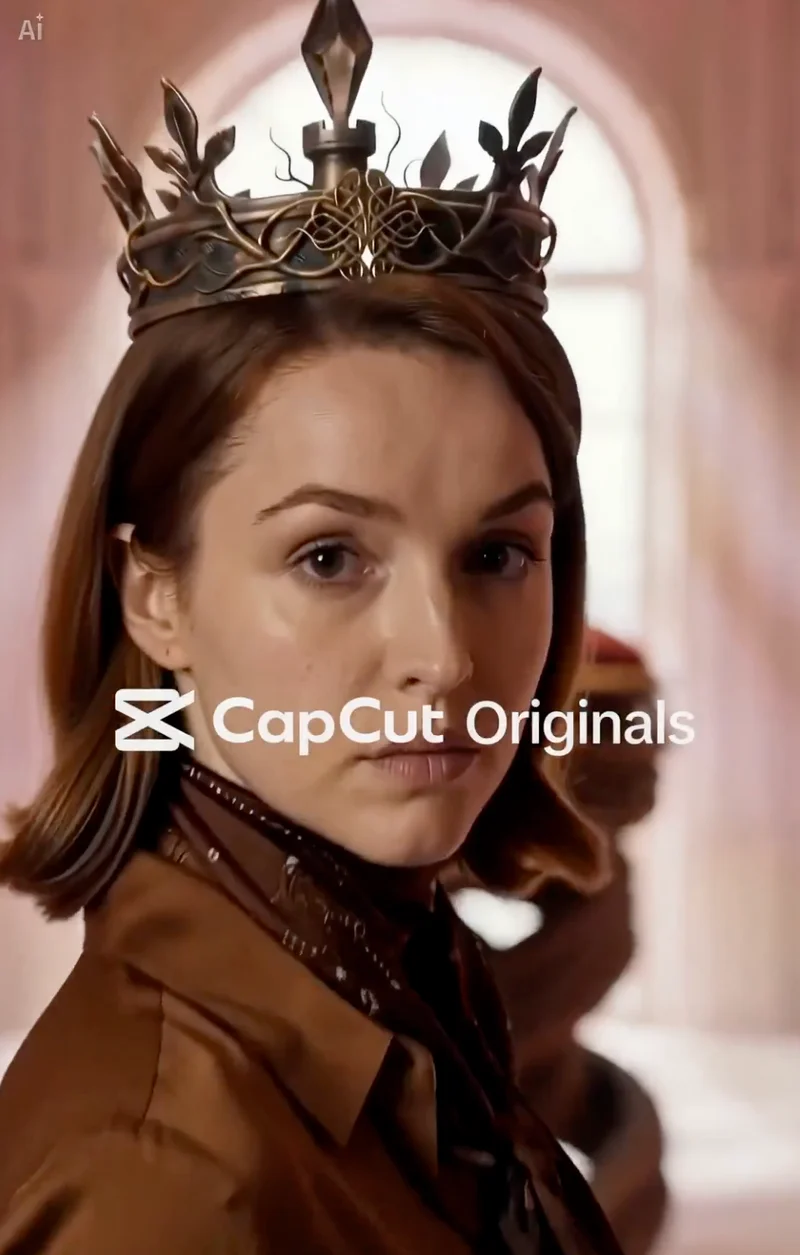
AI video has improved quickly over the past two years. Tools from Runway and Pika to Veo and Seedance can now turn a prompt into a polished clip in minutes.
That progress has changed what creators expect. Generating one strong shot is no longer the biggest challenge. For anyone producing a YouTube series, branded campaign, educational video, short film, or episodic project, the harder part is making dozens of shots feel as though they belong to the same world.
Characters need to remain recognizable. Locations, lighting, props, camera direction, and story details all need to carry over. Once a project grows beyond a few isolated clips, the work starts to look less like prompting and more like production.
The True Price of Trial and Error
Most creators do not spend the majority of their time waiting for a render. They spend it trying again.
A character looks right in one shot but different in the next. A room loses its layout. Framing drifts, lighting changes, and small details disappear. Sometimes a prompt that worked yesterday produces a different result today.
None of these problems is disastrous on its own. Together, they create a bottleneck. Every inconsistency forces another decision: regenerate the scene, rewrite the prompt, edit around the problem, or accept that the sequence will not match.
Creators also tend to work across disconnected tools. One platform handles generation, another editing, another stores reference images, and a separate document tracks characters, locations, or story details.
That may work for a short experiment, but it becomes harder with recurring characters, multiple episodes, or a growing library of assets. Information gets lost, and creators end up rebuilding work they have already done.
Consistency Is Becoming a Creative Necessity
Exploration is one of generative AI’s greatest strengths. Unexpected outputs can spark ideas that might not emerge through a conventional process. But experimentation is only useful when creators can decide what to keep.
Once a visual style, character, setting, or story direction has been established, it should become part of the project’s foundation rather than something that must be rediscovered with every prompt.
Traditional film production has always treated continuity as practical work. Wardrobe, props, framing, and set details are tracked because stories fall apart when those elements change without explanation. Storyboards and production notes help one day’s work connect with the next.
AI video is running into that same reality. For a one-off clip, inconsistency may be easy to overlook. For a short drama, branded series, or original IP, it becomes a production problem.
This is why the next phase of AI video may be less about generation alone and more about creation.
From Individual Prompts to Structured Workflows
As video models improve, the differences between platforms are moving beyond image quality and rendering speed. Creators increasingly need an environment where they can develop an idea, organize the story, generate scenes, edit results, and manage the assets that make a project recognizable.
This is where the idea of a creative ecosystem becomes important. For AI video creators, the value of an ecosystem is not simply having more tools available. It lies in making the key stages of production work together as one connected process. Story planning, generation, editing, asset management, and refinement need to remain linked if a creator wants to build a consistent visual world across multiple scenes.
When these steps are separated across disconnected platforms, creative context can easily be lost. A character reference may not carry over to the next tool, a scene may drift away from the original visual direction, or a minor revision may require creators to rebuild work they have already completed. An integrated workflow can reduce this friction by keeping creative decisions, production assets, and story logic connected from the initial concept through to the final output.
Characters and locations can become reusable production assets rather than elements that must be described again from scratch in every prompt. Scripts and storyboards provide a clearer structure for individual scenes, while centralized asset management helps preserve the visual details that need to remain consistent throughout the project.
Director Mode also includes AI-assisted support for concept development, scriptwriting, and production planning. These tools are most valuable when they reduce repetitive work and help creators organize their ideas, rather than attempting to replace creative judgment.
The broader idea is simple: AI video production should not require creators to rebuild their story every time they move to a new tool. A connected creative ecosystem can make the process more structured, more consistent, and easier to manage from concept to final production.
The Next Stage of AI Video
AI video is moving from experimentation toward production. That does not mean creators will stop exploring. It means they need better ways to decide which ideas become part of a project and carry those decisions forward.
Creative certainty is not about removing surprise. It is about reducing the unnecessary work between one good result and the next.
CapCut’s broader direction reflects this change. By connecting AI creation, editing, planning, and asset management, it is moving toward a more continuous creative environment rather than treating each stage as a separate task.
The future of AI video may not belong to the platform that produces the greatest number of clips or generates them a few seconds faster. It may belong to the tools that help creators keep a character consistent, return to a familiar world, build on earlier decisions, and continue a story without starting over every time.
This story was distributed as a release by Jon Stojan under HackerNoon’s Business Blogging Program.