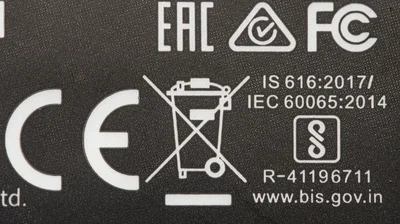
Here's what that trash can with an X icon means on your electronics
It's the official marking of the EU's Waste Electrical and Electronic Equipment Directive.
Hasim Ramle/Shutterstock
We may receive a commission on purchases made from links.
Flip over almost any electronic device and you'll likely spot a small icon that looks like a wheeled trash can with an X through it. As small as that symbol is, it carries a meaningful message that connects to a global conversation around e-waste and what happens to your gadgets when you're done with them.
The crossed-out trash bin is the WEEE marking, a European Union regulation that means the product must not be thrown in with regular trash. It signals that the device needs to be collected for proper recycling. While this symbol is mandatory on most electronic equipment in the European Union, it shows up on tech across the world.
What is the crossed-out wheeled bin symbol on electronics?
The crossed-out trash bin is the official marking of the WEEE Directive. That's short for Waste Electrical and Electronic Equipment Directive. Established by the European Union, this rule requires that electrical and electronic equipment be disposed of separately from regular household waste. The symbol is pretty straightforward too: do not throw this thing in the trash.
So what are the requirements for WEEE labeling? The label must include three elements, per EU requirements. First, there's the crossed-out trash bin symbol we've been talking about. Then, there's the product identifier such as the brand name, trademark or corporate logo. Thirdly, the manufacturer must clearly communicate that the product was placed on the market after August 13, 2005 when the directive went into effect. This is usually done through a thick, solid horizontal bar printed under the trash bin symbol or an explicit date.
The symbol appears on a wide range of products from fridges and washing machines to smartphones, laptops, smartwatches, toasters, hair dryers, TVs, monitors and so on.
Does the WEEE symbol appear on products sold in the US?
Hasim Ramle/Shutterstock
The WEEE symbol is a European regulation, so it's not legally required on products sold exclusively in the US. That said, you'll spot it on many US products because manufacturers often produce a single global version of their devices.
While there is no US federal requirement, over 25 US states have passed their own e-waste recycling laws that ban electronics from landfills.
Why does responsible e-waste recycling matter?
Electronics typically contain materials that don't belong in a landfill, like lead, cadmium, mercury, and other hazardous substances that can leach into soil and water. They also contain valuable recoverable materials like rare earth metals and copper. E-waste is a growing problem and the crossed-out bin symbol exists precisely to keep these materials out of the general waste stream.
The crossed-out trash can symbol isn't just a regulatory checkbox, but rather a reminder that electronics have an environmental footprint both when they're made and when they're retired. Recycling your old devices the right way will keep hazardous materials out of landfills and recover valuable components for reuse.
How to dispose your old electronics the right way
Huseyin Asliyuce/Getty Images
In the US, there may be no federal recycling law, but there are plenty of practical options available. Companies and government entities make it possible to recycle your used and unwanted gadgets easily.
Best Buy accepts most electronics at its customer service counter, or you can mail them in. Staples has a similar policy, but you can only bring in seven items a day. Home Depot and Lowe's have drop-off bins for rechargeable batteries, old phones, and CFL bulbs. Target also has designated e-waste bins near store entrances for things like cellphones and ink cartridges.
Many device manufacturers also run their own trade-in or recycling programs, including Apple and Dell. Amazon also has a trade-in program available and usually offers good deals if you're swapping out Amazon-branded products like Kindles, Ring doorbells or Fire TVs, to name a few.
The little crossed-out bin is easy to miss, but what it represents is hard to overstate. Every discarded phone, laptop, tablet or monitor that ends up in a landfill is a missed opportunity to recover valuable materials, prevent hazardous ones from entering the environment and reduce the demand for new resource extraction.
Even if you live somewhere that never legally mandates the symbol, the logic behind it applies everywhere. Responsible disposal isn't just a European concern or an American one — it's the right call to make everywhere in the world.