Archaeological survey in Taft identifies ruined structures, stone tools
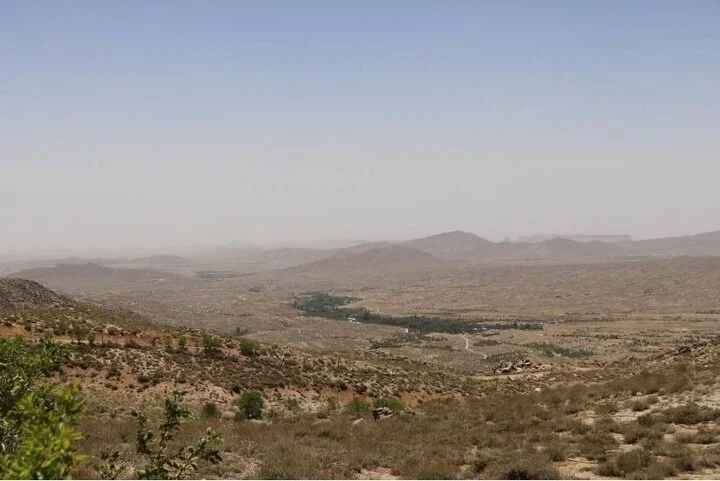
TEHRAN - The first systematic archaeological survey of the Nir and Garizat districts in Taft county, central Iran, has been completed, identifying ancient sites, historic fortifications, water-management structures, cemeteries and stone tools, a provincial heritage official said.
Mohammadreza Falahati, deputy head of the Cultural Heritage, Tourism and Handicrafts Department of Yazd province, said the fieldwork began in May 2026 and covered all designated areas of the two districts over 35 days.
The districts cover about 2,350 square kilometers and are considered important areas for archaeological research because of their diverse landscapes, water resources, ancient settlements and historic communication routes, Falahati said.
The survey identified and documented a range of cultural remains, including archaeological sites, castles and defensive structures, historic buildings, water-management and transmission facilities, historic cemeteries and other cultural evidence.
The identification and documentation of a considerable number of historic castles was among the most significant results of the survey, the official said, highlighting the area's role in past settlement networks and defensive systems.
Fakhraabad castle, described by the official as one of the largest castles in Yazd province, was among the most notable structures documented during the project.
The survey also identified several archaeological mounds that could provide information about ancient settlements and cultural developments in the area. Further research could shed light on the history of human settlement in this part of Taft county, Falahati said.
A number of stone tools were also discovered during the survey. According to Falahati, the finds could provide new insights into the prehistoric period in southwestern Yazd province.
The locations of all identified remains were recorded using positioning systems, while individual files were compiled for each site, including descriptive reports, photographic documentation, technical surveys, geographic coordinates and assessments of conservation conditions.
Moreover, natural and human threats to the sites were also assessed to support future conservation, research and management plans, Falahati said.
With the fieldwork completed, the project has entered its data-processing phase, including map preparation, completion of the spatial database and compilation of the final report.
Given the number and diversity of sites identified and the size of the survey area, the project is expected to contribute to a better understanding of settlement patterns, the use of natural resources, historic communication routes and cultural developments in Taft county, Falahati said.
Taft, in central Yazd province, is known for its historic and cultural heritage. The area was also associated with Sufi poet Shah Nimatullah Wali in the 15th century.
AM