Every day, ordinary people become content without knowing it. Someone films a stranger on the subway and posts it. A man records a woman on her lunch break and uploads it to TikTok.
The devices vary—cell phones, smart glasses and dashcams—but the result is the same: real people, filmed without consent and distributed to millions.
For most people who find themselves in someone else’s content, the law offers less protection than they probably expect. So the most immediate solution may not come from a courtroom. It comes from an outraged comment section.
The Footage Is Already Out There
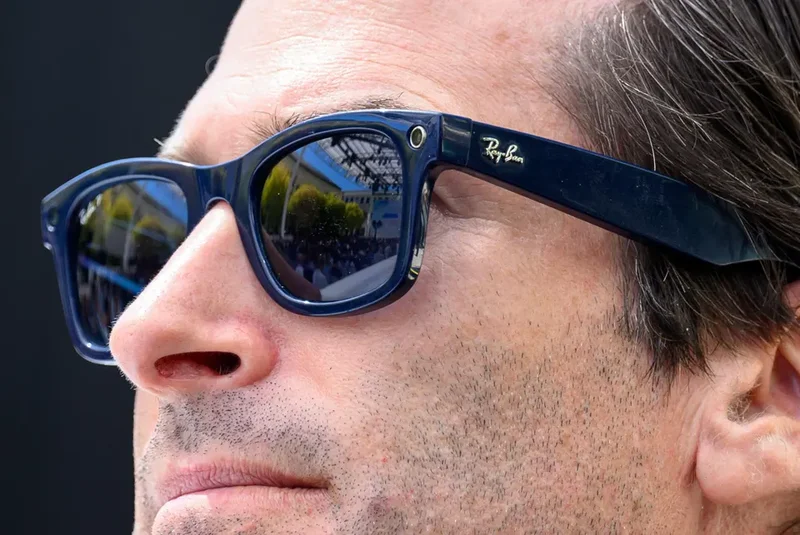
Cell phones remain a common recording device. But smart glasses—like Meta’s Ray-Ban glasses, which look like ordinary sunglasses and sell in the millions—have added a new dimension to the problem.
A single small LED light flickers when the camera is active, explains Forbes contributor Tim Bajarin, but is easy to miss, ignore or not understand. And “there are modifications and loopholes that can be used to capture video without the light being turned on,” writes Forbes staff Antonio Pequeño IV.
The consequences for the people filmed are real.
Manic Muse, a DJ and music producer in Texas, gave her number to a man who approached her in a grocery store. The interaction seemed normal until she discovered he was wearing Meta smart glasses the entire time.
He posted the footage without her permission despite her asking him not to. The video received 23 million views. “I didn’t consent to being secretly recorded,” she told Mashable, “and I definitely didn’t consent to becoming content for millions of strangers.”
Dilara, a 21-year-old woman, discovered she had been secretly filmed during a lunch break interaction with a man wearing smart glasses. The video received 1.3 million views on TikTok and included her phone number, leading to a wave of harassing calls and messages.
An investigation by BBC News identified dozens of accounts built entirely around covertly filming women in gyms, airports, malls and on public transit.
These aren’t isolated incidents. And the phenomenon extends well beyond smart glasses. There are entire genres of social media content built on filming strangers—on the subway, at restaurants, in stores and on the street—without their knowledge or consent.
What The Law Actually Covers
The legal framework governing this space is based on a civil liberty that predates social media: the right to privacy. But U.S. courts and legislatures generally afford less protection to content captured in public.
For example, the California Invasion of Privacy Act (CIPA) makes it a crime to record a confidential communication without consent. But it excludes communications where parties might reasonably expect to be overheard. A person walking down the street or shopping at a grocery store generally has no reasonable expectation of privacy.
Other jurisdictions, like New York and Florida, have similar privacy statutes that carry similar limitations.
The California Legislature is considering an amendment to CIPA that would prohibit the use of wearable recording devices, like smart glasses, inside a place of business. Even if it passes, it wouldn’t cover other public spaces like parks and parking lots.
A person could bring civil claims against another who posts a secretly recorded video without consent. But it is a long, uphill battle depending on the facts.
Defamation requires the publication of a false statement that causes reputational harm or special damage. A person probably wouldn’t prevail on this type of claim unless the poster edited the video to misrepresent what actually happened. Even then, the analysis is fact-specific and the remedy is slow.
The right of publicity requires that the poster used someone’s name, image or likeness for commercial advantage without consent. A content creator with a sponsored channel posting videos of strangers may have more legal exposure here. But again, the analysis is fact-specific and the remedy is slow.
Posting a victim’s personal contact information—like what happened to Dilara—may also implicate harassment or anti-doxxing statutes in some jurisdictions. But those claims, too, are fact-specific.
Where Pressure Actually Comes From
The fastest-moving lever for change is platform policy. But platforms like Instagram and TikTok don’t always remove content on their own. Sometimes it takes public pressure.
Amid backlash, Instagram head Adam Mosseri publicly committed to removing videos that use smart glasses to harass or covertly film people. And TikTok initially found no violation of its policy when Dilara reported her video, but later removed it once BBC News intervened.
The law moves slowly. Legislation is narrow. But platforms respond to sustained outrage in ways that courts and legislatures often don’t. For now, the most effective tool available may not be the law. It’s an outraged comment section.