In an effort to boost self reliance in defence, the Department of Defence Production (DDP) has notified the sixth positive indigenisation list. The sixth list has added 405 additional items to the list of weapons, platforms, systems and sub-systems that Indian industry will now be expected to make at home rather than import. The items in the list are estimated to generate around Rs 3,070 crore worth of business opportunity for domestic manufacturers.
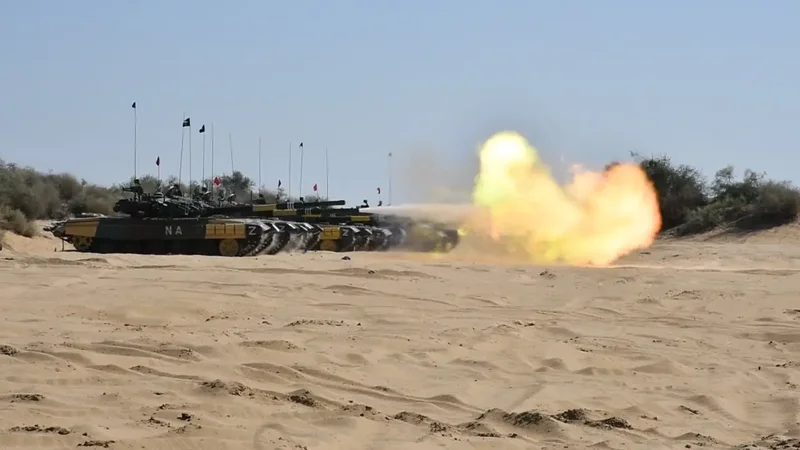
The list itself reads like a fairly wide cross-section of the country's weapons and systems inventory. It covers line replaceable units, sub-systems, sub-assemblies, spares, components and raw materials. These systems span air platforms such as the Advanced Light Helicopter, Light Utility Helicopter, Su-30MKI, Light Combat Aircraft and the AL-31FP engine which powers the Su-30 MKI. Armoured platforms such as the T-72, T-90 and BMP-II, will no longer be imported. These armoured platforms are currently assembled at the Heavy Vehicles Factory (HVF) in Avadi in Tamil Nadu. Missile systems such as the Konkurs-M, Invar and MRSAM, and a string of defence electronics ranging from radars and sonars to fire control systems as well as satellite communication equipment, alongside High Explosive Anti-Tank ammunition will now not be imported.
Each item on the list comes with an indicative timeline for indigenisation, after which it will be sourced from Indian industry rather than imported. The DPSUs are expected to pursue this through their existing Make procedure and in-house development routes, with MSMEs likely to play a significant role, as they have on previous lists. The full details have been uploaded to the SRIJAN Defence Portal, the DDP's dedicated platform for offering such items to industry, which has now facilitated the offer of more than 33,000 defence items for indigenisation since it was launched in August 2020, of which 5,012 came through the previous five Positive Indigenisation Lists.
The numbers behind this exercise suggest it has moved well past being a symbolic gesture. Over 15,700 defence items have already been successfully indigenised, translating into an estimated import substitution of about Rs 9,000 crore over the last five years, while DPSUs have placed procurement orders worth roughly Rs 10,000 crore on domestic vendors up to March this year, a fair chunk of that through in-house production.
Taken together, this sixth list fits squarely into the broader
Aatmanirbhar Bharat push in defence manufacturing, one that has steadily chipped away at India's historical reliance on imported components for even fairly routine platform maintenance. Whether this latest batch of 405 items gets absorbed by industry at the same pace as earlier lists will depend largely on how quickly MSMEs can scale up capability, but the direction of travel, at least on paper, looks unmistakably towards building more of this hardware at home rather than buying it abroad.