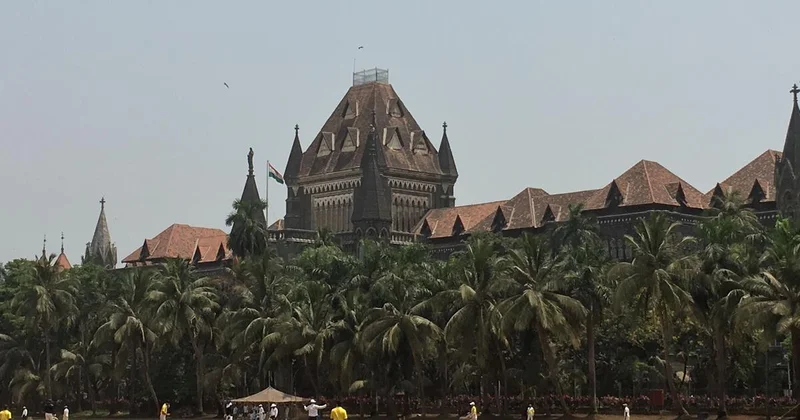
The Bombay High Court granted bail and suspended the life sentence of a man convicted of murdering anti-superstition activist Narendra Dabholkar. The prosecution said that Sachin Andure was one of those who shot Dabholkar dead in August 2013.
The order came more than three months after the High Court granted bail to Sharad Kalaskar, who has also been convicted in the case.
Andure had approached the court seeking that he be granted bail while his appeal against his conviction was pending. Dabholkar’s family had opposed bail, arguing that it would send the wrong message to society. Read on.
The Supreme Court said that it will set up a committee to look into the alleged excessive force used by the police during last month’s youth protests and violence against security forces. The panel will comprise a former judge of the Supreme Court, a former chief justice of a High Court and a senior retired police officer.
The bench said that it will pass the order on Wednesday, adding that it will consider using its extraordinary powers to quash first information reports against protesting students who do not have criminal antecedents. Read on.
The Supreme Court of Pakistan ordered that jailed former Prime Minister Imran Khan be moved to hospital for medical treatment, his political party said. The directive meets a longstanding demand by Khan’s Pakistan Tehreek-e-Insaf party and his family who have been raising concerns about his health and poor incarceration conditions.
The court ordered the authorities to take Khan to hospital within 48 hours, a party spokesperson said. He will remain in hospital till September 16.
The bench was hearing cases relating to Khan allegedly not being allowed to meet his sisters and personal physicians, and about his medical record. Read on.
The Prime Minister’s Citizen Assistance and Relief in Emergency Situations Fund had a corpus of Rs 8,452 crore by the end of the financial year 2024-’25, showed audit statements. It reported an expenditure of Rs 87.8 lakh, mainly towards the PM Cares for Children Scheme. This meant that the fund had utilised only 0.01% of the corpus available in the financial year, social activist Anjali Bhardwaj noted.
During the fiscal year, the fund received more than Rs 1,270 crore in domestic and foreign donations, interest on deposits and refunds from implementing agencies. Nearly 93% of the funds available at the end of the financial year had been held as fixed deposits.
The fund was created in March 2020 as the Covid-19 pandemic started with the objective of being a dedicated national corpus to deal with “any kind of emergency or distress situation”. But Opposition parties have raised questions about its transparency and the need to create the new reserve when the Prime Minister’s National Relief Fund already existed. Read on.
The Supreme Court dismissed a petition seeking an alternative painless method of carrying out the death penalty instead of hanging. However, the bench said that the dismissal of the petition does not mean that future constitutional scrutiny of the matter has been closed.
The matter may be considered again if “compelling scientific, medical or empirical evidence” regarding alternative ways to carry out the death sentence is produced, it added.
The court also observed that its verdict does not prevent the Union government from reviewing the existing method of execution through an expert panel. Read on.
We welcome your comments at letters@scroll.in.