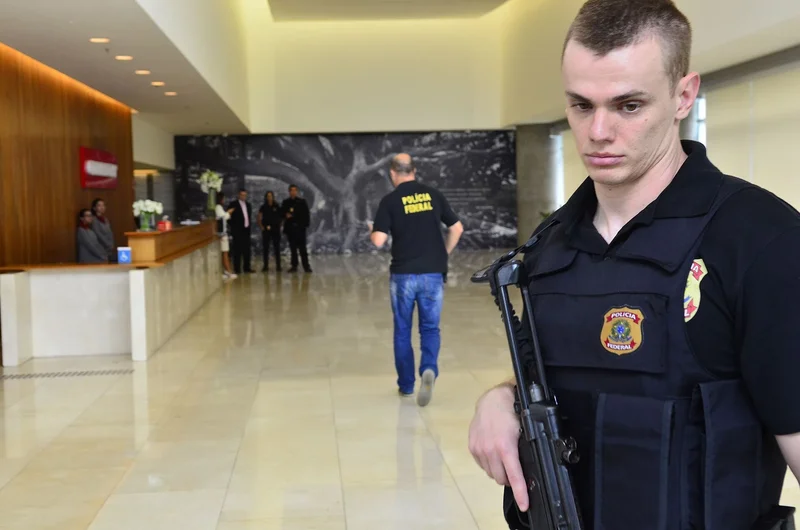
Operation Sinon: Brazil Court Suspends Federal Police Officer Over Leaks
Brazil · Justice
The alleged file-selling ran since 2023 and helped gangs tied to cigarette smuggling, slave labour and money laundering, investigators say.
Operation Sinon began at dawn on 19 August 2026, and the target was a federal police officer himself. Brazil’s Federal Police say one of its own chiefs sold sealed investigation files to businessmen for money.
He has not been arrested, and he is presumed innocent.
What Operation Sinon Is About
Operation Sinon is an internal corruption case. Brazil’s Federal Police turned its investigative machinery on a serving officer of its own.
The suspicion is simple to state. Since 2023, investigators say, the officer looked up sealed case data and passed it to people under investigation.
Because those people were paying, the police call it bribery. However, nothing has been proven, and no charge has been tested in court yet.
Who the Investigators Named
The target is a delegado, the Brazilian rank for a federal police chief who runs investigations. Brazilian media, led by G1, named him as José Navas Júnior.
He has served 22 years in the force and works out of Marília, in the interior of São Paulo state. In addition, reports describe him as a digital data-security specialist.
G1 said it tried to reach his defence lawyers, yet had no reply by the time it published. So his side of the story is still missing.
How the Alleged Scheme Worked
Federal police officers can query powerful internal databases. That access is logged, restricted and meant only for live casework.
According to the Federal Police, the officer ran targeted searches on named people and open case files. The results were then allegedly handed to the very people being investigated.
The purpose, investigators say, was to let those people take steps to hinder or frustrate police operations. In short, the tip-offs allegedly bought them time.
Where the Searches Landed
Agents served eight search-and-seizure warrants on the morning of the operation. They covered addresses in São Paulo state and in Rio Grande do Sul, far to the south.
The spread matters, because it suggests the alleged network was not local. Still, police have not published a city-by-city list of the addresses raided.
What the Court Actually Ordered
The warrants came from the 1st Federal Court of Marília, in inland São Paulo. That is a first-instance federal judge, not a high court.
This detail matters for foreign readers. Brazil’s biggest political probes run through the Supreme Federal Court, but this one does not.
Alongside the searches, the judge imposed precautionary measures on the officer. He is suspended from public duty and barred from Federal Police buildings, systems and technology.
No Arrest, and Why That Matters
Nobody was arrested in Operation Sinon, at least not on the day it ran. Preventive detention was not among the measures reported.
That is a meaningful line to hold. Searches and suspensions are investigative steps, whereas an arrest signals a judge sees flight or obstruction risk.
Under Brazilian law, everyone stays innocent until a final conviction. Therefore the officer’s guilt or innocence remains an open question.
Who Allegedly Paid for the Files
The buyers, police say, were businessmen already in the crosshairs of earlier investigations. Two of them are targets of this operation as well.
Lawyers allegedly acted as middlemen for the payments, and they are also under scrutiny. No company names or personal names of the buyers have been released.
As a result, the commercial side of the case is still a sketch. Investigators say they are still mapping who paid, and how the money moved.
Which Criminal Groups Allegedly Benefited
The leaked material allegedly helped organisations working across several rackets. Police list cigarette smuggling, slave labour and money laundering.
Environmental crime and the diversion of public funds round out the list. Together, they describe a broad slice of Brazil’s federal caseload.
For example, cigarette smuggling across the Paraguayan border is a long-running federal priority. Advance warning of a raid would be worth real money to such a network.
The Money Trail Is Still Sealed
The judge ordered assets blocked and seized as part of the operation. Even so, no figure has been published for the sums involved.
No bribe total, no seized-cash number and no frozen-asset value appear in the official note. Any US$ conversion would therefore be invention, and we will not offer one.
Brazil’s real traded near 5.22 to the US dollar on 19 August 2026. That rate will matter once real figures emerge, but not before.
What the Charges Would Be
The Federal Police list four lines of inquiry. They are breach of official secrecy, passive and active corruption, criminal association, and obstructing an organised-crime investigation.
None of these are formal charges yet. Prosecutors must first decide whether to file, and a judge must then accept the case.
Why the Name Sinon Fits the Story
Brazilian police love a codename, and this one carries a message. Sinon was the Greek who talked Troy into wheeling the wooden horse inside its walls.
The Federal Police did not publicly explain the choice. Yet the image of betrayal from within is hard to miss.
What Happens Next in Operation Sinon
Investigators will now sift phones, laptops and system access logs taken in the searches. Those logs are the core evidence, since every database query leaves a trace.
The Federal Police say the inquiry continues, and that more people may be identified. Meanwhile the suspended officer keeps his job title but loses his access.
A federal prosecutor will eventually decide whether to bring charges. Until then, nothing here is settled, and the presumption of innocence stands.
Frequently Asked Questions
What is Operation Sinon?
It is a Brazilian Federal Police operation launched on 19 August 2026 against one of its own senior officers. Who is suspected of selling sealed investigation files to businessmen for money.
Was the police officer arrested?
No. A federal judge in Marília ordered searches. Suspended him from duty and barred him from police buildings and systems, but no arrest was reported.
Which court authorised the operation?
The 1st Federal Court of Marília, in inland São Paulo state. It is a first-instance federal court, not Brazil’s Supreme Federal Court.
How much money is involved?
No figure has been made public. Judges ordered assets frozen and seized, but the Federal Police have not disclosed a bribe total or a seized-cash amount.
This article was produced by The Rio Times’ automated newsroom system. How we use AI · Report an error