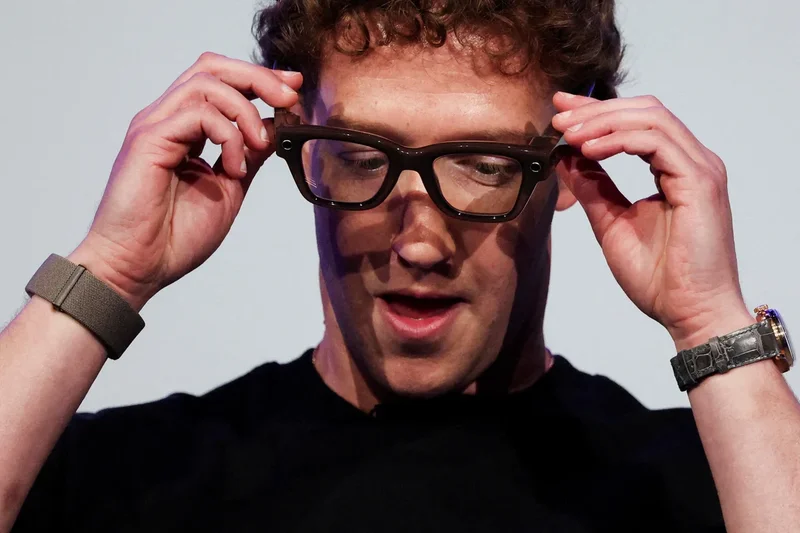
A growing number of cinemas are restricting or banning Meta smart glasses due to privacy and piracy concerns, an industry body has said.
The sector has become the latest to clamp down on the wearable devices, following action by pub operators and theatres in recent weeks.
According to the UK Cinema Association (UKCA), many venues are currently reviewing their internal policies surrounding smart glasses.
As a result, numerous locations have already prohibited or restricted their use by cinemagoers.
A UKCA spokesman said: “UK cinema operators are aware of the increasing availability and use of wearable technology such as smart glasses and the extent to which these can provide benefits to those with specific access requirements.
“However, they are also mindful of the issues around privacy and film piracy that arise around the use of such technology in cinemas, and as a result many are introducing policies to prohibit and/or restrict the wearing of camera-enabled smart glasses in particular in their venues.
“This is clearly a developing area, and we will continue to work with our members to ensure their approach remains relevant and proportionate.”
ATG Theatres, which owns the Bristol Hippodrome, Edinburgh Playhouse and various theatres across London, has said that filming is not allowed and that those wearing the glasses during shows will be asked to remove them.
A number of pub firms, including Wetherspoons, have indicated that they will not allow people to record with the glasses inside their venues.
The move follows growing scrutiny of smart glasses over their recording capabilities, with courts in England and Wales this month prohibiting Meta smart glasses because of restrictions on taking images and videos in courts.
Meta first started selling Meta glasses in 2021 but has seen demand grow in recent years on the back of partnership with brands Ray-Ban and Oakley, with around seven million pairs sold last year.
The technology company said it recognises that films should not be recorded without authorisation.
A Meta spokeswoman said: “People use our glasses because they’re helpful and let them stay in the moment, from listening to music to live translation or hands-free calls.
“They also provide critical new technology for people in the blind and low vision community and limiting how people can use this technology would be a major step backwards.
“Naturally some places shouldn’t be filmed at all and that’s reasonable but rules should be applied consistently.”