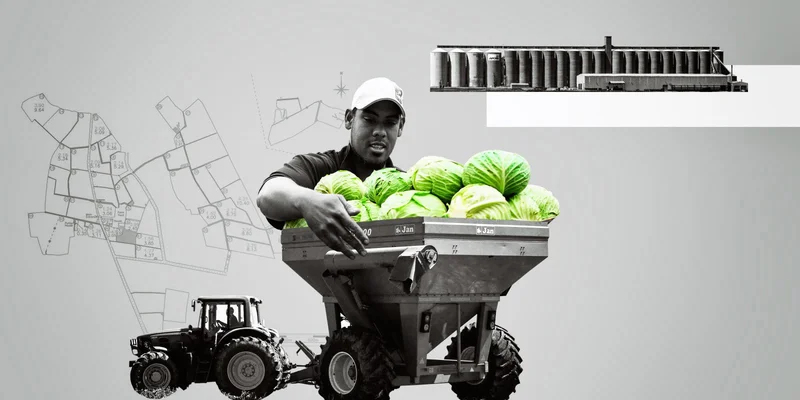
On 23 July, the non-profit organisation SA Urban Food, together with Farming Trust and Solve@Waterfront, the sustainability and social impact unit of the V&A Waterfront, hosted a panel discussion about regenerative agriculture.
The discussion took place at Makerâs Landing at the V&A Waterfront and was part of SA Urban Food and Farming Trustâs annual Food Indaba.
The panellists were Kobus Pienaar, who leads Woolworthsâ Farming for the Future initiative, agro-ecologist Rirhandzu Marivate from the SA Urban Food and Farming Trust, and food activist and general manager of the Den Anker restaurant, Rejeanne Vlietman.
The discussion was facilitated by Daily Maverickâs human development editor, Zukiswa Pikoli.
Panellists underscored the role of small-scale farmers in regenerative farming.
Understanding regenerative farming
Regenerative farming is an approach that ensures that natural resources are not only restored after farming, but are in a better state than they were before the farming took place, Pienaar told the audience.
Part of this approach involves using fewer synthetic pesticides and fertilisers.
It is about assessing and understanding the damage caused by farming practices and then reversing the damage, said Pienaar, who acknowledged that regenerative agriculture has no strict guidelines and that each farm must tailor its approach to its own practices.
Marivate said that while there are certifications available for regenerative farmers, small-scale farmers tend to practise this approach without being certified, using techniques that include mulching, composting, intercropping and planting indigenous plants.
The challenges of small-scale farmers
Pienaar, Marivate and Vlietman agreed that small-scale farmers experience numerous challenges.
Vlietman reflected on Den Ankerâs trial programme of sourcing restaurant ingredients from small-scale farmers. She said big markets are hesitant to partner with small-scale farmers, due to concerns over whether they can grow enough crops quickly enough to meet demand.
Small-scale urban farmers, like those in Langa, face a tough dilemma: despite local food insecurity, high production costs prevent them from selling their crops to community members at affordable prices, according to Marivate.
Pienaar highlighted the costliness of regenerative farming.
âIt is R16 to R25,000 for a tonne of organic fertiliser for a small-scale farmer and a commercial farmer,â he said.
Small-scale farmers often face resource constraints that large commercial farms do not, said Pienaar. He noted that corporate partnerships hinge on strong planning and organisation; without a clear plan showcasing their skills, farmers struggle to win corporate backing.
Vlietman attributed these organisational challenges to a shortage of entrepreneurial training, noting that while farming expertise is inherited across generations, business acumen rarely is.
To address the shortage of business acumen, she proposed skill-sharing initiatives where established, large-scale farmers mentor small-scale producers to strengthen their operations.
Lack of support
The lack of entrepreneurial skills stems from the lack of support, said Marivate, and to address this, the government, civil society organisations and private corporate organisations must educate small-scale farmers about farm planning. Once they are taught entrepreneurial skills, theyâll have the potential to grow commercially.
Pienaar also underscored the importance of transferring skills. He argued that current farmers should draw lessons from their predecessors, emphasising that the most critical insight to pass down is a deep understanding of the market. To ensure their harvests sell, farmers must know exactly what consumers want. Sharing market intelligence, Pienaar noted, enables producers to sell directly to buyers â bypassing major retailers like Woolworths that eat into their profit margins.
âThat knowledge, for that specific crop, the father must hand over to the son. Because you canât open a book and say âthis is what the customer wants for carrotsâ,â he said, adding that small-scale farmers should group together to share expenses. DM