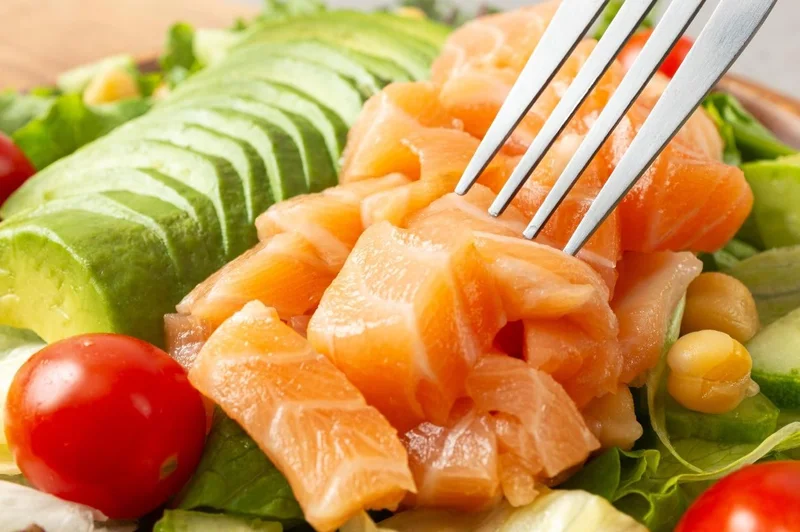
Try to maintain balanced diet that includes a variety of nutrient-rich foods rather than relying on a single food
Click here for more articles by Kormedi.com.
Summer takes a toll on more than just your energy levels. The intense sunlight and sweltering heat can also leave your skin looking more tired and aged.
Ultraviolet (UV) radiation is considered one of the main causes of premature skin aging. Strong UV exposure can damage elastin and collagen in the dermis, increasing the likelihood of age spots, fine lines and wrinkles.
A healthy diet can help protect the skin from premature aging, while poor dietary habits may accelerate the process. Based on information from Healthline and other health and medical sources, here are some foods that may help slow skin aging.
Why does skin look older after summer?
Summer can accelerate skin aging in several ways. To maintain an average temperature of around 31 to 33 degrees Celsius, the skin expands its capillaries and releases heat. As the skin works to dissipate heat, sebum production can increase, pores may appear larger and moisture can be lost. Strong UV exposure also increases the risk of hyper-pigmentation.
Research suggests that skin aging begins around the age of 35, when production of collagen, which helps maintain skin elasticity and moisture, begins to decline. From the 30s onward, wrinkles, age spots and other signs of damage can become more noticeable while skin elasticity decreases.
Because aging can progress more rapidly during this period, how well you care for your skin can make a difference in its overall appearance.
Applying sunscreen when going outdoors and using skincare products suited to your skin type are important, but diet also plays a role. Lycopene in particular may help protect the skin from UV damage and support the body's defenses against cellular damage. Foods rich in lycopene may therefore be a useful addition to a summer diet.
Foods that may help prevent skin aging
Tomatoes: Tomatoes are one of the best-known sources of lycopene, a powerful antioxidant responsible for their red color. Lycopene can help reduce cellular damage caused by free radicals and lower oxidative stress in the skin.
Tomatoes are also rich in vitamin C, a nutrient required for collagen production and therefore important for maintaining skin elasticity. Along with vitamin C, carotenoids and other antioxidants found in tomatoes work together to help protect cells from oxidative stress.
Fatty fish: Omega-3 fatty acids play a role in regulating inflammatory responses. Because chronic inflammation can contribute to skin damage and the aging process, adequate intake of omega-3s may support overall skin health.
Omega-3 fatty acids are also associated with the fats that make up skin cell membranes. Maintaining a healthy skin barrier can help reduce moisture loss and prevent excessive dryness.
Spinach: Spinach is another nutrient-rich food that can support tired skin. It contains vitamins B and C which contribute to normal tissue maintenance and repair. Spinach also contains chlorophyll and other plant compounds that may have antioxidant and anti-inflammatory properties.
It can easily be added to meals as a side dish or soup. However, applying homemade spinach masks directly to the skin is not recommended as such treatments can cause irritation or allergic reactions.
Nuts and seeds: Almonds and sunflower seeds are rich in vitamin E, an antioxidant that helps protect cells from damage.
Nuts and seeds also contain monounsaturated and polyunsaturated fats. Consuming these healthy fats in appropriate amounts can support the skin barrier and cell membranes and may help reduce moisture loss.
Walnuts contain alpha-linolenic acid, a plant-based omega-3 fatty acid that is involved in regulating inflammatory processes and may contribute to overall skin health.
Nuts and seeds also provide minerals such as zinc, selenium and copper, which are involved in antioxidant enzyme activity and the maintenance and repair of body tissues.
Berries: Berries such as blueberries, cranberries, raspberries and blackberries are known for their high antioxidant content. They provide vitamin C, vitamin E and various plant compounds that can help protect cells from oxidative stress.
By helping neutralize free radicals, these compounds may support overall health and healthy aging.
Blueberries are particularly rich in anthocyanins — antioxidant compounds that have been studied for their potential role in protecting collagen. Some research suggests that anthocyanins may help reduce collagen breakdown and support collagen production.
Protein-rich foods: One of the main reasons protein-rich foods are important for preventing skin aging is that they provide amino acids needed to build and maintain skin tissue. Collagen and elastin, which help give skin its structure and elasticity, are proteins.
When protein is consumed, it is broken down into amino acids during digestion. These amino acids are then used by the body to produce new proteins, including those needed for skin maintenance and repair.
Because the skin is constantly producing new cells and repairing damaged tissue, adequate protein intake is an important part of a balanced diet.
Avocados: Avocados contain vitamins C and E, both of which have antioxidant properties and contribute to maintaining healthy skin.
They are also rich in monounsaturated fats and contain a variety of B vitamins and minerals. Healthy dietary fats can support the skin barrier and help maintain moisture.
Rather than applying avocado directly to the skin as a homemade face mask, incorporating it into meals is a safer and more reliable way to obtain its nutrients. Avocado can be added to salads, sandwiches or whole-grain toast, or used as a source of healthy fat in a balanced meal.
Pomegranates: Pomegranates have long been associated with beauty and healthy aging. They contain vitamin C and a variety of plant compounds with antioxidant properties.
Pomegranates are particularly rich in polyphenols, which have been studied for their potential role in protecting cells from oxidative stress. Some research has also examined pomegranate compounds in relation to skin health and collagen preservation.
However, claims that pomegranates contain plant hormones that directly mimic human estrogen and prevent skin aging should be interpreted cautiously. Eating pomegranates can be part of a healthy diet, but they should not be considered a proven anti-aging treatment.
Frequently asked questions
Q. What is the best food for slowing skin aging?
A. Rather than relying on a single food, it is more important to maintain a balanced diet that includes a variety of fruits, vegetables, nuts, fish, beans, whole grains and other nutrient-rich foods.
Q. Can eating fruits rich in vitamin C help prevent wrinkles?
A. Vitamin C is an essential nutrient for collagen production. Foods such as citrus fruits, kiwifruit, strawberries and bell peppers can provide plenty of vitamin C as part of a balanced diet.
Q. Can drinking more water slow skin aging?
A. Adequate hydration is important for normal skin function and maintaining the body's fluid balance. However, simply drinking excessive amounts of water does not prevent wrinkles or stop the aging process.
Q. Can foods high in sugar accelerate skin aging?
A. Excessive sugar intake is associated with poorer metabolic health and may contribute to a process called glycation. Glycation can affect proteins in the body, including those involved in maintaining skin elasticity. Limiting excessive sugar intake is therefore a sensible part of an overall healthy diet.
Q. Can reducing processed meat and ultra-processed foods benefit skin health?
A. Reducing ultra-processed foods and excessive amounts of sugar, salt and saturated fat can improve overall diet quality and general health. Increasing the proportion of minimally processed, nutrient-rich foods such as vegetables, fruits, whole grains, legumes, fish and nuts is a better approach to supporting long-term health, including skin health.
This article from Kormedi.com, Korea’s top health care and medical portal, is translated by a generative AI system and edited by The Korea Times.
Explore More
- Q.
- Q.
- Q.