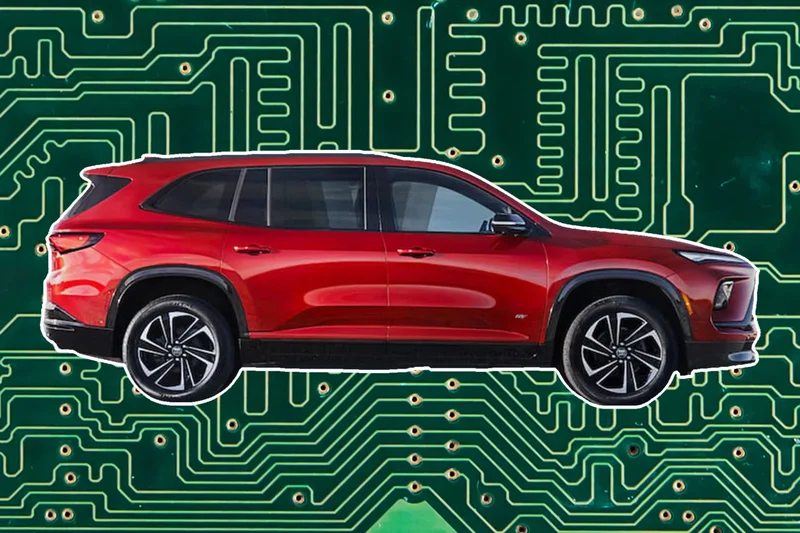
The AI-fueled memory shortage has already sent prices soaring for computers and video game consoles. Now, cars could be next.
Automakers around the world are beginning to respond to rising memory costs and tightening supplies. Most recently, General Motors said in its second-quarter earnings report that it expects North American vehicle pricing to climb about 0.5% this year. Additionally, GM Chief Financial Officer Paul Jacobson also told investors this week that the company expects to face between $1.5 billion and $2 billion in commodity inflation headwinds this year, including higher DRAM costs.
The comments came just weeks after GM and Ford separately signed long-term supply agreements with Micron to secure memory and storage components for future vehicles. The deals are meant to strengthen their supply chains just as AI data centers consume an increasingly large share of the worldâs memory production.
Tomâs Hardware reported earlier this year that huge data center projects like OpenAIâs Stargate are calling for hundreds of thousands more DRAM wafers per month, amounting to roughly 40% of global DRAM output.
In response to increased demand from AI companies, memory makers like SK Hynix, Samsung, and Micron have increasingly prioritized data center customers over consumer electronics companies. Micron even decided to wind down its consumer business brand, Crucial, to focus on data center demand.
That shift has helped fuel a memory shortage for consumer electronics companies, a crisis commonly referred to as the âRAMpocalypse.â
The shortage has already led Apple to hike prices on several products last month. Microsoft soon followed with its own Xbox price increases.
Meanwhile, GM is not the only automaker sounding the alarm over rising memory costs.
Nikkei Asia reported that Chinese EV giant BYD raised the price of its separately sold driver-assistance features by 20% earlier this year.
âDue to the significant rise in memory prices worldwide, we are implementing price increases to guarantee high quality,â the company said at the time, according to Nikkei.
In South Korea, Hyundai Mobis, the auto-parts subsidiary of Hyundai Motor Group, previously called on 23 domestic companies and institutions, including Samsung, to work together to strengthen its auto chip supply chain.
All of this comes as cars are being packed with increasingly advanced features that require even more memory.
Micron said back in 2023 that the average vehicle used about 90GB of RAM and NAND storage combined. It projected that figure would rise to roughly 278GB by 2026, with some high-end vehicles nearing 2TB.
More recently, Micron said the average car contains about 16GB of DRAM, while vehicles capable of Level 4 autonomous driving could require more than 300GB.