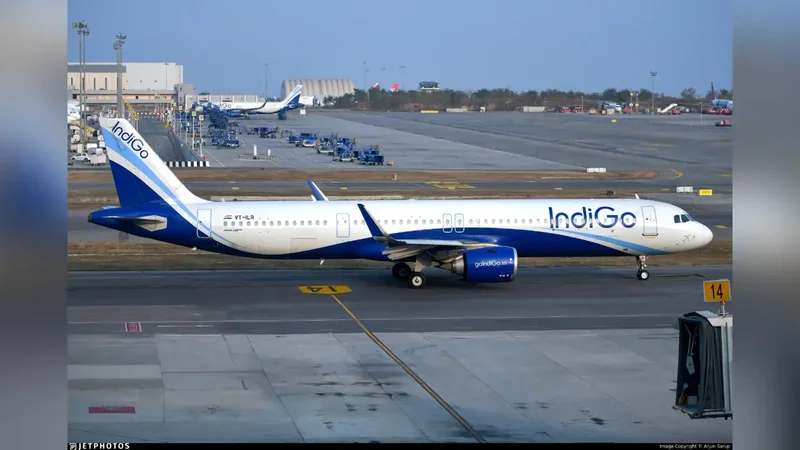
LUCKNOW: An IndiGo Airbus A321neo aircraft was grounded at Gorakhpur airport after suffering a tail impact during its landing approach on Wednesday afternoon.
The aircraft, operating flight 6E 2381 from Delhi to Gorakhpur, was an Airbus A321-252NX bearing registration VT-ILR. The aircraft was delivered to IndiGo in August 2021.
It carried out two go-arounds before making a successful landing on the third attempt at around 3.43pm as per
In a statement, IndiGo said the flight carried out a go-around during the landing approach in the interest of safety. The aircraft subsequently returned and landed safely at Gorakhpur airport. All passengers and crew members disembarked safely.
âDuring a regular post-flight walk-around, scratches were observed around the APU inlet. The aircraft is undergoing maintenance and will resume operations after the necessary clearances,â the airline said.
The aircraft has remained grounded at Gorakhpur airport since the incident.
A senior official at Gorakhpur airport said the technical issue linked to the tail impact had been resolved and that the aircraft was likely to depart on Saturday. The aircraft was awaiting the required technical and regulatory clearance before being released for service.
A tail impact refers to contact involving the aircraftâs tail or rear structure with a surface or object. During landing, such contact can occur if the aircraftâs nose is raised excessively during the flare, causing the rear fuselage or tail cone to come close to or touch the runway. The term is broader than âtail strikeâ and can also include contact with ground equipment, hangar structures, maintenance platforms or other obstacles.
In this case, scratches were observed around the APU inlet, an air intake located in the aft fuselage or tail-cone area (rear section of an aircraft's main body). The inlet supplies outside air to the Auxiliary Power Unit, or APU.
The APU is a small turbine engine that can provide electrical power when the main engines are shut down. It can also supply pneumatic air for engine starting and, when available, cabin air-conditioning and other aircraft systems.
Share your thoughts in the comments
Insightful Agree Disagree Skeptical Concerning Promising Worth Reading Big Development
Post Comment
Be respectful · TOI community guidelines
Sources noted that the Airbus A321's extended fuselage makes it more vulnerable to tail impacts. The Airbus A321neo has a longer fuselage, with an overall length of 44.51 metres, than most aircraft in its single-aisle category.
âThe APU inlet is part of the aircraftâs external fuselage structure, but it is not the fuselage itself. Any damage in this area may involve the inlet grille, surrounding fuselage skin, ducting or supporting structure. Such areas are inspected after a suspected tail impact before the aircraft is permitted to fly again,â an official source said.