Colombia · POLITICS
The new director has questioned the legal status of Colombia’s armed conflict, a stance that could reshape how victims’ stories are told.
Dmar Córdoba Salamanca, a critic of the 2016 peace accord, will run Colombia’s Historical Memory Centre. The journalist and lawyer was named director of the Centro Nacional de Memoria Histórica on 21 August 2026, according to Colombian outlets.
A New Director for the Historical Memory Centre
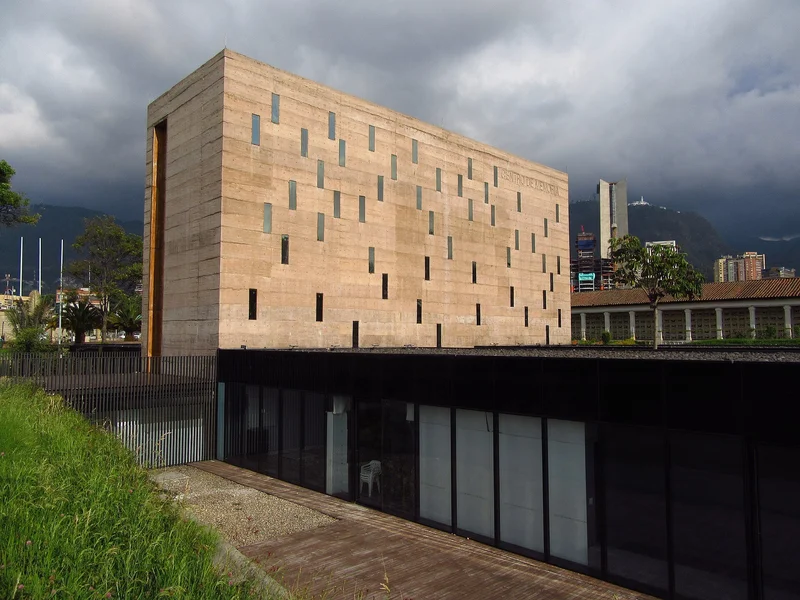
Dmar Córdoba Salamanca has been appointed to lead the Historical Memory Centre, a state body that investigates Colombia’s armed conflict. He is a journalist and lawyer by training.
Colombian media describe him as a critic of the 2016 peace accord. He has also questioned whether Colombia had an armed conflict at all.
The Centre’s Role in Colombia’s Conflict
Meanwhile, the Historical Memory Centre preserves academic and documentary work on the armed conflict. It compiles testimony and records of human rights violations and supports memorialisation.
This work is vital for victims who seek recognition and reparations. The centre’s role is to ensure their stories are not forgotten.
A Controversial Appointment
Córdoba Salamanca’s views have sparked concern among commentators in 2026. They warn of historical revisionism and argue that such a director undermines trust in the centre.
In fact, earlier appointments of directors who denied the conflict fractured confidence. Those appointments drew rejection from victims’ organisations and social groups.
The Legal Stakes of the Conflict Debate
In addition, whether Colombia’s violence constituted an armed conflict is not a technical quibble. The legal recognition underpins victims’ rights, reparations and the peace accord itself.
Therefore, a director who questions this could affect how the centre operates. His stance may influence the legal framework that protects victims.
Replacing María Valencia Gaitán
Córdoba Salamanca replaces María Valencia Gaitán, who ran the centre during Gustavo Petro’s government. She is the granddaughter of liberal leader Jorge Eliécer Gaitán.
Her tenure saw the centre focus on documenting the conflict. Now, the leadership changes hands under a new administration.
A New Political Era
As a result, abelardo de la Espriella took office as president of Colombia on 7 August 2026. His government has already made its mark on memory institutions.
Meanwhile, the appointment of Córdoba Salamanca signals a shift in approach. It remains to be seen how this will affect the centre’s work.
Victims’ Trust at Risk
Commentary in 2026 warns that a director who denies the conflict erodes trust. Victims rely on the Historical Memory Centre to validate their experiences.
For example, the centre’s testimony archives are crucial for legal claims. Without trust, victims may feel abandoned by the state.
Historical Revisionism Concerns
Overall, observers argue that the new director could promote historical revisionism. This would undermine the centre’s mission to preserve the truth.
Despite this, the appointment is now official. The centre’s future direction will depend on how Córdoba Salamanca interprets his role.
The Path Ahead for the Historical Memory Centre
The Historical Memory Centre faces a challenging period under its new leadership. The director’s views on the conflict will shape its priorities.
In short, the coming months will reveal whether the centre continues its core work. For now, victims and observers watch closely.
Frequently Asked Questions
Who is Dmar Córdoba Salamanca?
He is a journalist and lawyer who has been named director of Colombia’s Historical Memory Centre. Colombian outlets describe him as a critic of the 2016 peace accord.
What does the Historical Memory Centre do?
It is a state body that investigates and preserves academic and documentary work on Colombia’s armed conflict. It compiles testimony and records of human rights violations and supports memorialisation.
Why is the director’s stance on the armed conflict important?
The legal recognition of an armed conflict underpins victims’ rights, reparations and the peace accord. A director who questions this could affect how the centre operates and how victims are supported.
Who did Córdoba Salamanca replace?
He replaces María Valencia Gaitán, who ran the centre during Gustavo Petro’s government. She is the granddaughter of liberal leader Jorge Eliécer Gaitán.
This article was produced by The Rio Times’ automated newsroom system. How we use AI · Report an error