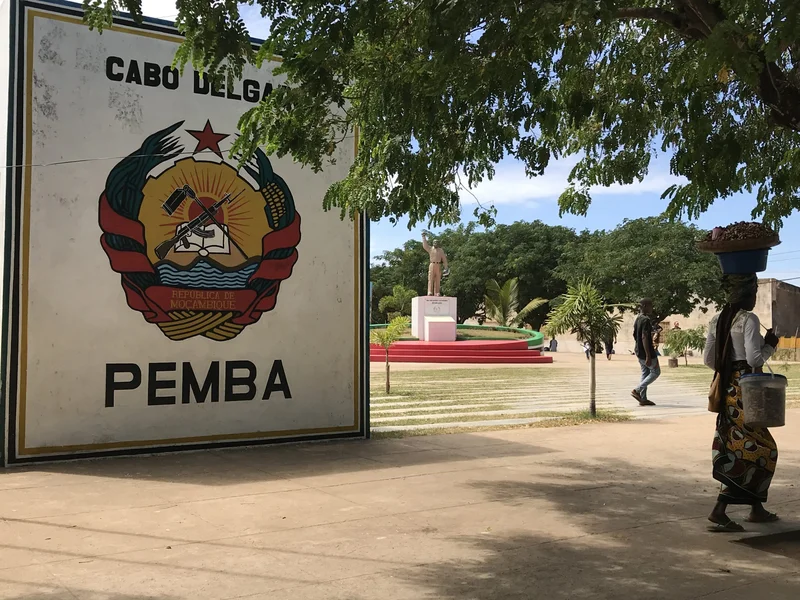
Mozambique Flood Deaths Hit 114 as Nearly 680,000 Affected
Africa · Southern
Mozambique flood deaths reached 114 by mid-January 2026, with nearly 680,000 people affected, exposing the deep financial and geopolitical fault lines running through one of Africa’s most climate-vulnerable yet resource-rich nations.
A crisis threshold crossed in weeks
Mozambique’s National Institute for Disaster Management and Risk Reduction (INGD) confirmed the 114 deaths on 19 January 2026. The figure covered the period from 1 October, the official start of the rainy season, and represented a sharp acceleration from 92 deaths recorded just days earlier.
The 677,831 people affected were spread across 141,818 families, with 99 injured and six still missing. Gaza Province bore the heaviest burden, with 330,390 people affected, followed by Maputo Province and Maputo City with 264,291.
President Filipe Nyusi cancelled his planned trip to the World Economic Forum in Davos to manage the escalating emergency. The decision signalled how climate shocks now routinely disrupt Mozambique’s efforts to court international investors.
The money story behind Mozambique flood deaths
The United Nations launched an emergency appeal for US$187 million to support roughly 700,000 flood victims. UN humanitarian chief Tom Fletcher allocated US$5 million from the Central Emergency Response Fund specifically for Mozambique’s flood response.
Government spokesperson Inocêncio Impissa stated the country faces a humanitarian funding gap of more than US$100 million. INGD estimated total needs at around 14 billion meticais, roughly US$200 million, to support 100,000 affected households.
The African Development Bank approved a US$1 million emergency grant for recovery efforts in Maputo and Gaza. The European Union allocated an additional €550,000 in humanitarian aid, later announcing €20 million earmarked for Mozambique to address both conflict and flood impacts.
Infrastructure damage and logistics disruption
Floods cut Mozambique’s main north-south highway between 22 December 2025 and 19 January 2026. The Limpopo railway line also faced delays in reopening due to extensive flood damage.
The national road agency in Gaza estimated it needed 500 million meticais, approximately US$7.8 million, just to repair damaged road stretches. It had only 100 million meticais available, illustrating the chronic underfunding of critical infrastructure.
INGD data showed 3,556 houses partially destroyed, 428 completely destroyed, and 166,895 flooded in one January snapshot. Tens of thousands more homes were damaged or destroyed as the season progressed, with over 100,000 people seeking shelter in 97 accommodation centres.
The geopolitics of a climate-vulnerable gas giant
Mozambique sits at a peculiar crossroads: it is simultaneously one of the world’s most climate-exposed nations and a strategic node in global liquefied natural gas markets. The offshore Rovuma basin hosts multi-billion-dollar LNG projects involving TotalEnergies, ExxonMobil, ENI, and CNPC.
These projects are critical for European energy diversification and Asian LNG demand, yet climate disasters regularly impair the governance bandwidth needed to manage them. The floods forced the president to pivot from Davos diplomacy to domestic crisis management, a pattern investors now factor into country risk assessments.
China’s extensive infrastructure and mining footprint adds another layer to the great-power contest. Damaged roads, bridges, and rail lines directly affect Chinese-backed logistics and export routes, making humanitarian aid and climate finance instruments of influence. This dynamic is explored further in our pillar Africa: The New Scramble.
Health risks and the cholera threat
The World Health Organization flagged acute risks of cholera outbreaks and other water-borne diseases as floodwaters contaminated water supplies. INGD recorded at least 2,145 cholera cases in Zambezia and Nampula provinces in one early-season snapshot.
Overcrowded shelters, limited clean water, and damaged health posts compounded the threat. Officials warned that malnutrition would rise as crops were destroyed, with the Food and Agriculture Organization estimating it needs US$107.66 million to support 1.8 million Mozambicans affected by climate events until 2031.
What the Mozambique flood deaths mean for investors
Repeated floods and cyclones increase insurance claims and alter reinsurance pricing for Mozambique-linked assets. Sovereign risk assessments by ratings agencies and lenders factor in these recurring shocks, potentially increasing borrowing costs.
Investors in Mozambique’s LNG and mining sectors face growing scrutiny over climate adaptation and ESG compliance. Humanitarian crises expose gaps between large-scale resource profits and local resilience investment, a tension that civil society groups and donors increasingly highlight.
The 114 deaths and 680,000 affected figure was an early warning threshold. By mid-February, the toll had climbed to 201 deaths and over 852,000 affected, and later surpassed 280 deaths and 915,000 people affected as Cyclones FYTIA and GEZANI compounded the disaster.
Frequently Asked Questions
What caused the Mozambique flood deaths in early 2026?
Heavy and persistent rains starting in mid-December 2025 intensified in early January 2026, compounded by Cyclones FYTIA and GEZANI. UN OCHA and regional climate assessments linked the severity to unusually intense rainfall driven by climate change and a La Niña phase over the Indian Ocean.
How much humanitarian funding has been mobilised for Mozambique?
The UN launched a US$187 million emergency appeal, with US$5 million allocated from its Central Emergency Response Fund. The African Development Bank approved US$1 million, the EU allocated €20 million, and the IOM issued a US$38.4 million flash appeal. Despite these inflows, the government reported a funding gap exceeding US$100 million.
Why do Mozambique’s floods matter for global energy markets?
Mozambique hosts major LNG projects in the Rovuma basin involving TotalEnergies, ExxonMobil, and CNPC that are critical for European energy diversification and Asian demand. Climate disasters disrupt transport corridors, raise country risk perceptions, and divert government attention from managing these strategic resource projects.
Sources
LatAm Markets: Live Signals → — real-time movers, turnover leaders and FX across Latin America.