- Published
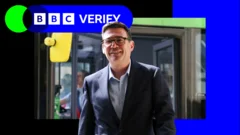
Andy Burnham is ending his first week as prime minister by working out of Manchester in the new No 10 North for the first time.
He spent this week making a series of spending announcements mostly aimed at tackling the cost of living, including capping bus fares.
BBC Verify has looked at Burnham's first week of spending commitments, how much they cost and how the government says they will be paid for, which comes to about £1.5bn.
Here's how that breaks down and what could later be coming down the line.
End rough sleeping in England
Cost: £340m over five years, funded
In his speech outside Downing Street , externalon Monday, Burnham said his "first instruction" would be "to end rough sleeping in our country".
The most recent official data , externalsuggests that there were around 4,800 people sleeping rough on a single night in England in 2025, up from 1,800 in 2010.
The government announced that Burnham's "instruction" would be delivered by £340m of spending, which it said would support at least 3,000 people over a five year period.
It said this money would come from existing "uncommitted" budgets in the housing department.
This means that the funding has been made available by the Treasury to the department but had not yet been assigned to a specific project.
VAT cut from electricity bills
Cost: £850m, unfunded
On Tuesday morning the Treasury announced that it would cut, external VAT from domestic electricity bills in the current financial year, knocking an estimated £45 from the typical household's annual bill from the autumn.
It said this would cost £850m in 2026-27 - to be funded by scrapping the previous government's digital ID scheme, which had been estimated to cost £1.8bn over the next three years.
However, the Office for Budget Responsibility, the official spending watchdog, made clear in the last budget that the digital ID scheme was itself "unfunded" , externalat that stage.
That implies that while scrapping the digital ID scheme will reduce a spending pressure on the government it will not, in itself, pay for the VAT cut.
That tax cut will have to be funded in the next budget, either by tax rises or specific spending cuts elsewhere.
£2 cap on bus fares
Cost: £500m, funded
On Wednesday, the government announced it would reduce the cap on bus fares, external in England from £3 to £2 from 1 January 2027, though this does not include London.
It estimated this cap would cost the Department for Transport more than £500m.
It said most of this would be found by replacing grants for international climate projects with loans. This would save the government money because the loans would be expected to be paid back in full, plus interest, freeing up funds to pay for the bus cap policy.
But there are still uncertainties with this approach, said Max Warner from the Institute for Fiscal Studies.
"It's not clear how much we would expect to be paid back nor what the interest rates will be," he said.
Cut in business rates for pubs
Cost: £100m, funded
On Thursday the government announced it would cut business rates for pubs, external, clubs and live music venues in England by 20% from April 2027, saving a typical pub £1,100.
It estimated that this tax cut would cost the Treasury around £100m a year.
The government claimed it would be "fully funded" but did not provide details, beyond stating that part of the cost would be met by "reviewing reliefs for businesses that do not make a positive contribution to local communities, such as vape shops". It did not state what other kinds of businesses would fall into this category.
The Starmer government had already announced a business rates support package, external for pubs in England in January, with a 15% cut applying in the current financial year of 2026-27 and a real-terms freeze in their rates for the subsequent two years.
At that time officials estimated that package would cost £80m in its first year, and the cost in the subsequent two years would be calculated in due course by the Office for Budget Responsibility.
The latest business support for pubs from the Burnham government will come on top of that earlier support - so the Treasury will have to provide an official costing for the overall package announced since January in the Autumn budget.
No 10 North
Cost: Downing Street says no additional cost to taxpayers, funded
Burnham ended his first week as PM by working out of the new No 10 North, external, based at Heron House in Manchester's city centre, which he claimed will be the "situation room for making Britain better".
He's expected to work from there each week, with other ministers including Education Secretary Lucy Powell and Chancellor of the Duchy of Lancaster Louise Haigh, who is overseeing the department as part of her role, also working there on a regular basis.
Up to 300 civil servants are expected to join the operation by the end of the next year, but Downing Streets insists it will cost taxpayers no extra money.
"The running of No 10 North will be covered by existing Cabinet Office budgets. There is no additional cost to taxpayers", Burnham's spokesman told reporters earlier this week.
How does it all add up?
These pledges add up to about £1.5bn. That might sound like a lot, but they are small commitments relative to overall government spending, which is projected to be around £1.4 trillion (£1,400bn) this year - making it about 0.1% of total public spending.
The bigger question is whether Burnham is likely to follow through with some of the more expensive policies he's previously signalled, including reforming social care or expanding council house building.
Burnham earlier this week indicated he could raise the income tax personal allowance, which the Institute for Fiscal Studies has estimated could end up costing £8.5-9bn but the idea of this happening imminently was downplayed within days.
Chancellor John Healey is likely to want to take defence spending from 2.7% to 3% of GDP by 2030, given he resigned as Keir Starmer's defence secretary over the Treasury's failure to commit the money to do that. But that would cost an additional £9bn a year in today's money.
Burnham has also promised the "the biggest council house building programme since the post-war period". While the details are unclear, estimates from the Centre for Cities think tanks , externalsuggest that to match the English council house building rates of the 1950s to the 1970s would require another £13bn a year in public subsidy.
Policies on this scale, which could run into several billions, would likely need to be set out in future budgets and spending reviews, alongside detailed plans about how they would be paid for.
However, Burnham has said he will stick to the government's existing fiscal rules - not borrowing for day-to-day spending and having debt fall as a share of the economy by the end of the Parliament.
That means any major new spending commitments would likely require difficult choices: such as raising taxes or cutting spending elsewhere.