Last month, China blacklisted two American companies crucial to U.S. efforts to create a supply chain for making powerful rare earth magnets.
On Friday, Beijing took similar action against even more companies in Europe.
China’s Ministry of Commerce announced that it had banned any further shipment to 14 companies in the European Union of “dual-use” materials or products — items that China describes as potentially having both military and civilian applications. As a result, the companies may struggle to buy many of the critical minerals they need to make products like rare-earth magnets and semiconductors, which are essential for cars, offshore wind turbines, robots, drones and other advanced manufacturing applications.
Over the past 16 months, China has used its dominance over the mining and processing of rare earths as leverage in economic disputes with trading partners.
In a statement on Friday, the Commerce Ministry noted that it had acted one day after the European Union imposed sanctions on 14 companies in mainland China and Hong Kong in connection with Russia’s war effort in Ukraine. The European Union said these companies, along with 24 Russian companies and 10 firms elsewhere, were “entities that are part of or support Russia’s military-industrial complex or enable the circumvention of E.U. sanctions.”
Many of the European companies targeted by China play a crucial role in turning rare-earth metals and other critical minerals, like antimony and tungsten, into alloys and specialty chemicals that manufacturers need.
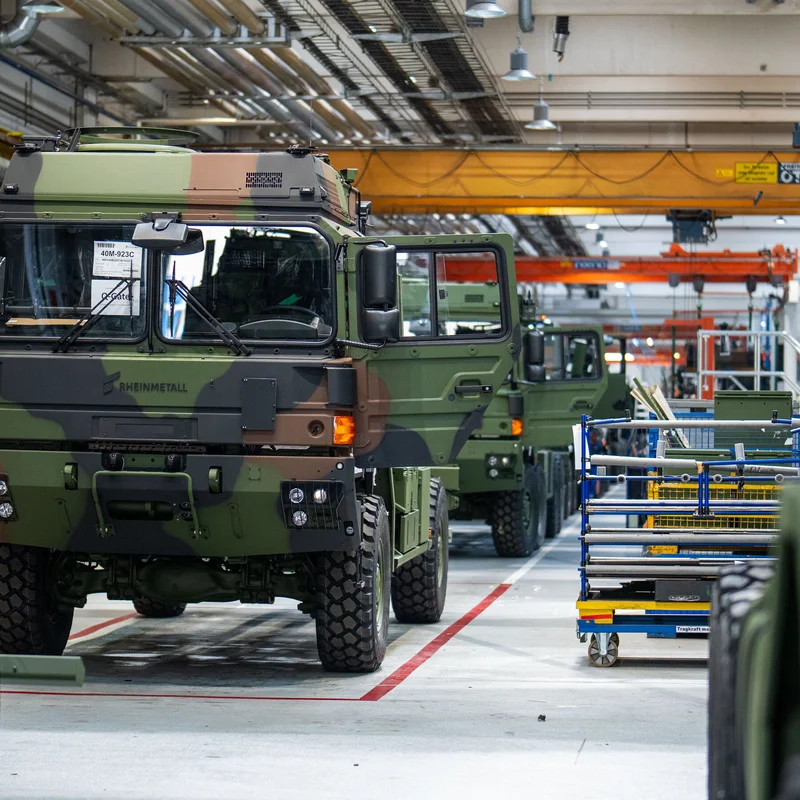
Also on China’s list was Germany’s largest defense contractor, Rheinmetall, which has been central to Germany’s effort to rearm after Russia’s full-scale invasion of Ukraine in 2022. Military hardware uses a lot of superhard tungsten and some rare earths.