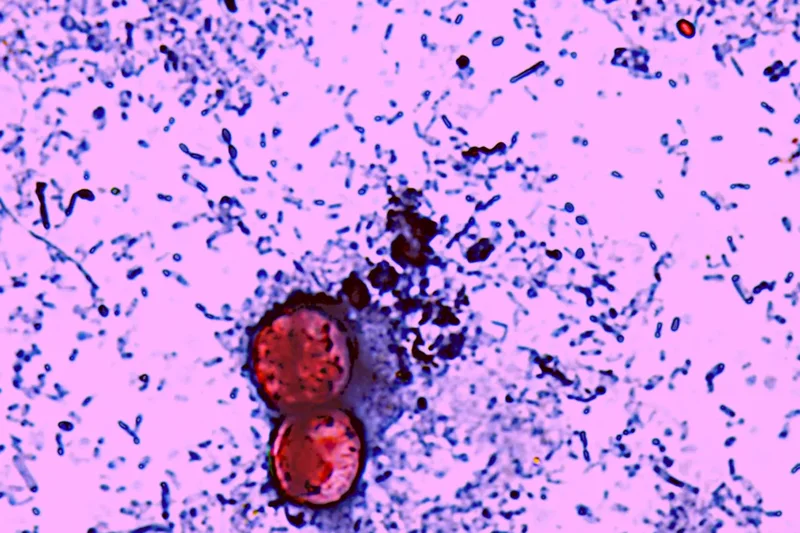
The situation surrounding the explosive diarrhea parasite is looking to get even messier. Health officials are investigating multiple clusters of cyclosporiasis that appear to have no tie to the current largest outbreak traced back to iceberg lettuce from Taylor Farms.
On Wednesday, the Food and Drug Administration officially added a new outbreak of cyclosporiasis to its list of active investigationsâthe third ongoing batch of cases outside the multi-state outbreak that’s sickened thousands so far. Meanwhile, some states like Ohio are still experiencing a rapid surge in new cases, prompting more aid from federal health officials. More than 4,000 confirmed cases of cyclosporiasis across 41 states have been documented this year so far.
An explosive problem
Cyclosporiasis is caused by the microscopic parasite Cyclospora, primarily Cyclospora cayatenensis. The disease often causes watery and explosively loud bouts of diarrhea, along with other common symptoms of gastrointestinal illness. Though cyclosporiasis cases in the U.S. tend to normally show up in the summer, 2026 has been one for the record books.
The largest outbreak is now thought to be affecting nine states (up from five states previously documented): Kansas, Oklahoma, Illinois, Indiana, Kentucky, Pennsylvania, West Virginia, Michigan, and Ohio. This outbreak has been linked to certain lots of iceberg lettuce distributed by Taylor Farms, which led to a widespread recall.
Federal health officials first alerted the public about a rise in cyclosporiasis cases in early July. But the FDA and the Centers for Disease Control and Prevention have consistently been behind the ball, with states such as Michigan and Ohio reporting far more cases than officially documented by the government.
Even now, only about 2,000 confirmed cases have been traced back to the nine state outbreak, according to the federal government. Yet Michigan has reported more than 7,600 cases since early June as of this Thursday. That same day, the Ohio Department of Health reported that it has seen 2,650 cases of cyclosporiasis to date, more than double the number reported last week. The CDC is now sending disease detectives to help with Ohio’s responses.
The FDA also recently got into a public relations scuffle with Taylor Farms. Last weekend, the FDA reported it had detected cyclosporiasis on a piece of lettuce sold by Taylor Farms that wasn’t part of the initial recall. However, the agency soon walked that report back, stating the test had been a false positive. Taylor Farms then issued a statement detailing the event while also claiming the FDA had apologized to the company. The FDA then clarified it had done no such thing and that it was still blaming the outbreak on shredded iceberg lettuce sourced from Taylor Farms. Taylor Farms subsequently took down social media posts about the apology, though the actual statement still appears to be up on its website.
Bigger than one outbreak
While Taylor Farms’ lettuce is likely the source behind the biggest outbreak of cyclosporiasis, it’s unfortunately not the only one to be worried about.
On Wednesday, the FDA reported it was starting an investigation into a different outbreak. To date, six separate outbreaks of cyclosporiasis have been documented by the federal government this year, with two seeming to have ended by now. The latest outbreak is the largest one outside of the nine state outbreak, with 72 cases to date. Officials have yet to identify a food source behind any of the other outbreaks, which tends to be a common issue with cyclosporiasis. That said, this parasite is usually spread through tainted produce.
Either way, it’s almost certain that 2026 will be the worst year on record for cyclosporiasis in the U.S. In 2019, there were roughly 4,700 confirmed casesâa number we will soon blow through once federal health officials get through the backlog of suspected cases sent their way. According to the CDC, at least 7,400 additional cases, mostly from Michigan and Ohio, are still awaiting further analysis before they can be considered confirmed.
So yes, while we might have found one of the major culprits behind these surges of cyclosporiasis, Americans aren’t necessarily out of the woods just yet. That’s why it’s important to continue practicing good food hygiene, particularly with the produce that might be at higher risk of contamination with this parasite.
Health experts always recommend washing your hands with soap and water before and after handling or preparing raw fruits and vegetables; washing all fruits and vegetables thoroughly under running water before eating, cutting, or cooking (if the produce is labeled prewashed, then you donât need to do it again); and refrigerating cut, peeled, or cooked fruits and vegetables as soon as possible (within two hours if possible).