Chile · Culture
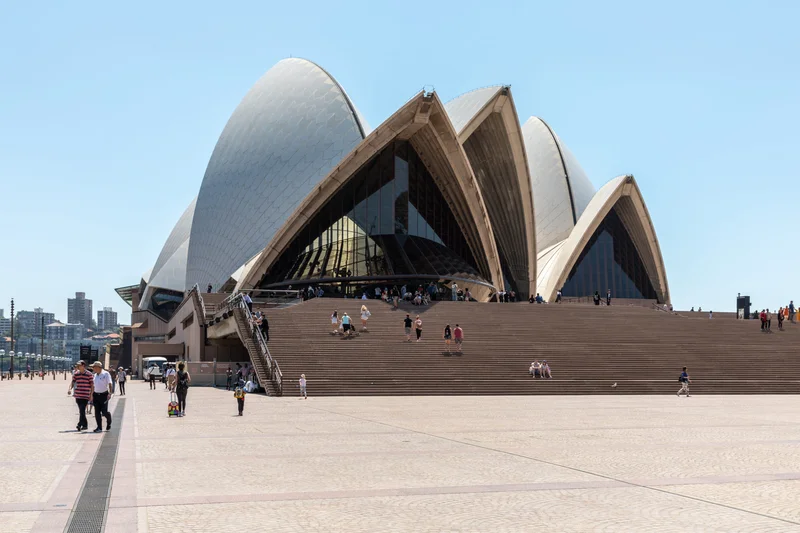
A Chilean orchestra Sydney audiences had never seen before stepped onto the Concert Hall stage of the iconic Sydney Opera House on 7 July 2026, becoming the first South American ensemble in the history of the Australian International Music Festival. The Orquesta Filarmónica Antena, a youth orchestra from the coastal city of La Serena, delivered an all-Latin American program that Chilean cultural officials quickly hailed as a historic milestone for the country’s musical diplomacy.
Chilean orchestra Sydney: A Debut on the World’s Most Famous Stage
The 34th Australian International Music Festival provided the backdrop for the landmark appearance. Festival organizers confirmed that the Chilean group was the first Latin American orchestra ever invited to participate, making their opening-night slot at the Sydney Opera House Concert Hall particularly significant.
The ensemble is associated with the Academia de Música Pedro Aguirre Cerda in La Serena, a city of roughly 200,000 people located about 470 kilometers north of Santiago. Their journey to Australia represented years of preparation and a major breakthrough for a youth orchestra from outside Chile’s capital.
From La Serena to Liverpool
Before the Opera House spotlight, the orchestra’s very first Australian performance took place at the Liverpool Powerhouse in Casula, a suburb in Sydney’s southwest. That concert on 10 July 2026 was billed by festival materials as the orchestra’s debut on Australian soil.
The Powerhouse show gave the young musicians a chance to settle into their tour before the high-pressure Opera House dates. It also brought Latin American symphonic music to a community venue, broadening the festival’s geographic reach across greater Sydney.
The two Opera House concerts followed on 7 and 8 July, placing the Chilean musicians at the center of the festival’s opening events. For many in the orchestra, it was their first international tour, a fact that amplified the emotional weight of the occasion.
A Purely Latin American Program
The repertoire was unapologetically Latin American, showcasing the region’s rich orchestral tradition. Mexican composer Arturo Márquez featured prominently with two works: the sensuous Danzón No. 2, perhaps the most recognized Mexican orchestral piece worldwide, and the energetic Conga del Fuego Nuevo.
Also from Mexico came Huapango by José Pablo Moncayo, a vibrant reimagining of folk dances from the Veracruz region. The program bridged South American traditions with Argentine master Astor Piazzolla’s Libertango, a piece that fuses tango with classical structures and has become a global concert-hall staple.
Argentine composer Alberto Ginastera’s Malambo rounded out the Southern Cone selections. The work draws on the rhythmic drive of the Argentine pampas, its percussive finale demanding virtuosic precision. The program closed with Tico-Tico no Fubá by Brazilian composer Zequinha de Abreu, a choro classic that sent audiences home with its playful, rapid-fire melody.
Cultural Diplomacy in Action
Chile’s Directorate of Cultural Affairs (DIRAC), part of the Ministry of Foreign Affairs, framed the Sydney appearances as a breakthrough for the country’s cultural diplomacy. Officials described the moment as a historic milestone, emphasizing that no Chilean orchestra had previously performed at the Sydney Opera House.
The achievement also highlights the growing international profile of Chilean youth orchestras. While the country has long produced world-class soloists and conductors, full orchestral ensembles from Chile rarely tour beyond South America. The Antena Philharmonic’s Australian visit may signal a shift in that pattern.
For Australian audiences, the festival offered a rare live encounter with Latin American symphonic repertoire performed by musicians native to the tradition. The cultural exchange worked in both directions, with the young Chileans experiencing Australia’s flagship classical music festival alongside ensembles from across the globe.
The Orchestra Behind the Milestone
Orquesta Filarmónica Antena draws its members from the Academia de Música Pedro Aguirre Cerda, an institution dedicated to training young musicians in northern Chile. The academy’s location in La Serena, far from Santiago’s cultural infrastructure, makes the Sydney achievement even more striking.
The orchestra’s name, “Antena,” suggests a mission of transmission and reception – fitting for a group that carried Chilean musical culture across the Pacific. Their Sydney tour required significant logistical effort, including transporting instruments across continents and adapting to unfamiliar acoustics.
While financial details of the tour were not publicly disclosed, support likely came from a combination of Chilean government cultural funds, private sponsorship, and festival invitations. Such multi-source funding is typical for youth orchestra tours of this scale.
What the Milestone Means Going Forward
The Sydney Opera House debut opens doors for other Latin American ensembles. Festival programmers worldwide often look to precedent when considering invitations, and the Antena Philharmonic’s successful appearance establishes a track record for South American youth orchestras at major international festivals.
For Chile specifically, the milestone reinforces the country’s broader cultural strategy of projecting soft power through music. Chilean artists across genres – from classical to hip-hop – have gained increasing international recognition in recent years, and orchestral diplomacy adds a new dimension to that effort.
The young musicians returned to La Serena with more than memories. They carried the distinction of being the first South American orchestra to play the Sydney Opera House, a credential that will follow them and their institution for years to come.
Frequently Asked Questions
Which Chilean orchestra performed in Sydney in July 2026?
The Orquesta Filarmónica Antena, a youth orchestra from La Serena associated with the Academia de Música Pedro Aguirre Cerda, performed at the Sydney Opera House and Liverpool Powerhouse.
What was historic about the Chilean orchestra’s Sydney performance?
It marked the first time a Chilean orchestra – and the first time any South American orchestra – performed at the Sydney Opera House and in the Australian International Music Festival.
What music did the Chilean orchestra play in Sydney?
The all-Latin American program included Danzón No. 2 and Conga del Fuego Nuevo by Arturo Márquez, Huapango by José Pablo Moncayo, Libertango by Astor Piazzolla, Malambo by Alberto Ginastera, and Tico-Tico no Fubá by Zequinha de Abreu.