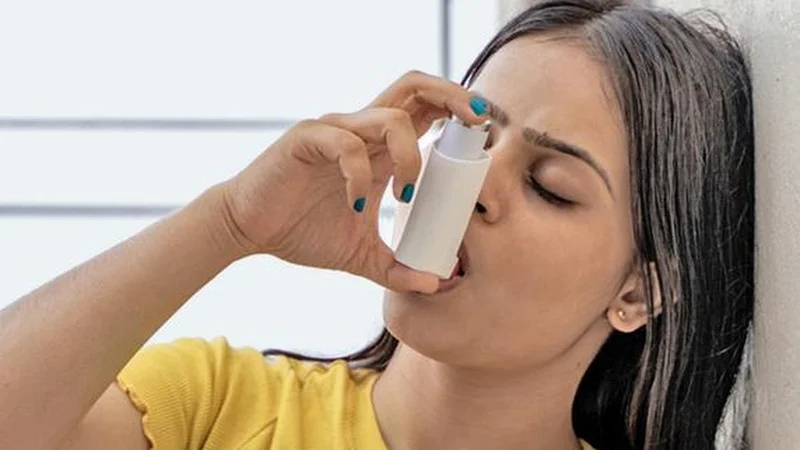
“My daughter’s asthma seems to be well in control; we can stop using the inhaler now”. This is a common statement Indian doctors hear from parents of young women. More often than not, this conversation happens because the daughter is going to get married soon, and parents are worried that her in-laws would view the use of an inhaler as an imperfection or disability. This scenario reflects a larger and often unspoken challenge about how chronic illnesses like asthma are perceived, especially in women, and how social stigma can interfere with appropriate care.
Understanding asthma
Asthma results from the tubes of the lungs being overly sensitive to triggers such as dust, strong smells, smoke/fumes, or viral infections. If not controlled, triggers can cause a person to be in a constantly vulnerable state. Inhalers have revolutionised the treatment of asthma. They allow the most effective treatment to be delivered in miniscule doses to the lungs directly, resulting in minimal side-effects, and protection from attacks.
However, despite their effectiveness, inhalers often carry a social stigma. This can be worse for women given societal conditioning, and expectations at home and the workplace. Women may feel compelled to hide their condition or discontinue treatment, even at the cost of their well-being. This needs to change because asthma is a chronic inflammatory disease that requires consistent use of the right medication or the condition worsens.
Gender differences
Research has consistently confirmed a sex-based disparity when it comes to asthma. Not only are women more affected, they are also more likely to be hospitalised for asthma compared to men.
The differences in how asthma affects men and women begin early in life. Before adolescence, asthma is more common in boys. However, this trend reverses after puberty, when hormonal, structural, and genetic changes begin to influence the airway. In adulthood, women are more likely to have asthma and often experience a greater disease burden.
Hormonal changes in women, particularly during menstruation, pregnancy, perimenopause, and menopause, can significantly affect asthma control. These fluctuations influence symptoms and also underlying airway biology. During certain phases of the menstrual cycle, changes in oestrogen and progesterone levels can increase airway inflammation and bronchial sensitivity, leading to worsening of symptoms in some women, a condition often referred to as perimenstrual asthma.
Pregnancy introduces further complexities. Hormonal shifts, altered immune responses, and physical changes in lung function can affect asthma unpredictably, with about one‑third of women experiencing worsening of symptoms. Poor asthma control during pregnancy can have consequences for both maternal and foetal health, highlighting the need for continued and consistent treatment.
Differences in immune regulation play a role. Group 2 innate lymphoid cells (ILC2s), which drive airway inflammation, are influenced by sex hormones. Testosterone appears to suppress these inflammatory cells, while lower levels in women may permit greater inflammatory activity, contributing to increased airway inflammation.Obesity‑related asthma, associated with systemic inflammation and poorer symptom control, is more commonly seen in women.
Asthma can also have a significant emotional impact. Studies show that women with asthma are more likely to experience anxiety than men. This is partly biological. Female hormones such as oestrogen influence brain pathways involved in mood and stress regulation, while also interacting with immune and airway cells.
Moreover, women tend to have more exposures that trigger asthma. Biomass fuels used in chulhas and sigdis in rural households can worsen lung function. Strong smells, fumes from cooking, and household cleaning products are other common triggers. Women in urban areas are exposed to poor air quality and pollutants.
The path ahead
Healthcare has to be gender agnostic. The risks, exposures, and the physiological and social challenges that women with asthma face should be acknowledged and researched. There is a need to dispel myths around asthma through increased education and awareness, and tailor therapies for women, who are often sub-optimally cared for.
(Dr. Lancelot Pinto is the director of the lung institute, and a consultant pulmonologist and epidemiologist at P.D. Hinduja Hospital, Mumbai. dr_lancelot.pinto@hindujahospital.com)
Published - July 27, 2026 03:27 pm IST