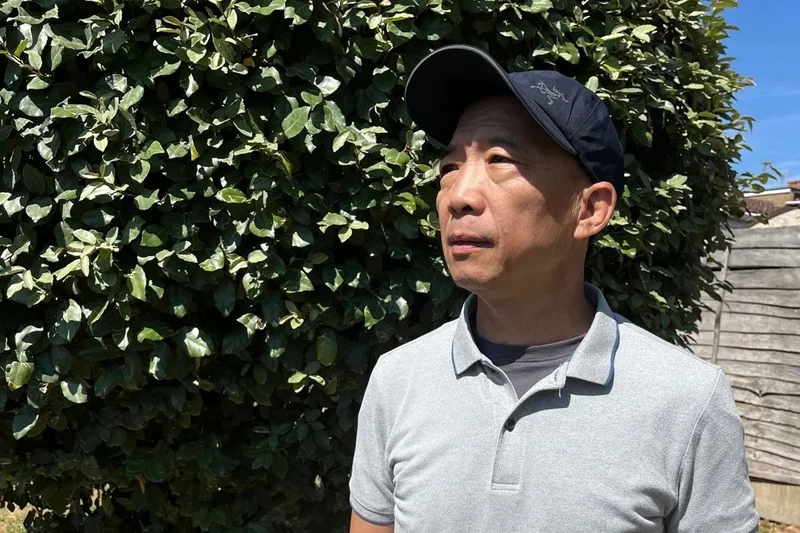
Hong Kong pro-democracy activist Wu Chi-wai has been granted permission to remain in the UK as a visitor, his lawyer said one Tuesday.
He has been reunited with his family after being locked up in the city's prison for more than five years.
Paul Harris, who represents Wu, said early on Tuesday that immigration authorities had sent a letter to his attorneys saying Wu, the former chairman of Hong Kong's once-biggest pro-democracy party, was being granted permission to remain as a visitor for six months. Wu’s family live in the UK.
Wu declined to comment.
The British authorities' decision came after Wu's entry on a seven-day immigration bail last week raised widespread concerns from rights groups and Hong Kongers living in the UK and the Chinese territory.
Wu was one of 47 activists charged in 2021 in Hong Kong’s biggest case under a Beijing-imposed security law that crushed a previously thriving democracy movement. He was sentenced in 2024 to four years and five months in prison for conspiracy to commit subversion over his role in an unofficial primary election.
Wu said in an interview on Sunday that he was only allowed to stay in Britain until Wednesday as UK.border authorities believed he might have other goals beyond just visiting, including seeking long-term residency. He worried that would cut short his plans to spend time with his family after years of separation. He also feared the immigration record could affect his future visits to his family in the UK again.
The Home Office confirmed Monday local time that Wu will not be removed on Wednesday and that he has permission to enter the UK.
Wu's treatment had previosuly sparked alarm among members of Hong Kong's community in Britain.
Hong Kong's history as a British colony means that many families have close ties to relatives in Britain who settled in the decades before 1997, when control of Hong Kong switched from Britain to China.
In February, the British government estimated that the easing of passport rules meant 170,000 Hong Kongers had moved since 2021, with a further 26,000 expected in five years under further easing.