Caribbean · Energy
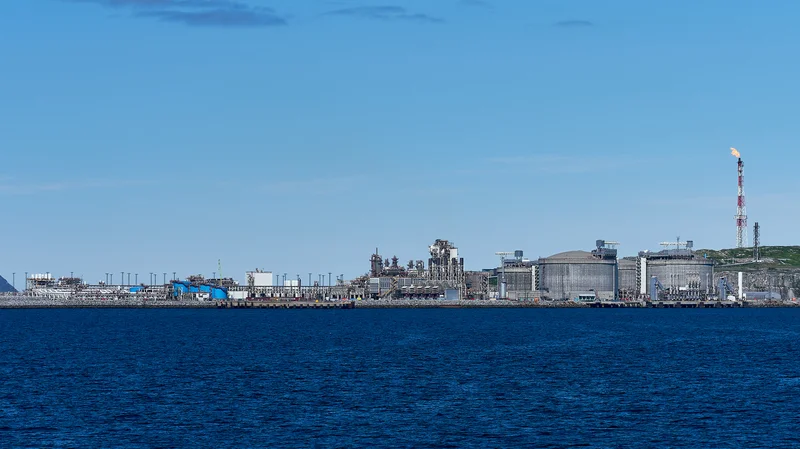
Shell Bahamas LNG ambitions solidified on July 14, 2026, when the global energy major took a final investment decision (FID) to build the Clifton Pier regasification terminal in Nassau, locking in a US$369 million debt package to bring cleaner-burning fuel to the island of New Providence.
A Small-Scale Terminal with a Big Mandate
The project is being developed through New Providence Gas Ltd. (NPG), a joint venture that includes Shell Bahamas Power Co., which now holds a 40 percent equity stake. The facility is classified as a small-scale LNG import and regasification terminal, designed to process up to 55 million standard cubic feet per day (MMscfd) of natural gas.
Shell will supply the liquefied natural gas from its extensive U.S. portfolio. Once delivered to the Clifton Pier site, the LNG will be warmed and converted back into its gaseous state using regasification and cryogenic equipment provided by Nikkiso Clean Energy & Industrial Gases Group.
The gas will then flow directly to power turbines, offering a substitute for the heavy fuel oil and diesel that currently dominate electricity generation on New Providence, the Bahamas’ most populous island and home to the capital, Nassau.
How the US$369 Million Deal is Structured
While the exact total project cost was not publicly disclosed, the financing structure reveals the scale of the undertaking. Industry reports confirm a US$369 million debt package underpins construction.
The bulk of the financing comes from a US$325 million syndicated loan led by Canadian Imperial Bank of Commerce (CIBC). An additional US$44 million loan was secured from the Export-Import Bank of the United States, an official export credit agency that supports American equipment and service exports.
Construction is already underway or commencing immediately following the mid-July FID. The terminal’s operational timeline will be closely watched by businesses and residents who have long faced high electricity costs tied to volatile global oil markets.
Caribbean Energy Security in Focus
The Clifton Pier terminal fits squarely within a broader regional push to improve energy reliability and lower power generation costs. For decades, many Caribbean island economies have relied on expensive imported diesel and heavy fuel oil, leaving them exposed to price shocks and supply disruptions.
By switching to natural gas, the Bahamas aims to provide cleaner baseload power. The environmental benefit is a secondary dividend; the primary driver is economic. Lower fuel input costs can ease pressure on the state-owned utility and ultimately on consumer tariffs.
Shell’s decision to anchor the project with its own balance sheet and LNG supply signals long-term confidence in the Caribbean’s transition from liquid fuels to gas. The company has been steadily expanding its downstream LNG footprint in the region, complementing existing infrastructure in Jamaica and Puerto Rico.
Dominican Republic Pushes a US$425 Million Highway PPP
In a separate but thematically linked development, the Dominican Republic government is advancing the “Amber Highway,” a public-private partnership (PPP) valued at approximately US$425 million. The corridor will connect Santiago de los Caballeros, the country’s second-largest city and a major industrial hub, with Puerto Plata, a key tourism and port region on the northern coast.
The highway upgrade is designed to strengthen logistics for both freight and tourism traffic. Improved connectivity between the fertile Cibao Valley and the Amber Coast can reduce travel times, lower transport costs, and boost the competitiveness of Dominican exports.
While precise milestone dates and concession terms were not available in the latest disclosures, the project’s advancement underscores how Caribbean governments are turning to PPP models to fund critical infrastructure without overburdening public balance sheets.
A Dual Blueprint for Foreign Investors
For expatriates and foreign investors monitoring Latin America and the Caribbean, the two projects offer a clear narrative. The Bahamas is leveraging private capital and international energy expertise to modernize its power grid. The Dominican Republic is using a PPP framework to close a long-standing infrastructure gap.
Both initiatives target the same underlying weaknesses: high operational costs for businesses, unreliable utilities, and logistical bottlenecks that constrain economic growth. The Shell-backed terminal specifically addresses the cost of electricity, a perennial concern for hoteliers, manufacturers, and residents alike.
The financing models also matter. The Bahamas project blends commercial bank debt with export-credit agency support, a structure that could be replicated for other mid-scale energy transitions across the Caribbean basin. The Dominican highway PPP, meanwhile, tests the government’s ability to attract equity partners for greenfield transport assets.
Neither project is without execution risk. Construction delays, cost overruns, and regulatory hurdles are common in island infrastructure. Yet the FID from a counterparty of Shell’s size provides a significant derisking signal to other potential participants in the Caribbean energy market.
Frequently Asked Questions
What is the Shell Bahamas LNG terminal project?
It is a small-scale LNG import and regasification terminal at Clifton Pier in Nassau, being developed by New Providence Gas Ltd. Shell holds a 40 percent stake and will supply LNG from its U.S. portfolio to fuel power generation on New Providence island.
How much will the Clifton Pier LNG terminal cost?
The total project value was not disclosed, but the debt financing package totals US$369 million. This includes a US$325 million syndicated loan led by CIBC and a US$44 million loan from the U.S. Export-Import Bank.
What is the Amber Highway project in the Dominican Republic?
The Amber Highway is a public-private partnership valued at roughly US$425 million. It will upgrade the transport corridor connecting Santiago de los Caballeros, a major industrial city, with Puerto Plata, a key tourism and port hub on the northern coast.