Luxury car manufacturer Aston Martin Lagonda has laid bare the significant challenge it faces in turning around its fortunes, reporting worse-than-expected losses.
The prestigious brand saw its pre-tax losses widen to £88.7 million in the second quarter, an increase from £61.2 million a year ago.
This pushed its overall deficit for the first half of the year to £154.2 million. Although underlying operating losses for the second quarter narrowed slightly to £52 million from £57 million previously, this figure still fell short of forecasts.
Despite these financial setbacks, the group insisted it had delivered a "materially improved" performance over the first half.
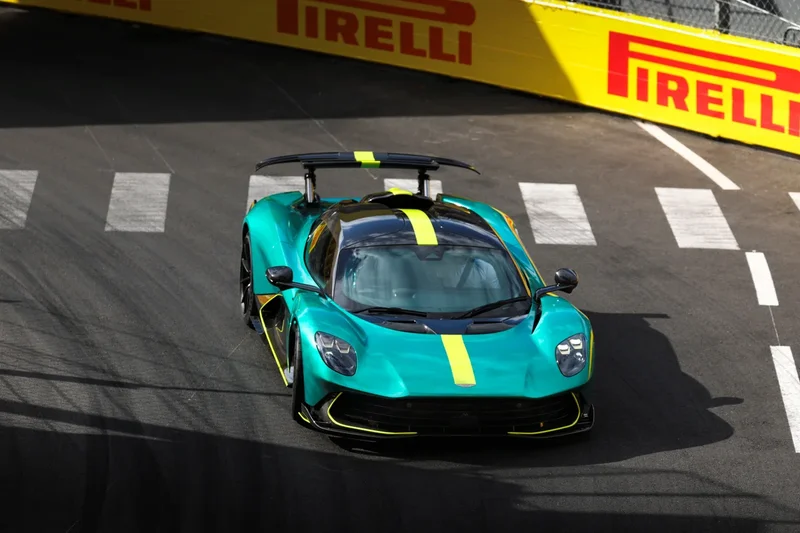
It highlighted the successful sale of 220 units of its new Valhalla plug-in hybrid supercar, with expectations for orders to ramp up further in the final six months. First-half revenues surged by 38 per cent to £628.6 million, complemented by a 21 per cent increase in wholesale sales volume.
Adrian Hallmark, Aston Martin chief executive, said: “First half 2026 demonstrates that we are on track to deliver material financial improvement this year compared with 2025.
“Second quarter 2026 total wholesale volumes increased by 43 per cent compared to the prior year period.”
He added: “We expect an even stronger second half, as transformation benefits flow through and Specials deliveries continue.”
The group has been knocked by rising tariffs in the US and higher taxes on luxury cars in China, while it has also turned to lenders for more funding to help shore up its balance sheet, alongside a cost-cutting programme.
It last week agreed a £550 million debt funding deal from BlackRock-owned HPS Investment Partners, having already secured more than £600 million from chairman and biggest shareholder Lawrence Stroll since he took control of the firm.
Aston said the Middle East conflict was another headache.
It said: “The recent conflict in the Middle East has presented the latest macroeconomic and geopolitical uncertainty.
“The group has managed to limit the direct impact to the business in H1 2026 and continues to monitor the evolving situation and its potential impact on global demand, customer confidence and supply chains.”
London-listed Aston Martin has been pushing forward with efforts to turn performance around under Canadian billionaire Mr Stroll.
In February, Aston announced up to nearly 600 jobs are being cut across the group as it posted widened annual losses.
Aston said it would reduce its 2,800-strong global workforce by up to another fifth, after 170 job cuts were announced at the start of last year.
It said the redundancies came as part of aims to cut costs by around £40 million, most of which would be stripped out this year.