Wealthy consumers are on a luxury property spending spree as the average American’s homeownership dreams fade in a sluggish market, a new report has found.
Luxury home sales rose 6.2 percent year-on-year in June while starter home sales dropped 5.4 percent, according to new data published Wednesday by housing marketplace Zillow. Typical prices for luxury properties are $1.9 million and starter homes begin at $202,000, according to Zillow.
“Luxury homes are selling at a faster pace than a year ago, with shrinking supply and growing bidding wars,” the study noted.
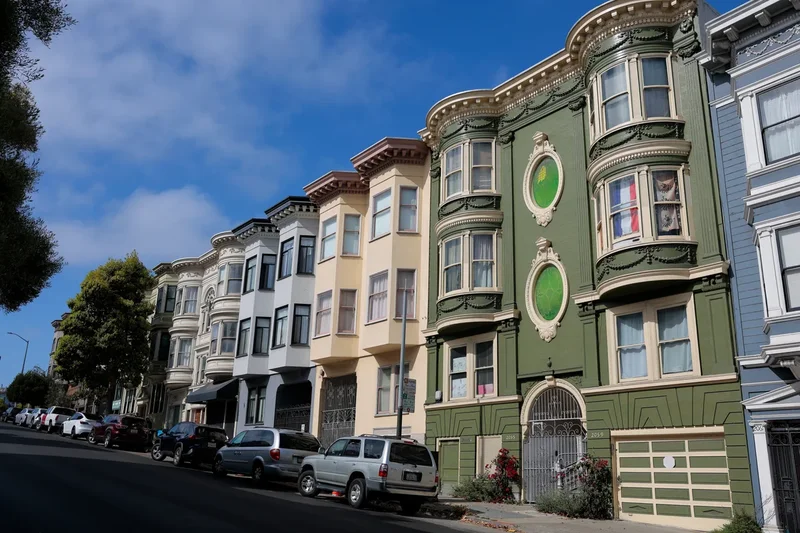
In May, a six-bedroom and seven-bathroom home in San Francisco sold for $15 million after a furious bidding war nearly doubled its $8 million listing price.
The Bay Area’s AI boom is contributing to a thriving luxury home market, often pushing home prices more than $1 million above asking price, according to data from real estate firm Compass.
Some 44 homes in the city closed at least a million dollars above asking price in June 2026, Compass found. Unsurprisingly, Zillow also found that San Francisco saw the biggest year-on-year decline in luxury home inventory, with the number of houses for sale down -39.6 percent.
San Jose was next at -29.6 percent, followed by New Orleans (-20.6 percent), Miami (-19.8 percent) and San Diego and Denver (-18.1 percent).
While rich buyers are fighting over a limited supply of homes, the starter home market has the opposite issue.
Inventory rose in June by 4.5 percent - but home sales dropped by more than 5 percent.
Starter home sales faced the biggest year-on-year slump in Detroit (-26.5 percent), Cleveland (-24.6 percent), New York City (-22.3 percent), Buffalo (-21.1 percent) and Hartford, Connecticut (-18.4 percent).
The clear divide between the luxury and starter home markets reflects wider trends in the American economy. Economic experts note that the country’s wealthier consumers have weathered inflation and soaring gas prices much better than the average household.
The nation’s top 10 percent of earners were responsible for nearly half of consumer spending in 2025 - the highest share in history, according to a report from U.S. Bank this month.
It’s a completely different story for middle- and low-income households, the report said. Their wages cannot keep up with rising costs, causing consumers to turn credit cards to cover spending.
“Wage gains for most have been moderating, while essential costs for rent, groceries and gasoline remain elevated,” U.S. Bank Senior Economist Matt Schoeppner noted in the report. “At the same time, savings buffers have continued to narrow while reliance on credit - particularly credit cards - has increased.”
So, as lower-income homes rely on borrowing to make ends meet, higher-income households have the means to not only survive tough economic times, but they have enough of a financial buffer to keep the luxury home market chugging along.