The sprawling parking lot of New Jersey’s Livingston Mall, once a vibrant symbol of American consumerism, now lies practically deserted, a stark illustration of what retail experts term a "zombie" mall.
Its last department anchor, Macy’s, departed in April, following Sears and Lord & Taylor, which shuttered during the pandemic. Today, the site presents a desolate picture of crumbling buildings, overgrown grass, potholes, and discarded tires.
For one writer, a recent visit to this decaying landscape evoked memories of a childhood spent navigating its aisles in the 1970s. While peers might have considered it a bustling social scene, trips to the Livingston Mall were, for her, mission-driven excursions with her mother to acquire "classic" — or, as she saw them, "nerdy" — clothes.
The era's hottest fads, from leather platform wedge sandals to Candie's slides, were off-limits, though straight-leg corduroy pants from The Gap, then selling Levi's, were a permitted indulgence.
The only flicker of life on the recent visit came from a Barnes & Noble, packed with customers taking advantage of its moving-out sale. The bookstore, a fixture for over 18 years, closed earlier this month and is relocating.
The decline of the American mall has been extensively documented, but witnessing the decay of a place from one's youth underscores the dramatic shift in shopping habits.
It also highlights a "K-shaped split" in the retail landscape, where high-end malls continue to thrive while those catering to middle- to lower-income shoppers struggle.
Like many of its era, the Livingston Mall succumbed to the migration of shoppers to online platforms, widespread department store closures, and the upheaval of the pandemic. The United States now hosts roughly 900 malls, a significant drop from a peak of 1,100 in 2008, according to research firm Green Street.
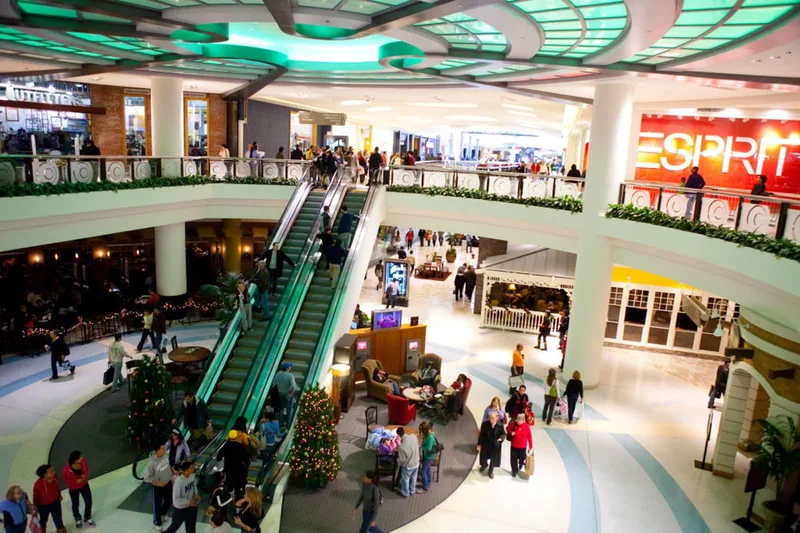
Just four miles away, The Mall at Short Hills presents a stark contrast. Bustling with activity, it features high-end retailers like Nordstrom and Gucci, alongside digital-native brands such as Untuckit. Here, groups of teenagers can be seen browsing racks at stores like Abercrombie & Fitch, capturing their experiences on cellphones. These young shoppers are helping to drive a resurgence, potentially making malls "cool again" – a role the writer never embraced in her own youth.