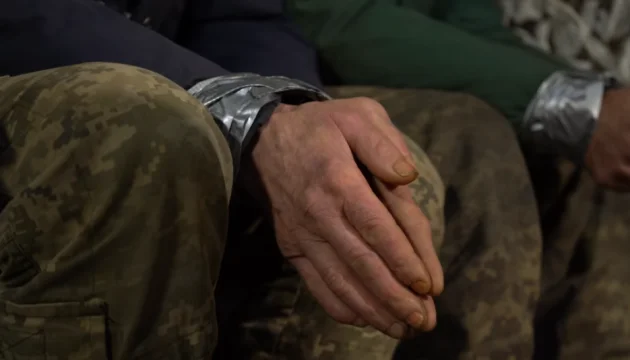
According to Ukrinform, the Coordination Headquarters for the Treatment of Prisoners of War reported this on Telegram.
“Russian prisoners of war are surrendering en masse for a second time following an exchange. As of today, there are already 20 Russian soldiers in Ukrainian captivity who have surrendered to the Ukrainian Defense Forces for the second time,” the statement reads.
The Coordination Headquarters noted that this demonstrates that Russian servicemen are aware that Ukraine strictly adheres to the norms of international humanitarian law and the requirements of the Geneva Conventions regarding the treatment of prisoners of war. The agency emphasized that Russian soldiers who have already been held in Ukrainian captivity have personally experienced the proper conditions of detention and humane treatment.
“This is also a tangible result of the work carried out by the special projects of the Coordination Headquarters—‘I Want to Live’ and ‘I Want to Find’—which systematically convey to Russian servicemen and their families the truth about the conditions of captivity in Ukraine, the rights of prisoners of war, and the real opportunities to save their lives. Thanks to this work, more and more Russians are realizing that Ukrainian captivity is not what Russian propaganda portrays it to be. That is precisely why, upon returning to the front lines, many of them consciously choose to surrender again rather than face a senseless death,” the headquarters added.
The Coordination Headquarters emphasized that this situation demonstrates a fundamental difference in the approaches of Ukraine and Russia toward their own military personnel. In Ukraine, soldiers returning from captivity have the legal right to resign from service of their own volition, whereas the Russian command sends its soldiers back to the front lines after an exchange.
Read also:Systematic crimes against Ukrainian POWs part of Russia's military practice – General Staff
“It is important to us that as many Russians as possible surrender. Each such prisoner of war adds to the exchange pool and increases our ability to bring Ukrainian defenders home from Russian captivity. When Russian occupiers choose captivity over death, it means more chances for our people to return home,” said Andrii Yusov, deputy head of the Coordination Headquarters.
As reported by the Coordination Headquarters, the proportion of young people aged 18–24 among missing Russian servicemen is growing; in 2026, this figure exceeded 15%.
Image: screenshot from a video