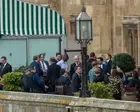
Parliament is “Britain’s last alcohol-soaked workplace” where MPs are offered free drinks as early as midday despite alcohol-related scandals, a report has revealed.
Drinking is commonplace and some MPs have had their stomachs pumped after consuming so much alcohol that they ended up in hospital, one disclosed.
Alcohol is “embedded” in how Westminster works, driven by loneliness among MPs, socialising in order to meet ministers, and drinks being served at daytime and evening events.
Those are the findings of a survey of 190 MPs and their staff which shows that Westminster’s drinking culture endures, despite rising concern and a string of incidents, including an MP’s researcher allegedly having had her drink spiked in Strangers’ bar in parliament and the revelation that the Labour MP Neil Coyle was at one time drinking up to 200 units of alcohol a week – the equivalent of 10 pints a night. The spiking led to a police investigation and the temporary closure of Strangers’ bar.
The report, by the Institute of Alcohol Studies (IAS) thinktank, said: “The findings suggest that Westminster remains a highly unusual workplace where alcohol is embedded in professional life, networking, lobbying and socialising in ways that would be exceptional in most other UK workplaces.
“Participants described alcohol as being available throughout the working day, frequently provided for free, and often intertwined with career advancement.”
Twenty-four MPs, 58 Westminster staff and 108 constituency office personnel shared their experiences and views. One MP, describing how readily available alcohol was at Westminster, said: “Going to a meeting at noon and alcohol’s available. Of course, I’m not used to that in my old job.”
The free alcohol at events on the parliamentary estate, which organisations arrange to help them lobby MPs, emerged as a particular issue.
Another MP said: “Where else in a work environment would you go, unless it was the works Christmas do, and there was free alcohol there for you? It just wouldn’t happen in real life.”
A third said: “You can start drinking here from 12 o’clock onwards and go around and consume large amounts of alcohol, and it’s relatively freely available.”
A fourth described events as a “legitimised opportunity to drink alcohol”, while a fifth said this routine provision of alcohol helps to create a “casual attitude to drinking”.
Hannah Spencer, the Green party MP elected at the Gorton and Denton byelection in February, received a mixed reaction from MPs when in April she labelled Westminster’s drinking culture “unprofessional and worrying” and said it led to cases of “questionable and dangerous behaviour”. She remarked that “you can smell the alcohol when people are in between votes”.
The IAS report also found that:
-
42% of the MPs interviewed had been offered an alcoholic drink at a work meeting or event on a weekly basis during the previous six months; 13% said that occurred daily.
-
22% had concerns about a colleague’s drinking.
-
Parliament’s long and unusual working hours, the loneliness many MPs experience being away from home, the pressures of the job and socialising in order to advance their careers can all act as catalysts for drinking.
The report added: “The availability of alcohol was seen to encourage unhealthy behaviour in general, from affecting colleagues’ sleep and stress levels to potentially normalising high-risk drinking, with one MP referring to colleagues having had their stomachs pumped in hospital and going back into Westminster the following day.”
Some MPs said the findings should prompt Westminster to rethink its attitude to alcohol. The Labour MP Cat Smith said: “We wouldn’t accept a surgeon operating after a drink or a driver getting behind the wheel – so why should we accept legislators voting on the laws of the land after one?
“If we’re serious about being a professional workplace, we have to ask hard questions about practices like late night votes that sit alongside on-tap bars.”
Beccy Cooper, who was a public health consultant before entering parliament as a Labour MP in 2024, said the report was a wake-up call. In a foreword to the report, she suggested that parliament should draw up its first formal workplace policy on alcohol.
She added: “Two findings stood out to me. Almost one in 10 respondents reported a negative experience because of someone else’s drinking at work and 70% either didn’t know, or weren’t sure, how to raise a concern about a colleague’s drinking.
“That combination – real, measurable harm and no clear route to address it – is exactly the kind of gap we need to address.”
Katherine Severi, the IAS’s chief executive, said Westminster should limit the provision of free alcohol to evening events as part of a renewed drive to make it a more modern workplace, which many MPs and staff support. “Very few professions these days would allow free alcohol from midday, or regularly host outside organisations sponsoring events where drinking is the norm during working hours,” she added.
The report also said that the commercialisation of parliament as an events venue contributed to MPs’ drinking.
In 2023, parliament’s independent complaints and grievance scheme said alcohol was a “frequent factor” in its investigations into alleged misconduct at Westminster. In its findings of 30 investigations it undertook between 2021 and 2022, it added that drinking in parliament’s array of bars was “leading to intimidating behaviour like shouting and swearing”.
In July 2023, Daniel Greenberg, the parliamentary standards commissioner, said alcohol had led to “behaviour problems” at Westminster and suggested the sale of alcohol on the state be kept under review.
A parliament spokesperson said everyone working there had been reminded to use alcohol responsibly, but hinted that immediate changes were unlikely. “Any changes to parliament’s provision of alcohol would ultimately be a matter for members to decide on. The estate is a unique working environment that includes public access and events,” they said.
“Parliament’s behaviour code makes clear that everyone should be treated with respect at all times, and those who choose to drink alcohol on the estate must do so responsibly.”
Westminster’s efforts to promote more responsible drinking include greater provision of no- and low-alcohol products and venue staff’s right to refuse to serve anyone who is, or looks likely to become, intoxicated.