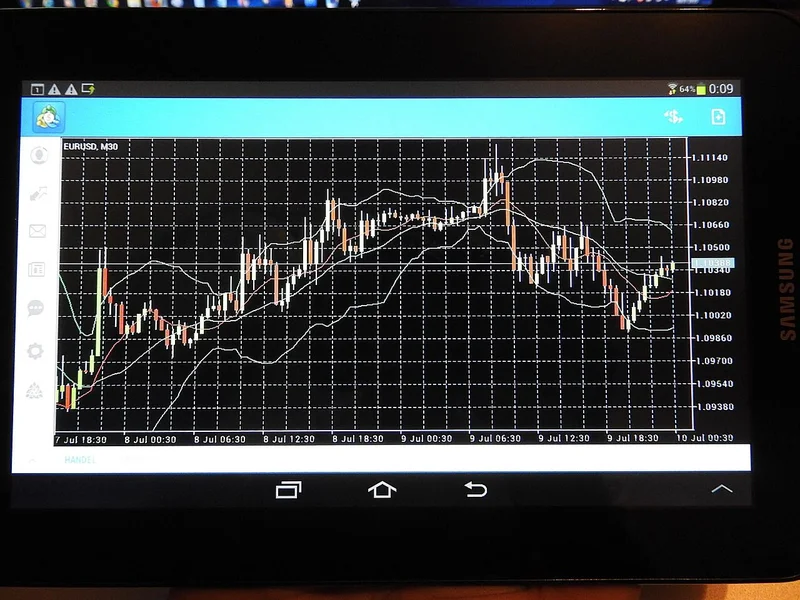
Six green trades in a row. That’s usually when I start losing money.
Not on the sixth trade. On the eighth or ninth — the ones I took because I felt sharp, sized bigger because the last few worked, and held a little longer because, well, I’d earned some room. The winning streak didn’t reward me. It set a trap and waited.
Traders talk about drawdowns like they arrive out of nowhere. In my experience they don’t. They get built during the good weeks, one small liberty at a time, and they only show up on the statement later. There’s a name for the mechanism behind it, and understanding it changed how I treat my own hot streaks.
Behavioral economists call it the house money effect. Once you’re up, your brain quietly reclassifies those profits as not really yours — like chips the casino handed you. You’ll gamble with house money in ways you’d never gamble with your rent. Thaler and Johnson documented this back in 1990, and every trader who has ever thought “I’m playing with the market’s money now” has lived it.
Here’s what’s happening underneath. A win triggers dopamine, and dopamine doesn’t just feel good — it sharpens confidence and dulls caution at the same time. So after a streak you genuinely feel more certain and less afraid, in exact proportion to how much you should feel the opposite. The feeling is real. The edge behind it usually isn’t.
The classic evidence is Barber and Odean’s study of tens of thousands of brokerage accounts. The traders who were most active, most convinced they’d figured something out, earned about 11.4% a year while the market did 17.9%. Overconfidence didn’t make them reckless in some dramatic way. It just made them do more — more trades, bigger size, fewer rules — and the drag showed up as a slow leak.
Most people get this wrong because they blame the losing streak instead of the winning one. You have a rough week, you go looking for the flaw in your system, you tweak an indicator. But the damage was already done during the run-up, when you drifted off your rules and didn’t notice because everything you touched was working. Good outcomes hide bad process. That’s the whole problem.
The tell is always position size. Watch what happens to your risk per trade after three or four wins. If your normal is one unit and you find yourself putting on one and a half “because the setup is so clean,” that’s not conviction. That’s the house money effect wearing a costume. The setup isn’t cleaner. You’re just less afraid than you were on Monday, and less afraid is not the same as more right.
I think the reason this bias is so hard to beat is that it doesn’t feel like a mistake while you’re making it. Revenge trading feels bad — you know you’re tilting. Chasing a pump feels desperate. But sizing up after a win feels earned. It feels like competence. That’s what makes it the most expensive one.
So here’s the one thing I’d actually change. Fix your position size to your account, not to your recent results. Whatever you risk per trade, that number should be identical after six wins and after six losses. If you can’t say what it is right now without checking your last few trades, you’re already sizing on emotion. Write the number down. Make it boring. Boring is the point.
The deeper fix is removing the decision from yourself entirely, which is most of why I trade systematically now. A system doesn’t feel invincible on Friday after a good week. It sizes the exact same way on trade one and trade one hundred, whether the last one won or lost, because it has no memory and no ego to feed. That consistency isn’t exciting. It’s just the thing that keeps a good week from quietly becoming your worst month.
If you’ve ever looked back at a drawdown and realized it started right after your best stretch, that’s not a coincidence — it’s the house money effect doing exactly what it does.