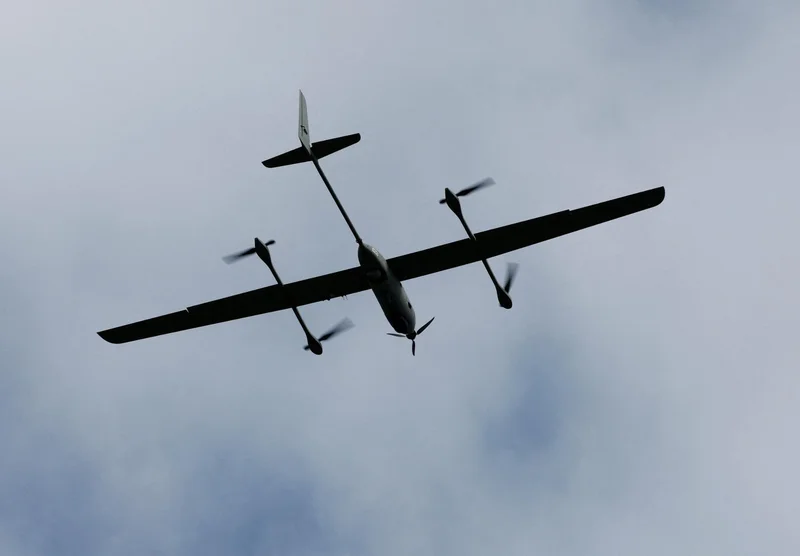
The revelation that Korea's military nearly shot down a U.S. reconnaissance drone during a routine joint exercise is far more than an embarrassing mishap. It is a stark warning that failures in military discipline, reporting procedures and alliance coordination can quickly escalate into incidents with grave operational and diplomatic consequences.
According to reports, Korean forces detected what they believed to be an unidentified aircraft over the northern border area and activated an air defense alert for hostile drones. Interception preparations began and emergency evacuation messages were sent to civilians in the area. Only later was the aircraft identified as a U.S. Marine Corps reconnaissance drone participating in a scheduled Korea Marine Exercise Program, bringing the crisis to an end before a catastrophic mistake was made.
The most troubling aspect of the incident is that it appears to have been entirely preventable. The U.S. military had reportedly notified the relevant Korean field command of the drone's operation in accordance with established procedures. Somewhere within the chain of command, the information was never passed upward or disseminated to subordinate units. As a result, the necessary flight approval process was not completed and frontline forces treated the drone as a potential enemy craft.
This was not merely a technical oversight. It represents a breakdown of the military's most fundamental responsibilities: accurate reporting, effective communication and reliable command and control. No modern military can function effectively if critical operational information fails to reach those responsible for making life-and-death decisions.
Equally disturbing is that this episode does not stand alone. The same frontline corps has recently faced criticism over reports that soldiers on guard duty along the Demilitarized Zone were instructed to man heavy machine guns without live ammunition, raising serious concerns about operational readiness. Now another lapse involving the same command has exposed weaknesses in reporting and situational awareness. Taken together, these incidents point to problems that extend beyond isolated human error. They suggest deficiencies in leadership, discipline and institutional accountability that deserve thorough investigation.
The incident also raises broader questions about coordination within the Korea-U.S. alliance. While current evidence suggests that the immediate failure occurred within Korea's internal reporting system rather than in bilateral communication, this distinction should not invite complacency. Joint military operations depend on seamless information sharing and mutual confidence. Even routine exercises require precise synchronization because a single missed report or misunderstood procedure can produce dangerous misunderstandings in one of the world's most heavily armed regions.
This is not the first time communication problems have surfaced. In recent months, public disagreements have emerged over whether Seoul received prior notification of U.S. military activities, the conduct and scheduling of combined exercises and the management of allied operations. Whether these disputes stem from bureaucratic shortcomings, differing interpretations of procedures or broader policy disagreements, they underscore the importance of strengthening mechanisms for consultation and coordination.
The timing could hardly be worse. The alliance is entering a period of significant transition, marked by ongoing discussions over wartime operational control, the future role of U.S. Forces Korea and evolving regional security challenges. At such a moment, trust between allies must rest not only on shared strategic objectives but also on dependable day-to-day military cooperation. If allied forces participating in the same exercise cannot reliably identify one another, confidence in the alliance's operational effectiveness will inevitably suffer.
The immediate priority is clear. Authorities must conduct a comprehensive investigation into how the reporting failure occurred, determine where responsibility lies and hold those accountable where appropriate. Just as importantly, they must strengthen reporting procedures, improve command-and-control systems, reinforce identification protocols and ensure that every level of the chain of command understands and follows established operational procedures.
Military effectiveness begins with disciplined execution of basic principles. Sophisticated weapons, advanced technology and strong alliances cannot compensate for failures in communication and command. The near-disaster with an allied drone should serve as a sobering reminder that the credibility of both Korea's armed forces and the U.S.-Korea alliance ultimately depends on getting the fundamentals right.